Your Jeep Wrangler typically takes regular unleaded gasoline with an octane rating of 87.
However, higher-performance models might require mid-grade or premium fuel to avoid engine knocking. Using the right fuel guarantees smooth operation, better efficiency, and prevents engine damage.
Avoid lower octane fuels that can harm your engine over time.
Ethanol blends up to 10% are usually fine. If you want to optimize your Wrangler’s performance and fuel efficiency, understanding these details will help.
Key Takeaways
- Most Jeep Wranglers require regular unleaded gasoline with an octane rating of 87.
- Higher-performance Wrangler models may need mid-grade or premium fuel to prevent engine knocking.
- Ethanol blends up to 10% are generally acceptable for Jeep Wranglers.
- Using lower octane fuel than recommended can cause engine knocking and reduce efficiency.
- Some Wrangler models offer diesel fuel options for specific engine types.
What Type of Gas Does a Jeep Wrangler Require?
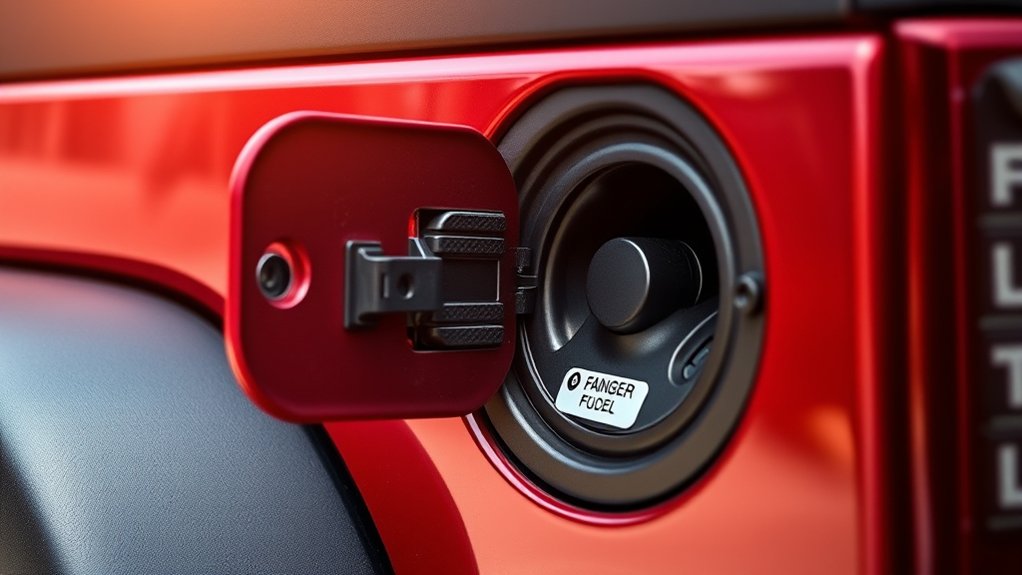
What type of gas does a Jeep Wrangler require? Generally, most Jeep Wranglers are designed to run efficiently on regular unleaded gasoline with a fuel octane rating of 87. Using the recommended octane guarantees peak engine performance and fuel economy.
However, some Wrangler models with higher-performance engines might require mid-grade or premium fuel with higher octane levels to prevent knocking. You should avoid using lower octane fuel than specified, as it can cause engine knocking and reduce efficiency.
Additionally, gas additives can play a role in maintaining your engine’s health by cleaning fuel injectors and improving combustion. While not always necessary, using gas additives formulated for your Wrangler can help preserve engine performance and reduce emissions over time. Always follow your vehicle’s guidelines for the best results.
How Do You Find the Recommended Fuel for Your Jeep Wrangler?
To find the recommended fuel for your Jeep Wrangler, start by checking the owner’s manual where the manufacturer specifies the proper gas type.
You can also inspect the label inside the fuel door, which often provides clear fuel guidelines. These sources guarantee you use the correct fuel to maintain your vehicle’s performance and efficiency.
Check Owner’s Manual
Although you might find fuel recommendations online, the most reliable source is your Jeep Wrangler’s owner’s manual. This document provides detailed owner’s manual insights, including the exact fuel guidelines tailored for your specific model and engine type.
By referring to the manual, you guarantee you use the correct octane rating and fuel type, which helps maintain engine performance and efficiency. The manual also offers information on fuel additives and alternative fuels, if applicable.
Ignoring these guidelines can lead to suboptimal performance or even engine damage over time. Keep your owner’s manual handy or access a digital copy to confirm the recommended fuel before filling up, ensuring you protect your Jeep Wrangler’s longevity and optimize its capabilities.
Inspect Fuel Door Label
After checking your Jeep Wrangler’s owner’s manual, another quick way to verify the recommended fuel is by inspecting the label inside the fuel door. This label provides essential information about the type of gasoline your vehicle requires, including the octane rating.
During the label inspection, look carefully for specifications such as “unleaded gasoline” and the minimum octane number, which guarantees peak engine performance and fuel efficiency. The fuel door label is designed to be clear and easy to read, making it a convenient reference when you’re at the pump.
Why Does Using the Right Fuel Matter for Your Jeep Wrangler?
Using the right fuel helps your Jeep Wrangler run smoothly and maintain peak engine performance. It also improves fuel efficiency, saving you money on gas over time.
Choosing the correct fuel guarantees your vehicle operates as designed and avoids potential engine issues.
Engine Performance Impact
Because your Jeep Wrangler’s engine is designed to run on specific fuel types, choosing the right gas directly affects its performance and efficiency. Using the recommended fuel guarantees that engine tuning remains ideal, allowing the engine control unit (ECU) to manage combustion precisely.
This precision supports performance enhancement, maximizing power output and preventing issues like knocking or misfires that degrade engine health. Conversely, using incorrect fuel can disrupt engine tuning, causing reduced responsiveness and potential long-term damage.
Fuel Efficiency Benefits
Although it might seem minor, choosing the correct fuel significantly influences your Jeep Wrangler’s fuel efficiency. Using the recommended gasoline grade guarantees ideal combustion, which directly improves fuel economy by allowing the engine to operate at peak performance.
When you stick to the right fuel, your engine runs more smoothly, reducing wasted energy and unnecessary fuel consumption. Additionally, proper fuel use supports engine longevity by minimizing deposits and wear caused by improper combustion.
Over time, this prevents costly repairs and maintains your Jeep’s reliability. By prioritizing the correct fuel, you not only enhance daily mileage but also protect your investment in the long run.
Ultimately, the right fuel choice helps you get the most out of your Jeep Wrangler’s performance and efficiency.
What Happens If You Use the Wrong Gas in Your Jeep Wrangler?
If you put the wrong gas in your Jeep Wrangler, you risk causing engine knocking, reduced performance, and potential long-term damage. Engine knocking occurs when fuel ignites prematurely, which can harm internal components. Using improper fuel may also interfere with fuel additives designed to optimize combustion and protect your engine.
| Issue | Consequence |
|---|---|
| Engine Knocking | Damages pistons and valves |
| Reduced Performance | Lower power output and efficiency |
| Fuel Additive Conflict | Reduced engine protection |
Choosing the incorrect gas grade or type disrupts the combustion process, leading to inefficiency and wear. To maintain your Jeep’s reliability, always use the recommended fuel type to avoid these risks.
Can You Use Premium Gas in a Jeep Wrangler?
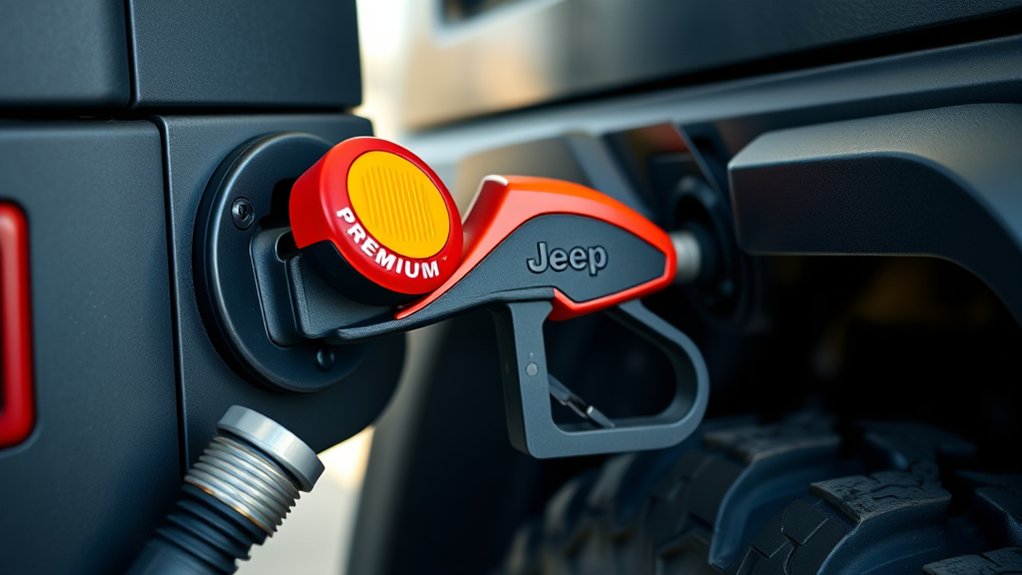
Using the correct fuel type helps prevent engine problems and maintains your Jeep Wrangler’s performance. You can use premium gas in your Jeep Wrangler, especially if the manufacturer recommends it for your model.
Premium gas offers higher octane levels, typically 91 or above, which can help prevent engine knocking in high-compression engines. While many Jeep Wranglers are designed to run efficiently on regular gasoline with lower octane levels, choosing premium fuel might provide benefits like smoother acceleration and better engine responsiveness in specific models.
However, if your Wrangler’s engine doesn’t require high octane, the benefits of premium gas may be minimal. Always consult your owner’s manual to determine the recommended fuel type to optimize your Jeep Wrangler’s performance and longevity.
How Do Regular and Premium Gas Compare for Jeep Wranglers?
How do regular and premium gas stack up when it comes to fueling your Jeep Wrangler? The main differences lie in fuel octane levels and cost efficiency. Regular gas typically has an octane rating of 87, while premium ranges from 91 to 93.
Choosing between regular and premium gas for your Jeep Wrangler comes down to octane levels and cost.
Higher octane fuels resist knocking better, which can benefit engines designed for it.
Consider these points:
- Fuel Octane: Regular suits most Jeep Wranglers, as their engines are optimized for it.
- Cost Efficiency: Premium costs more but doesn’t always improve performance or mileage in Wranglers not requiring it.
- Engine Health: Using premium unnecessarily won’t harm your Jeep, but it won’t add value either.
Ultimately, regular gas offers the best balance of cost efficiency and adequate performance for most Jeep Wranglers.
How to Fuel Your Jeep Wrangler Efficiently
When fueling your Jeep Wrangler, choosing the right practices can maximize efficiency and maintain engine health. Start by using the recommended fuel type, typically regular unleaded gas, unless your model specifies premium.
Avoid topping off the tank to prevent fuel spillage and sensor damage. Refuel during cooler parts of the day to reduce evaporation loss, which can affect gas mileage.
Keep your fuel cap tightly secured to maintain proper pressure and prevent vapor leaks. Regularly check tire pressure and minimize unnecessary idling, as both influence your Jeep’s fuel consumption.
These fueling tips help optimize gas mileage and extend engine life. Following them guarantees your Wrangler runs smoothly while saving you money on fuel over time.
Frequently Asked Questions
What Is the Fuel Tank Capacity of a Jeep Wrangler?
The Jeep Wrangler’s fuel tank capacity is around 17.5 gallons. You should choose fuel type options recommended by the manufacturer and perform regular tank maintenance to guarantee peak performance and avoid issues related to fuel contamination or damage.
How Often Should You Check the Fuel Filter in a Jeep Wrangler?
Like a heartbeat, you should check your Jeep Wrangler’s fuel filter every 20,000 to 30,000 miles. Regular fuel filter maintenance helps spot signs replacement is needed, keeping your engine running smoothly and efficiently.
Can Jeep Wranglers Run on Alternative Fuels Like E85?
Jeep Wranglers can run on E85 with alternative fuel conversions, letting you enjoy E85 benefits like lower emissions and renewable sourcing.
You’ll need proper modifications to optimize performance and avoid engine damage.
Does Cold Weather Affect Jeep Wrangler Fuel Efficiency?
Yes, cold weather reduces your Jeep Wrangler’s fuel efficiency by causing longer engine warm-up times and thicker fluids.
During winter driving, your engine performance drops, making your vehicle consume more fuel than usual in colder conditions.
Are There Specific Gas Stations Recommended for Jeep Wranglers?
You don’t need specific gas stations for your Jeep Wrangler, but always choose premium fuel with the correct octane rating recommended in your manual. This guarantees peak performance and prevents engine knocking.
Conclusion
To keep your Jeep Wrangler running smoothly, always use the recommended fuel—usually regular unleaded gas. Using the wrong gas can cause engine trouble, and while premium might seem like a magic fix, it’s often unnecessary.
Think of using the right fuel as giving your Jeep the perfect meal—it’s not just good, it’s essential. Follow proper fueling habits, and your Wrangler will perform at its best, saving you headaches and costly repairs down the road.
For optimal performance and longevity, choosing the correct gas is crucial. Always remember, the best gas for your Jeep Wrangler ensures it runs reliably and efficiently.