If you want the best year for Jeep Wrangler that blends rugged heritage with modern reliability, look at models from 2010 onward.
The 2010–2018 Wranglers offer enhanced off-road tech, better suspension, and improved comfort.
The 2018–present JL generation brings refined design, superior materials, and advanced features while maintaining classic styling.
Older models have charm but tend to face issues like rust and electrical problems.
Exploring the evolution helps you find the best fit for your driving needs and preferences.
Key Takeaways
- The 2018-present JL generation is best for modern technology, improved comfort, and enhanced reliability while maintaining classic Jeep design.
- 2010-2018 Wranglers offer strong off-road capabilities with updated suspension and tech like touchscreen systems and Bluetooth integration.
- TJ models (1997-2006) are prized for refined off-road performance, improved suspension, and a balance of classic style and comfort.
- YJ models (1987-1995) introduced unique rectangular headlights and maintained rugged off-road capability, appealing to vintage Jeep enthusiasts.
- Newer models feature better engines with improved power, fuel economy, and emissions control, making them ideal for performance and efficiency.
What Makes a Jeep Wrangler Year Special
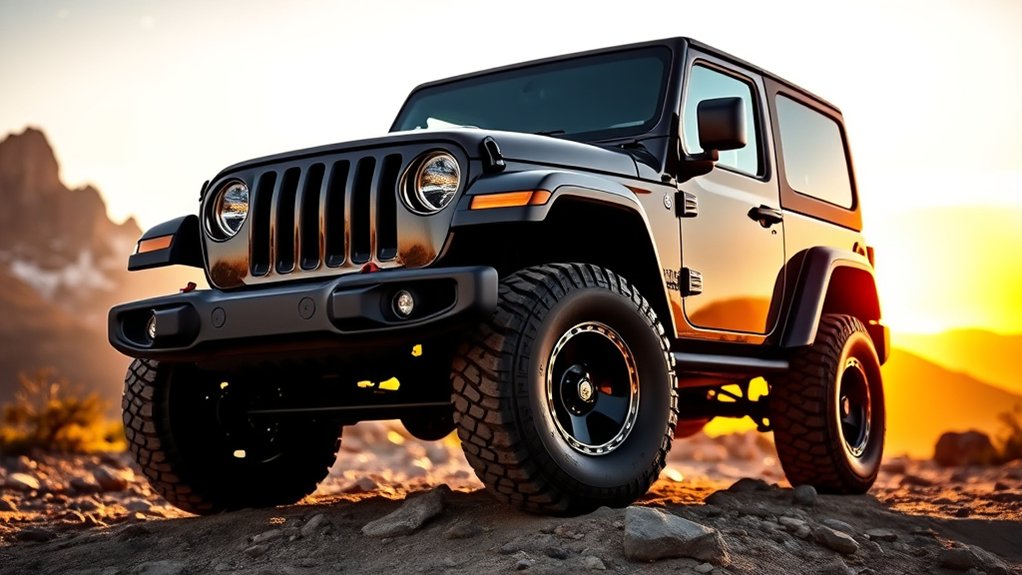
When you evaluate what makes a Jeep Wrangler year special, you need to take into account several key factors that influence its performance, reliability, and overall value. The Jeep Wrangler heritage plays an essential role, as each model year builds on a legacy of ruggedness and off-road capability.
You’ll notice that the iconic design, characterized by its seven-slot grille and round headlights, remains a consistent hallmark, yet subtle updates can greatly enhance functionality and appeal. Performance upgrades, technological advancements, and improvements in safety also differentiate one year from another.
Top Jeep Wrangler Models From the 1980s and 1990s
Although the Jeep Wrangler’s roots extend back further, the 1980s and 1990s produced some of the most influential models that shaped the vehicle’s reputation for durability and off-road prowess. During this era, the YJ (1987-1995) stood out as one of the classic models, introducing rectangular headlights that distinguished it from earlier versions while maintaining core off-road capabilities.
The subsequent TJ (1997-2006) further refined the Wrangler’s off-road heritage with improved suspension and enhanced comfort, balancing ruggedness with everyday usability. If you’re exploring Jeep Wrangler history, these decades offer models that defined the brand’s identity and solidified its status among off-road enthusiasts.
Their blend of classic styling and functional design still appeals to drivers seeking authentic, capable vehicles.
Best Jeep Wrangler Models From the 2000s: Reliability and Upgrades
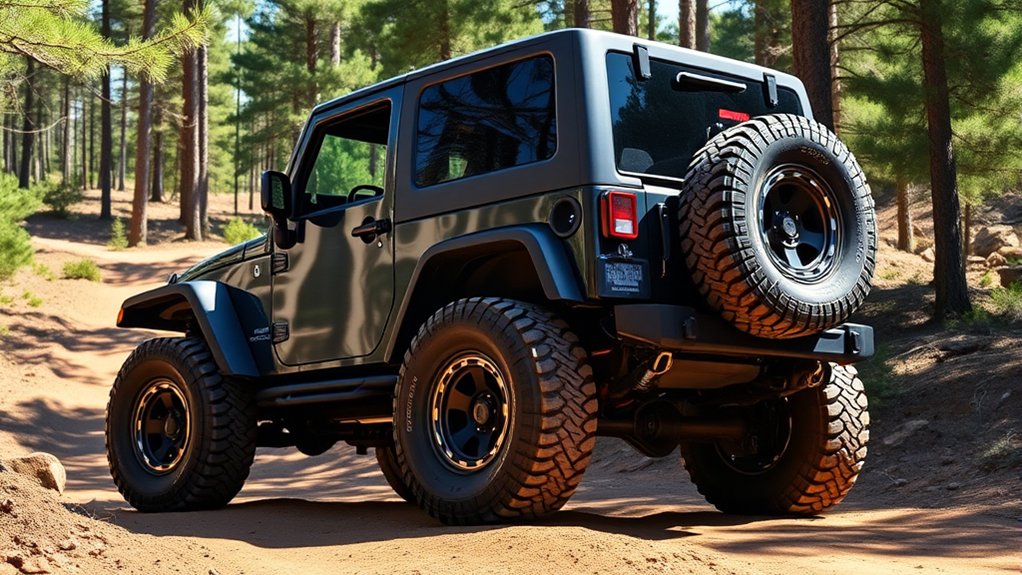
You’ll notice that Jeep Wranglers from the 2000s show clear reliability improvements compared to earlier models. These years brought key upgrades like enhanced suspension and modernized electronics, boosting both performance and comfort.
Understanding these changes helps you identify which models deliver the best balance of durability and features.
Reliability Improvements Over Time
As Jeep addressed early issues and incorporated technological advancements, the Wrangler models from the 2000s saw notable improvements in reliability. You’ll notice enhanced engine longevity and reduced maintenance costs compared to earlier models.
These improvements made the Wrangler a more dependable choice for off-road enthusiasts and daily drivers alike.
| Year Range | Engine Longevity | Maintenance Costs |
|---|---|---|
| 2000-2004 | Moderate | Moderate |
| 2005-2009 | Improved | Lower |
| 2010+ | High | Lowest |
Key Upgrades and Features
When evaluating the best Jeep Wrangler models from the 2000s, key upgrades and features play a crucial role in their appeal and performance. During this decade, Jeep introduced significant safety enhancements, including improved airbags and reinforced frames, which increased occupant protection without compromising the Wrangler’s off-road capability.
You’ll also notice advancements in interior comfort, such as upgraded seating materials and more ergonomic controls, making longer drives less taxing. Additionally, technology integrations like better sound systems and optional navigation improved convenience.
These upgrades didn’t just add luxury; they addressed practical concerns, balancing ruggedness with daily usability. If you’re choosing a 2000s Wrangler, focusing on these features guarantees you get a model that combines classic Jeep toughness with thoughtful improvements in safety and comfort.
Why 2010–2018 Jeep Wranglers Are Great for Modern Off-Roading
You’ll find that 2010–2018 Jeep Wranglers offer enhanced off-road capabilities thanks to improved suspension and traction systems. They also integrate modern technology that boosts both performance and convenience on rugged terrain.
Plus, their durable and reliable build guarantees they can handle the demands of today’s challenging trails.
Enhanced Off-Road Capabilities
Although the Jeep Wrangler has long been a symbol of rugged off-road performance, the 2010–2018 models introduced significant enhancements that make them especially suited for modern off-roading challenges. You’ll appreciate the off road enhancements, such as improved suspension systems and reinforced axles, which boost durability on demanding trails.
These models also feature advanced traction control and locking differentials, allowing you to tackle diverse terrains with greater confidence. Terrain adaptability is further enhanced by increased ground clearance and optimized approach and departure angles, helping you negotiate obstacles more effectively.
Whether you’re driving through mud, rocks, or steep inclines, these upgrades provide a balanced combination of capability and reliability. Overall, the 2010–2018 Jeep Wranglers offer a refined off-road experience that meets the needs of today’s adventurous drivers.
Modern Technology Integration
Building on the Wrangler’s enhanced off-road hardware, the 2010–2018 models also integrate modern technology that elevates your driving experience. These Jeep Wranglers come equipped with technology features such as touchscreen infotainment systems, Bluetooth connectivity, and advanced navigation options, all designed to make your journeys smoother and more connected.
The integration benefits extend to safety and convenience, with backup cameras and electronic stability control providing greater confidence on challenging terrains. You’ll also appreciate the inclusion of customizable settings that adapt to various off-road conditions, making it easier to manage traction and performance.
Durable and Reliable Build
Three key aspects define the durable and reliable build of 2010–2018 Jeep Wranglers, making them exceptional for modern off-roading. You’ll find Jeep durability rooted in their robust frame, heavy-duty axles, and reinforced suspension.
Wrangler reliability is enhanced by proven drivetrain components and quality materials designed to withstand rough terrain. These features guarantee consistent performance and reduce maintenance needs, critical for off-road adventures.
| Feature | Benefit |
|---|---|
| Frame & Chassis | Provides structural toughness |
| Axles & Suspension | Absorbs shocks and impacts |
| Drivetrain Components | Guarantees power delivery |
| Quality Materials | Resists corrosion and wear |
This combination makes the 2010–2018 Wranglers durable and reliable, ideal for today’s off-road challenges.
The Impact of the 2018–Present Wrangler JL Generation
When Jeep introduced the Wrangler JL in 2018, it marked a significant evolution in the model’s design and capabilities. You’ll notice the JL Design focuses on modernizing aesthetics while retaining the iconic Wrangler silhouette.
This generation introduced improved aerodynamics, enhanced interior comfort, and upgraded technology features, making it more user-friendly without sacrificing ruggedness. The JL Performance saw notable advancements, including refined suspension systems and better on- and off-road handling.
These upgrades directly enhance your driving experience, offering increased stability and control. Additionally, the JL’s improved build quality and materials contribute to durability and long-term reliability.
Jeep Wrangler Engines: What’s Changed Over the Years
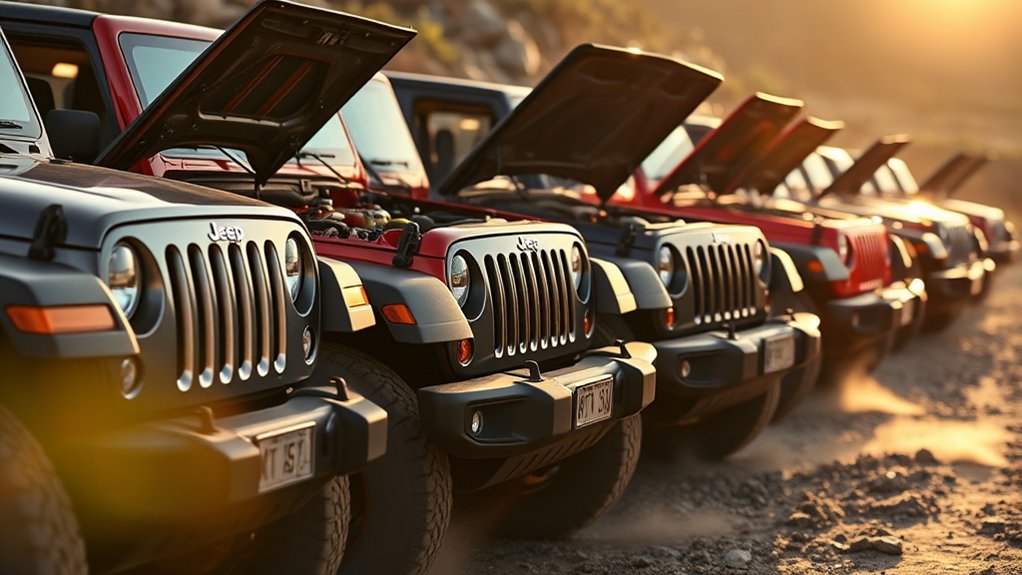
Although the Jeep Wrangler has maintained its rugged appeal, its engine options have evolved considerably over the years to meet changing performance demands and emissions standards. You’ll notice that early models favored simple, reliable inline-six and V8 engines, prioritizing torque for off-road capability.
As the Wrangler progressed, engine evolution introduced more efficient V6 options, turbocharged four-cylinders, and even diesel variants, enhancing both power and fuel economy. When you make performance comparisons across generations, newer engines deliver better acceleration, smoother operation, and improved emissions control without sacrificing toughness.
Understanding this engine evolution helps you evaluate which model aligns with your priorities, whether you value raw power, fuel efficiency, or a balance of both. This evolution marks Jeep’s commitment to modernizing while preserving its iconic off-road essence.
Best Value Jeep Wrangler Years to Consider
Which Jeep Wrangler model years offer the best value depends on what you prioritize, whether it’s reliability, features, or price. For those seeking the best resale, Wranglers from 2012 to 2018 strike a balance between modern amenities and durable design.
These years tend to maintain strong market demand, minimizing depreciation. If you’re concerned about maintenance costs, models between 2007 and 2011 are known for their mechanical simplicity, leading to fewer repairs and lower upkeep expenses.
Newer models, like those post-2018, include advanced tech but can come with higher maintenance costs and initial prices, affecting overall value. Ultimately, analyzing your priorities—resale potential versus ongoing costs—will help you select a Wrangler year that delivers the best overall value within your budget.
Choosing the Right Jeep Wrangler Year for Your Adventure
How do you pinpoint the ideal Jeep Wrangler year that matches your adventure style? Start by evaluating off road performance improvements across model years. Newer models often feature advanced suspension systems and traction control, enhancing capability on rugged terrain.
However, older models may offer simpler mechanics, which some enthusiasts prefer for modifications. Consider resale value too; Wranglers generally hold value well, but recent models with updated technology and safety features tend to retain it better.
Balancing your budget with desired features is key. If you want cutting-edge off road performance and higher resale value, newer years make sense. If you prioritize a proven platform with potential for personalization, slightly older models could suit you. Ultimately, your choice should align with your adventure demands and financial goals.
Common Problems in Older Jeep Wrangler Models
When you consider older Jeep Wrangler models, you’ll find that certain issues tend to recur due to age and design limitations. Transmission issues often surface, impacting drivability and requiring costly repairs.
Rust problems are common, especially on the frame and undercarriage, compromising structural integrity. Electrical failures may disrupt lighting and dashboard functions, demanding careful diagnosis.
Suspension wear affects ride comfort and handling, so check these components thoroughly. Engine leaks can develop, leading to decreased performance and potential damage.
Interior wear, including fading and material degradation, diminishes comfort and aesthetics. Fuel efficiency in older models typically lags behind newer ones, reflecting dated engine technology.
Finally, paint quality often deteriorates over time, exposing metal to further damage. Understanding these issues helps you make an informed purchase.
Frequently Asked Questions
How Does Jeep Wrangler Fuel Economy Vary by Year?
Jeep Wrangler fuel economy varies by year due to engine performance improvements and transmission upgrades. You’ll notice newer models usually offer better mileage, thanks to efficient engines and refined transmissions that optimize fuel use during your drives.
What Are the Best Aftermarket Accessories for Jeep Wranglers?
Want to conquer tougher trails? You’ll want off road upgrades like lift kits and skid plates, plus interior enhancements such as all-weather mats and upgraded sound systems to boost comfort and functionality on every Jeep Wrangler adventure.
How Do Jeep Wrangler Safety Features Improve Over the Years?
You’ll see Jeep Wrangler safety features improve over the years through better safety ratings and advanced crash tests. They’ve added airbags, stability control, and reinforced structures, enhancing occupant protection and overall crashworthiness greatly.
What Is the Resale Value Trend for Jeep Wranglers by Year?
Think of resale value as a mountain climb; newer Jeep Wranglers generally hold value better, but year comparison shows certain models, like 2018, peak higher due to updates.
Older years tend to drop more steeply over time.
Are Jeep Wranglers Good Daily Drivers Compared to Other SUVS?
Jeep Wranglers offer solid reliability but their comfort can be hit or miss for daily driving. If you prioritize ruggedness and off-road ability, they’re great, but expect a rougher ride compared to other SUVs.
Conclusion
Choosing the best Jeep Wrangler year is like finding the perfect trail—each offers unique challenges and rewards. Whether you value the rugged charm of the ’80s and ’90s, the reliability of the 2000s, or the modern upgrades from 2010 onward, knowing each model’s strengths helps you pick wisely.
By understanding common issues and engine improvements, you’ll confidently select a Jeep that fits your adventure style and budget. This approach ensures every ride feels like the open road calling.
In the end, knowing what makes the best year for Jeep Wrangler stand out will guide you to the perfect model for your needs.