Imagine buying a reliable tool only to find it breaks down just when you need it most—this is the experience some have had with certain Honda Accord model years. When considering what years of Honda Accord to avoid, the 2003 and 2008 models stand out for recurring engine and transmission issues.
These problems can lead to costly repairs and significant inconvenience. Knowing which years to avoid can save you both money and headaches.
However, the full picture involves more than just model years alone. It’s important to consider maintenance history and overall vehicle condition as well.
Key Takeaways
- Avoid the 2003 Honda Accord due to frequent engine problems and higher maintenance costs.
- The 2008 model year has common engine and transmission issues leading to costly repairs.
- Certain years suffer from transmission design flaws causing erratic shifting and premature wear.
- Electrical problems, including wiring shorts and sensor glitches, are prevalent in some older models.
- Be cautious of used Accords with suspension wear, oil leaks, and interior deterioration affecting reliability.
Worst Honda Accord Model Years to Avoid
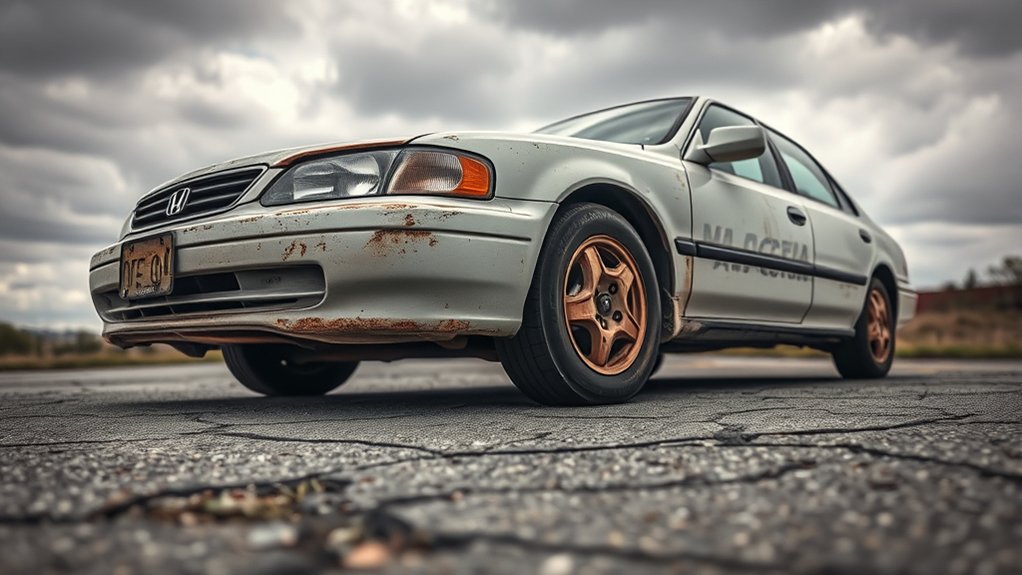
Which Honda Accord model years should you steer clear of if you want a reliable vehicle? The 2003 and 2008 model years are often cited for worst reliability due to frequent engine and transmission issues. These problems can lead to costly repairs and unexpected downtime.
Additionally, the 2013 Accord has gained attention for subpar fuel economy compared to other years, which might affect your long-term savings. While Honda Accords generally have a strong reputation, these specific years stand out for their higher-than-average maintenance needs and lower efficiency.
If you prioritize dependability and cost-effective driving, it’s wise to avoid these models. Instead, focus on years with proven track records for reliability and fuel economy, ensuring you get the most from your investment.
Common Honda Accord Problems in Used Cars
After identifying the Honda Accord model years to avoid, it’s important to understand the common problems you might encounter when buying a used Accord. While generally known for used reliability, certain issues frequently arise.
Knowing which Accord years to avoid helps you spot common used car issues early on.
You may notice premature wear on suspension components, leading to a less comfortable ride. Some Accords also experience oil leaks, which can cause engine performance issues if not addressed promptly.
Interior wear, such as cracked dashboards or malfunctioning electronics, can affect daily comfort and convenience. Additionally, brake system wear tends to occur earlier on some models, requiring more frequent maintenance.
Being aware of these common problems helps you assess a used Accord’s condition accurately and make an informed purchase decision, balancing cost and reliability effectively.
Why Some Accords Have Transmission and Electrical Issues
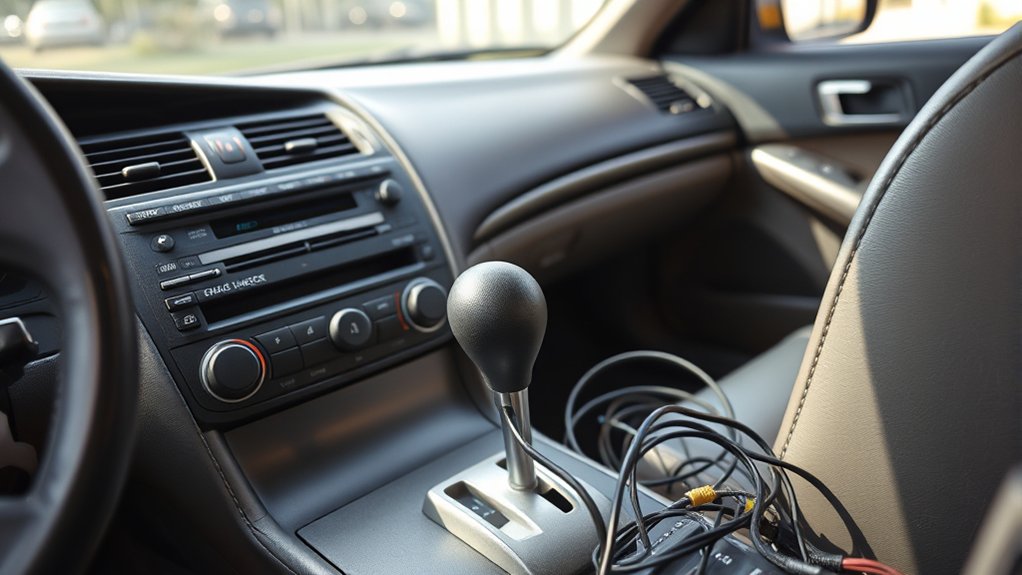
Why do some Honda Accords develop transmission and electrical issues more frequently than others? It often comes down to design flaws, component wear, and maintenance habits affecting transmission reliability and electrical gremlins.
- Design Limitations: Certain model years had weaker transmission components prone to premature failure.
- Software Glitches: Electronic control units sometimes caused erratic shifting or sensor misreads.
- Aging Wiring: Over time, insulation degrades, leading to electrical shorts or connection problems.
- Maintenance Neglect: Skipping fluid changes and ignoring warning signs accelerates transmission and electrical system deterioration.
Understanding these factors can help you recognize why specific Accords struggle more with transmission reliability and electrical gremlins, guiding smarter decisions when considering a used model.
How to Spot Red Flags When Buying a Used Honda Accord
How can you identify warning signs that indicate potential problems in a used Honda Accord? Start by thoroughly inspecting the vehicle’s service records. Missing or irregular maintenance is a major red flag.
Check for uneven tire wear, which may signal suspension or alignment issues. Test all electrical components, as faulty wiring has been reported in some models.
During the test drive, listen for unusual noises from the transmission and monitor for delayed shifting. Look for signs of fluid leaks under the car and assess the engine’s overall condition.
Pay close attention to the dashboard for warning lights. Following manufacturer-recommended maintenance tips can prevent common problems, so verify if previous owners adhered to them.
Spotting these red flags early helps you avoid costly repairs and ensures a reliable purchase.
Best Honda Accord Years to Buy and Alternative Models to Consider
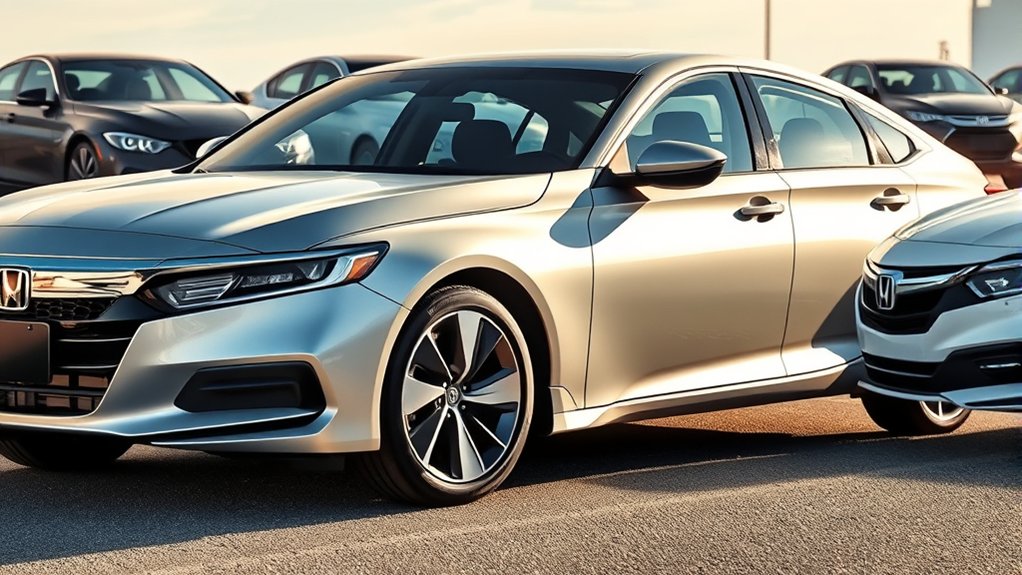
Which Honda Accord model years offer the best balance of reliability, performance, and value? You’ll find the 2013, 2016, 2018, and 2020 models stand out. These years deliver strong fuel economy, solid build quality, and often come at the best prices on the used market.
- 2013 Accord – Known for reliability and efficient engines.
- 2016 Accord – Introduced updated tech and safety features.
- 2018 Accord – Improved styling and enhanced fuel economy.
- 2020 Accord – Latest generation with refined performance and modern amenities.
If you want alternatives, consider the Toyota Camry or Mazda6, both offering comparable reliability and fuel economy. Ultimately, focus on models with comprehensive maintenance records to ensure long-term satisfaction.
Frequently Asked Questions
What Is the Average Fuel Economy of a Honda Accord?
You’ll typically get around 30 mpg combined in a Honda Accord. To avoid transmission issues, focus on maintenance. This approach supports your depreciation strategy, helping you retain value and reduce costly repairs over time effectively.
How Much Does Regular Maintenance Typically Cost for a Honda Accord?
You’ll typically spend $300 to $500 annually on regular maintenance for a Honda Accord. Older maintenance issues might increase costs, but good upkeep helps maintain fuel economy and prevents expensive repairs over time.
Are Honda Accords Good for Long-Distance Road Trips?
You’ll find Honda Accords pleasantly dependable for long-distance reliability, offering smooth handling and solid fuel efficiency. Their road trip comforts include spacious interiors and user-friendly tech, making your journeys both practical and enjoyable without unexpected hiccups.
What Safety Features Are Standard in Recent Honda Accord Models?
You’ll find recent Honda Accord models come standard with Honda Sensing, including collision mitigation, adaptive cruise control, and lane keeping assist.
These features boost safety, fuel economy, and help maintain strong resale value over time.
How Do Honda Accord Resale Values Compare to Other Midsize Sedans?
You’ll find the Honda Accord retains about 50% of its value after five years, outperforming many midsize sedans.
Thanks to its historic design and strong resale depreciation resistance, it’s a solid choice for long-term value.
Conclusion
If you want to dodge endless repairs and sky-high bills, steer clear of the 2003 and 2008 Honda Accord models—they’re like ticking time bombs for engine and transmission issues. These years have a reputation for costly problems that can quickly drain your wallet and patience.
By focusing on more reliable years with proven powertrains, you’ll save yourself from frustrating downtime and expensive fixes. Always inspect carefully and trust your instincts when buying used.
Choosing wisely means enjoying a dependable ride without feeling like you’re gambling your wallet every time you drive. To avoid headaches, remember to avoid the problematic years of Honda Accord for a smoother ownership experience.