If you’re wondering how many miles a Honda Accord can last, the answer depends largely on how you care for it. With consistent maintenance like timely oil changes and brake checks, many Accords reach well beyond 200,000 miles.
However, factors like model year, driving habits, and local climate also play essential roles. Understanding these elements can help you get the most out of your vehicle before major repairs become unavoidable.
Key Takeaways
- A Honda Accord typically lasts between 200,000 and 300,000 miles with proper maintenance.
- Models from 1998 to 2002 are especially known for durability and robust engineering.
- Regular maintenance, including timely oil changes and brake inspections, extends the car’s lifespan.
- Driving habits, climate, and road conditions significantly impact the Accord’s longevity.
- Early detection of issues and prompt repairs help maximize mileage and prevent costly damage.
Honda Accord Average Mileage: What to Expect
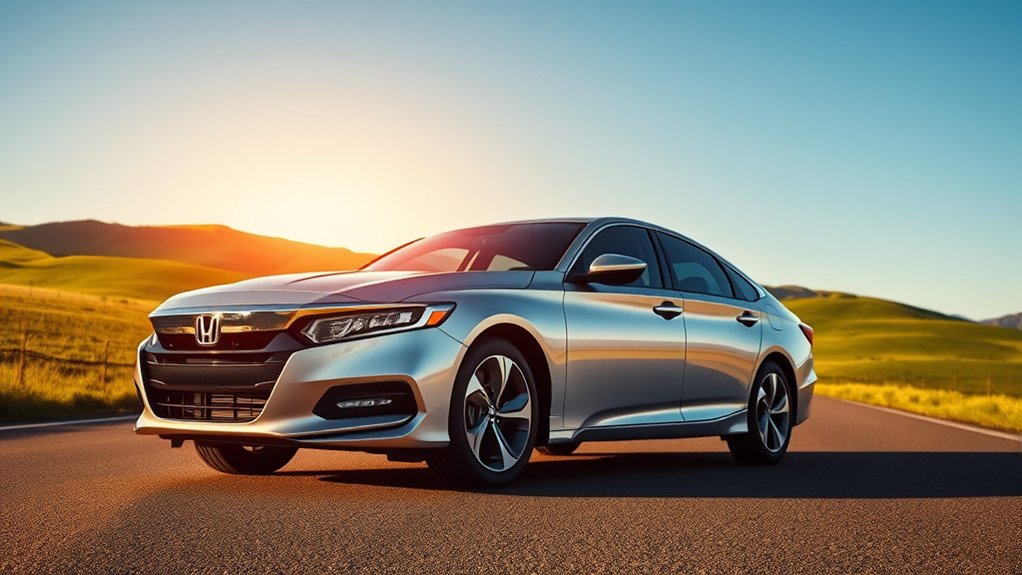
How long can you expect your Honda Accord to last on the road? Typically, these vehicles reach between 200,000 to 300,000 miles with proper care. You’ll find the pros and cons of this mileage range vary depending on driving habits and maintenance routines.
While the engine and transmission are known for durability, components like suspension and electrical systems may require attention as mileage climbs. Future models promise improvements in fuel efficiency and hybrid technology, potentially extending lifespan and reducing wear on key parts.
However, newer tech can also introduce complexity and repair costs. Knowing these factors helps you set realistic expectations about your Accord’s longevity and maintenance needs, ensuring you get the most from your investment without surprises.
Most Durable Honda Accord Model Years
Which Honda Accord model years stand out for exceptional durability? The 1998 to 2002 models consistently earn praise, thanks to their robust engineering and fewer reports of irreversible damage even after extensive off road testing. These Accords feature durable transmissions and engines that handle wear well, making them reliable choices if you want longevity.
Similarly, the 2008 to 2012 models benefit from improved materials and refined manufacturing processes, reducing common failure points. When assessing durability, these years show lower maintenance costs and better resilience under varied driving conditions. If you prioritize a Honda Accord that can withstand rigorous use without suffering irreversible damage, focusing on these model years offers a smart balance of performance and long-term dependability.
Parts That Wear Out Fast on Honda Accords
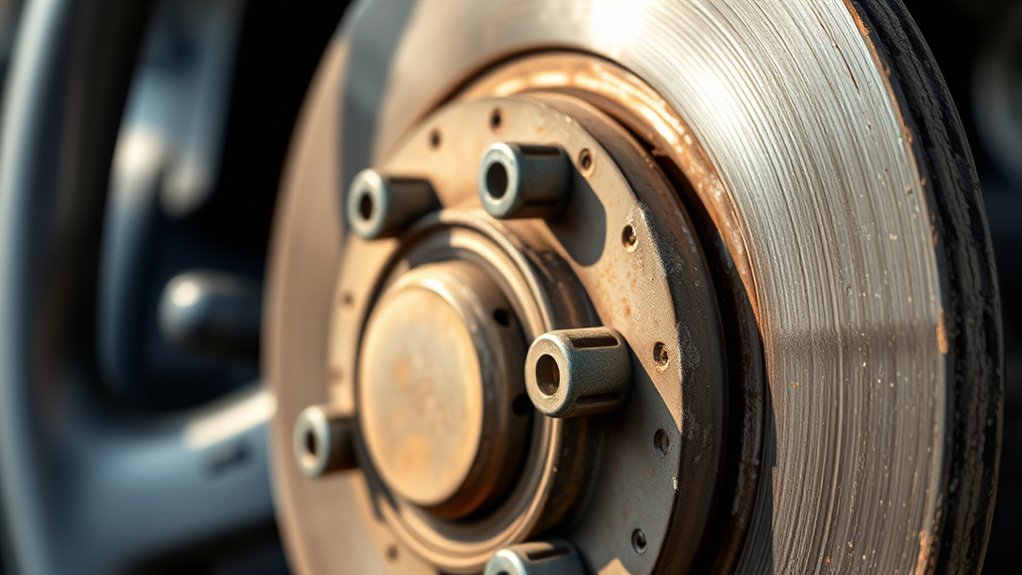
You’ll notice certain parts on your Honda Accord wear out faster than others, especially engine components like the timing belt and water pump. Suspension and steering parts also tend to degrade with mileage, affecting ride quality and handling.
Plus, regular brake system maintenance is essential, as pads and rotors experience significant wear over time.
Common Engine Component Failures
Why do certain engine components in Honda Accords wear out faster than others? It’s often due to their constant exposure to heat, friction, and pressure. For example, the timing belt or chain can degrade over time, risking engine damage if ignored.
Water pumps and alternators also tend to fail because they endure continuous mechanical stress. Spark plugs wear out from repeated combustion cycles, affecting performance.
You might find discussions about unrelated topics like infotainment systems or tires tempting, but those are off topic unrelated to engine wear. Focusing on key engine parts helps you maintain your Accord more effectively.
Knowing which components fail sooner lets you schedule timely replacements, extending your engine’s life and avoiding costly repairs.
Suspension and Steering Wear
How quickly do suspension and steering components wear out on a Honda Accord? Generally, these parts start showing wear between 80,000 and 100,000 miles, depending on driving conditions and maintenance.
You’ll notice issues like worn ball joints, tie rods, and control arm bushings causing loose handling or uneven tire wear. It’s important to focus on these wear points rather than veer into non relevant topics like unrelated engine failures or irrelevant discussion about bodywork.
Suspension and steering elements endure constant stress, so timely inspections and replacements keep your Accord safe and responsive. Avoid confusing this with brake system concerns, as that’s a separate maintenance area.
Staying on top of suspension and steering wear ensures your Accord lasts well beyond typical mileage expectations.
Brake System Maintenance Needs
Brake system components frequently wear out faster than many other parts on a Honda Accord, especially if you drive in stop-and-go traffic or hilly areas. You’ll find that brake pads and rotors require regular inspection and timely replacement to maintain optimal braking performance and safety.
Ignoring these needs leads to decreased stopping power and potential damage to more expensive parts. It’s an irrelevant topic to consider unrelated issues like engine performance when diagnosing brake problems; focus solely on brake-specific signs such as squealing noises or vibrations.
Also, brake fluid degrades over time, so you should flush and replace it according to the manufacturer’s schedule to prevent corrosion and ensure hydraulic efficiency. Staying on top of brake maintenance helps extend your Accord’s lifespan and keeps you safe on the road.
Regular Maintenance to Extend Accord Mileage
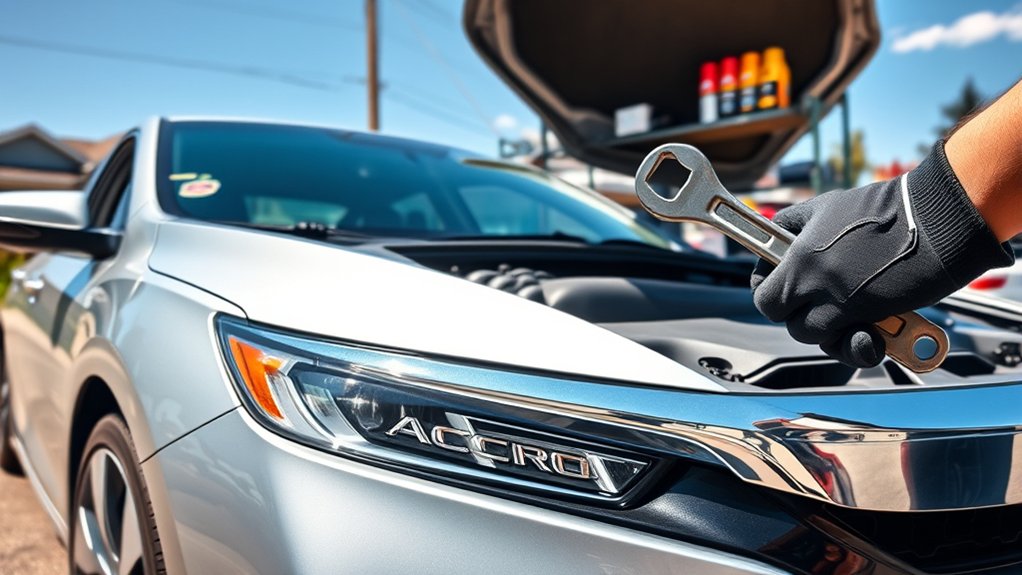
When should you schedule routine check-ups to keep your Honda Accord running efficiently? Regular maintenance is crucial for extending your Accord’s mileage. Unlike an unrelated topic like timing chains, focusing on oil changes, fluid levels, and filter replacements will prevent costly repairs.
| Maintenance Task | Recommended Interval | Purpose |
|---|---|---|
| Oil Change | Every 5,000-7,500 miles | Keeps engine lubricated |
| Tire Rotation | Every 7,500 miles | Ensures even tire wear |
| Brake Inspection | Every 10,000 miles | Maintains stopping power |
Sticking to this schedule helps you avoid premature wear and preserves your vehicle’s performance. Don’t overlook transmission fluid or coolant checks, as they’re just as vital. Consistency here maximizes your Accord’s lifespan.
Driving Habits That Prolong Honda Accord Life
Why do your daily driving habits profoundly impact your Honda Accord’s longevity? Because consistent, careful driving reduces wear on key components like the engine, transmission, and brakes. Avoiding harsh acceleration and abrupt stops minimizes stress on the drivetrain, extending its life.
Steering clear of irrelevant topics, such as debating unrelated concepts about car brands, helps you focus on practical actions like maintaining steady speeds and using engine braking when possible. Additionally, limiting short trips prevents excessive engine wear from constant cold starts.
You should also avoid overloading your vehicle, as extra weight strains suspension and tires. By adopting these mindful habits, you directly influence your Accord’s durability and performance, ensuring it reaches high mileage with fewer repairs or premature failures. Driving isn’t just about getting somewhere; it’s about preserving your car’s health.
How Climate and Roads Affect Accord Longevity
You’ll find that extreme temperatures can accelerate wear on your Honda Accord’s engine and battery, reducing its overall lifespan.
Harsh road conditions, like potholes and rough terrain, also cause suspension and tire damage over time.
Understanding how these factors affect your car helps you take steps to protect its longevity.
Impact of Extreme Temperatures
How do extreme temperatures influence the lifespan of your Honda Accord? Both hot and cold climates challenge your vehicle’s components, impacting durability and fuel economy.
High heat accelerates fluid evaporation and tire wear, while extreme cold thickens oil and stresses the battery. This stresses engine parts and reduces efficiency, potentially shortening your Accord’s life.
| Temperature Range | Impact on Vehicle |
|---|---|
| 90°F and above | Increased coolant loss, tire wear |
| Below 32°F | Thickened oil, battery strain |
| Moderate (50-70°F) | Optimal fuel economy, less strain |
Road Conditions and Wear
Where you drive your Honda Accord plays a pivotal role in determining its longevity. Roads filled with potholes and rough terrain accelerate wear on suspension components, tires, and the chassis. Conversely, smooth highways cause less mechanical stress, prolonging the vehicle’s life.
Climate factors, such as frequent rain or snow, introduce corrosion risks, especially if you don’t regularly wash away salt and grime. These considerations complement previously discussed topics like extreme temperatures but approach longevity from unrelated angles, focusing on physical wear rather than internal engine stress.
To maximize your Accord’s lifespan, pay close attention to your driving environment, adjusting maintenance routines accordingly. Understanding how road conditions and climate interact with your vehicle’s components helps you make informed decisions, ensuring your Accord remains reliable well past 200,000 miles.
How to Tell When Your Accord Needs Major Repairs
When should you start paying close attention to signs that your Honda Accord might need major repairs? Early detection can prevent costly damage, especially with issues like a broke transmission or declining fuel economy.
Watch for these key indicators:
- Unusual noises or vibrations: Grinding or clunking sounds may signal transmission problems.
- Warning lights: Persistent check engine or transmission lights shouldn’t be ignored.
- Decreased fuel economy: A sudden drop often points to engine or fuel system issues.
- Performance issues: Hesitation, stalling, or rough shifting indicate underlying mechanical faults.
If you notice any of these, schedule a professional inspection promptly. Addressing major repairs early helps extend your Accord’s lifespan and avoids expensive breakdowns.
Top Tips to Maximize Mileage on Older Accords
Recognizing early signs of major repairs on your Honda Accord gives you a chance to take proactive steps that can profoundly extend its mileage. To maximize longevity, maintain regular oil changes and monitor tire pressure, as both directly affect fuel economy.
Spotting early repair signs in your Honda Accord enables proactive care, boosting mileage and fuel economy.
You should also keep the engine tuned and replace air filters promptly to ensure optimal performance. If your Accord is a hybrid option, managing battery health and regenerative braking systems is crucial for preserving efficiency.
Avoid aggressive driving habits; smooth acceleration and braking reduce wear and improve mileage. Additionally, use manufacturer-recommended fluids and parts to maintain system integrity.
Staying on top of these maintenance tasks not only preserves your Accord’s reliability but also helps you get the most miles out of your vehicle while maintaining strong fuel economy.
When to Replace Your Honda Accord: Key Signs
How do you know if it’s time to replace your Honda Accord? While these cars are known for longevity, certain signs indicate replacement is necessary. Pay attention to:
1. Frequent Irreversible Failures
Repeated engine or transmission breakdowns suggest costly repairs won’t restore reliability.
2. Safety System Malfunctions
Airbags, ABS, or electronic stability control failures compromise safety.
3. Severe Cosmetic Damage
Extensive rust, frame damage, or deterioration can affect structural integrity and resale value.
4. Declining Fuel Efficiency and Performance
Noticeable drops in mileage or power may signal underlying issues beyond repair.
If you observe these signs, continuing to invest in your Accord might not be practical. Assess costs carefully and consider replacement to ensure safety and dependability.
Frequently Asked Questions
What Are Common Honda Accord Engine Problems?
You’ll often face engine oil leaks and timing belt wear in a Honda Accord. Regularly checking oil levels and replacing timing belts on schedule helps you avoid costly engine damage and keeps your car running smoothly.
How Does the Honda Accord Resale Value Hold Up?
Like a classic novel that never loses its charm, your Honda Accord’s resale durability stands strong, consistently meeting reliability benchmarks.
You’ll find its value holds up well, reflecting dependability and sustained market appeal over time.
What Fuel Type Is Best for a Honda Accord?
You’ll want to use regular unleaded gasoline for the best fuel economy and lower maintenance costs. Avoid premium fuel to reduce overheating risk.
Maintain your cabin air filters regularly to ensure optimal cabin air quality and performance.
Are Hybrid Honda Accords More Reliable?
You’ll find hybrid reliability in Honda Accords generally strong, but you’ll need to stay on top of specific maintenance considerations like battery health and regenerative braking systems. This will help keep your hybrid running smoothly and efficiently over time.
How Much Does Insurance Cost for a Honda Accord?
You’ll find Honda insurance cost estimates vary by location, driving history, and coverage. On average, how insurance costs for a Honda Accord range from $1,200 to $1,500 annually.
Getting personalized quotes ensures accuracy.
Conclusion
You can easily get 200,000 miles or more from your Honda Accord if you stay on top of regular maintenance like oil changes and tire rotations. Paying attention to driving habits and understanding how climate affects your car will help you avoid costly repairs down the road.
So, why settle for less when your Accord is built to last? With care and attention, your car can serve you reliably for many years to come.
In conclusion, knowing how many miles a Honda Accord can last will motivate you to keep it in top shape for the long haul.