You might expect a midsize SUV like the Honda Pilot to struggle with reliability, but it often defies that assumption. Known for its durable engine and practical design, the Pilot stands out in its class for dependability.
However, it still faces some concerns, especially with early transmission models. Understanding how these factors balance out can help you decide if the Pilot matches your expectations for dependable performance and long-term value.
Key Takeaways
- Honda Pilots are known for durable engines that often exceed 200,000 miles with proper maintenance.
- Transmission performance is generally smooth, though some early models report occasional slipping or hesitation.
- Interior materials are durable and family-friendly, contributing to overall long-term reliability.
- Routine maintenance costs are reasonable, supporting strong resale value and longevity beyond 250,000 miles.
- Safety features rely on electronics that require proper upkeep, with recalls and warranty coverage enhancing reliability.
What Makes the Honda Pilot a Popular Midsize SUV?

What draws many buyers to the Honda Pilot is its well-rounded combination of space, comfort, and performance. When you step inside, you’ll notice the thoughtfully crafted interior design, which prioritizes both functionality and style.
The cabin offers ample legroom and versatile seating configurations, making it ideal for families or groups. You’ll appreciate the quality materials and intuitive layout that enhance your driving experience.
In terms of fuel efficiency, the Pilot strikes a balance that suits a midsize SUV, delivering respectable mileage for its class without compromising power. This efficiency helps reduce running costs and environmental impact, appealing to practical drivers.
How Reliable Are the Honda Pilot’s Engine and Transmission?
You’ll find that the Honda Pilot’s engine is known for its durability, often lasting well beyond 200,000 miles with proper maintenance. The transmission generally performs smoothly, though some owners report occasional issues in older models.
Understanding these aspects can help you gauge the overall reliability of the Pilot’s powertrain.
Engine Durability Over Time
How well does the Honda Pilot’s engine hold up over time? The Pilot’s engine phenom reputation stems from its robust V6 design, known for consistent performance and longevity. Many owners report minimal issues even after 150,000 miles, provided regular maintenance is followed.
While earlier models used naturally aspirated engines, recent Pilots incorporate turbocharged options, which can introduce slight turbo lag but offer improved fuel efficiency and power balance. The engine’s durability is supported by Honda’s engineering focus on quality materials and precise manufacturing.
You’ll find that with proper oil changes and timely repairs, the Pilot’s engine rarely suffers from premature wear or major failures, making it a reliable choice for long-term ownership.
Transmission Performance Insights
Beyond the engine’s proven durability, the Honda Pilot’s transmission plays a significant role in its overall reliability. You’ll find the automatic transmission generally smooth, with minimal reported failures.
Addressing common maintenance myths, regular fluid changes aren’t always necessary unless specified by Honda. This helps avoid unnecessary service costs.
Fuel economy debates often point to the transmission’s efficiency in managing power delivery, contributing to consistent mileage figures.
| Aspect | Details |
|---|---|
| Transmission Type | 6-speed automatic (older models), 9-speed automatic (newer models) |
| Common Issues | Rare slipping, occasional hesitation |
| Maintenance Tips | Follow manufacturer fluid change intervals |
| Impact on Fuel Economy | Efficient gear shifts improve mileage |
What Common Honda Pilot Reliability Problems Do Owners Report?
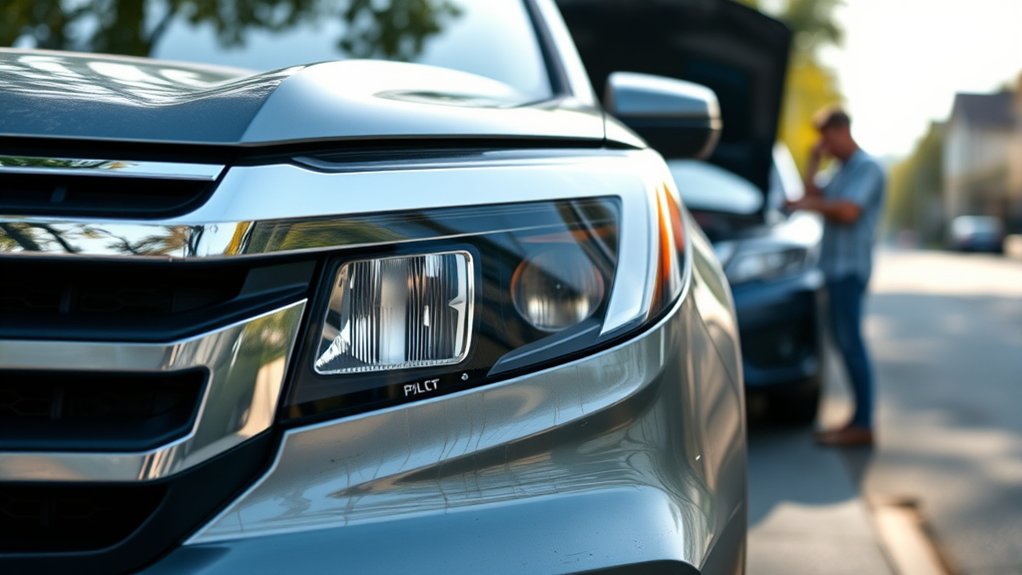
You might encounter some common reliability problems with the Honda Pilot, including engine and transmission issues that can affect performance. Electrical system malfunctions are also reported, potentially impacting various vehicle functions.
Additionally, suspension and brake concerns have been noted by several owners, which could influence ride comfort and safety.
Engine And Transmission Issues
Engine and transmission issues rank among the most commonly reported reliability problems by Honda Pilot owners. You might notice symptoms related to engine wear or oil leakage, which can affect performance and longevity.
Transmission troubles also emerge, sometimes causing shifting delays or rough transitions. Common concerns include:
- Premature engine wear leading to decreased power
- Oil leakage from gaskets or seals
- Transmission slipping or delayed engagement
- Overheating in transmission components
- Unusual noises during gear shifts
Addressing these problems early can prevent costly repairs. Regular maintenance, such as timely oil changes and transmission fluid checks, helps reduce risks.
While many Pilots perform reliably, being aware of these engine and transmission issues gives you a better chance at avoiding unexpected breakdowns and maintaining your vehicle’s smooth operation.
Electrical System Problems
Issues with the electrical system also rank among the common complaints from Honda Pilot owners. Many report electrical gremlins, such as intermittent power failures, malfunctioning dashboard lights, and issues with infotainment systems.
These problems often stem from faulty wiring harnesses that can degrade or develop poor connections over time. When wiring harnesses fail, you might notice flickering lights, erratic sensor readings, or warning lights appearing unexpectedly.
Addressing these issues promptly is crucial, as they can affect vehicle safety and functionality. While not all Pilots experience these problems, being aware of potential electrical system weaknesses helps you stay proactive.
Regular inspections and timely repairs of the wiring harnesses can reduce the likelihood of electrical gremlins disrupting your driving experience.
Suspension And Brakes Concerns
How well do the suspension and brakes hold up in a Honda Pilot over time? Owners report some concerns that might affect your experience. While suspension components generally remain durable, issues do arise and should be monitored closely, especially with older models.
Brakes tend to perform reliably but wear faster under heavy use. Keep an eye on:
- Premature brake pad and rotor wear
- Noises or vibrations from suspension joints
- Uneven tire wear indicating alignment or suspension problems
- Safety recalls related to brake or suspension components
Paint longevity doesn’t directly affect these systems but may hint at overall maintenance quality.
Addressing these concerns early helps maintain safety and performance. Staying informed about safety recalls ensures your Pilot’s suspension and brakes function properly, keeping you safe on the road.
How Long Do Honda Pilots Typically Last on the Road?

Wondering about the typical lifespan of a Honda Pilot? You can expect these SUVs to last well over 200,000 miles with proper care, thanks to Honda’s reputation for durability. Many owners report their Pilots running smoothly beyond 250,000 miles, especially when routine maintenance is followed.
This longevity contributes to the vehicle’s strong resale value, as buyers value reliable used SUVs that maintain decent fuel economy for their class. While fuel economy isn’t the best among midsize SUVs, the Pilot balances performance and efficiency adequately, which helps keep running costs manageable over time.
If you maintain your Honda Pilot attentively, it’ll likely serve you reliably for a decade or more on the road, making it a sensible long-term investment.
What Are Honda Pilot Maintenance Costs?
You’ll want to budget for regular oil changes, tire rotations, and brake inspections to keep your Honda Pilot running smoothly.
Common repairs like brake pad replacements and battery changes can add to your maintenance expenses over time. Planning for these routine and unexpected costs helps you manage the long-term upkeep of your vehicle effectively.
Routine Service Expenses
Routine service expenses for the Honda Pilot vary depending on factors like mileage, model year, and local labor rates. You’ll find that keeping your Pilot running smoothly involves regular maintenance tasks designed to preserve its fuel economy and interior quality.
Here’s what you can expect:
- Oil and filter changes every 5,000-7,500 miles
- Tire rotations and balancing to extend tire life
- Brake inspections and pad replacements as needed
- Air filter replacement for optimal engine performance
- Cabin filter changes to maintain interior air quality
Routine maintenance costs typically remain moderate compared to other midsize SUVs, reflecting Honda’s emphasis on reliability and long-term value. By adhering to the recommended schedule, you help maintain your Pilot’s comfort and efficiency, ensuring it remains a dependable vehicle.
Common Repair Costs
How much should you expect to spend on repairs for a Honda Pilot? While the Pilot is known for its reliability, certain repairs can arise, especially as mileage increases. Repair costs vary depending on the issue but generally remain reasonable compared to other midsize SUVs.
Despite its excellent gas mileage and spacious cargo space, maintaining these features might lead to specific repairs. Here’s a breakdown of common repair costs:
| Repair Type | Average Cost (USD) | Frequency |
|---|---|---|
| Brake Pad Replacement | $150 – $300 | Every 30,000-50,000 miles |
| Transmission Repair | $1,200 – $3,400 | Rare |
| Suspension Repair | $500 – $1,000 | Occasional |
| Fuel Pump Replacement | $400 – $700 | Occasional |
| Air Conditioning Repair | $300 – $1,000 | Occasional |
These costs reflect how you can keep your Pilot running efficiently without compromising on cargo space or gas mileage.
Long-Term Maintenance Budget
Knowing the common repair costs for a Honda Pilot helps you anticipate expenses, but planning a long-term maintenance budget assures you’re prepared for ongoing care. To keep your Pilot running smoothly, consider these key maintenance aspects:
- Regular oil changes and fluid checks
- Timing belt and drivetrain upgrades at recommended intervals
- Brake pad and rotor replacements
- Tire rotations and wheel alignments
- Aftersales service costs, including diagnostics and software updates
Drivetrain upgrades can be a significant expense but are crucial for long-term reliability. Aftersales service from certified Honda technicians ensures parts compatibility and preserves vehicle warranty.
Do Safety Features Affect Honda Pilot Reliability?
Why do safety features matter when considering Honda Pilot reliability? They play an essential role in your overall ownership experience and vehicle longevity. Advanced safety systems, like collision mitigation and lane-keeping assist, rely on sensors and electronics that must function reliably over time.
If these components fail, it can affect your Pilot’s dependability and safety. You should also be aware of disclosure requirements, as manufacturers must transparently report any safety recalls or issues that impact reliability.
Additionally, understanding warranty coverage is essential since many safety features are covered for specific periods, helping you avoid costly repairs. In sum, well-maintained safety features contribute positively to the Honda Pilot’s reliability, but you must stay informed about their condition and the protections your warranty offers.
What Do Owners Say About Honda Pilot Reliability?
What insights do Honda Pilot owners provide about their vehicle’s reliability? Owners generally report positive experiences but also note some areas to watch. Their feedback helps you understand real-world performance without irrelevant topic distractions or off topic discussion.
Common owner observations include:
- Consistent engine performance with minimal issues
- Occasional transmission concerns in earlier models
- Durable interior materials that withstand family use
- Reliable all-wheel-drive functionality in various conditions
- Routine maintenance costs that remain reasonable
These points reflect owner experiences without veering into irrelevant topic territory, keeping the focus squarely on reliability. By considering this firsthand input, you get a clearer picture of how the Honda Pilot holds up over time, helping you make an informed decision about its dependability.
How Does the Honda Pilot Compare to Other Reliable SUVs?
How does the Honda Pilot stack up against other reliable SUVs on the market? When comparing reliability, you’ll find the Pilot holds its own well, especially in terms of maintenance costs and owner satisfaction.
To give you a clearer picture, here’s a comparison of key factors among popular reliable SUVs:
| SUV Model | Reliability Rating (out of 5) | Average Annual Maintenance Cost ($) |
|---|---|---|
| Honda Pilot | 4.5 | 450 |
| Toyota Highlander | 4.7 | 470 |
| Subaru Ascent | 4.3 | 500 |
| Ford Explorer | 3.9 | 520 |
| Mazda CX-9 | 4.4 | 480 |
This table offers two word discussion ideas like “maintenance costs” and “owner satisfaction,” steering clear of unrelated topics that don’t impact reliability.
What to Look For When Buying a Used Honda Pilot?
Now that you understand how the Honda Pilot compares to other reliable SUVs, it’s important to know what to examine when shopping for a used model. Focus on these key areas to ensure you make a smart purchase:
- Maintenance Records: Verify regular servicing and any repairs, especially related to engine and transmission.
- Alternative Fuel Compatibility: Check if the model supports or has modifications for alternative fuel, which can affect long-term costs.
- Interior Design Condition: Inspect upholstery, electronics, and overall wear to evaluate comfort and usability.
- Mileage & Usage: Lower mileage is preferable, but also consider how the vehicle was driven (highway vs. city).
- Test Drive & Inspection: Listen for unusual noises and ensure all systems function smoothly.
How to Keep Your Honda Pilot Running Smoothly?
Maintaining your Honda Pilot’s performance and reliability requires regular attention to key components and routine care. You should avoid distractions like irrelevant topic or unrelated discussion when focusing on maintenance tasks.
Prioritize oil changes, tire rotations, and brake inspections to keep your vehicle running smoothly. Staying proactive helps prevent costly repairs and extends your Pilot’s lifespan.
| Maintenance Task | Recommended Interval |
|---|---|
| Oil Change | Every 5,000-7,500 miles |
| Tire Rotation | Every 7,500 miles |
| Brake Inspection | Every 10,000 miles or yearly |
Frequently Asked Questions
What Is the Fuel Economy of the Honda Pilot?
You’ll get about 20-22 mpg combined in a Honda Pilot, debunking fuel economy myths that expect luxury-level efficiency.
Does the Honda Pilot Have Advanced Infotainment Features?
Just like a Victorian telegram, the Honda Pilot’s advanced infotainment system keeps you connected with Apple CarPlay, Android Auto, and a touchscreen.
Feature pricing varies by trim, so check carefully before you buy.
How Spacious Is the Honda Pilot’s Interior?
You’ll find the Honda Pilot’s interior spacious, offering comfortable seats for up to eight passengers. Its cargo versatility shines with easily foldable rear seats, providing ample room for luggage or gear, perfect for family trips or hauling needs.
What Are the Towing Capabilities of the Honda Pilot?
You’ll harness the Honda Pilot’s towing performance like a trusty steed, with engine options delivering up to 5,000 pounds. Its robust V6 engine ensures confident hauling, making it perfect for trailers, boats, or campers with ease.
Are There Hybrid or Electric Versions of the Honda Pilot?
Honda doesn’t offer hybrid options or electric variants for the Pilot yet. You’ll find only gasoline-powered models now, but Honda plans to expand its electrified lineup in the future.
Stay tuned for updates.
Conclusion
When you slide behind the wheel of a Honda Pilot, you’re stepping into a reliable partner built to handle family adventures and daily drives alike. Picture smooth highway miles and weekend getaways, backed by a durable engine and thoughtful maintenance. While no vehicle is perfect, the Pilot’s proven longevity and manageable upkeep make it a smart choice.
With regular care, you’ll enjoy dependable performance and peace of mind for years to come. Overall, the Honda Pilot is widely regarded as a reliable SUV that meets the needs of many drivers.