You might not realize that the earliest Honda CR-V models from 1997 to 2001 often show significant rust and wear issues today, making them less reliable than later versions. If you are wondering what year Honda CR-V should I avoid, these early models are a key consideration.
Additionally, some early 2010s CR-Vs have known transmission and oil consumption problems that can lead to costly repairs. Understanding which model years carry these risks can save you from unexpected headaches.
Pinpointing the safest choices requires a closer look at the vehicle’s history and generational improvements. This approach will help you make a more informed decision when selecting a Honda CR-V.
Key Takeaways
- Avoid early 2000s CR-Vs due to significant rust problems in harsh winter regions.
- Early 2010s models may have transmission issues causing rough shifts or failure.
- Skip first-generation CR-Vs because of outdated technology and common wear problems.
- Watch for specific years with premature engine oil consumption and faulty air conditioning.
- Check recall completion status to avoid unresolved safety or mechanical issues.
Which Used Honda CR-V Years Should You Avoid?
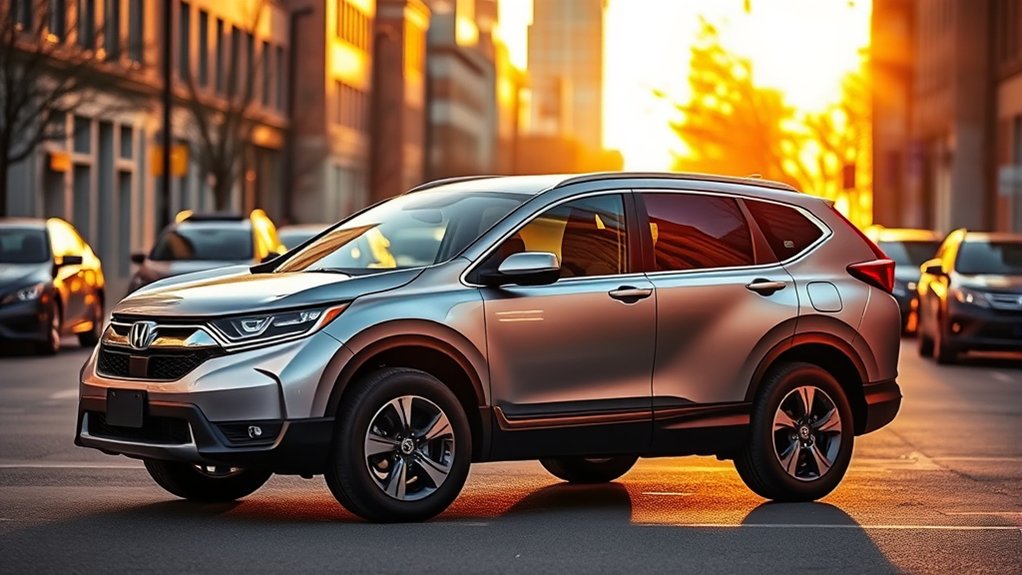
When evaluating which used Honda CR-V years to avoid, you need to contemplate reliability reports, common mechanical issues, and owner feedback. Certain model years, such as early 2000s versions, show increased rust problems, especially in regions with harsh winters, making avoiding rust a key factor in your decision.
Additionally, some model years demonstrate less favorable fuel economy due to older engine technology and less efficient transmissions. Later generations typically offer improved fuel economy, reflecting advancements in engine design and weight reduction.
Consequently, when selecting a used CR-V, you should prioritize years with strong reliability ratings and documented success in avoiding rust. Balancing these factors ensures you pick a vehicle that maintains value and performs efficiently, sparing you from costly repairs and excessive fuel expenses in the long run.
Common Problems in Troubled CR-V Model Years
Identifying which used Honda CR-V years to avoid often leads to uncovering specific mechanical and design issues that plagued certain models. When you’re considering a CR-V with high mileage, it’s crucial to be aware of these common problems to avoid costly repairs.
Bad transmission issues, especially in early 2010s models, causing rough shifts or failure
Premature engine oil consumption, leading to potential engine damage
Faulty air conditioning systems with inconsistent cooling
Excessive brake wear requiring more frequent replacements
Electrical system glitches affecting dashboard lights and sensors
What CR-V Recalls Mean for Your Used Car Choice
How do recalls impact your decision when buying a used Honda CR-V? Recalls indicate potential safety or performance issues manufacturers have identified post-sale. When considering your used car choice, understanding CR-V recall implications helps you evaluate risks and necessary repairs.
A recalled CR-V that hasn’t undergone the recommended fixes may expose you to unresolved mechanical or safety problems, decreasing reliability and increasing repair costs. Before purchasing, check if the vehicle’s recall repairs were completed through official records or the National Highway Traffic Safety Administration database.
While recalls don’t automatically mean a model year is flawed, they highlight areas needing scrutiny. Factoring in recall history ensures you make an informed decision, balancing price, safety, and long-term dependability in your used CR-V purchase.
Which Honda CR-V Generations Are Most Reliable?
Which Honda CR-V generations have earned reputations for reliability? When evaluating reliability benchmarks, you’ll find certain model years consistently outperform others. The second generation (2002-2006) and fourth generation (2012-2016) stand out due to solid build quality and fewer reported issues.
These generations benefit from well-documented maintenance schedules that help keep repair costs manageable. Here’s a quick overview:
- 2002-2006 (Second Gen): Durable engines, minimal major repairs
- 2012-2016 (Fourth Gen): Improved electronics, strong reliability scores
- 2007-2011 (Third Gen): Generally reliable but occasional transmission concerns
- 2017-2022 (Fifth Gen): Modern features, some early reliability data pending
Avoid early first generation models due to outdated tech and wear issues.
Focusing on these generations can guide you toward a dependable CR-V.
How to Buy a Used Honda CR-V Without Headaches
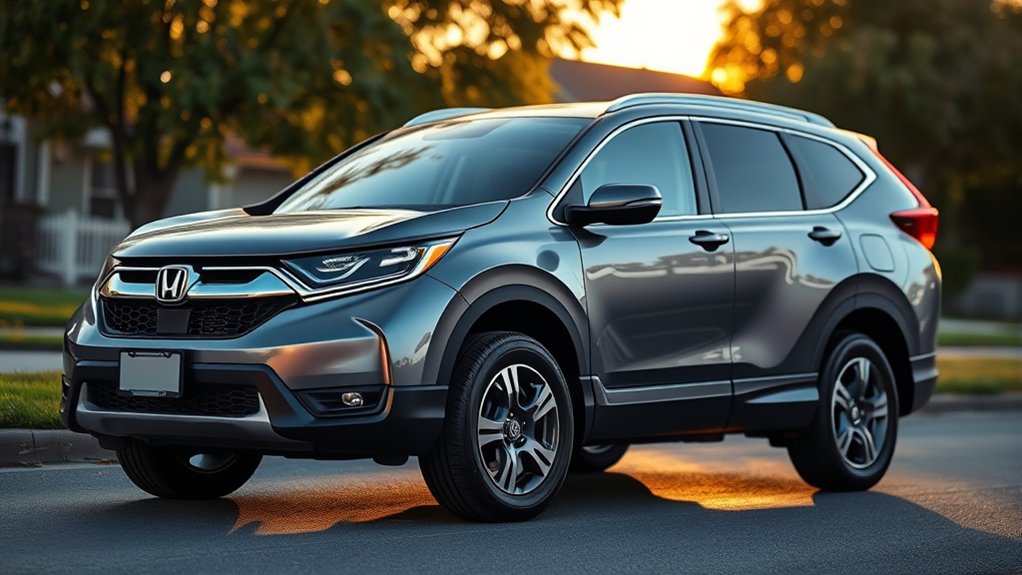
Choosing the right model year lays the groundwork, but getting a used Honda CR-V without unexpected problems requires careful steps during the buying process. Start by researching avoidance strategies, such as checking for recalls and common issues associated with specific model years.
Request a comprehensive vehicle history report to identify past accidents or service gaps. Inspect the CR-V thoroughly or hire a trusted mechanic to spot potential mechanical or cosmetic problems that could inflate maintenance costs.
Pay attention to signs of wear on key components like the transmission and suspension. Verify that routine maintenance was consistently performed, as neglect can lead to costly repairs.
Frequently Asked Questions
What Is the Fuel Economy of Different Honda CR-V Model Years?
You’ll find the fuel economy of Honda CR-Vs varies by model year, typically ranging from 22-28 MPG. Newer models improve efficiency but might increase maintenance costs, so weigh fuel savings against upkeep when choosing your CR-V.
How Does the Honda CR-V Compare to Other Compact SUVS?
You’ll find the Honda CR-V offers strong fuel efficiency, roomy interior, and reliability compared to other compact SUVs. Avoid irrelevant topics in discussion ideas to focus on its balanced performance, safety features, and competitive pricing.
What Are the Best Trim Levels for Honda CR-V Reliability?
Think of choosing a Cr-V trim like picking a sturdy anchor; EX and EX-L trims offer the best safety features and long-term resale value. They combine reliability with advanced tech, ensuring you stay secure and hold value over time.
Are There Any Common Interior Issues in Older CR-VS?
You’ll notice potential interior squeaks developing over time in older CR-Vs, especially around door panels and dashboard areas.
Plus, aging infotainment systems may lag or lose connectivity, impacting user experience and requiring occasional troubleshooting or updates.
How Much Does Honda CR-V Maintenance Typically Cost Annually?
If you budget around $400 to $600 annually, like Jane did, you’ll cover typical Honda CR-V maintenance.
Don’t buy into reliability myths; regular oil changes, brakes, and tire rotations keep costs predictable for smart maintenance budgeting.
Conclusion
When choosing a used Honda CR-V, why risk costly repairs by ignoring model year reliability and rust history? Avoid early first-generation models (1997–2001) due to corrosion and wear. These years are notorious for rust issues that can lead to expensive fixes.
Be cautious with early 2010s versions as well, which are known for transmission and oil problems. These issues can significantly impact the vehicle’s performance and longevity.
Instead, focus on well-reviewed second through fifth generations. Make sure that recalls are addressed and maintenance records are solid.
Being thorough in your research helps you avoid headaches and secure a dependable vehicle. To sum up, knowing what year Honda CR-V to avoid is key to making a smart purchase.