You might hear that Honda Civics are reliable and never break down, but that’s an oversimplification. Their reliability depends on several factors, including how well they’ve been maintained and which model year you’re considering.
While they’re generally built to last, some issues do arise over time. Understanding these nuances can help you decide if a Civic truly fits your expectations for a dependable vehicle.
Key Takeaways
- Honda Civics are generally reliable, but actual dependability varies by maintenance, driving habits, and specific model years.
- Engine durability is a standout feature, supported by high-quality materials and precise manufacturing.
- Consistent maintenance and timely service significantly enhance Civic longevity and reduce breakdown risks.
- Some model years have known issues like timing belt wear and power window regulator problems, but these are not universal.
- Newer Civic models may face initial tech-related reliability challenges, while older generations emphasize mechanical simplicity and durability.
Are Honda Civics Really Reliable?
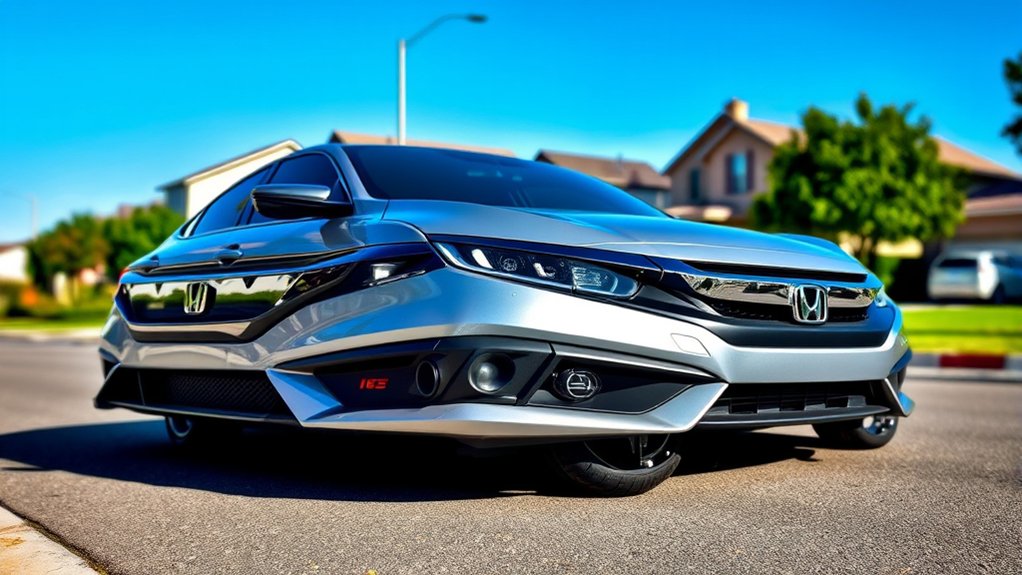
How reliable are Honda Civics, really? When you look into reliability myths surrounding these cars, you’ll find some claims are overstated. While many owners report consistent performance, no vehicle is entirely immune to issues over time.
Some suggest that long term warranties guarantee trouble-free ownership, but warranties primarily cover repairs rather than prevent them. It’s important to analyze data objectively rather than rely on anecdotal evidence.
You should consider maintenance history, driving habits, and model year changes to form a realistic expectation. Understanding the distinction between perceived and actual reliability helps you make informed decisions.
Why Honda Civics Are Known for Reliability
You’ll find Honda Civics stand out because of their engine durability, which often exceeds expectations for their class. Regular maintenance records show that owners keep up with necessary care, helping these cars run smoothly for years.
Understanding these factors can clarify why Civics have earned a reputation for reliability.
Engine Durability
What sets Honda Civics apart regarding reliability is their engine durability. You’ll find that the engines are engineered to minimize engine wear, contributing to longer lifespans even under regular driving conditions.
This robustness comes from precise manufacturing tolerances and the use of high-quality materials that withstand heat and friction effectively. Additionally, maintaining proper oil quality plays a critical role in preserving engine integrity.
Using the recommended oil type and changing it at appropriate intervals ensures the engine’s internal components remain lubricated, reducing friction and preventing premature wear. Overall, the combination of solid engineering and attention to oil quality means you can expect a Honda Civic engine to perform consistently well, providing dependable service over many miles without frequent mechanical issues.
Consistent Maintenance Records
Why do Honda Civics maintain such a strong reputation for reliability? One key reason is their consistent maintenance records. When you keep up with scheduled services, your Civic performs at its best and avoids common issues caused by inconsistent maintenance or overlooked service.
Neglecting routine care can lead to premature wear, but Civics with well-documented service histories tend to last longer and require fewer repairs.
| Maintenance Task | Recommended Interval |
|---|---|
| Oil Change | Every 5,000 miles |
| Tire Rotation | Every 7,500 miles |
| Brake Inspection | Every 10,000 miles |
| Transmission Fluid | Every 30,000 miles |
| Timing Belt Replacement | Every 60,000 miles |
Sticking to this schedule helps prevent overlooked service and supports your Civic’s dependable performance over time.
Common Reliability Issues in Honda Civics

How do Honda Civics hold up over time when it comes to common issues? While generally reliable, some recurring problems do appear. You may encounter timing belt wear, especially if replacement intervals are neglected, which can lead to severe engine damage.
Cabin air filters can also clog over time, reducing air quality and HVAC efficiency. This is something you’ll want to monitor regularly. Additionally, certain model years have reported issues with power window regulators and minor transmission concerns.
These problems don’t affect every Civic, but being aware helps you anticipate potential repairs. Understanding these common issues allows you to address them promptly, ensuring your Civic remains dependable without unexpected downtime or costly fixes.
How Maintenance Affects Honda Civic Longevity
Although Honda Civics are known for their durability, regular maintenance plays a vital role in extending their lifespan. You need to follow a consistent maintenance scheduling to mitigate the high mileage impact on key components like the engine, transmission, and suspension.
Ignoring scheduled oil changes, fluid replacements, and inspections accelerates wear and can lead to costly repairs. Proactive maintenance helps detect issues early, preserving performance and reliability.
By adhering to Honda’s recommended service intervals, you minimize the risk of breakdowns and maintain fuel efficiency. Proper upkeep is essential not only for longevity but also for safety.
Ultimately, your commitment to maintenance scheduling directly influences how long your Civic remains dependable and efficient, especially as it accumulates mileage over time.
Reliability Differences Across Honda Civic Model Years
When comparing Honda Civic model years, you’ll notice clear differences in reliability that stem from design updates, manufacturing changes, and technological advancements. These reliability differences highlight how certain model year impacts affect overall vehicle performance and durability.
For example, earlier generations are often praised for mechanical simplicity, which tends to support long-term reliability. Conversely, newer models introduce advanced technology and features that can sometimes lead to initial reliability challenges.
Additionally, mid-cycle refreshes often address known issues, improving reliability in subsequent years. Understanding these model year impacts helps you make an informed decision about which Civic fits your reliability expectations.
Ultimately, analyzing these differences allows you to balance innovation with proven dependability when choosing a specific Honda Civic year.
What Owners Say About Honda Civic Reliability
Many Honda Civic owners report high satisfaction with their vehicle’s reliability, often citing consistent performance and minimal maintenance issues. When you explore Civic ownership forums and reviews, you’ll notice a general consensus that these cars offer dependable daily transportation.
However, reliability perceptions can vary based on model year and driving habits. Some owners highlight occasional concerns like transmission quirks or electronics glitches, but these don’t seem widespread enough to overshadow overall positive experiences.
If you’re considering a Civic, it helps to weigh these owner insights alongside professional assessments. Understanding what real users say about Civic ownership gives you a clearer picture of its reliability, helping you make an informed choice without reliance on marketing claims alone.
Is the Honda Civic the Reliable Car You Need?
How well does the Honda Civic meet your need for a reliable car? It balances driving dynamics with durability, making it a practical choice. The Civic’s consistent performance, combined with high resale value, often appeals to buyers seeking long-term reliability and cost efficiency.
| Aspect | Strengths | Considerations |
|---|---|---|
| Driving Dynamics | Responsive handling | Not sporty like some rivals |
| Reliability | Proven engine longevity | Routine maintenance needed |
| Resale Value | Retains value well | Slight depreciation over time |
If you prioritize dependable daily transport with decent driving dynamics and strong resale value, the Civic fits well. However, if you want sportier performance or ultra-low maintenance, you may want to compare other options.
Frequently Asked Questions
What Are the Fuel Efficiency Ratings for Different Honda Civic Models?
You’ll find Honda Civic fuel economy varies by model: the base engine offers around 30 MPG city, 38 MPG highway. Turbocharged versions balance better engine performance with slightly lower economy, typically near 28 MPG city, 36 MPG highway.
How Does the Honda Civic Perform in Crash Safety Tests?
You’ll feel like a superhero in a crash test dummy suit. Honda Civic aces crash safety with top scores. Battery reliability’s solid too, so you won’t just survive crashes; you’ll keep driving afterward without surprises.
What Are the Best Aftermarket Upgrades for a Honda Civic?
You should prioritize aftermarket cooling and suspension tuning for your Honda Civic. Upgrading these enhances performance and handling, keeps temperatures optimal, and improves ride quality without compromising reliability or safety, making your driving experience smoother and safer.
How Does the Honda Civic Compare to Competitors in Terms of Technology?
You’ll find the Honda Civic offers competitive technology, including improved interior soundproofing and convenient wireless charging. It matches or surpasses rivals by enhancing comfort and connectivity during your drives without sacrificing affordability or reliability.
What Is the Resale Value Trend for Used Honda Civics?
You’ll find Honda Civics maintain a pleasantly steady resale value, thanks to strong reliability trends. Their consistent performance guarantees they hold worth better than many peers, making them a smart choice if resale matters to you.
Conclusion
When you choose a Honda Civic, you’re steering into a well-built engine of reliability, but it’s no magic carpet—regular maintenance fuels its longevity. Like a trusted companion, its dependability shines brightest when cared for, with model years shaping its strengths and quirks.
While no car is flawless, the Civic’s blend of durability and thoughtful updates makes it a solid choice. Ultimately, your care writes the road map to its enduring performance.
In conclusion, Honda Civics are reliable vehicles, especially when properly maintained and chosen with attention to the specific model year.