You might be surprised how much versatility the Honda Fit offers in such a compact package, especially with its innovative Magic Seat feature that adapts to your cargo needs without increasing its footprint.
The Honda Fit is known for maximizing interior space, making it a standout choice in the subcompact car segment.
Beyond space, its 1.5-liter engine paired with a CVT delivers commendable fuel efficiency and reliability.
But there’s more to consider, from interior comfort to long-term value, which could influence whether the Fit truly fits your practical needs.
Key Takeaways
- The Honda Fit offers versatile cargo space with its Magic Seat system, maximizing storage without increasing vehicle size.
- It features a reliable 1.5-liter engine and CVT, with low maintenance costs and widely available parts.
- Fuel efficiency is strong, delivering up to 36 mpg highway, ideal for city driving but less powerful on highways.
- The interior is spacious and comfortable, equipped with a touchscreen, Bluetooth, and multiple USB ports.
- Affordable pricing combined with high resale value and moderate depreciation makes the Fit a great value.
Why the Honda Fit Stands Out Among Compact Cars
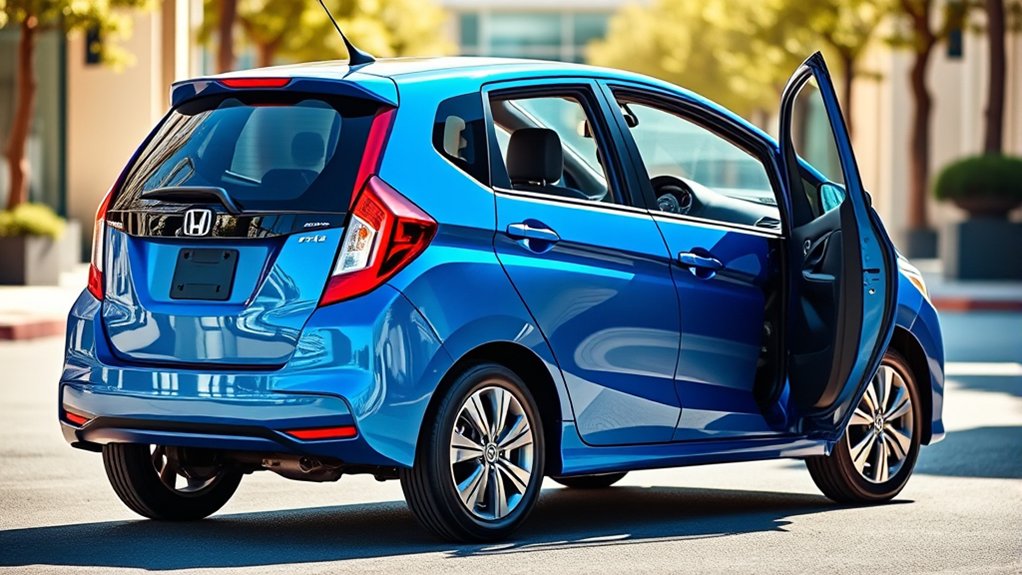
What makes the Honda Fit stand out among compact cars is its exceptional use of space and versatile design. You’ll appreciate how the “Magic Seat” system maximizes cargo configurations, allowing for flat-folding rear seats and increased storage volume without enlarging the vehicle footprint. This engineering efficiency supports practical urban and suburban use.
Honda applies inverted pricing strategies, offering competitive base prices while equipping higher trims with advanced features, giving you tailored options without overspending. Additionally, the Fit’s maintenance costs remain low due to reliable components and widespread parts availability, which reduces long-term ownership expenses.
Its compact engine design and simplified mechanical layout further streamline servicing. Overall, the Fit’s technical design and cost structure make it a pragmatic choice in the crowded compact segment.
How Reliable and Fuel-Efficient Is the Honda Fit?
How does the Honda Fit maintain its reputation for reliability while delivering impressive fuel efficiency? The Fit’s engineering focuses on durability, employing a proven 1.5-liter inline-4 engine paired with a continuously variable transmission (CVT) that optimizes power delivery and minimizes fuel consumption.
This combination yields an EPA-estimated fuel economy of up to 36 mpg highway, making it one of the most efficient subcompact cars. Reliability concerns are minimal, with common issues limited to routine maintenance rather than mechanical failures.
The Fit’s robust design, including high-quality components and a straightforward drivetrain, reduces the likelihood of costly repairs. Overall, you can expect consistent performance and excellent fuel economy, making the Honda Fit a practical choice if reliability and efficiency top your priorities.
What Interior Space and Features Does the Honda Fit Offer?
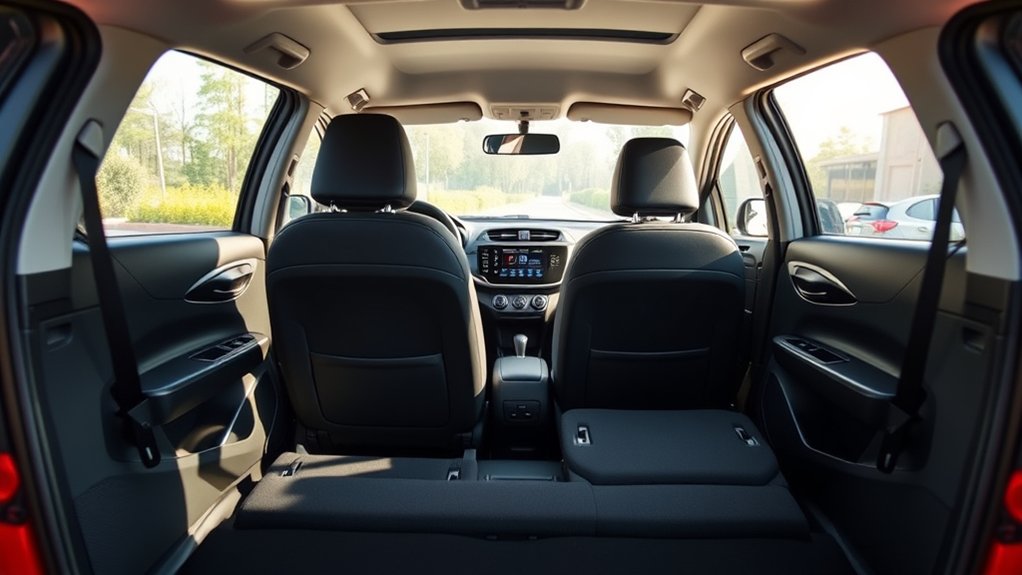
Beyond its commendable reliability and fuel efficiency, the Honda Fit impresses with its clever use of interior space and thoughtfully designed features. You’ll find a surprisingly spacious cabin that maximizes interior comfort for both driver and passengers, thanks to well-contoured seats and ample legroom in front and rear.
The Fit’s Magic Seat system enhances cargo versatility by enabling multiple configurations: you can fold down the rear seats flat or flip up the seat bottoms to create more vertical space. This flexibility allows you to transport bulky items without sacrificing passenger seating.
Standard interior features include a touchscreen infotainment system, Bluetooth connectivity, and multiple USB ports, providing convenience and connectivity. Overall, the Fit’s interior balances ergonomic design and practical functionality, catering to diverse daily needs.
How Does the Honda Fit Perform on the Road?
When you take the Honda Fit on the road, you’ll notice its nimble handling and responsive steering designed for urban agility. The suspension strikes a balance between comfort and control, though drivetrain noise becomes noticeable during rapid acceleration.
Its compact size enhances maneuverability, while cargo versatility remains a strong suit, allowing you to adapt storage quickly. The Fit’s powertrain delivers adequate performance for city driving but can feel underpowered on highways.
| Aspect | Performance Detail | Impact on Drive |
|---|---|---|
| Handling | Precise, agile steering | Easy navigation in tight spaces |
| Drivetrain Noise | Moderate under hard acceleration | Slight distraction possible |
| Cargo Versatility | Flexible rear seat configurations | Enhances practical usability |
Is the Honda Fit a Good Value for Your Money?
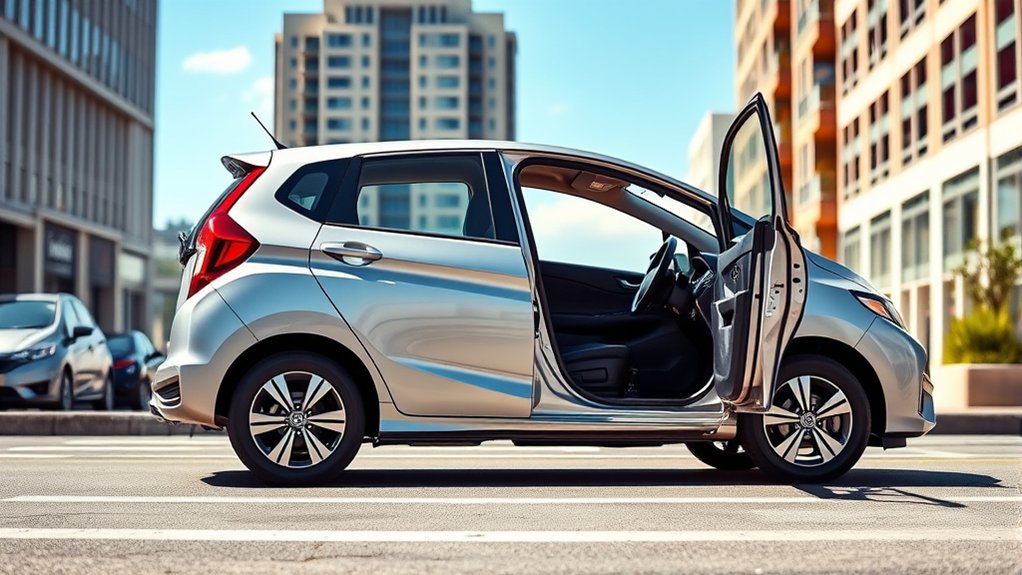
The Honda Fit’s combination of agile handling and practical cargo space sets a solid foundation, but determining if it offers good value requires examining its cost relative to features, reliability, and overall ownership expenses. When considering value vs price, the Fit balances an affordable base price with a well-equipped interior and strong fuel efficiency, making it cost-effective for daily use.
Its reliability contributes to lower maintenance costs, enhancing long-term value. Regarding resale value vs depreciation, the Fit holds its value better than many subcompact competitors, thanks to Honda’s reputation and consistent demand. You’ll find that depreciation occurs at a moderate rate, which helps retain more equity if you decide to sell or trade in later.
Frequently Asked Questions
What Are the Safety Ratings of the Honda Fit?
You’ll find the Honda Fit’s safety ratings highly relevant, with strong crash test scores and advanced features. Considering maintenance cost, its reliable safety systems reduce long-term expenses, enhancing overall value without compromising performance or protection.
Does the Honda Fit Have Advanced Driver-Assistance Features?
You’ll feel like you’ve stepped into a spaceship with Honda Fit’s advanced features. It offers essential driver assistance like adaptive cruise control and collision mitigation, enhancing safety without overwhelming you with unnecessary tech complexity.
How Expensive Is Honda Fit Maintenance?
You’ll find Honda Fit maintenance relatively affordable, thanks to cheap parts and straightforward repairs.
However, keep in mind that aging dashboards may require attention over time, potentially increasing costs if you want to maintain a pristine interior.
What Are the Available Exterior Color Options for the Honda Fit?
You’ll find Honda Fit exterior color options like Aegean Blue Metallic, Milano Red, and Crystal Black Pearl, offering solid customization potential. These precise shades enhance your car’s appearance with a technically refined, durable finish for lasting appeal.
Can the Honda Fit Be Easily Modified or Customized?
You can easily modify the Honda Fit thanks to strong aftermarket support, but customization limitations exist due to its compact design and shared platform.
Focus on performance parts, suspension, and cosmetic upgrades for effective personalization.
Conclusion
You’ll appreciate the Honda Fit’s impressive fuel economy, reaching up to 36 mpg on the highway, making it an efficient choice for daily commuting. Its Magic Seat system offers versatile cargo configurations without increasing the car’s footprint, maximizing practicality.
With reliable performance, a spacious interior, and affordable maintenance, the Fit delivers excellent value. If you prioritize efficiency and versatility in a compact vehicle, the Honda Fit stands out as a smart, technically sound option for urban and suburban driving.
Overall, the Honda Fit is a good car for those seeking a practical, economical, and flexible ride.