You might have heard that Honda is reliable, often compared to a trusty old watch, but how much truth is behind that reputation? When you consider factors like engineering quality, maintenance, and long-term performance, Honda often stands out.
Still, no car is perfect, and there are nuances worth exploring to understand where Hondas excel and where they might fall short.
Let’s take a closer look at what really defines their reliability.
Key Takeaways
- Hondas are highly reliable due to durable engineering, quality materials, and consistent high scores in dependability studies.
- Models like Civic, Accord, CR-V, and Fit excel in long-term reliability and affordable maintenance.
- Common issues include rust on older models, battery aging, and occasional transmission or power window problems.
- Honda ranks near the top for reliability, fuel efficiency, and warranty coverage compared to Toyota and Subaru.
- Routine maintenance, quick repairs, and smooth driving habits contribute to Honda’s long-lasting performance and lower ownership costs.
How Reliable Are Hondas, Really?
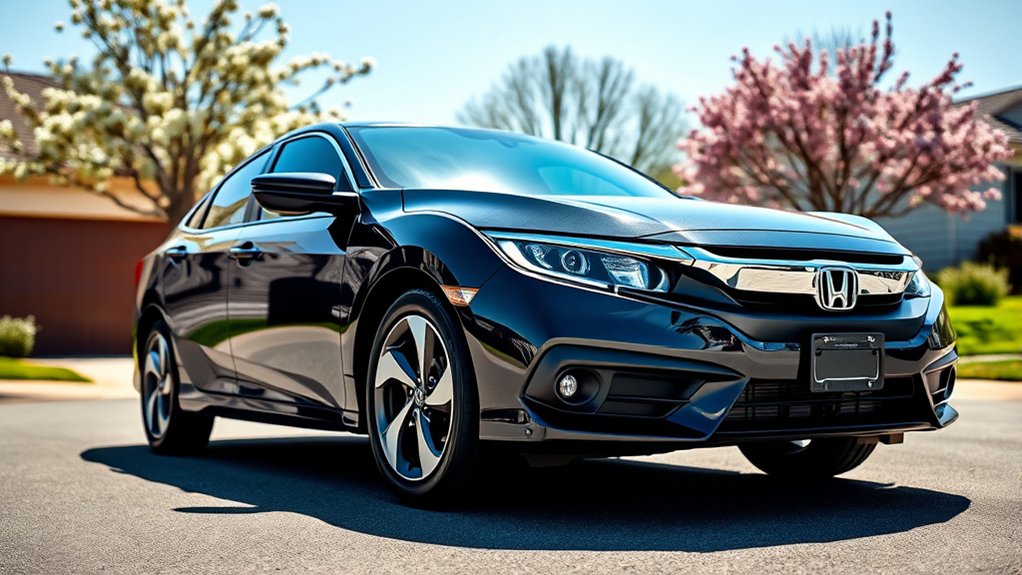
How dependable can you expect a Honda to be over time? Hondas consistently score high in reliability studies, thanks to their durable engineering and quality materials.
When you drive a Honda, you’ll notice driving aesthetics that emphasize smooth handling and responsive steering, which remain consistent even after years of use. This reliability extends beyond the vehicle itself to your dealership experience.
Honda dealerships are known for thorough maintenance and customer service, helping you keep your car in optimal condition. You can expect fewer unexpected repairs and lower maintenance costs compared to many competitors.
Which Honda Models Are the Most Reliable and Why
Which Honda models stand out for their reliability, and what makes them exceptional? You’ll find that the Honda Civic, Accord, CR-V, and Fit consistently excel in reliability metrics and maintain low ownership costs.
These models benefit from durable engines, efficient fuel use, and affordable maintenance, making them smart choices for long-term ownership.
| Model | Reliability Metrics (out of 10) | Average Ownership Costs (5 years) |
|---|---|---|
| Civic | 9.2 | $7,500 |
| Accord | 9.0 | $8,000 |
| CR-V | 8.8 | $8,200 |
| Fit | 8.7 | $7,000 |
Common Honda Reliability Issues You Should Know
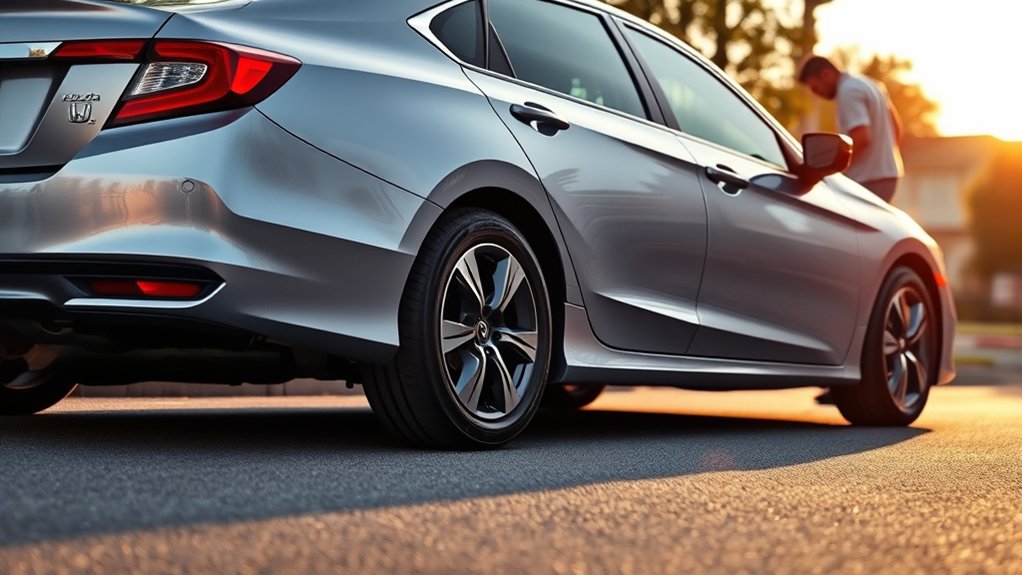
Although Honda vehicles are known for their overall reliability, certain models have recurring issues that owners should be aware of. Being informed helps you anticipate and address these problems early.
- Common rust issues Some older models, especially in regions with harsh winters, exhibit rust on wheel wells and undercarriage.
- Battery aging Over time, Honda batteries may lose efficiency faster than expected, leading to starting problems.
- Transmission concerns Certain Hondas experience transmission slipping or hesitation, particularly in higher mileage vehicles.
- Power window failures Some owners report malfunctioning power window regulators, requiring replacement.
How Honda Stacks Up Against Other Reliable Brands
When comparing Honda to other reliable car brands, you’ll find it consistently ranks near the top due to its balance of performance, durability, and maintenance costs. Honda models often deliver superior driving efficiency, which helps you save on fuel without sacrificing power.
Additionally, Honda’s warranty benefits provide solid coverage, giving you peace of mind against unexpected repairs. While brands like Toyota and Subaru also offer strong reliability and efficient driving, Honda stands out with its blend of innovative engineering and proven longevity.
You’ll notice Honda vehicles maintain value well over time, partly due to their dependable build quality. Overall, if you prioritize consistent driving efficiency and comprehensive warranty benefits, Honda competes robustly with other top-tier reliable brands, making it a smart choice for long-term ownership.
Maintenance Costs That Affect Honda Reliability
When you own a Honda, understanding routine service expenses is key to managing reliability. You’ll also want to consider common repair costs and how the availability of parts can influence maintenance ease.
These factors together shape the overall reliability experience of your vehicle.
Routine Service Expenses
Regularly maintaining your Honda plays an essential role in preserving its reliability over time. Routine service expenses are predictable and help prevent costly repairs. Staying on top of these tasks ensures your vehicle runs efficiently, maintaining optimal fuel economy and benefiting from warranty coverage.
Here are four key routine service expenses to consider:
- Oil and filter changes. These are crucial for engine health and performance.
- Tire rotations and alignments. They enhance tire life and fuel efficiency.
- Brake inspections. These ensure safety and smooth operation.
- Fluid checks and replacements. Maintain transmission, coolant, and brake systems.
Common Repair Costs
How much will unexpected repairs impact your Honda’s reliability? Common repair costs often include issues with the transmission, brakes, and suspension components. These repairs can temporarily affect your driving performance by causing reduced responsiveness or handling challenges.
Additionally, engine-related repairs, such as oxygen sensor or ignition coil replacements, may influence your fuel economy, leading to increased fuel consumption. While Hondas generally have lower repair frequencies compared to some competitors, when repairs are necessary, they can vary in cost depending on the model and severity.
Understanding these potential expenses helps you anticipate how repairs might affect your vehicle’s reliability and overall ownership experience. Staying proactive with maintenance can minimize these costs and preserve both driving performance and fuel economy over time.
Parts Availability Impact
Why does parts availability play a crucial role in maintaining your Honda’s reliability? When replacement parts are easy to find, you can quickly address issues, reducing downtime and preventing further damage. This directly impacts maintenance costs and overall vehicle dependability.
Consider these key factors:
- Quick Repairs – Readily available parts mean faster fixes, maintaining your car’s performance.
- Lower Expenses – Common parts reduce costs compared to rare or specialty components.
- Consistent Quality – OEM parts ensure your Honda stays true to manufacturer standards.
- Long-Term Reliability – Access to parts supports routine upkeep, extending your vehicle’s lifespan.
Focusing on parts availability highlights its subtopic relevance within maintenance costs that affect Honda reliability, emphasizing practical two word ideas like “quick repairs” and “lower expenses” for clearer understanding.
Driving Habits That Extend Your Honda’s Lifespan
When do your driving habits start to impact your Honda’s longevity? The moment you get behind the wheel, your choices influence its lifespan. Smooth acceleration and braking reduce wear on the engine and brakes, promoting lifespan extension.
Avoiding rapid starts or sudden stops minimizes stress on mechanical components, preserving their function longer. Regularly maintaining steady speeds and using cruise control on highways also helps maintain optimal engine performance.
Additionally, limiting idling time prevents unnecessary engine strain. You should also be mindful of road conditions; driving cautiously on rough terrain prevents damage to suspension and tires.
Is Buying a Used Honda a Smart Move for Reliability?
Considering a used Honda can be a practical choice if you prioritize reliability and cost-effectiveness. Hondas are known for their durability, and many models maintain performance well beyond 100,000 miles.
Opting for a used Honda offers reliability and cost-effectiveness, with many models lasting well beyond 100,000 miles.
When buying used, you should:
- Check maintenance records to ensure consistent care.
- Inspect for unexpected features like upgraded infotainment or safety tech.
- Research the model’s history, especially regarding recalls or known issues.
- Explore used electric vehicles (EVs) from Honda, like the e, which offer reliability with modern tech.
Used Hondas often come with lower depreciation costs compared to other brands, making them smart investments. However, focus on thorough inspections to avoid surprises.
Whether gasoline or electric, Honda’s reputation generally supports buying used without sacrificing reliability.
Frequently Asked Questions
What Is Honda’s Warranty Coverage on New Vehicles?
Honda warranty coverage includes a 3-year/36,000-mile limited warranty and a 5-year/60,000-mile powertrain warranty.
You’ll also get corrosion coverage and roadside assistance, ensuring thorough protection and peace of mind on your new vehicle.
How Does Honda Perform in Crash Safety Tests?
Imagine a fortress standing firm against storms; Honda’s crash safety results reflect that strength. You’ll find their vehicles consistently excel in reliability factors, offering robust protection and strong crash-test ratings for confident, secure driving experiences.
Are Honda Parts Readily Available Worldwide?
You’ll find Honda parts widely available worldwide, supporting their warranty coverage. Combined with advanced technology features, hybrid options, and strong crash safety tests, Honda ensures you get reliable, accessible components no matter where you’re located.
What Technology Features Are Standard in Honda Cars?
Like a Swiss army knife, Honda’s technology features include standard touchscreen infotainment, Apple CarPlay, Android Auto, and Honda Sensing safety suite. These contribute to high reliability ratings, ensuring you stay connected and protected on every drive.
Does Honda Offer Hybrid or Electric Vehicle Options?
Yes, Honda offers hybrid options like the Accord Hybrid and CR-V Hybrid, plus electric vehicles such as the Honda e.
You’ll find their lineup increasingly focused on efficient, eco-friendly technology to suit various driving needs.
Conclusion
You can count on Honda for reliable, long-lasting vehicles—over 90% of Honda owners report satisfaction with their car’s dependability after five years. While some issues like rust or battery aging may arise, regular maintenance and mindful driving habits help keep your Honda running smoothly.
Whether you’re eyeing a Civic or CR-V, Honda’s blend of durability, strong resale value, and widespread dealership support makes owning one a smart, confident choice. Overall, Honda is known for its reliability, making it a trusted option for many drivers.