You might wonder how long a Honda can realistically last before it needs replacing. Many owners see their Hondas reach 200,000 miles or more, but this depends heavily on how well you maintain the vehicle and your driving habits.
Different Honda models vary in durability and repair costs. Understanding these factors can help you make informed decisions about upkeep and timing for major services.
Proper maintenance is key to maximizing your Honda’s lifespan. Regular check-ups and timely repairs can keep your car running smoothly for many years.
Key Takeaways
- Hondas typically last 200,000 miles or more with proper maintenance and care.
- Regular maintenance like oil changes and brake inspections is crucial for extending Honda’s lifespan.
- Smooth driving habits and avoiding aggressive behavior help reduce wear and prolong vehicle life.
- Models like the Accord, Civic, and CR-V are known for their exceptional durability and longevity.
- Warning signs such as engine noise or decreased fuel efficiency indicate when maintenance or replacement is needed.
How Long Do Hondas Last? Average Lifespan Explained
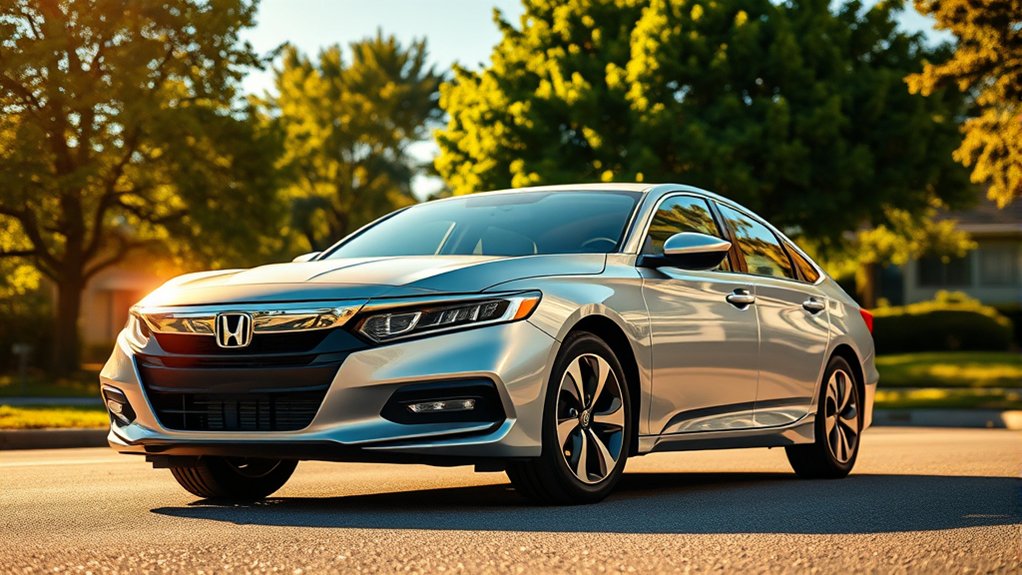
How long can you expect your Honda to last? On average, Hondas often reach 200,000 miles or more, demonstrating strong durability compared to many competitors.
Durability comparisons highlight Honda’s consistent engineering quality, which contributes to its reputation for longevity. When evaluating lifespan, consider that Honda’s warranty coverage typically spans three to five years, offering initial protection but not covering long-term wear.
Honda’s reliable engineering underpins its longevity, though warranties cover only the initial years, not long-term durability.
This means you’ll rely on the vehicle’s inherent build quality and your maintenance practices after the warranty expires. Statistically, Hondas maintain performance and safety standards well beyond the warranty period, which aligns with their durability comparisons against other brands.
Understanding these factors helps you set realistic expectations about your Honda’s operational life without depending solely on warranty coverage.
What Factors Affect Honda Lifespan? Maintenance and Driving Habits
You’ll find that regular maintenance plays an essential role in extending your Honda’s lifespan by preventing wear and tear. How you drive also impacts longevity. Aggressive habits can accelerate damage, while gentle driving helps preserve components.
Additionally, environmental factors like climate and road conditions influence how long your vehicle stays reliable.
Regular Maintenance Importance
Although Hondas are known for their durability, their lifespan heavily depends on regular maintenance and driving habits. You can’t rely on unrelated topics or random speculation when considering how to extend your Honda’s life.
Routine tasks like oil changes, tire rotations, and brake inspections directly affect your vehicle’s performance and longevity. Skipping these can lead to premature wear and costly repairs.
Following the manufacturer’s recommended maintenance schedule ensures critical components function properly. You also need to address issues promptly instead of ignoring warning signs.
Impact Of Driving Habits
Maintaining your Honda regularly sets a strong foundation, but the way you drive plays an equally significant role in determining its lifespan. Your driving habits directly impact wear and tear on critical components like the engine, brakes, and transmission.
Aggressive acceleration, frequent hard braking, and excessive speeding accelerate mechanical stress, reducing overall durability. Conversely, smooth and steady driving lessens strain, promoting longer vehicle life and better fuel efficiency.
Consistently maintaining moderate speeds and avoiding rapid starts helps preserve engine health and optimize fuel consumption. Additionally, minimizing idling time and using proper gear shifts in manual models further support longevity.
Environmental Factors Influence
How do environmental factors shape the lifespan of your Honda? Various environmental factors, including climate influence, play a pivotal role in determining how long your vehicle lasts. For instance, extreme temperatures can strain engine components and battery life, while humid or salty air accelerates corrosion.
Exposure to road salt during winter months can also degrade undercarriage parts if not properly cleaned. Additionally, frequent exposure to dust and pollutants may clog filters and wear down moving parts faster.
Understanding these environmental factors helps you anticipate maintenance needs and adjust your care routine accordingly. By addressing climate influence, such as using appropriate fluids or rust protection, you can mitigate wear and extend your Honda’s durability.
Ultimately, adapting your maintenance to local environmental conditions preserves your vehicle’s performance over time.
Which Honda Models Last the Longest?
Which Honda models stand out for their longevity? Models like the Honda Accord, Civic, and CR-V are consistently praised for their durability and ability to exceed 200,000 miles with proper care. These vehicles benefit from robust engineering and readily available parts, making maintenance more straightforward.
When choosing a Honda model, consider your driving habits and maintenance commitment, as these impact longevity significantly. Applying longevity tips such as adhering to scheduled oil changes, regular inspections, and timely repairs can extend your Honda’s life regardless of the model.
Additionally, models with fewer complex electronic features tend to have fewer issues over time. By focusing on reliable models and following proven longevity tips, you can maximize your Honda’s lifespan and maintain its performance for years.
Warning Signs Your Honda Might Be Failing

Even the most reliable Honda models will show signs of wear over time, especially if regular maintenance slips or driving conditions are harsh. You might notice warning signs like unusual engine noises, decreased fuel efficiency, or dashboard warning lights.
These symptoms indicate components could be failing, requiring prompt attention. Don’t dismiss these signals as an unrelated topic or a random idea; ignoring them can lead to more severe damage.
Pay attention to issues like rough idling, brake responsiveness, or transmission slipping, as these often precede major repairs. By recognizing these signs early, you can address problems efficiently and extend your Honda’s lifespan.
Staying alert to such indicators helps you maintain your vehicle’s performance without confusing these practical concerns with unrelated, random ideas.
When Should You Replace Your Honda?
You should consider replacing your Honda when it shows clear signs of aging, such as frequent breakdowns or declining performance. Keep an eye on mileage benchmarks. Many Hondas start needing major repairs after 150,000 to 200,000 miles.
Weigh the cost of repairs against your car’s current value to decide if replacing it makes more financial sense.
Signs Your Honda Ages
How can you tell when your Honda has reached the end of its reliable lifespan? Key signs include frequent mechanical issues despite regular Honda maintenance, such as persistent engine problems or transmission slipping.
If your vehicle demands constant repairs, it may no longer be cost-effective to keep it. Pay attention to battery health too; repeated battery failures or difficulty holding a charge can indicate underlying electrical system deterioration.
Additionally, noticeable declines in fuel efficiency and unusual noises during operation also suggest aging components. When these symptoms arise, they signal that your Honda is aging and might soon require replacement.
Monitoring these objective indicators helps you make informed decisions about whether continued upkeep is worthwhile or if it’s time to consider a new vehicle.
Mileage Benchmarks To Watch
A key factor in deciding when to replace your Honda lies in understanding critical mileage benchmarks. These milestones help you evaluate the vehicle’s condition, guiding you on helpful maintenance and resale value considerations.
Keep an eye on these mileage markers:
- 60,000 miles: Time for major maintenance like timing belt or transmission fluid changes, ensuring longevity.
- 100,000 miles: A typical point where you assess engine health and costly repairs.
- 150,000 miles: Resale value often declines sharply; consider if upkeep costs outweigh benefits.
- 200,000+ miles: Many Hondas reach this, but replacement becomes practical if repair frequency or costs rise.
Monitoring these benchmarks lets you make informed decisions on replacing your Honda without guesswork.
Cost Vs. Value
Understanding mileage benchmarks provides a framework for evaluating your Honda’s condition, but deciding when to replace it often comes down to weighing costs against value. You need to assess the cost efficiency of maintaining your vehicle versus the benefits of its resale value.
If repair expenses approach or exceed the car’s market worth, it may no longer be financially sensible to keep it. Additionally, consider how much value your Honda retains. Older models with high mileage often see diminished resale value, reducing your return.
Balancing ongoing maintenance costs against potential sale proceeds helps you make an informed choice. Ultimately, replacing your Honda should align with maximizing overall cost efficiency while ensuring you invest in reliable transportation.
Tips to Keep Your Honda Running Longer
Why should you prioritize regular maintenance to extend your Honda’s lifespan? Routine care addresses wear and tear, balancing old school vs new tech components. Regular checkups ensure your engine and electronics perform optimally, while preserving interior durability vs exterior endurance.
Prioritizing regular maintenance balances traditional and modern components, ensuring optimal engine, electronics, and interior longevity.
To keep your Honda running longer, focus on these key tips:
- Change oil and filters regularly to prevent engine damage.
- Inspect brakes and tires for safety and performance.
- Maintain the cooling system to avoid overheating issues.
- Protect the exterior with regular washing and waxing to enhance longevity.
Frequently Asked Questions
What Is the Resale Value of Used Hondas?
You’ll find Honda’s resale value strong due to low depreciation rates, excellent fuel efficiency, and top safety ratings.
Just watch for common engine issues and maintain regularly to keep maintenance costs down and maximize resale value.
Are Hondas More Fuel-Efficient Than Other Brands?
You might notice Hondas often outperform competitors in fuel efficiency. Their advanced engineering boosts fuel economy, making them a smart choice if you want to save on gas without sacrificing reliability or performance over time.
How Much Does Honda Routine Maintenance Typically Cost?
You’ll find Honda maintenance costs generally reasonable, averaging $300 to $500 annually. Keeping up with routine care helps preserve your vehicle’s resale value, making Hondas a smart choice for long-term ownership and cost efficiency.
Do Hondas Have Better Safety Ratings Than Competitors?
You’ll find Honda safety ratings often match or exceed competitors, thanks to advanced features and rigorous testing.
In brand rivalries, Honda consistently ranks high, making it a reliable choice if safety is your priority.
What Are Common Honda Engine Problems?
You might worry about common engine issues, but Hondas generally have low maintenance costs. Typical problems include oil leaks, timing chain wear, and coolant leaks, all preventable with regular maintenance and timely repairs to keep your engine reliable.
Conclusion
You might think Hondas are built to last forever, and in many ways, they are—if you treat them right. Skipping maintenance or ignoring warning signs won’t magically make your car last longer. The truth?
Your Honda’s lifespan depends on how well you care for it and how you drive it. Regular check-ups and timely repairs play a big role in keeping your car running smoothly.
So, if you want your Accord or Civic to keep going strong past 200,000 miles, don’t just hope—stay proactive and attentive. How long does a Honda last? With proper care, it can easily exceed your expectations.