Did you know a clogged cabin air filter can reduce your vehicle’s HVAC efficiency by up to 25%? If you drive a Honda Accord, changing the cabin air filter regularly not only improves air quality but also prevents strain on your system.
The process may seem straightforward, but precise steps ensure proper installation and airflow direction. Understanding these details can save you time and help you avoid common pitfalls.
Key Takeaways
- Open the glove compartment and remove stops or dampers to fully lower it, exposing the cabin air filter housing behind it.
- Unclip and slide out the old cabin air filter, then inspect and clean the housing of any debris before installing the new filter.
- Insert the new cabin air filter with the airflow arrow pointing downward, ensuring it is properly seated in the housing.
- Secure the filter cover back in place, reattach the glove compartment stops, and close the glove box carefully.
- Replace the cabin air filter every 15,000 to 30,000 miles or when reduced airflow or odors occur for optimal HVAC performance.
How to Locate Your Honda Accord’s Cabin Air Filter
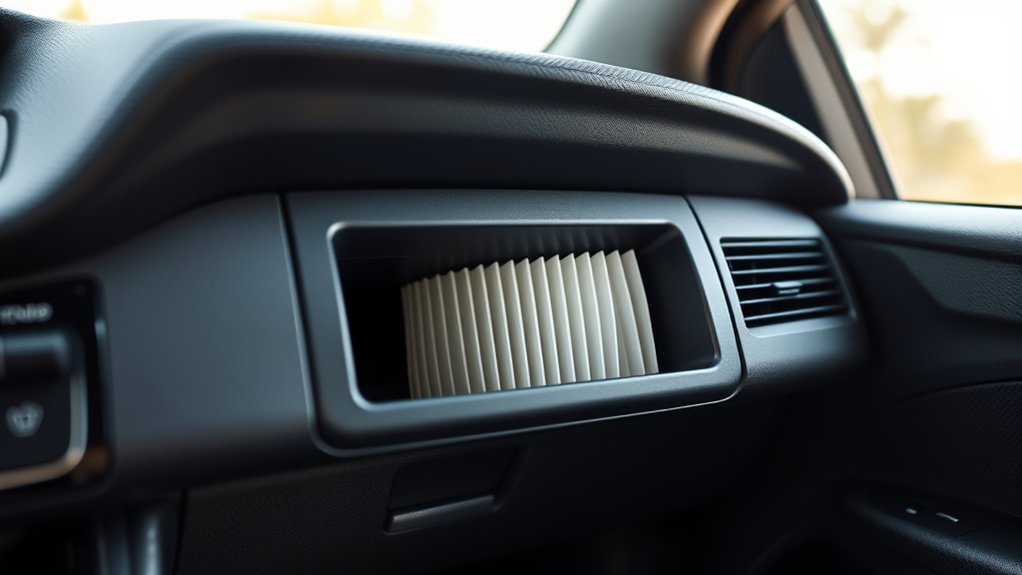
Where exactly is the cabin air filter located in your Honda Accord? It’s typically found behind the glove compartment, inside the HVAC system. To access it, open the glove box and remove the stops or dampers allowing the glove compartment to drop down fully.
This exposes a rectangular cover secured by clips or screws, the cabin air filter housing. Your filter’s position ensures it captures airborne particles entering from outdoor weather, such as dust, pollen, and pollutants.
This placement directly affects the cabin air quality and the effectiveness of your air fresheners. Locating the filter here allows you to efficiently inspect or replace it, maintaining optimal airflow and preventing contaminants from circulating through the ventilation system, especially important when outdoor weather conditions worsen.
When to Change Your Honda Accord’s Cabin Air Filter
You should change your Honda Accord’s cabin air filter every 15,000 to 30,000 miles or when you notice reduced airflow and unpleasant odors.
A clogged filter decreases HVAC efficiency and can allow contaminants into the cabin. Ignoring timely replacement can lead to poor air quality and increased system strain.
Signs of Filter Wear
How can you tell when your Honda Accord’s cabin air filter needs replacement? Key signs include reduced airflow from the vents, which directly impacts driving ergonomics by diminishing cabin comfort and air quality. You might also notice a musty odor inside the vehicle, indicating trapped contaminants.
Additionally, excessive dust buildup on the dashboard signals filter inefficiency. While the cabin air filter doesn’t directly affect engine performance, a clogged filter can strain the HVAC system, indirectly influencing overall vehicle function.
Monitoring these indicators helps maintain optimal air circulation and ensures your Accord’s interior environment supports safe, comfortable driving. If you experience persistent fogging on windows or increased allergy symptoms while driving, it’s time to inspect and replace the filter for sustained performance and comfort.
Recommended Replacement Intervals
When should you replace the cabin air filter in your Honda Accord? Generally, Honda recommends changing the filter every 15,000 to 30,000 miles, depending on driving conditions.
If you drive primarily in urban areas with heavy traffic or dusty environments, consider replacing it closer to 15,000 miles. Conversely, cleaner environments may allow longer intervals.
Don’t rely solely on unrelated concerns like odor or airflow issues; these symptoms might stem from other HVAC components. Instead, use these topic ideas as a guideline: consult your owner’s manual, factor in air quality, and track mileage since the last replacement.
Staying within recommended intervals ensures excellent filtration and maintains cabin air quality. Regular checks complement these intervals, enabling you to address any unusual filter degradation promptly.
Effects of Neglecting Filter
Why does neglecting your Honda Accord’s cabin air filter matter? A clogged filter reduces airflow, strains the HVAC system, and compromises air quality inside your vehicle. You’ll notice decreased cooling or heating efficiency and unpleasant odors.
Over time, this neglect can lead to costly repairs that exceed standard pricing benchmarks found on social media platforms, where users share real-world maintenance costs. Ignoring the filter also exposes you to allergens and pollutants, impacting your health during drives.
Regularly replacing the cabin air filter based on manufacturer recommendations ensures optimal HVAC function and cabin comfort. By monitoring social media for updated pricing benchmarks, you can budget effectively and avoid overpaying for unnecessary repairs caused by filter neglect.
Stay proactive to maintain your Accord’s performance and air quality.
Tools Needed to Replace Your Honda Accord Cabin Air Filter
You’ll need a few essential tools to replace your Honda Accord cabin air filter efficiently, including a screwdriver and a new filter. Opt for reliable brands to guarantee durability and proper fit.
Always follow safety guidelines when handling tools to avoid damage or injury.
Essential Tools Overview
A few essential tools will streamline the process of replacing your Honda Accord’s cabin air filter and guarantee a proper fit. Using the right tools ensures an eco friendly approach by minimizing waste and preventing damage to components.
Additionally, proper tools promote cost saving by avoiding unnecessary repairs.
| Tool | Purpose | Benefit |
|---|---|---|
| Screwdriver | Remove glove box screws | Secure, efficient |
| Pliers | Detach clips or connectors | Precise, damage-free |
| New Cabin Filter | Replacement air filter | Eco friendly, clean air |
Keep these tools handy to complete the replacement quickly and maintain your vehicle’s air quality effectively.
Recommended Tool Brands
Choosing reliable tool brands can markedly impact the ease and success of replacing your Honda Accord’s cabin air filter. Using quality tools minimizes aerodynamics inefficiency caused by improper filter seating and ensures precise handling during removal and installation.
While engine oil choice affects engine performance, selecting the right tools affects maintenance efficiency. Here are top recommended brands for this job:
- Snap-On: Superior durability and precision.
- Craftsman: Affordable and reliable.
- Wiha: Excellent for screwdrivers with ergonomic grips.
- Tekton: Good ratchets and sockets for tight spaces.
- Stanley: Versatile hand tools, widely available.
Investing in these brands will streamline your filter replacement, improving overall HVAC system performance and reducing potential air flow disruption.
Tool Safety Tips
Although replacing the cabin air filter on your Honda Accord isn’t overly complex, handling tools improperly can lead to injury or damage. Always wear safety gloves and eye protection to prevent cuts and debris exposure.
Use the correct screwdriver or socket size to avoid stripping screws or causing tool slippage. Keep your workspace organized to prevent accidental trips or dropping tools.
Avoid engaging in unrelated topic or off topic discussion while working, as distractions increase the risk of mistakes or injuries. Inspect tools before use to ensure they’re in good condition. Damaged tools can fail unexpectedly.
Finally, store tools safely after the job to maintain their integrity and avoid hazards. Following these safety tips ensures a smooth, injury-free cabin air filter replacement.
How to Remove Your Honda Accord’s Old Cabin Air Filter
Where exactly is the cabin air filter located in your Honda Accord? It’s behind the glove compartment, a spot often missed in discussion ideas about vehicle maintenance.
To remove the old filter, follow these steps and avoid irrelevant topics that don’t contribute to the task:
Follow these clear steps to remove your cabin air filter without distractions or unnecessary details.
- Open the glove compartment and empty its contents.
- Detach the glove compartment by releasing the side stops carefully.
- Locate the cabin air filter cover behind the compartment.
- Press the tabs on the cover to release and remove it.
- Slide out the old cabin air filter straight to avoid debris falling inside.
How to Choose the Right Cabin Air Filter for Your Honda Accord
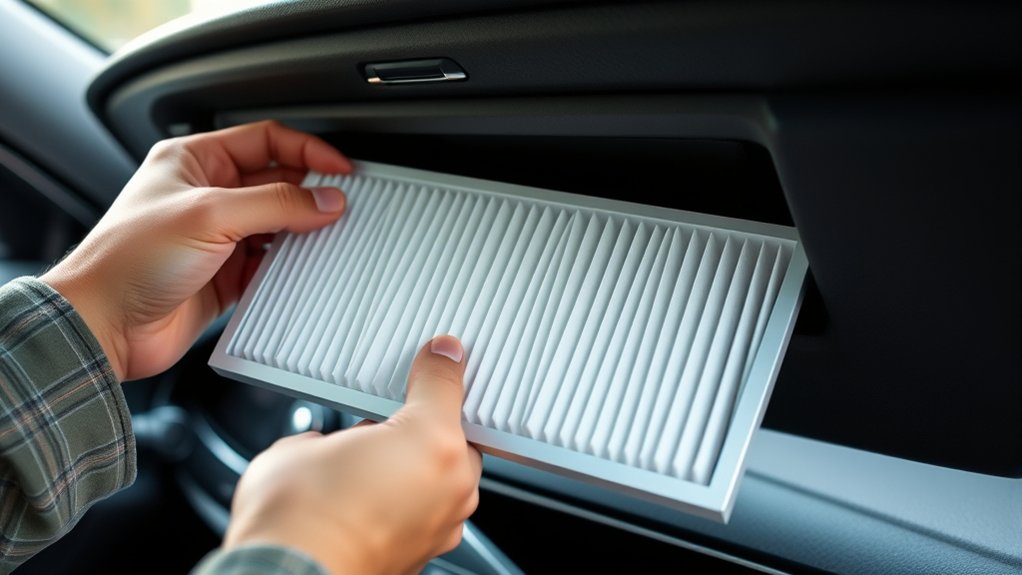
How do you guarantee your Honda Accord’s cabin air filter effectively cleans the air inside your vehicle? Start by selecting a filter explicitly designed for your Accord’s model year and trim to ensure proper fit and function.
Prioritize filters with high-efficiency particulate air (HEPA) or activated carbon layers that trap allergens, dust, and odors. Avoid getting distracted by unrelated topics like brand popularity or random discussion forums; focus on technical specifications, such as micron filtration rating and material quality.
Confirm the filter meets or exceeds Honda’s OEM standards for airflow resistance and durability. Choosing the right filter isn’t about trend or opinion; it’s about matching precise performance criteria to maintain optimal air quality and HVAC system efficiency in your Accord.
How to Install the New Cabin Air Filter in Your Honda Accord
Replacing the cabin air filter in your Honda Accord requires locating the filter housing, typically found behind the glove compartment. To install the new cabin air filter correctly, follow these steps precisely:
Open the glove compartment and remove the stops to lower it fully. Unclip and slide out the old cabin air filter from the housing.
Open the glove compartment, remove the stops, and slide out the old cabin air filter carefully.
Inspect the filter slot for debris and clean if necessary. Insert the new filter with the airflow arrow pointing downward.
Secure the filter cover and reattach the glove compartment stops.
Tips to Make Your Honda Accord’s Cabin Air Filter Last Longer
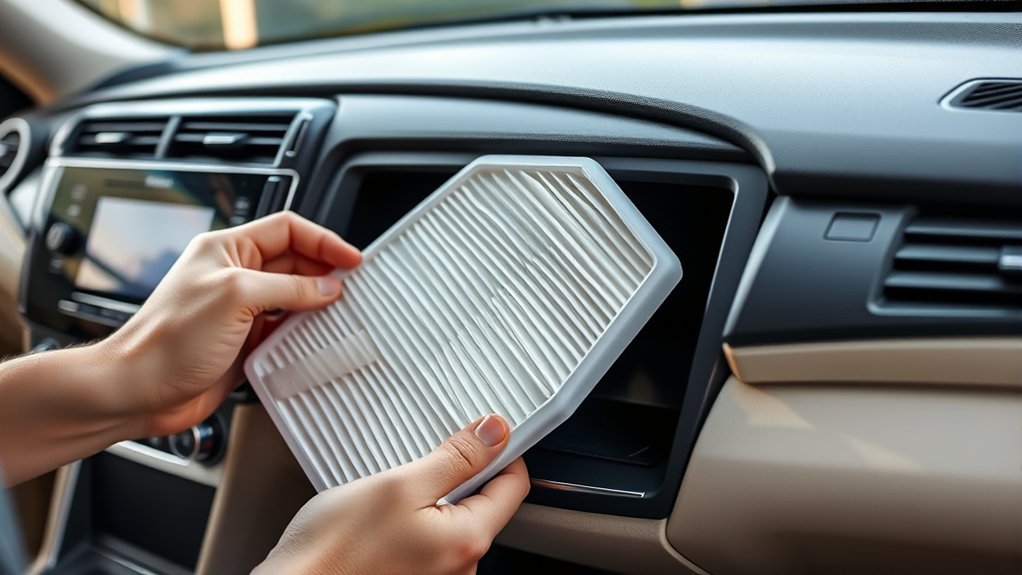
When should you check your Honda Accord’s cabin air filter to ensure it lasts longer? Regular inspections every 12,000 to 15,000 miles or once a year help detect dirt buildup early.
Keep your car’s interior clean to minimize dust and debris entering the ventilation system. Avoid driving through heavily polluted or dusty environments for extended periods, as this accelerates filter clogging.
Use high-quality replacement filters designed specifically for the Honda Accord to maintain optimal filtration efficiency. Don’t get distracted by irrelevant topic discussions or random chatter about unrelated car parts; focus solely on the filter’s condition during maintenance.
Consistently following these tips reduces strain on your HVAC system and prolongs the cabin air filter’s functional lifespan, ensuring clean air circulation inside your vehicle.
Common Mistakes to Avoid When Changing Your Honda Accord’s Cabin Air Filter
Why do some cabin air filter replacements fail to improve your Honda Accord’s air quality? Often, it’s due to common mistakes that compromise filter performance. Avoid treating this task as an irrelevant topic or confusing it with an unrelated concept.
Focus on the specifics of your model and the correct procedure.
Here are five mistakes to avoid:
- Installing the filter backward, disrupting airflow and filtration efficiency
- Using a non-OEM or incorrect filter size, causing poor fit and gaps
- Neglecting to clean the housing before installation, trapping debris
- Overlooking cabin air filter replacement intervals, leading to clogged filters
- Forcing the filter into place, risking damage to the filter or housing
Stick to precise steps and genuine parts to ensure optimal air quality in your Accord.
Frequently Asked Questions
Can a Dirty Cabin Air Filter Affect Fuel Efficiency?
A dirty cabin air filter doesn’t affect fuel efficiency directly; it’s an unrelated concept. However, it can reduce HVAC performance, impacting comfort but not engine fuel consumption.
Engine fuel consumption depends on unrelated systems like fuel injection and aerodynamics.
Does Changing the Cabin Air Filter Improve AC Performance?
Imagine driving on a hot day; changing your cabin air filter boosts filtration efficiency, improving air quality. This reduces strain on your AC system, allowing it to cool more effectively and maintain consistent airflow for better performance.
Are OEM Cabin Air Filters Better Than Aftermarket Ones?
OEM vs aftermarket filters differ mainly in filter material quality. You’ll find OEM filters use superior media, ensuring better filtration and durability.
Aftermarket options vary widely, so you should choose based on certified material specs for optimal performance.
Can I Drive Safely With a Clogged Cabin Air Filter?
Sure, you can “enjoy” driving with a clogged cabin air filter, but it compromises drive safety by reducing airflow and fogging windows.
Prioritize filter maintenance to ensure clear visibility and a healthy cabin environment.
How Does a Cabin Air Filter Impact Allergy Symptoms?
A clogged cabin air filter reduces air exchange rate, allowing allergens to accumulate inside your car. This worsens allergy symptoms by increasing exposure to pollen, dust, and pollutants.
Keeping the filter clean is essential for your respiratory comfort.
Conclusion
Changing your Honda Accord’s cabin air filter is a simple task that keeps your air clean and your system efficient. Remember, “an ounce of prevention is worth a pound of cure”—regular replacements prevent costly issues.
By following the correct steps and choosing the right filter, you’ll ensure top-notch airflow and cabin comfort. Stay vigilant for debris, install the filter properly, and maintain your vehicle’s air quality with minimal effort.
Regular maintenance is key, and knowing how to change the cabin air filter Honda Accord will help you keep the interior environment fresh and healthy.