If you’re considering the best year of Honda CR-V to buy, choosing the right model can notably impact your ownership experience. You’ll want to weigh factors like reliability, maintenance costs, safety features, and technology upgrades. Some years strike a better balance than others, offering dependable performance without unnecessary expenses.
Understanding these differences can help you make a more informed decision. This is especially important when weighing older models against newer ones with advanced features. Taking the time to research the best year of Honda CR-V to buy ensures you select a vehicle that meets your needs and budget effectively.
Key Takeaways
- The 2015-2016 Honda CR-V models offer a strong balance of reliability, fuel efficiency, and affordable maintenance costs.
- Models from 2017 onward feature advanced safety tech like Honda Sensing and improved infotainment systems.
- Hybrid CR-Vs from 2020+ provide excellent fuel economy around 40 mpg but may have higher maintenance costs.
- Earlier generations (2012-2014) are simpler, reliable, and have cheaper parts but fewer modern features.
- Choosing the best year depends on prioritizing budget, maintenance, safety features, and resale value preferences.
Key Factors That Make a Honda CR-V Year a Great Choice
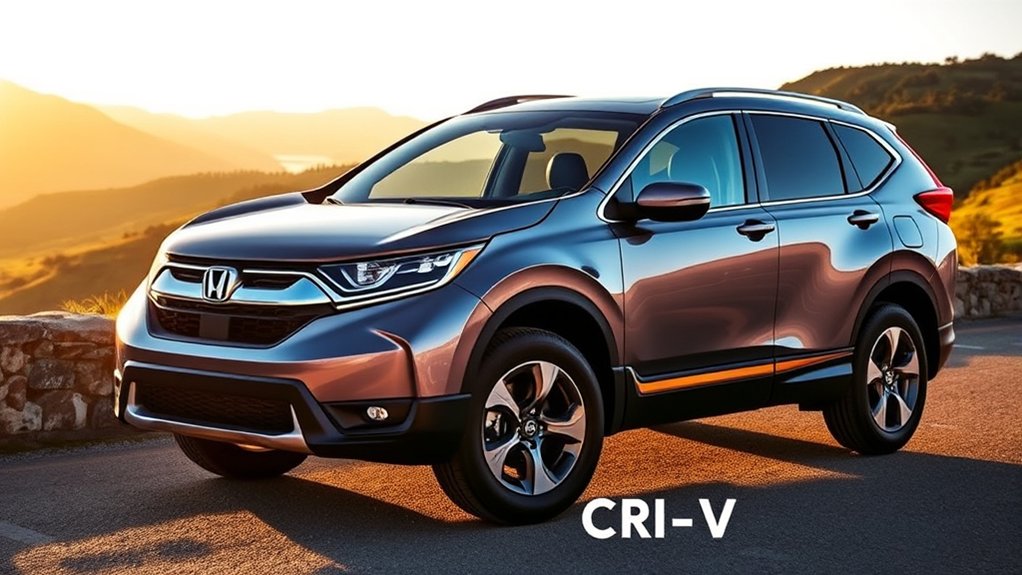
What should you look for when deciding which Honda CR-V year is the best fit? Focus on reliability, maintenance costs, and available features. Some model years have a history of unreliable maintenance, which can lead to frequent repairs and higher ownership costs.
You’ll want to check consumer reports and recall histories to avoid these problematic years. Additionally, consider the aesthetics; certain years offer rare color options that might appeal to your personal taste or increase resale value.
While unique colors can be a plus, they shouldn’t overshadow performance and upkeep. Ultimately, balancing reliability, maintenance demands, and design preferences will guide you to the best Honda CR-V year tailored to your needs without compromising long-term satisfaction.
Comparing Honda CR-V Generations: What You Need to Know
You’ll want to understand how each Honda CR-V generation differs to make the best choice. Comparing key features like safety, technology, and fuel efficiency can highlight what suits your needs. This overview helps you weigh the pros and cons across model years effectively.
Generation Differences Overview
How do the different generations of the Honda CR-V stack up against each other? Each generation offers distinct improvements in design, technology, and performance, but you’ll also notice variations in available alternative colors, which can influence your choice if aesthetics matter to you.
Earlier generations tend to have more basic options but boast excellent spare parts availability, making maintenance easier and often more affordable. Newer models introduce modern styling and features but sometimes come with limited color palettes and higher costs for replacement parts.
Understanding these differences helps you balance your preferences for style, cost, and maintenance convenience. By assessing these factors, you can make a more informed decision on which generation aligns best with your needs and budget without diving into specific features just yet.
Key Features Comparison
Having a clear understanding of each generation’s design and maintenance differences sets the stage for evaluating the key features that distinguish them. When comparing Honda CR-V generations, you’ll notice advancements in safety tech, infotainment, and fuel efficiency.
Earlier models focus on reliability and simplicity, while newer ones embrace touchscreen interfaces and driver-assist features. However, don’t get distracted by unrelated topics like offbeat trends in vehicle color or accessories; they rarely impact core functionality.
Instead, weigh essentials like engine performance, cabin comfort, and standard safety upgrades. For example, the fifth generation introduced Honda Sensing, enhancing collision mitigation.
Ultimately, your choice hinges on which features matter most to you, balancing cutting-edge tech with proven durability rather than chasing every new trend that may not add real value.
Best Honda CR-V Years for Reliability and Longevity
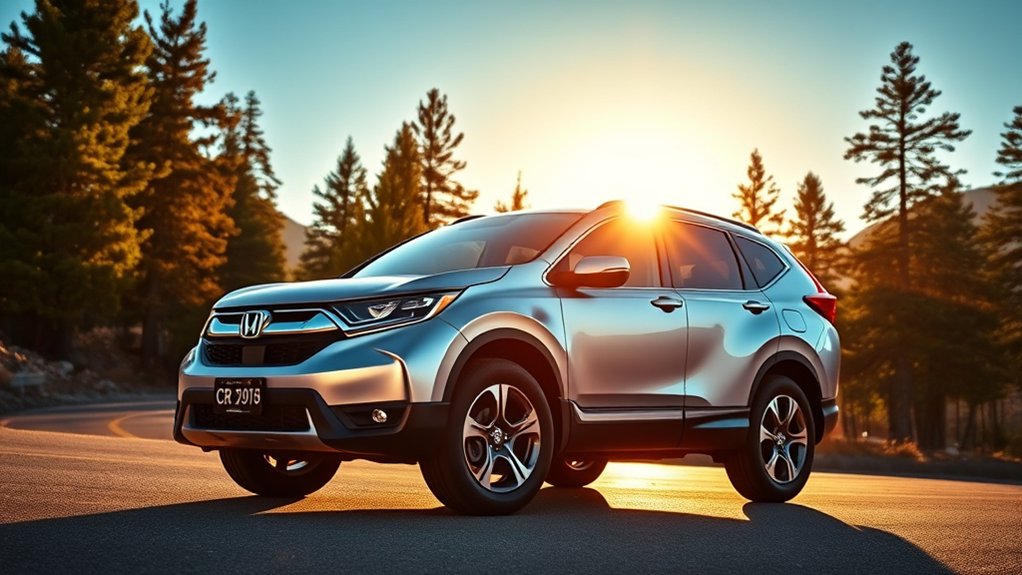
Which Honda CR-V model years stand out for their reliability and longevity? Generally, the 2012 to 2016 models have earned a solid reputation for durability, thanks to refined engines and fewer recalls. These years offer a balance between proven mechanical components and overall build quality.
It’s important to avoid making an irrelevant comparison with unrelated models, as their reliability ratings may not translate to the CR-V. Earlier generations, while dependable, often require more maintenance, and newer models, though advanced, may still face unresolved issues.
When considering longevity, look for CR-Vs with consistent maintenance records rather than focusing solely on model year hype. This approach helps you make a practical decision based on reliability data instead of marketing or unrelated model benchmarks.
Top Honda CR-V Years With the Latest Technology Features
You’ll find that certain Honda CR-V model years stand out for incorporating advanced safety innovations and upgraded infotainment systems. These features can greatly enhance your driving experience and convenience.
Let’s explore which years offer the most cutting-edge technology to help you make an informed choice.
Advanced Safety Innovations
How do the latest Honda CR-V models stand out in terms of safety technology? They incorporate advanced safety innovations like Honda Sensing®, which includes collision mitigation braking, lane-keeping assist, and adaptive cruise control.
These systems aim to reduce accidents, but some drivers report false positives, such as unnecessary braking triggered by irrelevant topics like roadside signs or shadows. Despite these occasional issues, the suite represents a significant leap in driver assistance and overall safety.
You’ll appreciate that newer models refine these features, reducing false alerts and improving sensor accuracy. When considering the best year to buy, focusing on models from 2017 onward ensures you benefit from these advanced safety technologies, balancing innovative protection with ongoing improvements that address earlier system limitations.
Infotainment System Upgrades
Wondering what makes certain Honda CR-V models stand out when it comes to infotainment? The key lies in the infotainment upgrades introduced in recent years. Models from 2017 onward feature significant improvements, including larger touchscreens, faster interfaces, and enhanced smartphone integration.
These infotainment upgrades often come bundled with advanced feature bundles like Apple CarPlay, Android Auto, and improved voice recognition. If you prioritize connectivity and ease of use, focusing on CR-V models that offer these upgraded systems is smart.
While earlier models had basic setups, newer versions provide more intuitive controls and better compatibility with modern devices. Evaluating which feature bundles matter most to you will help narrow down the best year to buy, ensuring you get the latest technology without unnecessary extras.
Which Honda CR-V Years Offer the Best Safety Ratings?
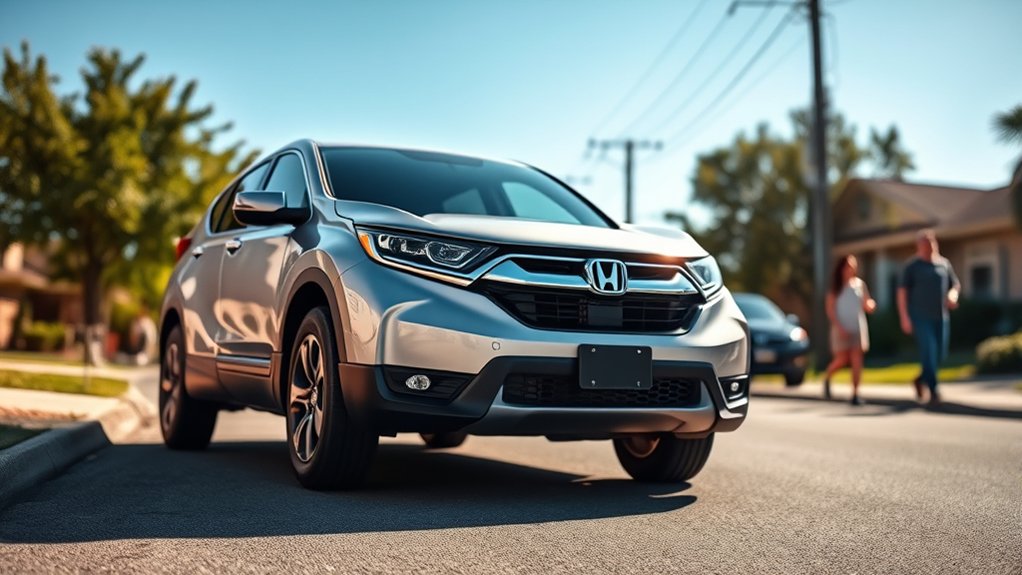
Which Honda CR-V model years stand out for safety? Generally, models from 2015 onward have earned top marks from the IIHS and NHTSA, thanks to improved crash-test performance and advanced safety features like Honda Sensing. These years include forward collision warning, lane-keeping assist, and adaptive cruise control as standard or available options.
If you’re eyeing an older CR-V, be aware that while earlier models are reliable with careful maintenance, they may lack these modern safety technologies. Additionally, some common issues, such as airbag recalls in certain years, should not be overlooked.
Most Fuel-Efficient Honda CR-V Years to Consider
You’ll want to focus on Honda CR-V models known for their top fuel economy, especially recent hybrids that outperform traditional gas versions. Comparing hybrid and gas mileage can help you decide which year suits your driving needs best.
Let’s look at the most fuel-efficient CR-V years to contemplate for your next purchase.
Top Fuel Economy Models
How do you identify the most fuel-efficient Honda CR-V models worth considering? Focus on model years with proven fuel economy ratings and reliable maintenance records.
Generally, the 2015 to 2016 CR-Vs stand out, offering up to 28 mpg combined without the complexity of hybrid systems. These years balance efficiency and dependability well, avoiding the unreliable maintenance issues seen in some earlier or heavily redesigned models.
While newer models may offer slight improvements, questionable resale values sometimes offset their benefits. When choosing, prioritize models with consistent fuel economy and fewer mechanical concerns to save on long-term costs.
Hybrid Vs. Gas Mileage
Wondering whether a hybrid or gasoline-powered Honda CR-V offers better fuel efficiency? Here’s a clear breakdown to help you decide based on fuel economy and hybrid performance:
- Hybrid models, especially from 2020 onward, typically provide superior fuel economy, averaging around 40 mpg combined.
- Gasoline CR-Vs from recent years average about 28-30 mpg, which is efficient but less so than hybrids.
- Hybrid performance balances fuel savings with smooth acceleration, making them ideal for city and highway driving.
- Gas-powered CR-Vs offer slightly lower maintenance costs and are often less expensive upfront, but at the cost of higher fuel consumption.
You’ll want to weigh fuel economy against purchase price and driving needs to choose the best CR-V year and model for you.
Best Honda CR-V Years for Interior Space and Comfort
Which Honda CR-V model years offer the best combination of interior space and comfort? If you value refined interior materials and thoughtfully designed seating, the 2017-2019 models excel. They offer enhanced cabin space compared to earlier years, complemented by larger wheel sizes that improve ride stability without compromising comfort.
The 2020 and newer models further elevate comfort with updated materials and slightly expanded legroom.
| Model Year | Interior Materials | Wheel Sizes (inches) |
|---|---|---|
| 2014-2016 | Durable, but basic | 17-18 |
| 2017-2019 | Upgraded soft-touch surfaces | 18-19 |
| 2020+ | Premium finishes, spacious | 18-19 |
Choosing between these depends on your preference for material quality or space optimization.
Affordable Honda CR-V Years That Don’t Sacrifice Quality
While newer Honda CR-V models impress with upgraded interiors and added comfort, several earlier model years deliver excellent value without compromising on quality. You can avoid pricing myths and dealership tactics by focusing on these affordable yet reliable years:
- 2014 – A sweet spot offering solid performance and modern features at a reasonable price.
- 2016 – Known for its reliability and improved fuel efficiency, balancing cost and quality.
- 2012 – Older but well-built, with fewer electronic complexities reducing repair costs.
- 2015 – Combines a comfortable ride with durability, often overlooked in pricing discussions.
How Resale Value Varies Across Different Honda CR-V Years
How does resale value differ among Honda CR-V model years? You’ll find that resale value closely ties to reliability factors like maintenance costs and common issues.
For example, newer models often hold value better due to updated features and improved durability, but some older models with proven reliability can also retain value well.
| Model Year Range | Average Resale Value % | Notable Reliability Factors |
|---|---|---|
| 2015-2017 | 65-70% | Strong engine, minor electronics issues |
| 2018-2020 | 70-75% | Enhanced safety features, fewer recalls |
| 2021-2023 | 75-80% | Latest tech, improved fuel efficiency |
Understanding these dynamics helps you gauge what Honda CR-V year offers the best balance of resale value and reliability factors.
How to Find the Right Honda CR-V Year for You
Choosing the right Honda CR-V year depends on your priorities, such as budget, desired features, and reliability expectations. To find your ideal model, consider these steps:
- Evaluate your budget Older models may cost less but could need more maintenance, while newer ones offer updated features and warranty coverage.
- Review the maintenance schedule Some years have more frequent or costly upkeep needs.
- Compare reliability ratings Look for data on common issues and recalls for each year.
- Prioritize features Decide if you want advanced safety tech, fuel efficiency, or infotainment upgrades available in certain model years.
Frequently Asked Questions
What Are Common Maintenance Costs for Different Honda CR-V Model Years?
You’ll find maintenance costs vary by Honda CR-V model years, with older models usually having higher ownership costs due to more frequent repairs.
Regular oil changes and brake replacements remain consistent expenses across all years.
How Do Honda CR-V Engine Options Vary by Year?
You’ll find Honda CR-V engine options vary by year, with early models offering 2.0L or 2.4L engines. Transmission changes include shifting from 5-speed manuals to CVTs in newer years, improving efficiency and smoothness.
Are There Any Recalls Specific to Certain Honda CR-V Years?
You’ll find recall history varies by Honda CR-V year, impacting maintenance costs. Some models faced airbag or transmission recalls, so check specific years carefully to avoid unexpected repairs and ensure safer, cost-effective ownership.
What Are the Best Years for Honda CR-V Towing Capacity?
You might expect new models to tow more, but older Honda CR-Vs, like 2015-2016, offer decent towing with better fuel economy than newer ones.
Balancing new vs old helps you choose the right towing capacity.
How Do Insurance Rates Differ for Various Honda CR-V Model Years?
You’ll find insure costs vary by Honda CR-V model year due to differing safety features and repair expenses. Older models may have higher maintenance bills, increasing insurance premiums, while newer ones generally cost less to insure overall.
Conclusion
Choosing the best Honda CR-V year is like finding the perfect chapter in a well-loved book—each has its strengths. If reliability and balanced features matter most, the 2015–2016 models offer a dependable story. For cutting-edge tech and safety, 2017–2020 chapters shine.
Understanding your priorities helps you pick a year that fits your journey. This ensures you drive away confident, knowing your CR-V matches both your needs and budget.
Ultimately, the best year of Honda CR-V to buy depends on what you value most, whether it’s reliability, technology, or safety features.