You might not realize that Honda warranty lengths vary substantially depending on whether your vehicle is new or used, and that coverage can differ by warranty type. For instance, the basic warranty on new Hondas lasts 3 years or 36,000 miles, while the powertrain warranty extends to 5 years or 60,000 miles.
But what about corrosion protection, or the specifics on used vehicle warranties? Understanding these details can help you know exactly what protection you have. Knowing the exact terms of your Honda warranty ensures you make the most of your coverage.
Key Takeaways
- Honda’s basic warranty covers new vehicles for 3 years or 36,000 miles, whichever comes first.
- The powertrain warranty lasts 5 years or 60,000 miles for new Honda vehicles.
- Corrosion warranty protects rust-through perforation for 5 years with unlimited mileage on new Hondas.
- Used Honda warranty coverage varies by vehicle age, mileage, and sale type.
- Roadside assistance may be included for a limited period on new Honda vehicles.
How Long Is the Basic Honda Warranty?
Wondering how long the basic Honda warranty lasts? Honda provides a limited warranty that covers most new vehicles for three years or 36,000 miles, whichever comes first. This warranty includes repairs and replacements for defects in materials and workmanship, covering essential components such as gasoline engines.
However, keep in mind that this basic warranty does not cover wear-and-tear items or damage from accidents. Separate from the basic warranty, Honda offers tire warranties that vary depending on the tire manufacturer and model, generally covering defects and premature wear for a specific mileage range, often around 40,000 to 60,000 miles.
Understanding these distinctions helps you know what protections you have when driving your Honda and what maintenance or repairs might fall outside the basic coverage period.
What Does the Honda Powertrain Warranty Cover?
You’ll find that the Honda powertrain warranty covers essential components like the engine, transmission, and drivetrain. However, it’s important to understand the specific limitations, such as exclusions for wear-and-tear parts or damage from misuse.
Knowing exactly what’s covered helps you maximize your warranty benefits.
Powertrain Components Included
What exactly does Honda’s powertrain warranty cover? It protects key components that keep your vehicle running smoothly, focusing mainly on the engine, transmission, and drivetrain parts.
This means if you experience issues with your engine block, cylinder heads, or timing belt, Honda has you covered. The warranty excludes routine engine maintenance, so tasks like oil changes or replacing filters fall on you.
Additionally, components unrelated to powertrain function, such as interior features like seats or dashboard electronics, aren’t included. The coverage ensures repairs or replacements of defective parts within the warranty period, helping you avoid unexpected costs.
Understanding which parts are covered lets you maintain your vehicle confidently without worrying about major system failures.
Warranty Coverage Limitations
While Honda’s powertrain warranty covers many essential components like the engine and transmission, it’s important to recognize its limitations. The warranty generally excludes wear-and-tear parts, damage from accidents, and issues caused by improper maintenance.
For new models, including electric options, the battery and related electrical components may have separate coverage terms. Understanding what’s not covered helps you avoid unexpected expenses.
| Coverage Aspect | Included Components | Exclusions |
|---|---|---|
| Engine & Transmission | Major internal parts | Normal wear, fluid leaks |
| Electric Options (New Models) | Battery, electric motor | Battery degradation, external damage |
| General Limitations | Manufacturing defects | Accidents, misuse, unauthorized repairs |
This clarity ensures you know what protection your Honda powertrain warranty truly offers.
How Does Honda’s Corrosion Warranty Work?
How does Honda’s corrosion warranty protect your vehicle over time? Honda offers a corrosion warranty that covers rust-through perforation on sheet metal components. This warranty typically lasts for 5 years with unlimited mileage, ensuring that if rust causes holes in your vehicle’s body, Honda will repair or replace the affected parts.
It’s important to note that this coverage excludes surface rust or cosmetic blemishes, focusing solely on structural integrity. When discussing this, avoid irrelevant topics or off-topic discussions such as general maintenance or unrelated repairs, since they don’t apply here.
The warranty safeguards against defects in materials and workmanship that lead to corrosion, but it won’t cover damage caused by accidents, environmental factors, or improper care. Understanding these specifics helps you gauge how well Honda protects your vehicle’s body over time.
Do New and Used Hondas Have Different Warranties?
When you buy a new Honda, you get comprehensive warranty coverage that typically includes powertrain and bumper-to-bumper protection.
Used Hondas often come with limited warranty options, which can vary depending on the vehicle’s age and mileage. It’s also important to understand Honda’s warranty transfer rules, as they affect coverage when ownership changes.
New Honda Warranty Coverage
What warranty coverage can you expect when buying a new Honda? Typically, new Hondas come with a 3-year/36,000-mile limited warranty covering repairs due to manufacturing defects. Additionally, you get a 5-year/60,000-mile powertrain warranty that covers key components like the engine and transmission.
This warranty supports your vehicle’s fuel efficiency by ensuring essential systems function properly. Honda also offers a 5-year/unlimited-mileage corrosion warranty. Following the recommended maintenance schedules is critical to keep your warranty valid, so be diligent about servicing your car at authorized dealers.
New Hondas may also include roadside assistance for a set period. Overall, the new Honda warranty provides thorough protection, helping you maintain your vehicle’s performance and longevity with confidence.
Used Honda Warranty Options
Are you aware of the differences between warranties for new and used Hondas? When you buy a used Honda, the original new car warranty usually has expired or is close to expiring, so the coverage differs substantially.
Used Hondas typically come with limited warranty options, including:
- Certified Pre-Owned (CPO) Warranty: Extended coverage with strict inspection based on reliability ratings.
- Dealer-Provided Warranty: Short-term protection often aligned with specific maintenance schedules.
- Third-Party Warranty: Customizable plans that vary by provider and vehicle condition.
Understanding these options helps you make informed decisions. While new Hondas benefit from thorough warranties, used models depend on these alternative protections.
Always review the reliability ratings and ensure you follow recommended maintenance schedules to maximize your used Honda’s warranty benefits.
Warranty Transferability Rules
Understanding how Honda warranties transfer can clarify what protections you retain if you sell or buy a new or used vehicle. Honda’s warranty transferability generally allows the coverage to pass from the original owner to subsequent owners, but coverage limits and terms may vary.
For new Hondas, the original manufacturer’s warranty, including the basic and powertrain warranties, typically transfers automatically without additional cost, maintaining the original coverage limit based on time and mileage.
Used Hondas sold through dealerships often come with certified pre-owned warranties, which may offer different coverage limits and transfer rules. However, private sales might not guarantee warranty transferability.
Always check the specific warranty documents to confirm if the coverage limit applies to you and understand any conditions affecting transferability before completing a transaction.
What’s Not Covered by Honda’s Warranty?
Why doesn’t Honda cover certain repairs under its warranty? The answer lies in maintaining fairness and clarity by excluding irrelevant topics and unrelated themes that don’t directly affect your vehicle’s reliability.
Honda’s warranty focuses on manufacturing defects, not issues caused by external factors or wear and tear. Here’s what’s typically not covered:
- Damage from accidents, misuse, or neglect
- Routine maintenance items like brake pads or oil changes
- Problems caused by aftermarket parts or unauthorized repairs
Understanding these exclusions helps you avoid unexpected expenses and keeps you informed about what falls outside the warranty’s scope. By excluding unrelated themes, Honda ensures the warranty remains focused on genuine defects, protecting both you and the manufacturer from ambiguous claims.
How to Check Your Honda Warranty Status
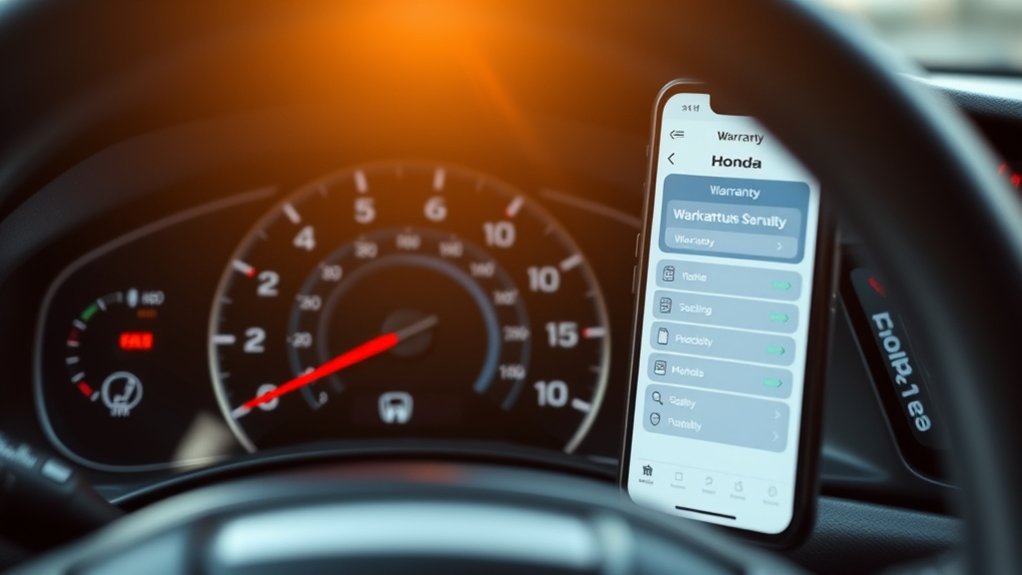
Knowing what’s excluded from Honda’s warranty is just one part of managing your coverage. To stay informed, you’ll want to know how to check your warranty status regularly.
Start by visiting Honda’s official website and navigating to the warranty section. You’ll need your vehicle identification number (VIN), which you can find on your registration or inside the driver’s side door.
Entering your VIN allows the system to display your specific warranty details, including coverage duration and any remaining benefits. Alternatively, you can contact your local Honda dealer’s service department, where staff can verify your warranty status using your VIN.
Checking your warranty status this way ensures you’re aware of your protections and can plan maintenance or repairs accordingly.
How to Make a Honda Warranty Claim
Before you make a Honda warranty claim, gather all necessary documents such as your proof of purchase, maintenance records, and warranty information. This preparation ensures a smooth process and helps avoid delays.
Next, contact an authorized Honda dealership or service center to report the issue. Be clear about the problem and provide all relevant documentation. Avoid discussing non automotive or irrelevant topics during your claim to keep the process focused and efficient.
Here’s what you should do:
- Clearly describe the defect or issue covered by your warranty.
- Present all maintenance and repair history to verify proper care.
- Follow the dealership’s instructions for inspection or repairs.
Frequently Asked Questions
Can Honda Warranty Be Transferred to a New Owner?
Yes, Honda warranty offers transferable coverage during an ownership change. You’ll need to notify Honda and provide necessary documents to ensure the new owner benefits from the remaining warranty period without any interruptions or complications.
Does Honda Offer Extended Warranty Options?
Just like choosing a shield in battle, you can opt for Honda’s extended coverage to protect your vehicle beyond the standard warranty.
Compare costs carefully to ensure this extra armor fits your budget and needs.
Are Hybrid Components Covered Under Honda Warranty?
Yes, Honda covers hybrid components, including battery longevity, under warranty. This guarantees hybrid durability by protecting critical parts from defects.
You can drive confidently knowing key hybrid systems have reliable, manufacturer-backed coverage.
How Do Warranties Differ by Honda Vehicle Model?
You’ll find model specific coverage varies, especially for hybrids or electrics, with some parts covered longer. However, dealership limitations might affect claims, so always review your vehicle’s exact warranty details before relying on coverage.
Is Routine Maintenance Required to Keep the Warranty Valid?
Yes, you must follow routine maintenance to maintain your warranty eligibility. Sticking to Honda’s recommended service intervals ensures your vehicle stays covered. It also prevents warranty claims from being denied due to neglect or improper care.
Conclusion
You should know that Honda’s basic warranty covers your vehicle for 3 years or 36,000 miles, while the powertrain warranty lasts 5 years or 60,000 miles. This means you’re protected during the critical early years of ownership.
Always check your specific warranty status by VIN, especially if you have a used Honda, since coverage can vary. Understanding these details helps you maintain your vehicle confidently and avoid unexpected repair costs.
Knowing how long is Honda warranty gives you peace of mind and ensures you get the most out of your investment.