You might wonder if the Honda Ridgeline is reliable and truly lives up to its reputation for dependability. While many owners report a trouble-free experience with regular upkeep, there are some common concerns like transmission wear and electrical quirks.
Understanding how the Honda Ridgeline performs compared to other midsize trucks and what maintenance costs to expect can give you a clearer picture. This information helps determine whether this vehicle suits your daily driving needs.
Key Takeaways
- Honda Ridgelines are generally reliable, offering consistent performance and durability for daily driving and commuting.
- Owners report minimal mechanical issues, with positive feedback on fuel economy and cabin quietness.
- Common problems include transmission rough shifting, suspension wear, and electrical sensor malfunctions.
- Routine maintenance costs are moderate, typically $300 to $500 annually, lower than some midsize pickup rivals.
- Proper fluid checks, brake inspections, and timely repairs enhance long-term reliability and driving comfort.
Is the Honda Ridgeline Reliable? An Overview
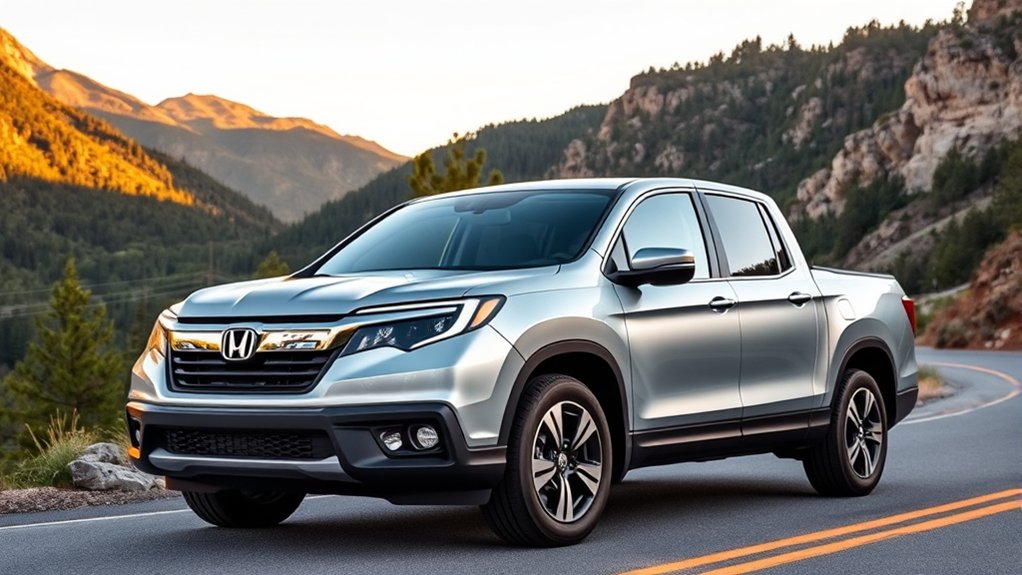
How reliable is the Honda Ridgeline in everyday use? You’ll find that this midsize pickup stands out for its consistent performance and durability. Unlike some trucks that focus solely on towing or off-road capabilities, the Ridgeline offers a balanced approach, excelling in daily driving comfort and utility.
When you make a value comparison with other trucks in its class, the Ridgeline often scores well for fewer repairs and lower maintenance costs. It’s important to note that discussions about unrelated topics, such as advanced tech features or styling, don’t directly affect its reliability.
How Do Owners Rate Honda Ridgeline Reliability?
What do actual owners say about the Honda Ridgeline’s reliability? Many praise its consistent performance and minimal mechanical issues, highlighting a dependable driving experience. Owners often note the Ridgeline’s efficient fuel economy, especially for a mid-size pickup, making it a practical choice for daily use.
The truck’s cabin noise levels also receive positive feedback, with most appreciating its quiet, comfortable interior compared to competitors. These factors contribute to high overall satisfaction ratings among Ridgeline drivers. You’ll find owners value the balance between utility and comfort, as well as the truck’s robust build quality.
While individual experiences vary, the general consensus points to a reliable vehicle that meets expectations for durability and everyday usability.
What Issues Do Honda Ridgeline Owners Face?
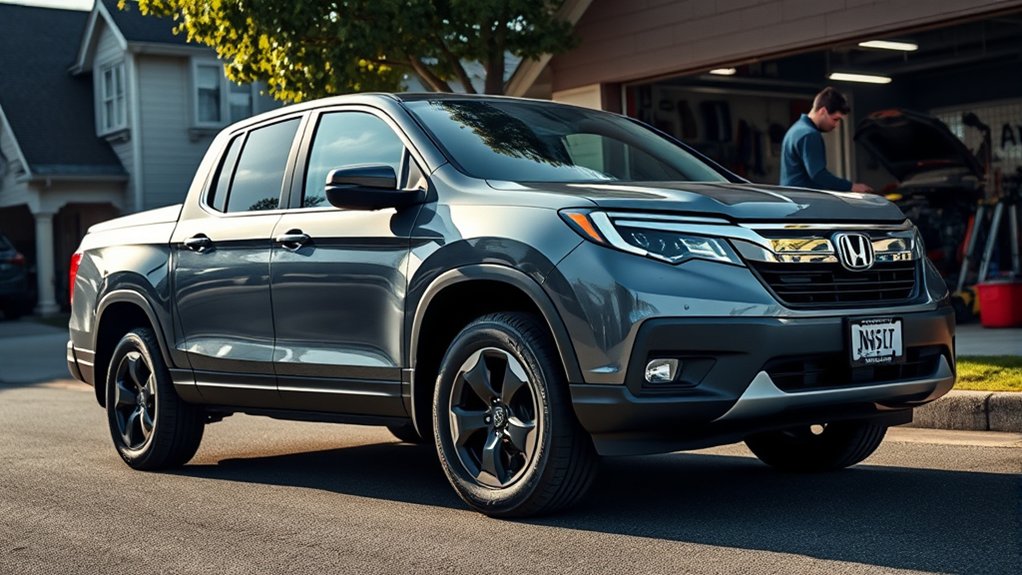
You might encounter some common mechanical problems with the Honda Ridgeline, such as issues with the suspension or drivetrain. Electrical system concerns, including sensor malfunctions and warning lights, can also arise.
Additionally, wear and tear on components like brakes and tires may require attention over time.
Common Mechanical Problems
When dealing with mechanical problems in the Honda Ridgeline, you’ll most commonly encounter issues related to the transmission, suspension, and electrical systems. Transmission concerns often include rough shifting or delayed engagement, which can impact fuel efficiency and overall driving smoothness.
Suspension problems may manifest as premature wear of components like bushings and struts, affecting ride quality and safety by compromising handling stability. While electrical system concerns will be detailed separately, mechanical issues can indirectly influence them, so regular maintenance is crucial.
Addressing these mechanical problems promptly helps maintain your Ridgeline’s reliability and performance. Staying vigilant about these typical issues ensures you can enjoy your truck’s capabilities without compromising safety or fuel economy over time.
Electrical System Concerns
Alongside mechanical challenges, the Honda Ridgeline’s electrical system can present its own set of issues that affect overall reliability. You might encounter electrical gremlins that cause intermittent problems with lighting, infotainment, or power accessories.
Battery corrosion is another concern, potentially leading to poor connections and starting difficulties. Here are common electrical system concerns Ridgeline owners face:
- Faulty wiring harnesses causing shorts or erratic behavior.
- Malfunctioning sensors triggering warning lights unnecessarily.
- Problems with the alternator resulting in inconsistent charging.
- Battery corrosion at terminals leading to weak electrical flow and starting issues.
Understanding these issues helps you anticipate maintenance needs and address electrical problems promptly to maintain your Ridgeline’s reliability.
Wear and Tear Issues
How do everyday driving habits and mileage impact the Honda Ridgeline’s durability? As you rack up miles, normal wear concerns will naturally arise, especially in high-contact areas like brake pads, tires, and suspension components.
Regular maintenance helps mitigate these issues, but neglect can accelerate deterioration. Additionally, depending on your environment, rust risks may become a significant factor. Ridgelines driven in regions with heavy road salt exposure or high humidity are more prone to corrosion, particularly on the undercarriage and wheel wells.
Paying attention to these areas during inspections can prevent long-term damage. By understanding these wear and tear issues, you can take proactive steps to maintain your Ridgeline’s reliability, ensuring it continues to perform well over time despite the demands of daily use and mileage accumulation.
How Does the Ridgeline’s Reliability Compare to Other Midsize Trucks?
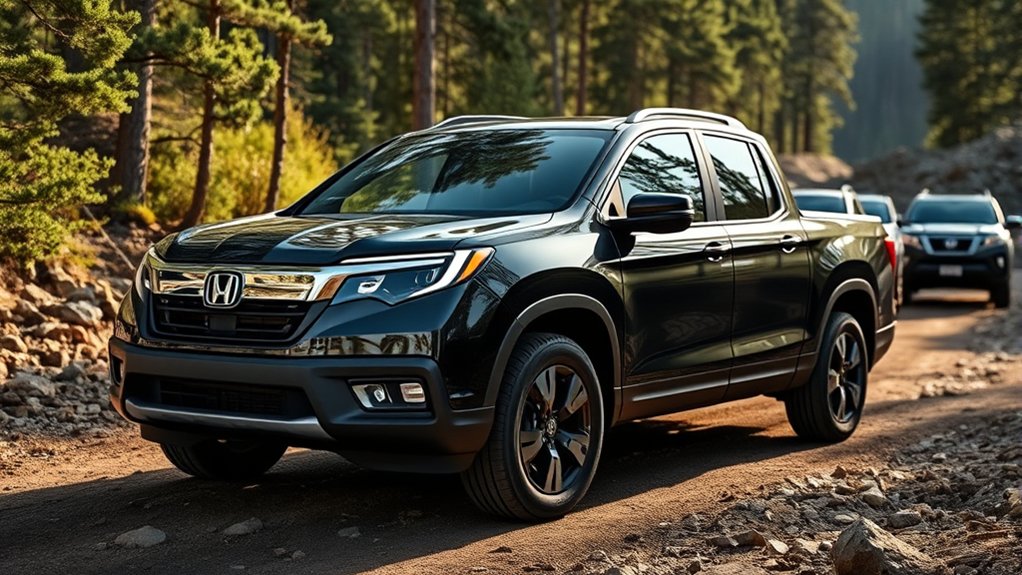
What sets the Honda Ridgeline apart in terms of reliability compared to other midsize trucks? Unlike unrelated topic discussions or off topic comparisons, focusing on true reliability metrics reveals the Ridgeline excels. Here’s why:
- Consistent Maintenance Records: The Ridgeline shows fewer unexpected repairs than many rivals.
- Durable Powertrain: Its V6 engine and transmission have a strong reputation for longevity.
- Advanced Safety Features: Comes standard, reducing the risk of costly accident-related repairs.
- Lower Recall Frequency: Compared to competitors, it has fewer recalls, indicating solid build quality.
If you compare the Ridgeline to trucks like the Toyota Tacoma or Ford Ranger, you notice less frequent mechanical failures and better owner satisfaction. This reliable performance makes it a smart choice within the midsize truck segment.
How Much Does It Cost to Maintain a Honda Ridgeline?
You can expect routine maintenance on a Honda Ridgeline, like oil changes and brake inspections, to cost around $300 to $500 annually. Common repairs, such as replacing brake pads or tires, may add to these expenses but tend to be reasonably priced compared to other midsize trucks.
Understanding these costs helps you budget effectively for keeping your Ridgeline in good condition.
Routine Maintenance Expenses
Routine maintenance expenses for a Honda Ridgeline generally remain reasonable compared to other midsize trucks. When planning your maintenance budgeting, consider the following key routine costs:
- Oil Changes Typically every 5,000 to 7,500 miles, costing around $40-$70 each.
- Tire Rotation and Balancing Recommended every 6,000 to 8,000 miles, averaging $20-$50.
- Brake Inspection and Pads Replacement Brake pads can last 30,000 to 70,000 miles; replacement costs vary but usually fall between $150-$300.
- Battery Life and Replacement A Ridgeline battery lasts about 3 to 5 years; replacement ranges from $100-$200.
Common Repair Costs
How much should you expect to spend on common repairs for a Honda Ridgeline? Typical repair costs remain reasonable, reflecting the truck’s overall reliability. While discussing repair costs might seem like an unrelated topic to reliability, understanding expenses helps you assess long-term value.
Here’s a breakdown of average repair costs illustrating no random pairing with unrelated expenses:
| Repair Type | Average Cost (USD) | Frequency |
|---|---|---|
| Brake Pads | $150 – $250 | Every 30,000 mi |
| Alternator | $400 – $600 | Every 80,000 mi |
| Suspension Components | $300 – $700 | As needed |
These costs can vary by location and service provider but give you a solid baseline for budgeting maintenance beyond routine services.
How Can You Maintain Honda Ridgeline Reliability?
What steps guarantee your Honda Ridgeline stays dependable over time? Maintaining reliability requires consistent care and avoiding pitfalls like basing maintenance decisions on an unrelated topic or false comparison with different vehicle models.
- Follow the manufacturer’s recommended service schedule precisely, including oil changes, filter replacements, and brake inspections.
- Regularly check fluid levels, such as engine oil, transmission fluid, brake fluid, and coolant, to prevent mechanical issues.
- Inspect tires for wear and maintain proper tire pressure to ensure safety and extend tire life.
- Address minor repairs promptly to prevent escalation into major problems.
Is the Honda Ridgeline Reliable Enough for Daily Driving?
Maintaining your Honda Ridgeline properly sets a strong foundation for its dependability, especially when used for everyday driving. The Ridgeline’s reliability is generally solid, making it a practical choice for daily commutes and errands.
You’ll appreciate its smooth ride and good seating comfort, which reduces fatigue during longer drives. However, some owners note insulation concerns, particularly regarding road and wind noise, which can affect cabin quietness. While these issues don’t typically impact mechanical reliability, they might influence your overall driving experience.
Regular maintenance, including timely oil changes and brake inspections, helps keep your Ridgeline running smoothly. Considering its balance of comfort and dependability, the Honda Ridgeline stands as a reliable option for daily driving, though addressing insulation concerns may enhance your satisfaction.
Frequently Asked Questions
What Are the Engine Options Available for the Honda Ridgeline?
You get a 3.5-liter V6 engine as the primary engine choice in the Honda Ridgeline, balancing power and efficiency. This choice helps keep maintenance costs reasonable while delivering smooth performance and reliability.
Does the Honda Ridgeline Have Advanced Safety Features?
Yes, the Honda Ridgeline includes advanced tech like Honda Sensing, which offers adaptive cruise control, collision mitigation, and lane-keeping assist.
Don’t buy into safety rumors; it’s designed with comprehensive, reliable safety features to protect you.
What Is the Fuel Economy of the Honda Ridgeline?
You’ll get about 19 MPG city and 26 MPG highway with the Honda Ridgeline. Don’t buy into fuel economy myths. It balances efficiency with off-road capabilities, making it practical for both everyday driving and rugged adventures.
How Spacious Is the Honda Ridgeline’s Interior?
You’ll find the Honda Ridgeline’s interior spacious, offering comfortable seating for five and impressive cargo flexibility. Its clever storage solutions and flat load floor make it easy to haul gear or passengers without sacrificing comfort.
What Are the Towing Capacities of the Honda Ridgeline?
You’ll find the Honda Ridgeline tows up to 5,000 pounds, perfect for hauling gear without extra shipping costs.
Plus, plenty of aftermarket accessories help optimize towing performance and convenience, making your trips smoother and safer.
Conclusion
You might think the Honda Ridgeline could break down at the worst moment, but it’s actually built to handle your daily grind with impressive reliability. With regular maintenance, you’ll dodge major issues like transmission or suspension failures that plague other trucks.
It’s not just a dependable ride—it’s practically a workhorse disguised as a comfortable midsize truck. If you want a hassle-free daily driver, the Ridgeline’s got your back.
In conclusion, when considering a durable and trustworthy vehicle, the Honda Ridgeline is a top choice for those prioritizing reliability.