You can use a Jeep Wrangler for Lyft if it meets specific requirements like being a 2011 model or newer, having four doors, and maintaining safety features like working seat belts and airbags.
The vehicle should not have oversized tires or modifications that reduce comfort or safety.
While Wranglers offer a unique ride and durability, they come with higher fuel and maintenance costs.
If you want to understand how this impacts your Lyft options and earnings, more detailed insights are available.
Key Takeaways
- Jeep Wranglers from model year 2011 or newer can qualify for Lyft if they meet vehicle condition and safety requirements.
- Four-door Jeep Wranglers are preferred for Lyft Standard due to adequate passenger space; two-door models often do not qualify.
- Modifications like oversized tires or lifted suspensions may disqualify a Jeep Wrangler for Lyft service.
- Wranglers generally qualify for Lyft Standard and Lyft XL but are not eligible for Lyft Lux due to luxury standards.
- Maintaining clean interiors, functional safety features, and up-to-date insurance is essential for Lyft approval with a Jeep Wrangler.
Is Your Jeep Wrangler Eligible for Lyft Driving?
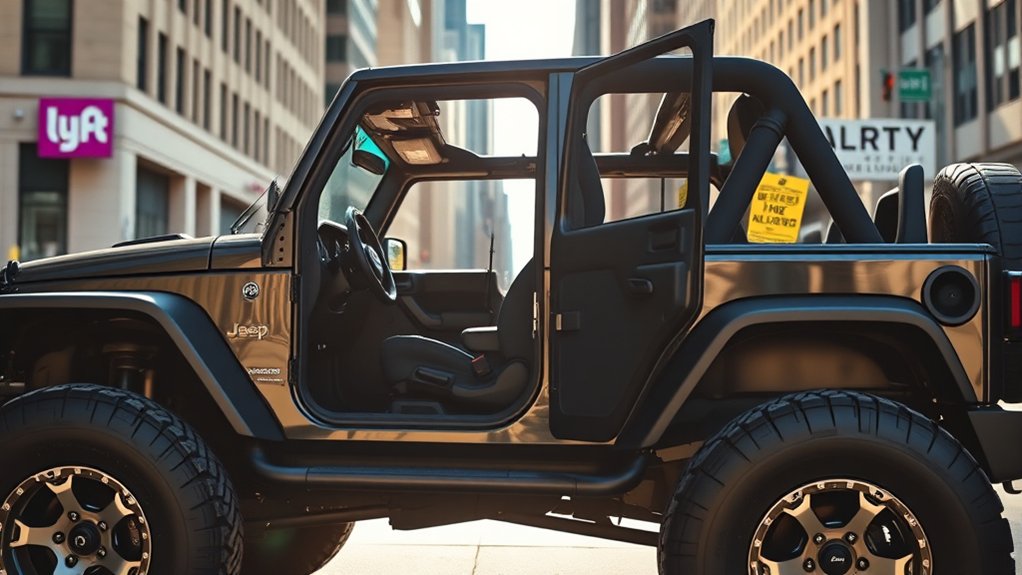
Wondering if your Jeep Wrangler meets Lyft’s requirements? To determine eligibility, you need to assess your vehicle’s condition and any Jeep Wrangler modifications you’ve made. Lyft driver experiences highlight that while Jeeps are popular for their rugged appeal, certain modifications, such as oversized tires or lifted suspensions, can impact vehicle approval.
Lyft prioritizes safety and comfort, so any changes affecting ride quality or compliance with local regulations might disqualify your Wrangler. Additionally, clean interiors and functional amenities improve passenger experience, which many drivers note in their feedback.
Lyft Vehicle Requirements for Jeep Wranglers?
Before you hit the road with your Jeep Wrangler for Lyft, you need to guarantee it meets specific vehicle age and condition standards. You’ll also want to confirm your Wrangler has all required features, like working seatbelts and doors.
Plus, your insurance and registration must be up to date to comply with Lyft’s regulations.
Vehicle Age And Condition
Although Jeep Wranglers are known for their rugged durability, Lyft enforces specific vehicle age and condition standards that you must meet to qualify for driving. Generally, Lyft requires vehicles to be model year 2011 or newer, but this can vary by city.
Your Wrangler should be free of major cosmetic damage, with functional doors, windows, and lights to guarantee passenger safety and comfort. If you’ve made Jeep modifications, keep in mind they shouldn’t compromise ride comfort or safety. For example, oversized tires or suspension lifts might affect handling and passenger experience.
Regular maintenance and inspections are essential. A well-kept Wrangler not only meets Lyft’s standards but also delivers a smoother ride, helping you maintain positive ratings and consistent rideshare earnings.
Required Vehicle Features
Since Lyft aims to guarantee passenger safety and comfort, your Jeep Wrangler must meet specific feature requirements to qualify for rideshare service. First, your Wrangler should have functional safety features such as working seat belts for all passengers and operational airbags.
Adequate passenger space is essential; a standard four-door Wrangler typically meets this, but extensive Jeep modifications that reduce interior room or remove rear seats might disqualify your vehicle. Additionally, the vehicle must have four doors to accommodate passengers comfortably, which means two-door Wranglers often don’t qualify.
Your Jeep must also have fully intact windows and doors to secure safety and climate control. Any Jeep modifications should maintain or enhance these features rather than compromise them, ensuring your Wrangler aligns with Lyft’s standards for a professional and secure rideshare experience.
Insurance And Registration
When you use your Jeep Wrangler for Lyft, ensuring that your insurance and registration meet Lyft’s specific requirements is essential for legal compliance and passenger protection. Lyft mandates that you carry personal auto insurance plus rideshare insurance or commercial insurance, depending on your driving status.
The registration process must reflect the vehicle’s current owner and be up to date to avoid service interruptions. Proper documentation helps you pass Lyft’s vehicle inspection and verification steps smoothly.
| Requirement | Detail | Importance |
|---|---|---|
| Insurance Types | Personal + Rideshare or Commercial | Covers liability and damages |
| Registration Process | Current, valid state registration | Confirms legal vehicle operation |
| Documentation | Upload to Lyft app | Enables driver activation |
Meeting these standards safeguards both you and your passengers.
Which Lyft Service Levels Accept Jeep Wranglers?
If you’re considering using your Jeep Wrangler for Lyft, it’s important to know which service levels officially accept this type of vehicle. Lyft service levels vary in their vehicle requirements, and Jeep Wrangler specifications, such as passenger capacity and vehicle age, play a key role in eligibility. Typically, your Jeep Wrangler qualifies for Lyft’s standard service tiers but may face restrictions in premium categories.
Here are the Lyft service levels that generally accept Jeep Wranglers:
- Lyft Standard: Perfect if your Wrangler has 4 doors and meets the model year requirements.
- Lyft XL: Ideal for Wranglers seating 6 or more passengers comfortably.
- Lyft Lux: Usually excludes Jeep Wranglers due to luxury vehicle criteria.
Checking these details guarantees you match your Jeep to the right Lyft service level.
Benefits of Using a Jeep Wrangler for Lyft
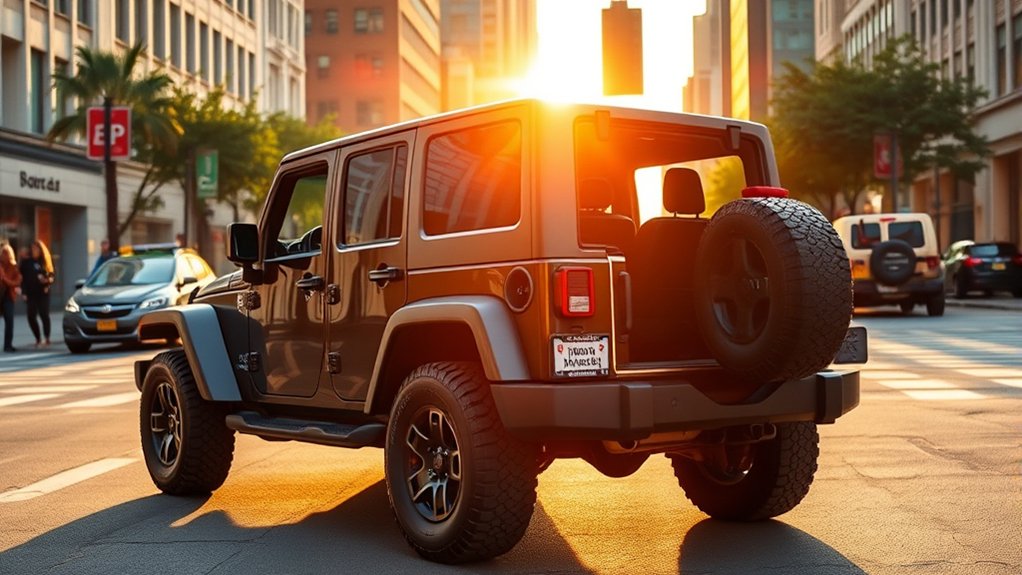
Driving your Jeep Wrangler for Lyft offers unique advantages that can enhance both your and your passengers’ experience. One key Jeep Wrangler advantage is its rugged design, which provides excellent visibility and a commanding driving position, improving safety and comfort during urban and off-road trips.
The spacious interior, with removable doors and roof options, lets you customize the ride to match passenger preferences, making rides more memorable. Additionally, the Wrangler’s durability guarantees reliable performance, reducing downtime and maintenance costs.
These features contribute to a distinctive Lyft driving experience, setting you apart from other drivers. With its blend of style, versatility, and reliability, the Jeep Wrangler can elevate your service quality and attract passengers looking for a unique, enjoyable ride.
Drawbacks of Driving a Jeep Wrangler for Lyft
You’ll notice that driving a Jeep Wrangler for Lyft comes with some trade-offs. The vehicle’s fuel efficiency is lower than many other rideshare options, which can impact your earnings.
Additionally, limited passenger comfort and higher maintenance costs are important factors to weigh before choosing a Wrangler for your Lyft work.
Fuel Efficiency Concerns
Although the Jeep Wrangler offers rugged appeal and off-road capability, it struggles with fuel efficiency compared to more conventional vehicles used for ridesharing. When you consider fuel economy comparisons, the Wrangler’s boxy design and heavy frame lead to higher fuel consumption. This means you’ll spend more on gas, cutting into your earnings.
Even if you apply common fuel efficiency tips, such as maintaining steady speeds or proper tire inflation, the Wrangler’s engine and aerodynamics limit how much you can improve mileage.
You might face:
- Frequent stops at the pump, reducing your time on the road
- Increased operating costs that eat into your Lyft profits
- The challenge of justifying higher fares to passengers aware of these costs
Understanding these concerns is key before choosing a Wrangler for ridesharing.
Limited Passenger Comfort
While the Jeep Wrangler excels in ruggedness and style, it falls short when it comes to passenger comfort, which is an essential factor for Lyft drivers. You’ll notice the limited legroom in the rear seats, which can make longer rides uncomfortable for passengers.
The Wrangler’s design prioritizes off road capability over interior spaciousness, so the cabin feels more compact compared to typical sedans or SUVs used for ridesharing. Additionally, the ride can be rougher due to its suspension setup aimed at handling tough terrain rather than smooth pavement.
If you want to provide a comfortable experience for your passengers, these factors could affect their satisfaction and ratings. So, while the Wrangler turns heads, its limited passenger comfort is a tangible drawback for Lyft drivers.
Higher Maintenance Costs
Because the Jeep Wrangler is built for rugged terrain, its maintenance demands tend to be higher than those of more conventional rideshare vehicles. You’ll face increased maintenance frequency due to the strain off-road capabilities put on the suspension, tires, and drivetrain. This means more frequent visits to the mechanic compared to typical sedans.
Additionally, repair costs for Jeep Wranglers are generally steeper, given their specialized parts and complexity. When driving for Lyft, these expenses can considerably cut into your earnings.
Consider the emotional impact of:
- Unexpected repair bills disrupting your budget
- Frequent maintenance appointments eating into your driving time
- Stress over balancing upkeep costs with Lyft income
Understanding these factors helps you weigh whether a Wrangler fits your rideshare needs.
Preparing Your Jeep Wrangler for Lyft Inspection
Before you take your Jeep Wrangler to a Lyft inspection, make certain it meets all the specific vehicle requirements set by Lyft. Start by reviewing the inspection checklist carefully, focusing on safety features like seat belts, airbags, and functioning lights.
Ensure your Jeep Wrangler meets Lyft’s vehicle requirements by checking seat belts, airbags, and lights before inspection.
If you’ve made any Jeep modifications, verify they don’t interfere with these essentials or Lyft’s standards. Modifications such as oversized tires or lifted suspensions might cause your vehicle to fail inspection if they affect handling or safety.
Check tire tread depth, brake performance, and fluid levels thoroughly. Cleanliness and interior condition also matter, so keep your Jeep spotless inside and out.
Preparing your Jeep Wrangler this way helps you pass the Lyft inspection smoothly and avoid delays in getting on the platform.
Tips to Maximize Earnings With Your Jeep Wrangler on Lyft

Getting your Jeep Wrangler ready for Lyft inspection sets a strong foundation, but maximizing your earnings requires strategic effort beyond compliance. Focus on Wrangler customization options that improve comfort and utility, such as upgraded seating and storage solutions.
Enhancing the rider experience with amenities like phone chargers, bottled water, and clean interiors can boost your ratings and tips. Additionally, leveraging peak hours and special event locations helps you increase ride volume and surge pricing benefits.
Consider these tips:
- Personalize your Jeep’s interior for comfort and style to create a memorable ride.
- Use Rider experience enhancements to encourage positive reviews and repeat customers.
- Strategically plan your driving schedule around high-demand times and areas.
Alternatives to Using a Jeep Wrangler for Lyft Driving
While a Jeep Wrangler offers distinct advantages for Lyft driving, you might find that other vehicles better suit your needs depending on factors like fuel efficiency, passenger comfort, and maintenance costs.
When weighing Jeeps vs. Sedans, sedans generally provide superior fuel economy and smoother rides, which can reduce your operating expenses and improve Comfort Levels for passengers on longer trips.
Sedans typically have lower maintenance costs and easier handling in urban environments, making them practical for daily Lyft driving. If your priority is maximizing earnings through fuel savings and rider satisfaction, sedans might be a better alternative.
However, if you value rugged style and off-road capability, the Wrangler stands out. Ultimately, evaluating your specific driving routes and rider preferences will help you choose the best vehicle for your Lyft business.
How Does a Jeep Wrangler Compare to Other Lyft Cars?
Although the Jeep Wrangler offers unique features like off-road capability and a distinctive aesthetic, it compares differently to other Lyft cars regarding fuel efficiency, passenger comfort, and overall operating costs. The Jeep Wrangler performance excels in rugged terrains, but its ride quality on city streets can feel rough compared to sedans and hybrids commonly used for Lyft.
Fuel economy suffers, increasing your expenses over time. Passenger comfort is another factor; while the Wrangler’s spacious interior appeals to some, its noise levels and ride stiffness often fall short of smoother, quieter rides in other vehicles.
You’ll notice higher fuel costs eating into your earnings. Passengers might prefer a smoother, quieter ride. Maintenance and tire wear can be more frequent due to the Wrangler’s design.
Considering these factors will help you decide if the Jeep Wrangler suits your Lyft driving needs.
Frequently Asked Questions
Can I Customize My Jeep Wrangler’s Interior for Lyft Passengers?
You can customize your Jeep Wrangler’s interior for Lyft by focusing on interior upgrades that boost passenger comfort, like adding seat covers, extra cushions, or ambient lighting. This ensures a more enjoyable and professional ride experience.
How Does Jeep Wrangler Fuel Efficiency Affect Lyft Driving Costs?
Picture frequent stops at the pump; Jeep Wrangler’s fuel efficiency means higher fuel cost analysis is essential. Its limited driving range can increase expenses, so you’ll need to factor that into your Lyft driving budget carefully.
Are Jeep Wranglers More Prone to Maintenance Issues With Lyft Use?
Jeep Wranglers have solid Jeep reliability but higher maintenance costs due to off-road design. If you use one for Lyft, expect more frequent upkeep and repairs compared to typical sedans, impacting your overall expenses considerably.
Can I Use a Jeep Wrangler for Lyft if It Has Aftermarket Modifications?
You can use a Jeep Wrangler with aftermarket modifications for Lyft, but you must guarantee these changes don’t affect vehicle eligibility. Check Lyft’s guidelines carefully, as significant mods might disqualify your vehicle or require inspection.
Does Lyft Provide Any Insurance Discounts for Jeep Wrangler Drivers?
Lyft doesn’t specifically offer insurance coverage discounts for Jeep Wrangler drivers, but you’ll enjoy standard driver benefits like contingent liability and excess coverage during rides.
Check your personal insurance for potential Wrangler-specific savings.
Conclusion
You might worry your Jeep Wrangler isn’t ideal for Lyft, but it actually meets Lyft’s basic vehicle requirements and works well for certain service levels like Lyft XL. While it’s not the most fuel-efficient or quiet option, its durability and style can attract riders looking for a unique experience.
By prepping your Wrangler properly and understanding its limitations, you can confidently maximize your earnings and enjoy driving for Lyft. With the right approach, a Jeep Wrangler can be a valuable asset for your Lyft driving career.
In conclusion, if you’re wondering, “Can you use a Jeep Wrangler for Lyft?” the answer is yes, making it a viable choice for drivers seeking to offer a distinctive ride.