Yes, engine oil does evaporate, especially when exposed to high temperatures over time. The lighter oil fractions vaporize, reducing overall volume and altering viscosity. This can impair lubrication efficiency and affect engine performance.
This evaporation also accelerates oil oxidation and additive degradation, potentially causing sludge buildup inside the engine. You may notice increased oil consumption without visible leaks, rough idling, or burnt-smelling oil as signs of evaporation.
Understanding why this happens and how to manage it can help you maintain ideal engine performance and prolong engine longevity.
Regular oil checks and timely changes are key to preventing issues caused by oil evaporation.
Key Takeaways
- Engine oil can evaporate over time, especially when exposed to prolonged high temperatures.
- Evaporation primarily affects lighter oil fractions, causing changes in viscosity and lubrication quality.
- High heat accelerates oil oxidation and thermal breakdown, increasing evaporation rates.
- Frequent oil top-offs without visible leaks may indicate evaporation-related volume loss.
- Using synthetic oils and maintaining engine health can reduce oil evaporation and degradation.
Does Engine Oil Evaporate Over Time?
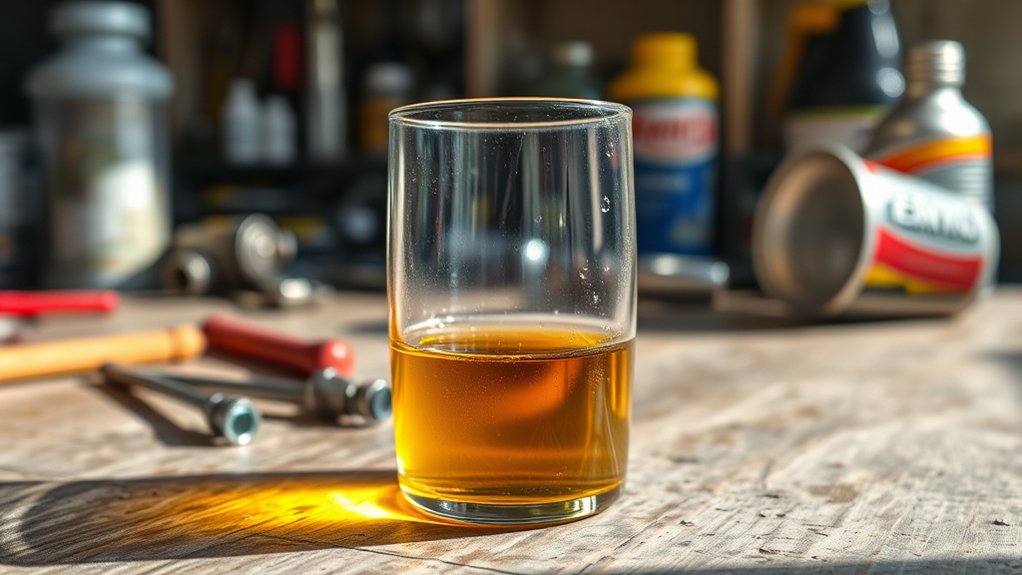
Although engine oil is designed to withstand high temperatures and harsh conditions, it can evaporate over time, especially when exposed to prolonged heat. You should understand that evaporation primarily affects the lighter fractions of the oil, leading to a gradual change in oil viscosity.
As these lighter hydrocarbons evaporate, the oil thickens, potentially impairing lubrication efficiency. Additionally, oil additives, which enhance performance and protect engine components, can degrade or dissipate during evaporation, reducing the oil’s overall effectiveness.
While modern formulations use additives to mitigate this effect, you must monitor oil levels regularly to compensate for losses. Understanding the balance between oil viscosity and additive concentration is essential for maintaining peak engine protection and performance despite inevitable evaporation over time.
How High Temperatures Affect Engine Oil
When engine oil is exposed to high temperatures, its chemical structure and physical properties undergo significant changes that can compromise lubrication performance. You’ll notice that high temperature effects accelerate oil oxidation, breaking down additive compounds and base oil molecules.
This degradation alters oil viscosity changes, often causing the oil to thin out, reducing its ability to maintain a protective film between engine components. Conversely, in some cases, thermal stress can lead to thickening due to polymerization. Both scenarios impair your engine’s wear protection and increase friction.
Additionally, high temperatures promote the formation of sludge and varnish deposits, further hindering oil flow and heat dissipation. Understanding these high temperature effects is essential to selecting oils with appropriate thermal stability and viscosity grades to guarantee peak engine performance and longevity.
Why Engine Oil Loses Volume: Evaporation Explained
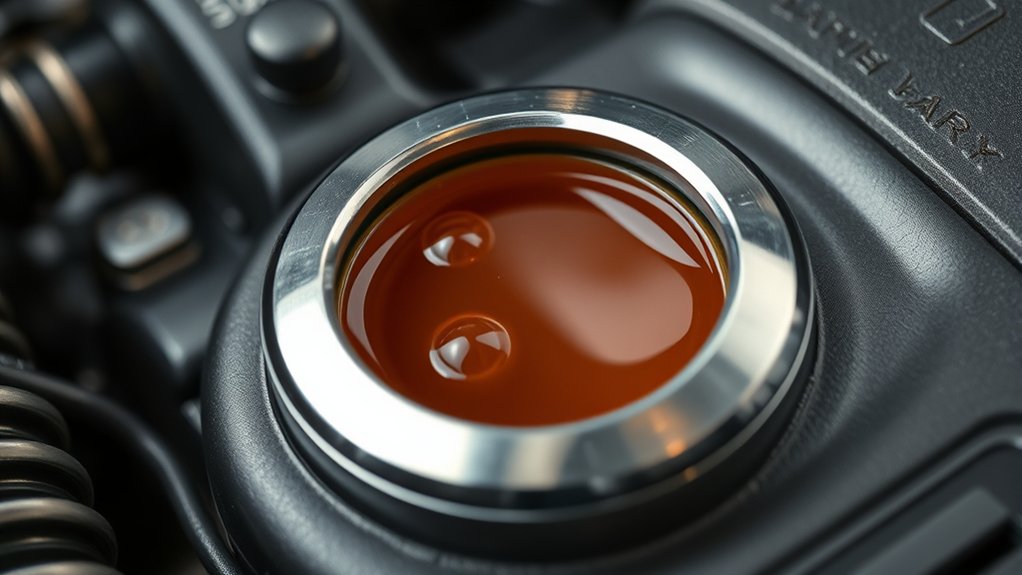
High temperatures not only alter engine oil’s chemical makeup but also contribute to its gradual volume reduction through evaporation. As the oil heats up, lighter fractions volatilize, decreasing overall volume and changing oil viscosity. Thermal breakdown accelerates this process, causing molecular degradation that promotes evaporation.
You’ll notice evaporation impacts your engine oil by:
- Reducing lubrication efficiency due to lower oil volume
- Increasing oil viscosity fluctuations, affecting performance
- Accelerating thermal breakdown, further compromising oil stability
- Causing frequent top-ups to maintain proper oil levels
Understanding evaporation’s role helps you monitor engine oil health accurately, preventing premature wear and maintaining peak engine function.
Signs Your Engine Oil Is Evaporating
How can you tell if your engine oil is evaporating? One clear sign is an unexplained increase in oil consumption without visible leaks. If you consistently need to top off your oil more frequently, evaporation could be the culprit.
Additionally, monitor your engine performance; evaporated oil reduces lubrication, causing increased friction and potential overheating. This decline often manifests as rough idling, reduced power, or unusual engine noises.
Inspect the oil level using the dipstick regularly. Rapid drops indicate significant volume loss. Also, check for dark, burnt-smelling oil, which suggests thermal degradation linked to evaporation.
How to Prevent Engine Oil Evaporation and Protect Your Engine
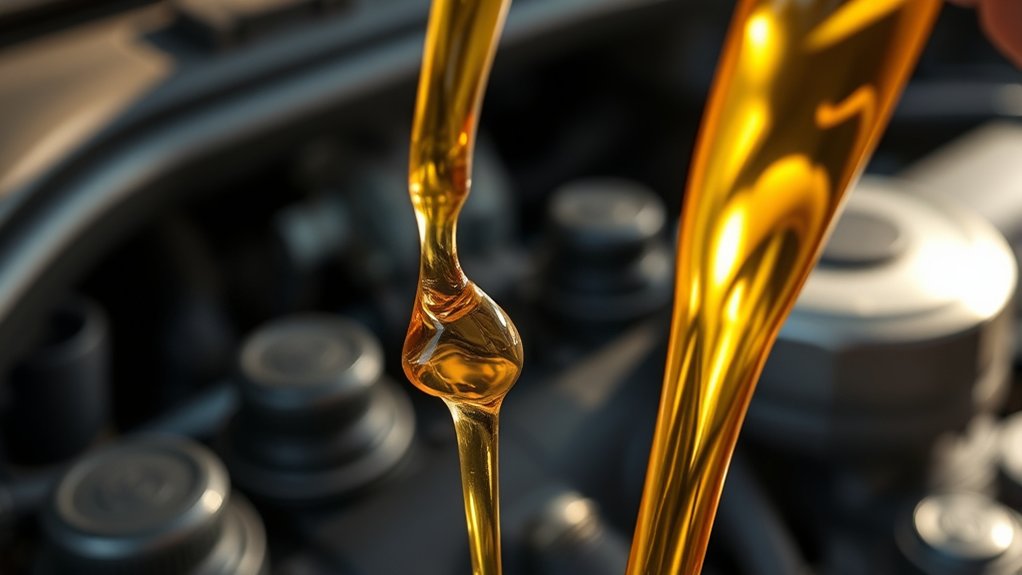
Although engine oil evaporation can seem inevitable under extreme conditions, you can take targeted measures to minimize it and safeguard your engine’s longevity. Consistent engine maintenance is critical; neglect accelerates oil degradation and evaporation.
Using high-quality oil additives enhances oil stability, reducing volatility and thermal breakdown. Here’s how you can act decisively:
- Monitor oil levels regularly to detect evaporation early.
- Choose synthetic oils with superior evaporation resistance.
- Incorporate oil additives designed to improve viscosity and reduce thermal loss.
- Service your engine frequently to replace worn seals and gaskets that cause leaks.
Frequently Asked Questions
Can Synthetic Oils Evaporate Faster Than Conventional Oils?
You won’t find synthetic oils evaporate faster than conventional oils because synthetic oils have lower evaporation rates due to their engineered molecular structure. This structure enhances thermal stability and reduces volatility under high-temperature engine conditions.
Does Engine Oil Evaporation Affect Fuel Efficiency?
You’ll see reduced fuel consumption, compromised engine protection, and altered oil viscosity when engine oil evaporation occurs. This change increases friction and wear, forcing your engine to work harder and ultimately lowering fuel efficiency.
How Often Should I Check My Engine Oil Level?
You should check your engine oil level maintenance at least once a month or every 1,000 miles. Regular checking frequency guarantees ideal lubrication, prevents engine wear, and helps identify leaks or oil evaporation before serious damage occurs.
Can Additives Reduce Engine Oil Evaporation?
You know, “A stitch in time saves nine.” Additive types like anti-evaporants and viscosity improvers help reduce engine oil evaporation by stabilizing oil viscosity and forming protective layers.
These additives enhance lubrication and minimize oil loss under high temperatures.
Is Engine Oil Evaporation Harmful to Engine Components?
Yes, oil evaporation accelerates oil degradation, especially under high temperature effects, reducing lubrication efficiency. You risk increased friction, wear, and potential engine damage if you don’t monitor oil levels and replace degraded oil promptly.
Conclusion
You might think engine oil evaporation is negligible, but over time, especially under high temperatures, it considerably reduces oil volume and compromises lubrication. Don’t underestimate this gradual loss—it leads to increased engine wear and overheating.
Regularly checking and maintaining proper oil levels is essential to prevent damage. By understanding how and why oil evaporates, you can take precise steps to protect your engine’s performance.
In conclusion, knowing about engine oil evaporation helps you extend your engine’s lifespan effectively.