Yes, the Jeep Wrangler holds its value well, retaining over 60% of its original price after five years, which beats most SUVs.
Its unique design, off-road capabilities, and strong market demand contribute to slower depreciation compared to models like the Toyota 4Runner.
Regular maintenance and selective upgrades can further boost resale value.
Regional demand and timing also play key roles.
If you want to understand what affects its value and when to sell, there’s more to uncover.
Key Takeaways
- Jeep Wrangler retains over 60% of its original value after five years, outperforming many other SUVs in depreciation rates.
- Its unique design and off-road capabilities drive strong market demand and sustained resale value.
- Regular maintenance and documented service history can increase resale value by up to 15%.
- Functional upgrades may boost value by 5-7%, while poor cosmetic modifications can reduce it.
- Regional demand and selling season (March to June) significantly impact the Wrangler’s resale price.
Does the Jeep Wrangler Hold Its Value Over Time?
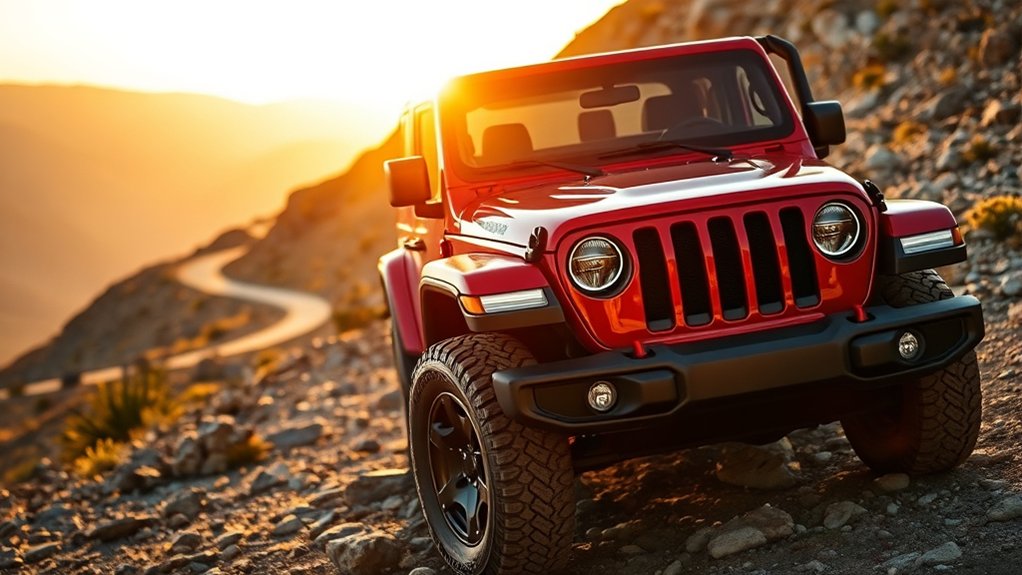
Although many vehicles depreciate rapidly, the Jeep Wrangler holds its value remarkably well over time. When you analyze depreciation rates, Wranglers typically retain over 60% of their original value after five years, outperforming the average SUV that loses around 50%.
This strong value retention stems from consistent market demand driven by the Wrangler’s unique off-road capability and iconic status. You’ll find that limited supply and a dedicated buyer base keep resale prices stable.
Additionally, the Wrangler’s rugged durability contributes to lower depreciation compared to other models. If you’re considering long-term ownership or resale, this data indicates the Jeep Wrangler offers a solid investment, combining steady demand with strong value retention that’s rare in the automotive market.
Jeep Wrangler Design and Resale Value
The Jeep Wrangler’s distinctive design plays an essential role in maintaining its strong resale value. Its iconic design aesthetics, such as the boxy shape, round headlights, and removable doors, have remained largely consistent, appealing to a loyal customer base.
Data from Kelley Blue Book and Edmunds show that this design consistency directly influences positive resale trends, with the Wrangler holding approximately 65-70% of its value after five years, outperforming many SUVs. Buyers value the blend of rugged functionality and nostalgic styling, which keeps demand high in the used market.
You’ll find that design aesthetics not only affect initial purchase decisions but also guarantee sustained interest over time, reducing depreciation compared to less distinct competitors. This design-driven appeal is a key factor to evaluate if you want strong resale performance.
Factors Driving Jeep Wrangler Depreciation
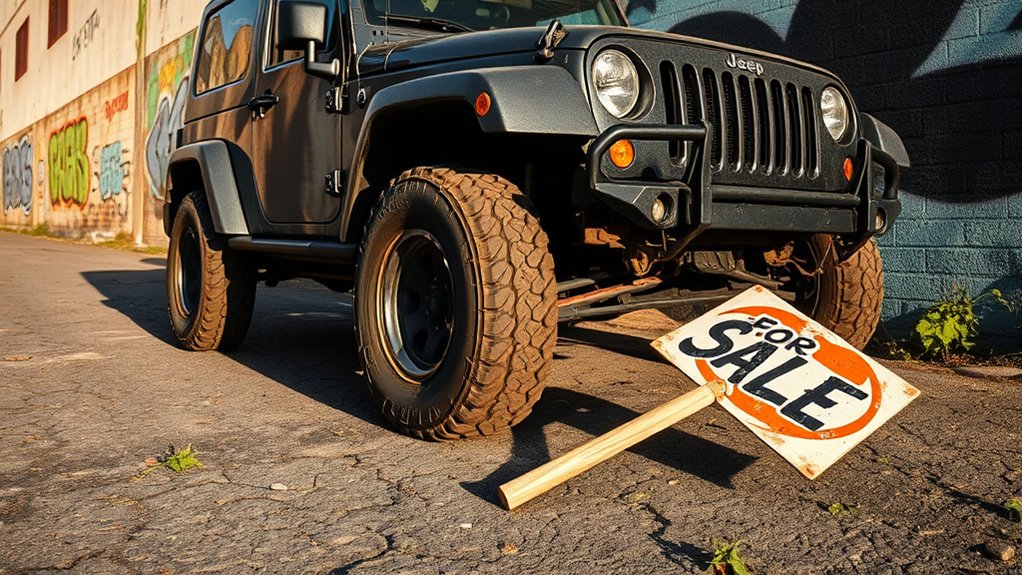
When you consider Jeep Wrangler depreciation, several key factors come into play that can impact its value over time. Market trends, such as shifts toward fuel efficiency and electric vehicles, play a significant role in reducing demand for traditional gas-powered Wranglers, which affects depreciation rates.
Additionally, buyer preferences evolve; as more consumers seek advanced technology and comfort features, older Wrangler models without these amenities may lose appeal faster. You’ll also find that high mileage and wear from extensive use accelerate depreciation, given the Wrangler’s reputation for rugged off-road activity.
Seasonal fluctuations in demand and regional differences in popularity further influence resale values. By understanding these data-driven factors, you can better anticipate how market trends and buyer preferences might affect your Wrangler’s long-term worth.
Jeep Wrangler Off-Road Reputation and Value
You’ll find that the Jeep Wrangler’s off-road durability greatly supports its strong resale value compared to other SUVs. Data shows that models with proven rugged performance retain more market demand over time.
Understanding how this reputation affects depreciation helps you gauge its long-term investment potential.
Off-Road Durability Impact
Although off-road durability may seem like a niche concern, it greatly influences the Jeep Wrangler’s market value and resale appeal. You’ll find that its off-road performance hinges on specific durability features such as heavy-duty axles, reinforced frames, and skid plates designed to withstand rough terrains.
Data from industry tests show that Wranglers maintain structural integrity better than many competitors after rigorous off-road use, directly impacting buyer confidence. When you invest in a Wrangler, you’re getting a vehicle engineered to endure harsh conditions, which translates into less frequent repairs and longer lifespan.
This durability supports its reputation and keeps demand steady among off-road enthusiasts, reinforcing the Wrangler’s strong position in the used vehicle market. Ultimately, these durability features make a measurable difference in how well the Wrangler holds its value over time.
Resale Value Benefits
The Jeep Wrangler’s off-road durability directly contributes to its strong resale value by attracting buyers who prioritize long-lasting performance in rugged conditions. Resale trends show that Wranglers consistently outperform many SUVs in depreciation rates, retaining approximately 60-65% of their value after five years.
This resilience stems from sustained market demand driven by its reputation for reliability on challenging terrains. When you consider the Wrangler, you tap into a niche segment where enthusiasts and practical users alike seek vehicles with proven toughness.
Data indicates that models with off-road enhancements command higher resale prices, reflecting buyer willingness to pay premiums for verified capability. In short, the Wrangler’s off-road reputation not only boosts its desirability but also translates directly into tangible resale value benefits over time.
Comparing Jeep Wrangler Resale Value to Other SUVs
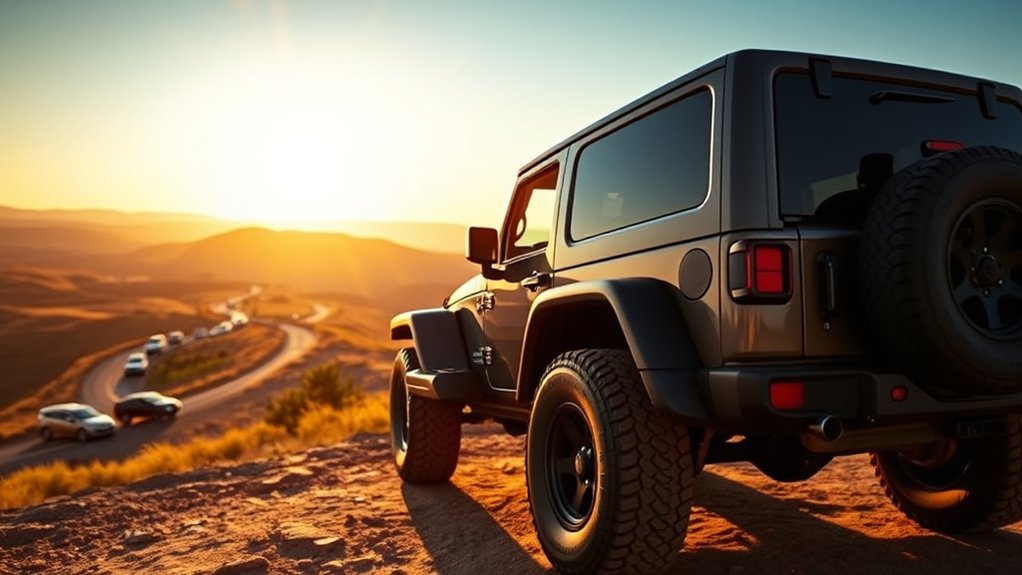
When you compare depreciation rates, the Jeep Wrangler typically retains about 60% of its value after five years, outperforming many competitors in the SUV segment. Models like the Toyota 4Runner and Ford Bronco show similar but slightly lower resale values, often around 55%.
Understanding these differences helps you gauge the Wrangler’s strong market demand and long-term value retention.
Jeep Wrangler Depreciation Rates
Since resale value plays a crucial role in vehicle ownership costs, understanding how Jeep Wrangler depreciation compares to other SUVs can help you make informed decisions. Jeep Wrangler depreciation is especially slower than many competitors, reflecting strong resale value trends.
After three years, a Wrangler typically retains around 60% of its original value, outperforming several popular SUVs.
| SUV Model | 3-Year Depreciation | Resale Value Retention |
|---|---|---|
| Jeep Wrangler | 40% | 60% |
| Toyota 4Runner | 45% | 55% |
| Ford Bronco | 50% | 50% |
These figures highlight the Wrangler’s ability to hold value better over time, making it a cost-effective choice if depreciation concerns you.
Resale Value Versus Competitors
Although many SUVs offer attractive features, the Jeep Wrangler consistently outperforms competitors in resale value retention, holding approximately 60% of its original price after three years. When you compare resale values across the compact SUV segment, models like the Toyota 4Runner and Subaru Outback generally retain about 50-55% over the same period.
Jeep market trends reveal that Wrangler’s rugged design, loyal customer base, and off-road capability contribute considerably to its strong resale performance. Resale comparisons also show that the Wrangler’s demand in the used market remains high, which supports its value retention.
If you’re considering long-term ownership costs, the Wrangler’s superior resale value can offset depreciation challenges faced by other SUVs, making it a financially smarter choice in many cases.
Jeep Wrangler Models That Hold Value Best
Because the Jeep Wrangler has a reputation for durability and off-road capability, certain models consistently retain their value better than others. You’ll find that Jeep Wrangler trims like the Rubicon and Sahara hold value best due to their advanced features and strong demand.
Additionally, Jeep Wrangler mileage greatly impacts resale value; lower mileage models typically command higher prices. The following table highlights key models, their average depreciation after five years, and typical mileage ranges for ideal value retention.
| Model | Avg. 5-Year Depreciation | Common Mileage Range |
|---|---|---|
| Rubicon | 38% | 40,000 – 60,000 miles |
| Sahara | 42% | 35,000 – 55,000 miles |
| Sport | 47% | 45,000 – 65,000 miles |
Choosing trims and mileage carefully helps you maximize resale value.
Impact of Maintenance and Modifications on Resale Value
Beyond choosing the right Jeep Wrangler model and mileage, how you maintain and modify your vehicle greatly affects its resale value. Data shows that Wranglers with documented regular servicing retain up to 15% more value compared to those with inconsistent maintenance. Buyers prioritize vehicles with a thorough service history, indicating reliability and care.
However, aftermarket upgrades present a mixed impact. Functional, high-quality modifications like suspension lifts or upgraded tires can increase value by 5-7%, especially if they enhance off-road capability. Conversely, cosmetic or poorly executed aftermarket changes often reduce resale value, as they may signal potential issues or limit buyer appeal.
To maximize resale value, you should focus on consistent upkeep and selective, professionally installed aftermarket upgrades that align with typical buyer preferences.
Where Jeep Wranglers Retain Value Most
When evaluating where Jeep Wranglers retain value most, regional demand and market trends play essential roles. Areas with strong outdoor cultures and off-road accessibility tend to see higher Jeep Wrangler popularity, which directly influences resale values. Understanding Jeep Wrangler demographics also helps; younger buyers in metropolitan and suburban regions often favor Wranglers for lifestyle appeal, while rural buyers prioritize utility.
Key regions where Jeep Wranglers retain value best include:
- Western U.S.: High demand due to outdoor activities and rugged terrain.
- Southern states: Popular for both off-roading and daily use, boosting resale value.
- Urban areas with active lifestyle communities: Strong appeal to younger demographics favoring Jeep culture.
Focusing on these regions can guide you toward maximizing your Wrangler’s retained value.
Best Time to Sell and Tips to Maximize Resale Price
How can you determine the best time to sell your Jeep Wrangler to maximize its resale price? Data shows that the best selling season falls in spring and early summer when demand peaks due to favorable weather and outdoor activities. Timing your sale during these months can increase buyer interest and final offers.
Additionally, focusing on key resale tips like thorough cleaning, maintenance records, and minor repairs boosts perceived value. Below is a concise guide:
| Factor | Recommendation |
|---|---|
| Best Selling Season | March to June |
| Maintenance | Up-to-date service and repairs |
| Presentation | Professional cleaning and detailing |
| Documentation | Complete service and ownership records |
Following these resale tips during the best selling season guarantees you get the most value from your Jeep Wrangler sale.
Frequently Asked Questions
What Is the Fuel Economy of a Jeep Wrangler?
You’ll find Jeep Wrangler’s fuel efficiency varies by engine options, ranging from about 17-25 MPG combined. The 2.0L turbo offers better mileage than the 3.6L V6, balancing power and fuel economy effectively.
How Safe Is the Jeep Wrangler in Crash Tests?
You want strong crash ratings and reliable safety features. The Jeep Wrangler offers moderate crash ratings with standard airbags and stability control.
Its off-road design means it scores lower in rollover tests compared to typical SUVs.
What Are Common Mechanical Issues With Jeep Wranglers?
You’ll encounter engine reliability and transmission problems, along with suspension issues and electrical faults. Rust concerns, overheating problems, brake wear, and occasional axle failures also appear frequently in Jeep Wranglers, based on owner reports and data analyses.
How Does the Jeep Wrangler Perform in Snow and Ice?
You’ll find the Jeep Wrangler excels in snow traction due to its 4WD system and aggressive tires. Ice handling is decent but requires cautious driving, as its higher center of gravity can reduce stability on slick surfaces.
What Are the Interior Features and Technology Options?
You’ll find interior upgrades like premium cloth or leather seats, advanced Uconnect touchscreen systems, Apple CarPlay, Android Auto, and available navigation.
Technology advancements include driver-assist features, customizable digital displays, and enhanced audio options for convenience and connectivity.
Conclusion
If you’re looking for a vehicle that practically refuses to lose value, the Jeep Wrangler is your goldmine. Its iconic design, legendary off-road reputation, and strong demand keep depreciation shockingly low—often outperforming most SUVs by double-digit percentages.
By maintaining it well and timing your sale right, you could see resale values soar beyond expectations. In short, the Wrangler isn’t just a ride; it’s an investment that holds value like few others can.
When considering long-term ownership, the Jeep Wrangler holds its value better than most vehicles in its class.