You can expect your spark plugs to last between 20,000 and over 100,000 miles, depending on their material and use.
How long should a spark plug last? It varies based on the type of spark plug and driving conditions.
Copper plugs typically require replacement around 20,000–30,000 miles, while platinum lasts about 60,000 miles.
Iridium offers the longest life, often exceeding 100,000 miles.
Factors like engine type, operating conditions, and maintenance impact longevity too.
If you want to understand what affects their lifespan and how to spot wear, there’s more to explore.
Key Takeaways
- Copper spark plugs typically last between 20,000 and 30,000 miles before needing replacement.
- Platinum spark plugs have a lifespan of around 60,000 miles under normal conditions.
- Iridium spark plugs can last 100,000 miles or more, offering the longest durability.
- High-performance engines and extreme conditions can shorten spark plug life regardless of type.
- Regular inspections and proper maintenance significantly extend spark plug lifespan.
How Long Do Spark Plugs Last?
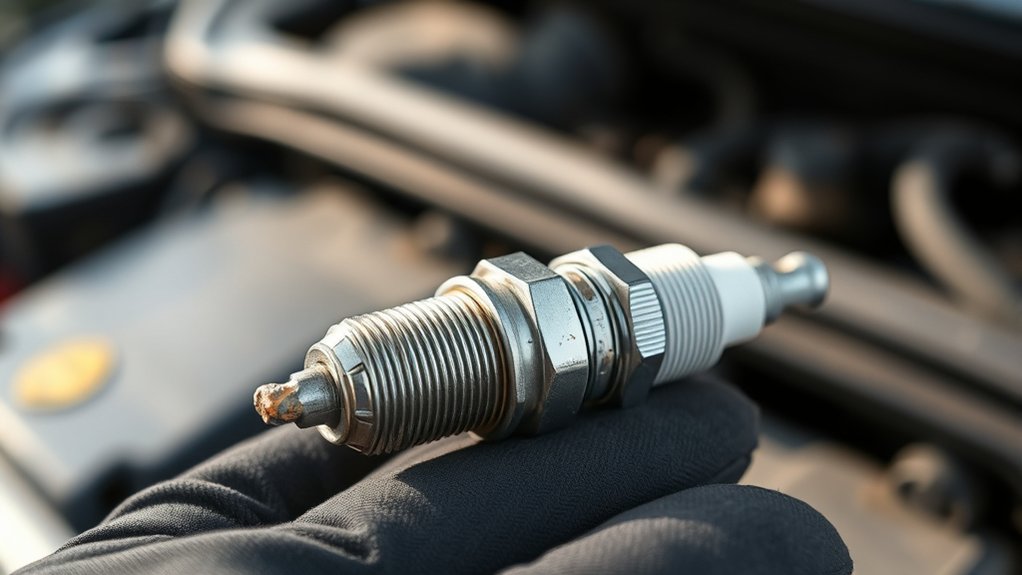
How long do spark plugs last depends largely on the type of spark plug and your vehicle’s operating conditions. Standard copper spark plugs generally require replacement every 20,000 to 30,000 miles, while platinum and iridium variants can last up to 60,000 to 100,000 miles due to their enhanced durability.
Maintaining ideal spark plug maintenance is vital to preserving ignition performance and preventing engine misfires or inefficient combustion. Regular inspections allow you to detect wear, electrode erosion, or carbon buildup, which degrade spark quality.
Key Factors That Shorten or Extend Spark Plug Life
Because various conditions directly impact spark plug longevity, understanding these key factors helps you optimize their performance and replacement schedule. Spark plug materials, such as copper, platinum, or iridium, influence durability and heat resistance.
Additionally, engine performance factors, like combustion temperature and fuel quality, affect spark plug wear. Improper gap settings or harsh driving conditions can also shorten lifespan.
| Factor | Impact on Spark Plug Life |
|---|---|
| Spark Plug Materials | Longer life with iridium/platinum |
| Engine Performance | High-performance engines wear plugs faster |
| Operating Conditions | Extreme heat or cold reduces lifespan |
| Maintenance Practices | Regular inspection extends service life |
Which Spark Plugs Last the Longest?
Understanding the factors that influence spark plug longevity sets the stage for identifying which types offer the longest service life. Among common options, copper spark plugs wear out fastest due to their basic design and lower melting point, typically lasting around 20,000 to 30,000 miles.
Platinum spark plugs improve durability with a harder electrode material, extending service life to about 60,000 miles. Iridium spark plugs last the longest, often exceeding 100,000 miles, thanks to iridium’s high melting point and excellent wear resistance.
While performance spark plugs may prioritize power and throttle response, their lifespan varies widely depending on materials and design, often shorter than iridium types. To maximize longevity, choose spark plugs engineered with durable metals like iridium or platinum rather than copper or purely performance-focused variants.
Signs Your Spark Plugs Need Replacing
When should you consider replacing your spark plugs? If you notice a decline in spark plug performance, it’s time to inspect them. Key signs include engine misfires, rough idling, and decreased fuel efficiency, all indicating compromised ignition system function.
Difficulty starting your vehicle or a noticeable drop in acceleration can also point to worn spark plugs. Visual inspection reveals fouling, such as carbon deposits, oil residue, or electrode erosion, which directly impair spark generation.
These symptoms disrupt the ignition system’s ability to ignite the air-fuel mixture effectively, affecting engine performance. Timely replacement prevents further mechanical issues and maintains peak combustion.
Monitoring these indicators guarantees you address spark plug deterioration promptly, preserving the ignition system’s reliability and your vehicle’s overall performance.
Tips to Extend the Life of Your Spark Plugs
Recognizing the signs of spark plug wear is only part of maintaining your ignition system. Proper spark plug maintenance directly impacts engine performance, fuel efficiency, and emissions.
To extend spark plug life, you should adhere to recommended service intervals, use the correct spark plug type, and keep your engine’s air and fuel filters clean. Avoid excessive idling and harsh acceleration, which increase electrode wear.
| Tip | Benefit |
|---|---|
| Follow manufacturer specs | Guarantees ideal fit & heat range |
| Inspect plugs regularly | Detects wear before failure |
| Use quality fuel | Prevents deposits on electrodes |
| Maintain ignition system | Supports consistent spark delivery |
| Avoid engine overheating | Protects spark plug integrity |
Implementing these strategies maintains engine performance and maximizes spark plug lifespan.
Frequently Asked Questions
How Do I Properly Gap a Spark Plug?
You’ll properly gap a spark plug by checking the recommended gap for your spark plug type, using a gapping tool to adjust it carefully. This ensures precise spark plug maintenance for ideal engine performance and efficient combustion.
Can Bad Spark Plugs Cause Engine Misfires?
Over 30% of engine misfires stem from worn spark plugs. If your spark plug lifespan exceeds its limit, it directly diminishes engine performance, causing misfires, rough idling, and reduced fuel efficiency.
Replace them promptly to maintain peak function.
What Tools Are Needed to Change Spark Plugs?
You’ll need a spark plug socket, ratchet wrench, torque wrench, and gap gauge for spark plug maintenance. Choose tools compatible with your specific spark plug types to guarantee proper installation and precise torque during replacement.
How Often Should Spark Plug Wires Be Replaced?
You should replace spark plug wires every 30,000 to 50,000 miles to prevent wire degradation, which affects spark plug lifespan.
Regular inspection guarantees peak performance and avoids misfires caused by deteriorating insulation or corrosion in the wires.
Are Iridium Spark Plugs Worth the Extra Cost?
Like choosing Excalibur over a common blade, iridium spark plugs offer superior spark plug longevity and subtle performance differences. You’ll get longer life and consistent ignition, making them worth the extra cost for precision and reliability.
Conclusion
You should know that most spark plugs last between 30,000 to 100,000 miles, depending on their type and usage. Curiously, iridium spark plugs can endure up to 100,000 miles, nearly double the life of traditional copper ones.
By understanding key factors like driving conditions and maintenance habits, you can maximize their efficiency and lifespan. Regular inspection and timely replacement guarantee your engine runs smoothly, saving you costly repairs down the road.
Knowing how long a spark plug should last helps you plan maintenance effectively and keep your vehicle in optimal condition.