If you’re wondering how many miles a Honda Pilot can last, it’s important to consider factors beyond just the odometer. While many owners report reaching 200,000 to 300,000 miles, the key lies in maintenance routines and driving habits.
Different models also vary in durability, which can impact your vehicle’s lifespan. Understanding these elements can help you maximize your Pilot’s performance over time.
Key Takeaways
- A Honda Pilot can typically last between 200,000 to 300,000 miles with proper maintenance and care.
- Third-generation Pilots (2016 and newer) are the most reliable, often surpassing 200,000 miles with refined engineering.
- Regular oil changes, tire rotations, and scheduled inspections are essential to preventing costly breakdowns and extending lifespan.
- Neglecting maintenance, such as skipping oil changes or tire rotations, can significantly reduce the vehicle’s mileage potential.
- Smooth driving habits and adherence to Honda’s maintenance schedule maximize durability and long-term performance.
How Many Miles Can a Honda Pilot Typically Last?
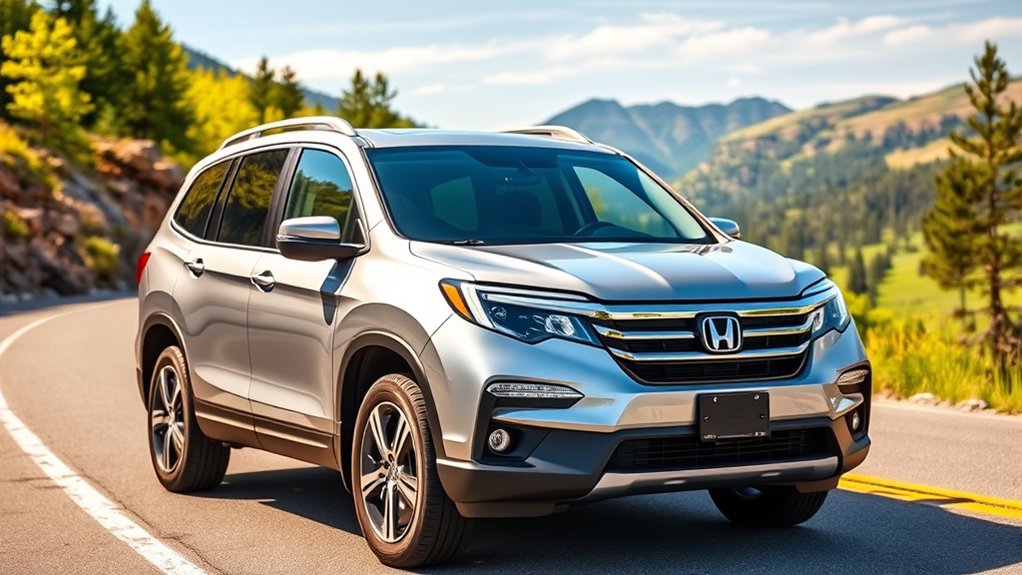
How long can you expect a Honda Pilot to last in terms of mileage? Typically, a Honda Pilot offers unique reliability, often reaching between 200,000 to 300,000 miles with proper maintenance. This durability stems from its robust engine design and quality manufacturing standards.
If you regularly follow service schedules and address repairs promptly, your Pilot can handle daily demands, including frequent curbside pickup trips, without significant issues. The vehicle’s build quality supports long-term performance, making it a practical choice for families and individuals relying on consistent transportation.
While individual experiences may vary, the Pilot’s reputation for lasting mileage highlights its value in delivering dependable service over many years and miles.
Which Honda Pilot Models Last the Longest?
Which Honda Pilot models stand out for their longevity? You’ll find that the third-generation Pilots, produced from 2016 onward, consistently rank high in model reliability. These models benefit from refined engineering and improved components, which contribute to their ability to reach 200,000 miles or more with proper care.
Additionally, these Pilots tend to maintain strong resale value compared to earlier generations, reflecting consumer confidence in their durability. While previous generations offered solid performance, they sometimes showed higher maintenance costs as they aged.
When choosing a Pilot for long-term ownership, focusing on the 2016 and newer models can provide better assurance of sustained reliability and value retention. This approach helps you maximize your investment and enjoy a dependable vehicle over many miles.
How Regular Maintenance Extends Your Pilot’s Life
Choosing a third-generation Honda Pilot sets a solid foundation for longevity, but maintaining that lifespan depends heavily on consistent upkeep. Regular maintenance ensures your engine runs smoothly and prevents costly breakdowns.
Prioritizing oil changes and tire rotations keeps vital systems in optimal condition, directly affecting your Pilot’s durability. A two word discussion idea 1, such as fluid checks, plays a critical role in avoiding premature wear.
Additionally, adhering to scheduled inspections addresses minor issues before they escalate, exemplifying a two word discussion idea 2 approach. By following Honda’s recommended maintenance intervals, you preserve your vehicle’s performance and safety.
Ultimately, your proactive care extends your Pilot’s life, making it possible to reach high mileage milestones reliably and efficiently.
Common Issues That Can Limit Honda Pilot Mileage
What factors can unexpectedly shorten your Honda Pilot’s lifespan? Neglecting regular engine oil changes can lead to increased friction and engine wear, markedly reducing mileage potential. Using low-quality oil or extending intervals beyond manufacturer recommendations accelerates internal damage.
Additionally, skipping routine tire rotation causes uneven tire wear, affecting handling and placing extra strain on suspension components. This uneven stress can result in premature tire replacement and costly repairs.
Fuel system issues, such as clogged injectors, also hinder performance and fuel efficiency, indirectly limiting lifespan. Electrical problems, including sensor failures, may cause engine misfires or poor diagnostics, increasing maintenance costs.
Signs It’s Time to Replace Your Honda Pilot
How do you know when it’s time to replace your Honda Pilot? Key signs include persistent mechanical issues and declining performance indicators.
If you notice uneven or excessive tire wear despite regular rotations and alignments, it could signal suspension or alignment problems that may be costly to fix.
Additionally, a significant drop in fuel economy often points to engine or transmission inefficiencies, suggesting that repairs might outweigh the vehicle’s value.
Frequent breakdowns, warning lights, and costly repairs are also clear indicators. When maintenance expenses consistently rise and the vehicle’s reliability decreases, replacing your Pilot becomes a practical choice.
Monitoring these signs helps you make an informed decision before safety or expenses become problematic.
Driving Habits That Help Your Pilot Last Longer
Many driving habits directly influence the longevity of your Honda Pilot’s engine and components. Understanding driving psychology helps you recognize how your behavior behind the wheel impacts wear and tear.
For example, aggressive acceleration and hard braking increase stress on the engine and brakes, reducing their lifespan. Practicing smooth, steady driving minimizes mechanical strain.
Additionally, effective road trip planning plays a crucial role. By mapping routes to avoid heavy traffic and hills, you reduce unnecessary engine load and overheating risks.
Breaking long drives into manageable segments also prevents prolonged strain on your vehicle. Adopting these habits not only extends your Pilot’s mileage potential but also enhances fuel efficiency and safety.
Ultimately, your conscious driving choices significantly contribute to the durability of your Honda Pilot.
Smart Driving and Maintenance Tips to Make Your Pilot Last
Why should you prioritize both smart driving and regular maintenance to extend your Honda Pilot’s lifespan? Combining careful driving habits with consistent upkeep reduces wear and tear, ensuring your vehicle runs efficiently longer.
Prioritize smart driving and regular maintenance to reduce wear and keep your Honda Pilot running efficiently longer.
Focus on highway efficiency by maintaining steady speeds and using cruise control to reduce engine strain and improve fuel economy. Avoid rapid acceleration and hard braking, which increase mechanical stress.
For cold weather startups, allow your Pilot a brief warm-up period to circulate fluids properly and prevent premature engine damage. Regularly check fluid levels, tire pressure, and perform scheduled oil changes to sustain optimal performance.
These practices help you avoid costly repairs and preserve your Pilot’s reliability, allowing it to reach higher mileage with fewer issues over time.
Frequently Asked Questions
What Is the Fuel Efficiency of a Honda Pilot?
You’ll find the Honda Pilot’s fuel economy averages around 20-27 MPG, balancing maintenance costs and safety enhancements well.
Its towing capacity suits your needs, and aftermarket accessories let you customize without compromising efficiency or safety.
How Much Does a Honda Pilot Typically Cost?
You want reliability, affordability, and efficiency. The Honda Pilot cost typically ranges from $38,000 to $50,000, balancing strong fuel efficiency with advanced features.
You’ll find value in both its price and performance consistently.
What Safety Features Come Standard in a Honda Pilot?
You’ll find standard safety features like Honda Sensing®, adaptive cruise control, and collision mitigation braking in the Pilot.
While it offers a luxury interior, it also supports high performance aftermarket upgrades for enhanced driving safety and comfort.
Can the Honda Pilot Tow Heavy Loads?
Think of the Honda Pilot as a sturdy bridge; it can tow heavy loads thanks to its strong horsepower and trailering capacity, which typically maxes around 5,000 pounds. This makes it reliable for moderate towing needs.
What Are the Best Aftermarket Upgrades for a Honda Pilot?
You should consider upgrade options like performance air intakes, exhaust systems, and suspension kits. Aftermarket tuning can optimize engine output and fuel efficiency, enhancing your Honda Pilot’s power and handling without compromising reliability or comfort.
Conclusion
You can expect your Honda Pilot to last well beyond 200,000 miles if you maintain it regularly, drive smartly, and address issues promptly. Choose a reliable model, follow scheduled maintenance, and adopt driving habits that reduce wear and tear.
Neglecting care shortens its lifespan, while consistent upkeep extends performance, preserves value, and ensures safety.
Ultimately, how long your Honda Pilot lasts depends on the choices you make every mile you drive and the commitment you have to proper maintenance.