Replacing your Honda Accord’s wiper blades might seem straightforward, but installing wiper blades on a Honda Accord requires attention to detail. Using the wrong size or connector can lead to poor performance and potential damage.
Ensuring you select the correct blades and handle the removal and installation properly is key to maintaining clear visibility. Before you start, you need to understand your car’s specific wiper arm type and the proper tools required.
This will help you avoid common mistakes that could compromise your safety. Taking the time to follow the correct steps ensures your new wiper blades function effectively in all weather conditions.
Key Takeaways
- Identify your Honda Accord’s wiper arm type (hook, pin, or bayonet) to choose compatible blades and avoid damage.
- Lift the wiper arm gently and fully disengage the old blade’s locking mechanism before removal.
- Snap the new blade’s connector firmly onto the wiper arm, ensuring a flush, secure fit without forcing.
- Test wiper operation by activating the blades and spraying washer fluid to confirm even water clearance without streaks.
- Replace blades every 6-12 months or when streaking, skipping, or wear signs appear for optimal performance.
Identify Your Honda Accord’s Wiper Arm Type
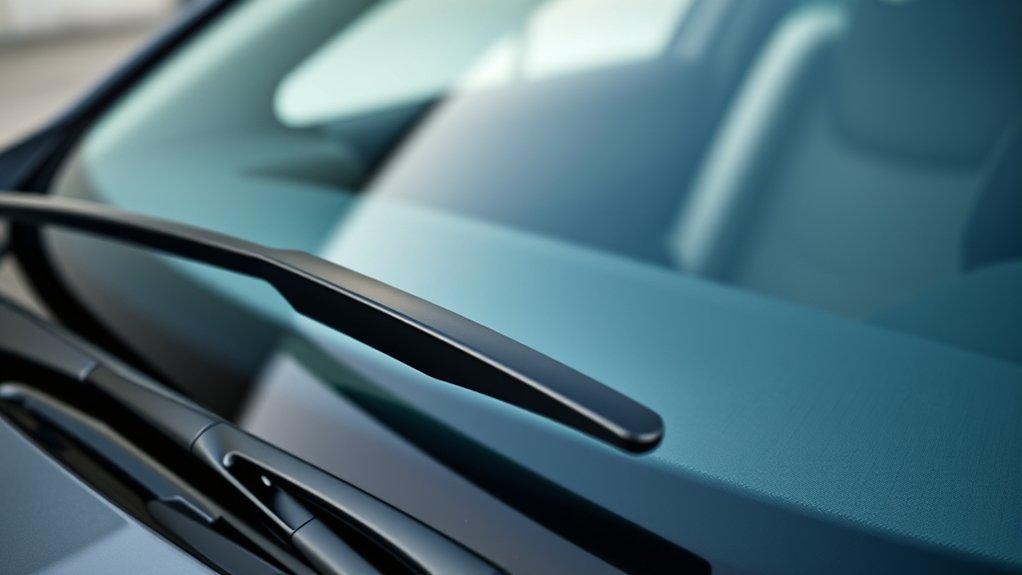
How do you determine the wiper arm type on your Honda Accord? First, visually inspect the arm connecting the wiper blade to the vehicle. Honda Accords typically use one of three common arm types: hook, pin, or bayonet.
To identify your Honda Accord’s wiper arm type, visually inspect the connection for hook, pin, or bayonet styles.
Identifying your specific arm type is crucial for blade compatibility, ensuring you select blades that fit securely and function properly. Use a ruler or measuring tape to confirm dimensions if unclear.
Consult your vehicle’s manual or online resources to cross-check arm types against model years. Recognizing the correct arm type streamlines the replacement process and guarantees optimal blade performance.
Avoid mixing incompatible blades and arm types, as improper fitment can reduce wiping efficiency and damage the wiper system. Accurate identification saves time and prevents installation errors.
How to Choose the Right Wiper Blades for Your Honda Accord
When selecting wiper blades for your Honda Accord, you’ll want to contemplate factors like blade size, material, and compatibility with your wiper arm type. Start by confirming the exact blade length specified for your model year to ensure proper fit and coverage.
Next, evaluate wiper blade materials: silicone blades provide superior durability and water repellency, while rubber blades are cost-effective but may wear faster. Consider hybrid blades that combine a rubber core with a silicone coating for enhanced performance.
Prioritize blades designed with noise reduction features, such as aerodynamic frames or soft-edge rubber, to minimize chatter and squeak during operation. Finally, verify that the blade’s attachment mechanism matches your Honda Accord’s wiper arm type for secure installation and optimal function.
What Tools You Need to Replace Honda Accord Wiper Blades
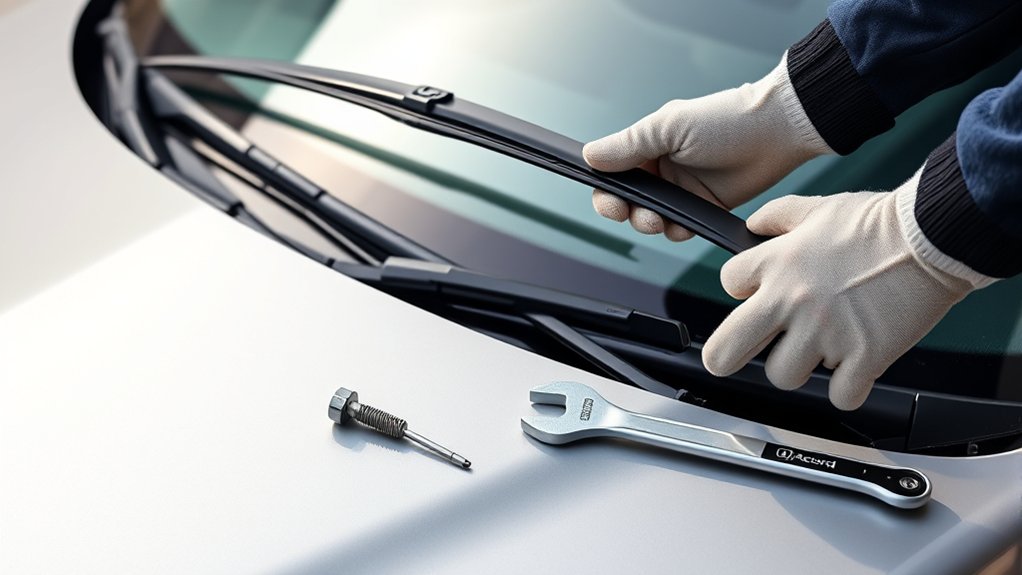
What tools will you need to replace the wiper blades on your Honda Accord? Fortunately, you’ll only require minimal equipment. Typically, a flathead screwdriver is essential to help release the wiper arm clip if it’s tight or stuck.
You might also use a pair of needle-nose pliers for better grip on small components. Gloves are optional but recommended to protect your hands and improve grip. Avoid distractions by ignoring unrelated topics or random ideas about car maintenance that don’t pertain to wiper replacement.
Keep your focus strictly on these tools to guarantee a smooth process. Most Honda Accord wiper blades are designed for easy hand removal, so you generally won’t need power tools or complex equipment. Stick to these basics for safety and efficiency.
How to Lift and Remove Old Wiper Blades Safely
Start by lifting the wiper arm carefully to avoid snapping it against the windshield. Use controlled pressure when detaching the old blade to prevent damage to the arm or connector.
Make sure you disengage the blade’s locking mechanism fully before pulling it off.
Proper Wiper Arm Handling
How do you safely lift the wiper arm without causing damage? First, gently grasp the arm near its base, mindful of its natural arm curvature to avoid stressing the metal. Lift it slowly until it locks in a raised position.
Avoid forcing the arm beyond its designed range to prevent bending or weakening the spring tension. When handling the blade itself, respect its blade flexibility; excessive twisting or bending can deform the rubber, reducing effectiveness.
Support the blade evenly while lifting to maintain its integrity. Use steady pressure and controlled movements throughout the process. Proper handling ensures the arm and blade remain functional, preventing costly repairs and maintaining optimal windshield contact during operation.
Always work with care to preserve the components’ longevity.
Safe Blade Detachment Techniques
When removing old wiper blades, which techniques ensure you avoid damage to both the blade and the wiper arm? First, gently lift the wiper arm away from the windshield until it locks in a raised position, reducing stress on the joints. Avoid forcing the arm, as this can cause bending or breakage.
Next, locate the release tab or clip securing the blade; press or slide it carefully while holding the blade to prevent it from snapping back. Detach the blade smoothly, keeping in mind blade compatibility when choosing replacements to ensure proper fit and optimal wind resistance.
Handling the blade and arm with controlled movements preserves their integrity and maintains effective contact with the windshield, crucial for safe driving visibility.
Install New Wiper Blades on Your Honda Accord
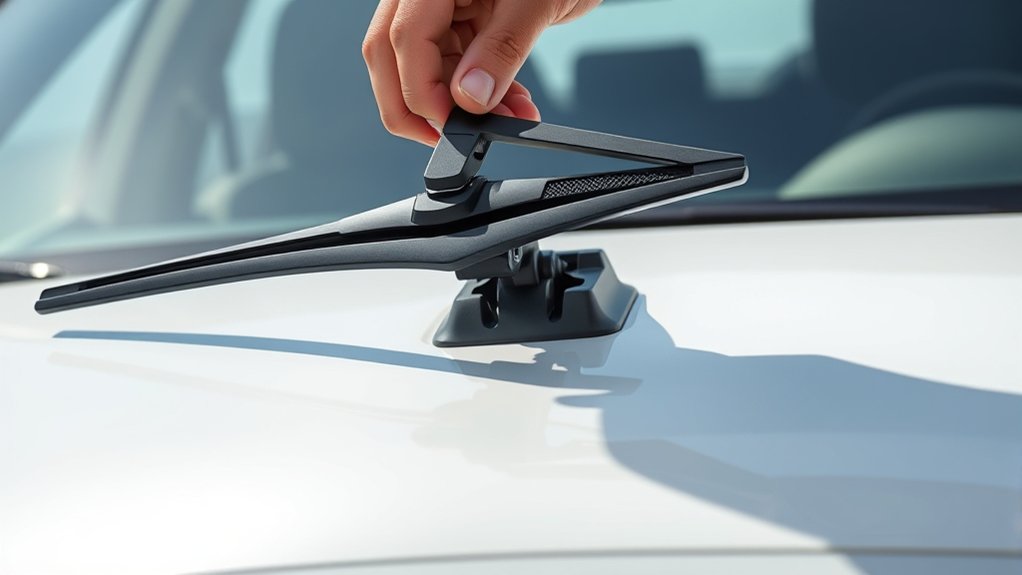
Why should you ensure the wiper blades are properly aligned before installation? Proper alignment prevents uneven wear and ensures optimal contact with the windshield.
To install new wiper blades on your Honda Accord, first position the blade so the connector snaps firmly onto the wiper arm’s hook. Avoid forcing it, as misalignment can cause damage or ineffective wiping.
Once secured, release the arm gently to hold the blade in place. Don’t be distracted by unrelated topics or random thoughts during this step, as precision is key.
Confirm the blade sits flush against the glass without gaps or lifts. Following this method, you guarantee functional performance and longevity, avoiding premature failures or streaking caused by improper installation.
Test New Honda Accord Wiper Blades for Fit and Function
After installing the new wiper blades, check their alignment to ensure they sit flush against the windshield. Activate the wipers to verify smooth, full-range movement without skipping or stuttering.
Finally, spray washer fluid and inspect the blade’s ability to clear water evenly and effectively.
Check Blade Alignment
How can you ensure your new Honda Accord wiper blades perform optimally? Start by checking the blade alignment carefully. With ignition safety in mind, keep the engine off to prevent accidental wiper movement.
Position the blades on the windshield at their resting points, ensuring they sit flush and parallel to the glass surface. Proper alignment respects windshield physics; the blades must maintain consistent contact without gaps or excessive pressure that could damage the glass or reduce clearing efficiency.
Misaligned blades cause streaking and uneven wear, compromising visibility. Adjust the wiper arms gently if necessary, so the blades follow the curved windshield contour precisely. This alignment check guarantees optimal performance, extending blade life while ensuring safe, clear vision in all driving conditions.
Verify Wiper Movement
Before you finish the installation, verify the wiper movement to ensure your new Honda Accord blades fit and function properly. Turn on the wipers and observe their motion; they should sweep smoothly without skipping or stuttering.
Confirm wiper compatibility by checking for any unusual noise or vibration. Improper fit may cause damage or inefficient wiping. If stored improperly before installation, blades can deform; ensure blade storage was suitable to avoid compromised performance.
| Checkpoint | Expected Outcome |
|---|---|
| Smooth Sweep | No skipping or stuttering |
| Noise Level | Minimal to none |
| Vibration | None |
| Blade Contact | Uniform windshield contact |
| Blade Storage Check | No visible warping or damage |
This method guarantees functionality and longevity of your new wipers.
Inspect Water Clearance
Once you’ve confirmed smooth, quiet wiper movement and proper blade contact, the next step is to inspect water clearance. Activate the wipers while spraying water on the windshield to test their effectiveness. Observe whether the blades fully clear water without leaving streaks or dry spots.
This step addresses insight gaps by verifying the blades meet user intent: clear visibility and consistent performance under wet conditions. If you notice uneven wiping or water pooling, reassess blade installation or consider blade size compatibility.
Inspecting water clearance ensures the new Honda Accord wiper blades function as intended, minimizing driver distraction and enhancing safety. Don’t overlook this critical test; it confirms the installation quality and prevents premature wear or malfunction due to improper fit or clearance issues.
Avoid Common Honda Accord Wiper Blade Installation Mistakes
Why do some Honda Accord wiper blade installations fail to perform properly? Often, it’s due to common mistakes that compromise function. Avoid mixing discussion ideas or unrelated topics when installing to stay focused on the task. Here are four critical errors to avoid:
Common mistakes often cause Honda Accord wiper blade issues—stay focused and avoid unrelated topics during installation.
- Improper blade alignment. Misaligned blades reduce contact and cause streaking.
- Using incorrect blade size. Wrong size leads to poor fit and ineffective wiping.
- Neglecting to secure the blade clip. Loose clips cause blades to detach during use.
- Forcing the blade arm down. This can damage the arm’s spring tension or pivot.
Stay precise and methodical to ensure your wiper blades work as intended on your Honda Accord.
How Often Should You Replace Wiper Blades on Your Honda Accord?
You should replace your Honda Accord’s wiper blades every 6 to 12 months or when you notice streaking, skipping, or squeaking during use. Environmental factors like extreme heat, cold, or frequent rain can accelerate blade wear.
Regularly inspecting for these signs ensures optimal visibility and safety on the road.
Signs Of Wiper Wear
How can you tell when your Honda Accord’s wiper blades need replacing? Monitoring signs of wear is vital for wiper safety and maintaining clear visibility. Replace blades promptly to avoid compromised performance.
- Streaking or smearing on the windshield despite cleaning.
- Chattering or skipping sounds as the blade moves.
- Visible cracks, tears, or brittleness on rubber edges.
- Worn or bent frame causing uneven contact with glass.
Ignoring these signs reduces wiping efficiency and heightens safety risks. When disposing of old blades, follow local blade disposal guidelines to prevent environmental harm. Regular inspection ensures your Accord’s wipers function at their best, supporting safe driving conditions in adverse weather.
Recommended Replacement Intervals
When should you replace the wiper blades on your Honda Accord to maintain peak performance? Generally, you should replace them every 6 to 12 months. This interval ensures optimal windshield clarity and prolongs blade functionality.
Regular replacement provides significant cost benefits by preventing premature damage to the windshield and avoiding costly repairs. Additionally, fresh blades contribute to noise reduction, eliminating squeaks and chatter often caused by worn rubber.
Inspect your blades monthly for signs of wear, but adhere to the time-based replacement schedule to maintain consistent performance. By proactively replacing wiper blades within this recommended timeframe, you ensure safe driving visibility and avoid the risks associated with degraded wiping efficiency.
Prioritize timely replacements to optimize both safety and cost-effectiveness for your Honda Accord.
Weather Impact On Blades
Why does weather play a critical role in wiper blade lifespan on your Honda Accord? Weather durability directly affects how long your blades remain effective. Extreme conditions accelerate rubber degradation, impacting performance.
You should consider these factors:
- UV exposure causes rubber to crack and harden, reducing flexibility.
- Cold temperatures make blades brittle, leading to streaking or tearing.
- Rain and humidity can promote mold and mildew buildup, compromising wipe quality.
- Seasonal storage without protection shortens blade life by inducing shape deformation.
To maximize lifespan, store blades properly during off-seasons and inspect them regularly. Replacing blades every 6 to 12 months is ideal, but harsh climates may require more frequent changes. Prioritize weather durability and seasonal storage to ensure optimal visibility and safety on the road.
How to Maintain Your Honda Accord Wiper Blades for Longevity
Where should you start to keep your Honda Accord’s wiper blades functioning best? Begin with regular cleaning using a soft cloth and windshield washer fluid to remove dirt and debris that degrade the rubber.
Avoid common myths like using harsh chemicals or abrasive materials, which can damage the blades. Another maintenance myth is that wiper blades last indefinitely; rubber deteriorates over time, so inspect for cracks or stiffness monthly.
Also, park your car in shaded areas when possible to reduce UV damage. During winter, lift blades off the windshield to prevent freezing and tearing.
Following these precise steps ensures optimal blade performance and extends their lifespan, maintaining clear visibility and safe driving conditions without unnecessary replacements.
Where to Buy Quality Wiper Blades Compatible With Your Honda Accord
How do you ensure your Honda Accord gets the right wiper blades for optimal performance? Start by selecting quality blades compatible with your model. Use how to visuals and guides to verify fit and installation ease.
Consider these reliable sources:
- Authorized Honda dealerships guarantee OEM compatibility with clear pricing options.
- Automotive parts retailers like AutoZone offer a range of brands with how to visuals online.
- E-commerce platforms (Amazon, eBay) provide user reviews, competitive pricing, and detailed specs.
- Specialty auto shops provide expert recommendations and personalized fitment advice.
Check blade size and connector type meticulously. Comparing pricing options helps balance cost and quality. Using these sources ensures you purchase durable, effective wiper blades tailored for your Honda Accord’s specifications.
Frequently Asked Questions
Can I Use Universal Wiper Blades on My Honda Accord?
You can use universal wiper blades on your Honda Accord, but ensure they fit properly. This unrelated topic might seem like a random question, yet correct sizing and attachment are crucial for effective wiping and safety.
What Causes Honda Accord Wiper Blades to Streak or Skip?
Streaking causes include worn rubber, dirt buildup, or hardened blades.
Skipping reasons often involve a bent wiper arm, improper blade angle, or dry windshield.
Regular cleaning and timely blade replacement prevent these issues effectively.
Are There Any Safety Tips for Driving With Worn Wiper Blades?
Driving with worn wiper blades is like steering through a foggy maze. Your visibility dims, risking safety.
Prioritize safety training and road etiquette by replacing blades promptly to maintain clear vision and prevent accidents in adverse conditions.
How Do Extreme Weather Conditions Affect Honda Accord Wiper Blades?
Extreme weather accelerates wear on your Honda Accord’s wiper blades by causing rubber degradation and reduced flexibility. This shortens wiper longevity, so you should inspect and replace blades more frequently to maintain optimal visibility and safety.
Can I Install Wiper Blades Without Removing the Old Ones First?
You shouldn’t install wiper blades without removing the old ones first. For installing safety and effective maintenance tips, always detach old blades to avoid damage, ensure proper fit, and maintain optimal windshield visibility and performance.
Conclusion
Replacing your Honda Accord’s wiper blades isn’t just maintenance—it’s peace of mind. With the right blades, tools, and technique, you’ll clear rain, grime, and doubts in one smooth swipe.
Remember, precision prevents problems: lift carefully, snap securely, test thoroughly. Don’t wait for streaks to steal your view; replace regularly, maintain wisely, and drive confidently.
Clear vision isn’t luck—it’s your choice, your care, and your Accord’s first line of defense when you know how to install wiper blades on a Honda Accord.