To release the parking brake on your Jeep Wrangler, first identify the type of parking brake your vehicle uses.
If it’s a manual parking brake, keep your foot on the brake pedal. Then, press the release button located on the lever between the seats and smoothly lower the lever.
For electronic parking brakes, make sure the vehicle is in Drive or Neutral. Next, press the designated release button to disengage the brake.
If the parking brake resists releasing, check the cables for any issues, verify the battery voltage, or look for warning lights on the dashboard.
Understanding these steps ensures safe and effective brake disengagement.
More detailed guidance is available if needed.
Key Takeaways
- Ensure the Jeep Wrangler is on a flat surface with your foot firmly on the brake pedal before releasing the parking brake.
- For manual parking brake, locate the lever between the front seats, press the release button, and smoothly lower the lever.
- If equipped with an electronic parking brake, press the designated release button while the vehicle is in “Drive” or “Neutral” with the brake pedal pressed.
- Check for dashboard indicators or warning lights that may signal issues preventing brake release.
- Inspect for mechanical issues like cable tension loss or rust if the parking brake does not disengage properly.
Releasing the Manual Parking Brake on Your Jeep Wrangler
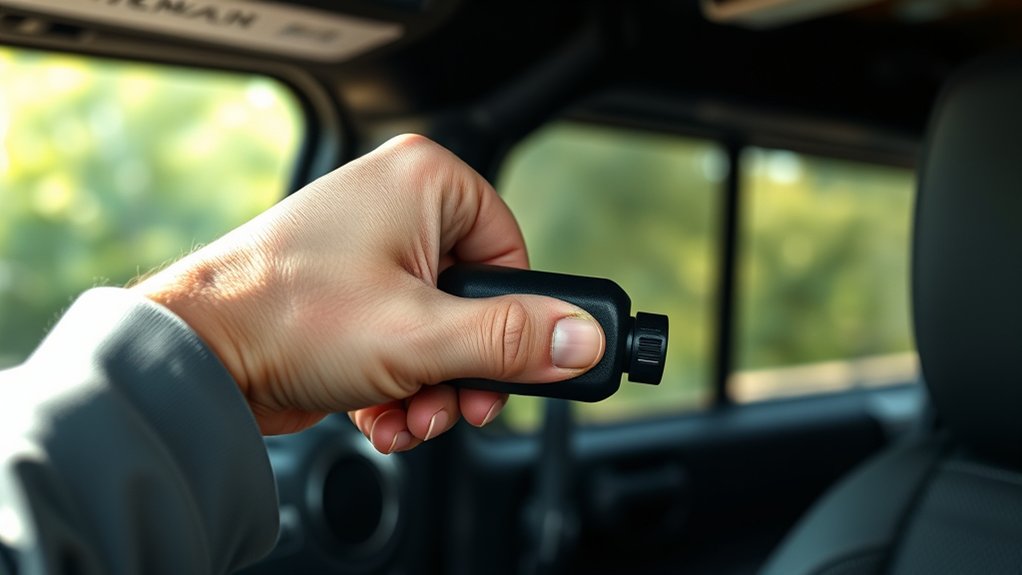
To release the manual parking brake on your Jeep Wrangler, first make sure the vehicle is on a flat surface and your foot is firmly on the brake pedal. Locate the parking brake lever between the driver and passenger seats.
Grip the lever firmly, then press the release button at its end while gently lowering the lever to disengage the brake. Use smooth, controlled movements to avoid abrupt releases.
If you notice resistance or ineffective disengagement, inspect the parking brake adjustments for proper cable tension and lever alignment. Employ manual release techniques such as adjusting the cable or lever mechanism to restore peak function.
Regularly checking and correcting parking brake adjustments guarantees reliable engagement and release, enhancing your Jeep Wrangler’s safety and performance during parking maneuvers.
Releasing the Electronic Parking Brake on Jeep Wranglers
Engage the electronic parking brake release by pressing the designated button or switch, usually located near the gear selector or on the center console. This button activates the electronic control module, which manages the brake system’s release mechanism.
Confirm your Jeep Wrangler is in the correct gear, typically “Drive” or “Neutral,” and that your foot is on the brake pedal to allow the system to disengage safely. The electronic control system will then deactivate the parking brake motors, releasing the calipers from the brake rotors.
If the brake won’t release, verify the vehicle’s battery voltage and check for any fault indicators on the dashboard. Follow manufacturer prompts or consult the owner’s manual to troubleshoot electronic control issues affecting the brake system.
Identifying Your Jeep Wrangler’s Parking Brake Type
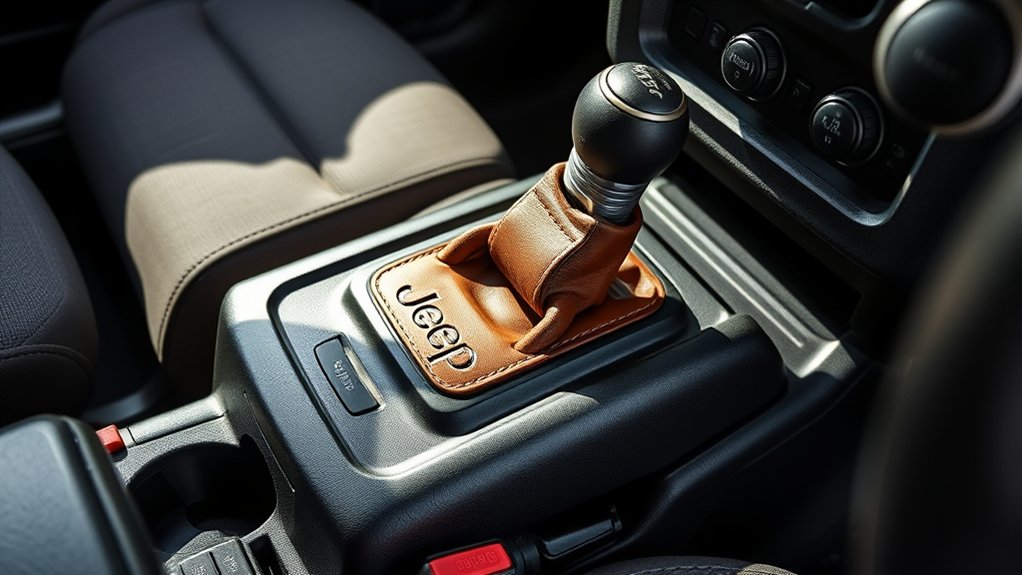
Although Jeep Wranglers have evolved over the years, their parking brake systems generally fall into two main categories: manual and electronic. To identify your Jeep Wrangler’s parking brake type, consider these key factors related to parking brake types and Jeep model variations:
- Manual Parking Brake: Typically a lever located between the front seats. Older models and some base trims use this system.
- Electronic Parking Brake (EPB): Activated via a button or switch on the center console. Found in newer Jeep models and higher trims.
- Jeep Model Variations: Check your owner’s manual or dashboard indicators. Different model years and trims may shift between manual and electronic systems.
Knowing your parking brake type helps you understand the release mechanism specific to your Jeep Wrangler.
Troubleshooting Parking Brake Release Issues
When your Jeep Wrangler’s parking brake won’t release, several common issues could be causing the problem. Understanding the parking brake mechanics helps you apply effective troubleshooting techniques.
Check for cable tension loss, rusted components, or seized levers. Inspect the brake shoes or pads for wear or damage. Also, verify if the parking brake handle or pedal mechanism moves freely.
| Issue | Possible Cause | Troubleshooting Technique |
|---|---|---|
| Brake won’t release | Cable tension too low | Adjust or replace cable |
| Lever stuck | Rust or corrosion | Lubricate or clean moving parts |
| Handle doesn’t move | Internal mechanism jam | Inspect and repair linkage |
| Brake not engaging | Worn brake shoes/pads | Replace brake components |
Apply these techniques systematically for efficient diagnosis and repair.
Using Your Parking Brake Safely
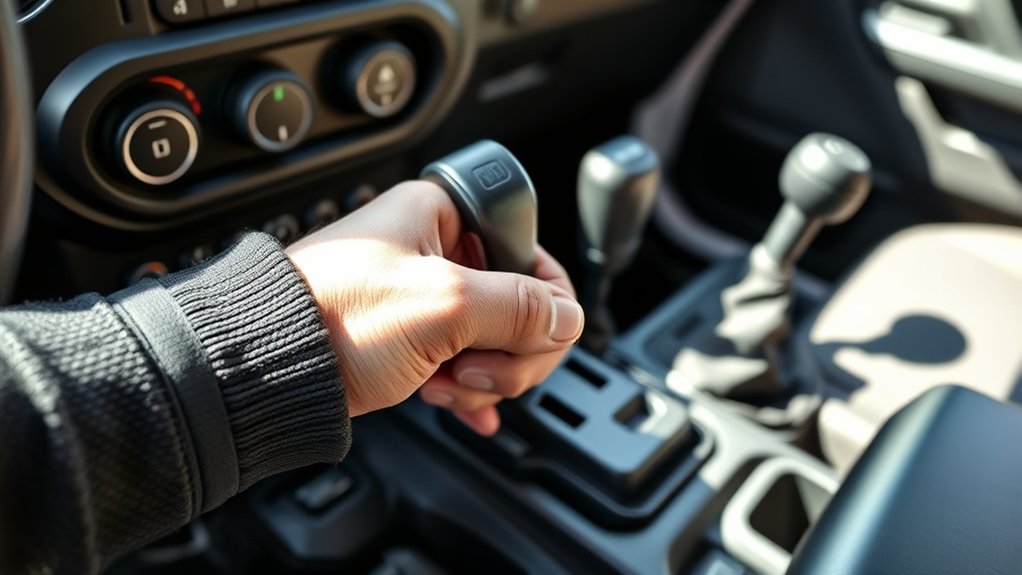
You need to engage the parking brake fully to guarantee your Jeep Wrangler stays secure without causing unnecessary wear. Avoid partially setting the brake, as this can accelerate brake component deterioration.
Consistently using proper techniques will extend the life of your parking system.
Proper Engagement Techniques
Engage the parking brake on your Jeep Wrangler firmly to guarantee the vehicle remains stationary on inclines or flat surfaces. To confirm proper engagement techniques, follow these steps:
- Apply the parking brake lever with a proper grip, using your hand to pull it straight up without twisting. This prevents incomplete locking.
- Position your foot firmly on the brake pedal to stabilize the vehicle before releasing the main brake. Proper foot placement confirms the Jeep doesn’t roll.
- Pull the lever until you feel resistance and hear a clicking sound, confirming full engagement. Avoid partial pulls that reduce effectiveness.
These steps confirm your parking brake holds securely, enhancing safety during parking and preventing unintended movement. Always use a deliberate, controlled motion when engaging the brake.
Avoiding Brake Wear
Minimize brake wear by using your Jeep Wrangler’s parking brake appropriately and only when necessary. Engaging the parking brake during extended stops prevents unnecessary strain on the transmission but avoid frequent, unnecessary use to reduce wear.
Always verify the brake is fully engaged to prevent slippage, which accelerates wear. Regular brake maintenance is essential—inspect cables and pads for corrosion or damage, and lubricate moving parts as recommended.
Avoid holding the parking brake partially engaged, as this causes continuous friction, increasing wear. When releasing the brake, do so smoothly to prevent sudden mechanical stress. By following these practices, you’ll extend the parking brake’s lifespan, optimize brake system performance, and maintain overall vehicle safety through effective wear prevention.
Mistakes to Avoid When Releasing Your Jeep’s Parking Brake
Although releasing the parking brake on a Jeep Wrangler might seem straightforward, common mistakes can lead to brake damage or unsafe driving conditions. Many common misconceptions stem from user experiences that don’t match proper procedure. To avoid issues, keep these points in mind:
Releasing your Jeep Wrangler’s parking brake requires proper steps to prevent damage and ensure safety.
- Don’t release the parking brake while the vehicle is in gear without pressing the brake pedal. This can cause sudden movement and damage.
- Avoid releasing the parking brake on steep inclines without applying the foot brake first to prevent rollback.
- Never force the parking brake lever if it feels stuck; this may indicate mechanical problems needing inspection.
Maintaining Your Jeep Wrangler’s Parking Brake System
Regularly inspecting and maintaining your Jeep Wrangler’s parking brake system guarantees reliable performance and safety. Start with visual checks for worn cables, corrosion, or damaged components.
Clean the linkage and lubricate moving parts to prevent stiffness. Adjust cable tension to confirm the brake fully engages without excessive lever travel.
Replace brake shoes or pads if thickness is below manufacturer specifications. Test the system on an incline to confirm firm engagement and proper hold.
Incorporate brake maintenance into your routine service schedule, focusing on cable integrity and mechanical adjustments. Proper upkeep enhances parking safety by preventing unexpected brake failure or slippage.
Staying proactive with these tasks keeps your parking brake responsive, assuring your Jeep remains secure when parked under any conditions.
When to See a Mechanic for Jeep Parking Brake Problems
If your Jeep’s parking brake won’t fully disengage or stays stuck, you need professional help. Unusual noises when releasing the brake or warning lights on the dashboard also signal a mechanical issue. Don’t ignore these signs. Schedule a mechanic inspection promptly.
Persistent Brake Engagement Issues
When your Jeep Wrangler’s parking brake remains engaged despite your attempts to release it, you’re likely facing a mechanical issue that requires professional diagnosis. Persistent engagement can stem from several critical problems:
1. Brake fluid contamination or leakage
Low or dirty brake fluid can impair hydraulic pressure, causing the brake system to stick.
2. Worn or glazed brake linings
Damaged linings can cause friction to remain, preventing full release.
3. Corroded or seized parking brake cables
Rust or debris buildup can lock the cables, obstructing brake disengagement.
You should avoid further attempts to forcibly release the brake, as this may worsen damage. A qualified mechanic will inspect the hydraulic system, brake linings, and cables to accurately identify and resolve the root cause of persistent brake engagement.
Unusual Noises When Releasing
Although you might successfully release the parking brake, unusual noises during the process often signal underlying mechanical issues. If you hear grinding, squeaking, or clunking brake sounds, it’s essential to identify the noise sources promptly.
Common culprits include worn brake pads, rusted cables, or damaged calipers. These components can cause excessive friction or improper brake disengagement. Ignoring these brake sounds risks further damage and compromised safety.
When you detect persistent or abnormal noises while releasing the parking brake, have a qualified mechanic inspect the system. They’ll diagnose the exact noise sources and perform necessary repairs to guarantee reliable brake performance and prevent costly failures.
Early intervention maintains your Jeep Wrangler’s parking brake functionality and overall safety on the road.
Warning Lights On Dashboard
Unusual noises while releasing your Jeep Wrangler’s parking brake often indicate mechanical issues that may also trigger warning lights on your dashboard. Ignoring these dashboard alerts can lead to more severe problems.
You should seek a mechanic’s help immediately if you notice any of the following warning indicators:
- Persistent parking brake light stays illuminated even after releasing the brake.
- ABS or brake system warning lights activate alongside the parking brake indicator.
- Sudden changes in brake pedal feel or responsiveness, accompanied by dashboard alerts.
These signs suggest potential faults in the parking brake mechanism or related hydraulic systems. Prompt professional diagnostics and repairs can prevent brake failure and guarantee your Jeep’s safety and reliability.
Don’t delay addressing these dashboard warnings to maintain ideal braking performance.
Frequently Asked Questions
Can I Release the Parking Brake With the Engine Off?
You can release the parking brake with the engine off using manual release techniques. For parking brake troubleshooting, locate the manual release lever or cable, then carefully disengage it to safely free the brake without engine power.
Does Releasing the Parking Brake Affect Jeep Wrangler’s Fuel Efficiency?
Think releasing the parking brake won’t impact fuel efficiency? Actually, it does. Driving with the parking brake engaged causes unnecessary drag, reducing fuel efficiency.
How Does Cold Weather Impact the Parking Brake Release?
Cold temperatures can stiffen brake components, reducing brake performance and making the parking brake harder to release.
You’ll need to apply steady force and may benefit from warming the vehicle to restore normal brake function efficiently.
Can I Override a Stuck Electronic Parking Brake Manually?
You can manually override a stuck electronic parking brake by accessing the manual release, often located near the brake assembly. Follow the manufacturer’s procedure carefully, as electronic systems require specific steps to safely disengage the brake.
Is It Safe to Release the Parking Brake on a Steep Hill?
It’s not safe to release the parking brake on a steep hill without proper safety considerations. Always engage hill descent control or use wheel chocks to prevent rollback, ensuring controlled and secure vehicle stability during parking brake release.
Conclusion
Releasing your Jeep Wrangler’s parking brake might seem simple, yet it demands attention to detail and safety. While manual brakes require a firm pull and release, electronic systems respond with a button press—both equally critical. Neglecting proper use can lead to frustrating malfunctions.
Careful maintenance guarantees smooth operation. Balancing ease with responsibility helps you keep your Jeep ready for the road. This practice avoids costly repairs and guarantees peace of mind every time you drive.
By following these steps to release the parking brake on your Jeep Wrangler, you ensure safety and reliability on every trip.