If you need to remove the wiper blades on your Honda Civic, start by lifting the wiper arm carefully to avoid damaging the windshield.
Knowing the exact blade type and locating the release mechanism is crucial for a smooth removal. Without the right approach, you risk bending the arm or breaking the clip.
Understanding these steps will help you avoid common pitfalls and prepare you for installing the replacement blades correctly.
Taking your time and following the correct method ensures the wiper blades come off easily and without damage.
This will make the entire process safer and more efficient.
Key Takeaways
- Lift the wiper arm gently until it locks in the raised position, avoiding force to prevent bending or snapping.
- Locate and press the release tab or clip securing the blade to the wiper arm.
- Slide the blade downward, parallel to the arm, to disengage and remove it from the wiper arm.
- Use a flathead screwdriver or specialized tool if the blade is stuck, applying penetrating lubricant if rusted.
- Lower the arm carefully to avoid windshield contact and inspect the arm and blade connection for wear or damage.
Tools for Removing Honda Civic Wiper Blades
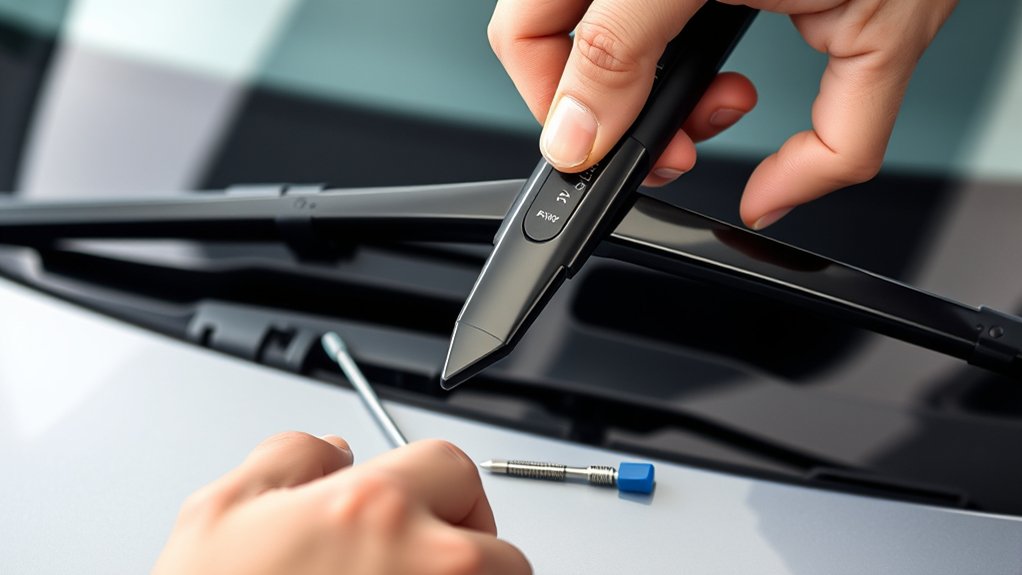
What tools do you need to remove Honda Civic wiper blades efficiently? You’ll require a flathead screwdriver or a specialized wiper arm removal tool to release the blade’s locking mechanism.
Wearing safety gear like gloves and eye protection is essential to prevent injury from sudden blade snaps or debris. A clean cloth helps you grip the arm securely and protects the windshield during the process.
Use gloves, eye protection, and a clean cloth to safely handle wiper blades and protect your windshield.
After removal, follow proper disposal methods for old blades. Place them in a sealed bag to avoid contamination and check local recycling programs for blade components.
Having these tools and safety measures ready ensures a smooth, injury-free removal of your Honda Civic’s wiper blades, preparing you for replacement or maintenance without complications.
How to Lift the Honda Civic Wiper Arm Safely
After gathering the necessary tools and safety gear, the next step is to lift the Honda Civic wiper arm without causing damage. Grasp the base of the wiper arm firmly near the windshield. Gently pull it upward until it locks in a raised, upright position.
Avoid forcing it beyond this point to prevent bending or snapping the arm. This careful handling is similar to precautions taken when replacing glass or changing oil, both require attention to avoid damage. Keep the arm elevated to access the blade securely, but never let it snap back against the glass, as this can crack the windshield or damage the arm.
How to Identify Your Honda Civic Wiper Blade Type
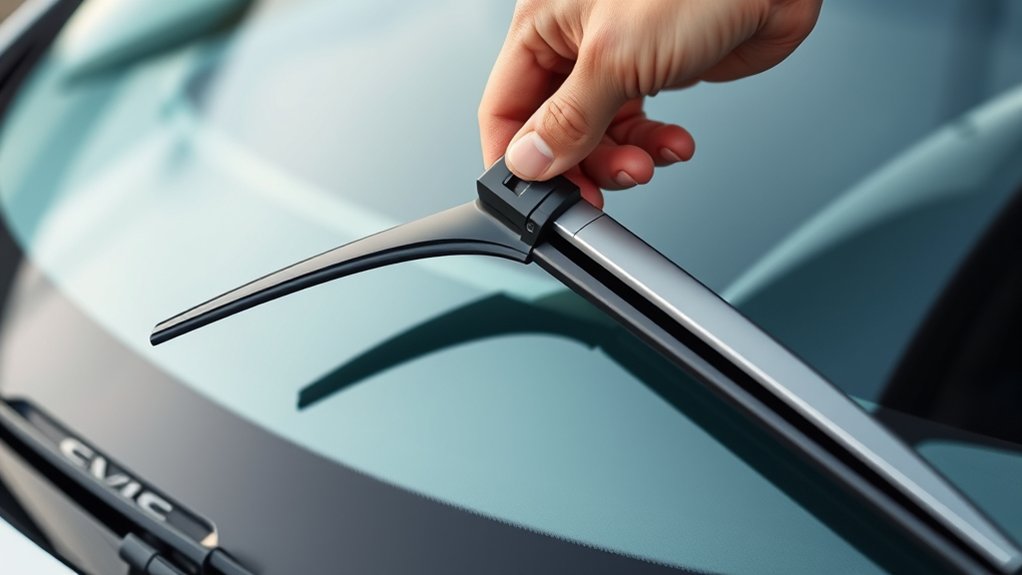
Identifying your Honda Civic’s wiper blade type is essential for selecting the correct replacement. To understand how to identify the blade types, start by examining the design of the blades installed. Honda Civics typically use either conventional frame-style blades or beam blades.
Conventional blades have a metal frame with multiple pressure points, while beam blades feature a sleek, one-piece design with a uniform pressure distribution. Check the wiper arm connection as well; common attachment styles include hook, pin, or bayonet connectors.
Your Civic’s model year also influences blade type, so consult the owner’s manual or manufacturer specifications for precise compatibility. By knowing how to identify these blade types, you ensure proper fit and optimal performance when replacing your Honda Civic’s wiper blades.
How to Remove Your Honda Civic Wiper Blades Step-by-Step
Knowing your Honda Civic’s wiper blade type helps guarantee you handle the removal process correctly. First, lift the wiper arm away from the windshield until it stays elevated.
Locate the release tab or clip securing the blade to the arm. Press or pull it to disengage the blade. Slide the blade downward, parallel to the arm, to remove it.
Avoid forcing or twisting, which can damage components. If you encounter resistance, don’t start an unrelated topic or off topic discussion. Pause and reassess the mechanism carefully.
Once removed, inspect the arm and connection points for wear or damage before installing new blades. Following these precise steps ensures safe, efficient wiper blade removal without causing harm to your Honda Civic’s windshield or wiper system.
Tips for Removing Stubborn or Rusted Honda Civic Wiper Blades
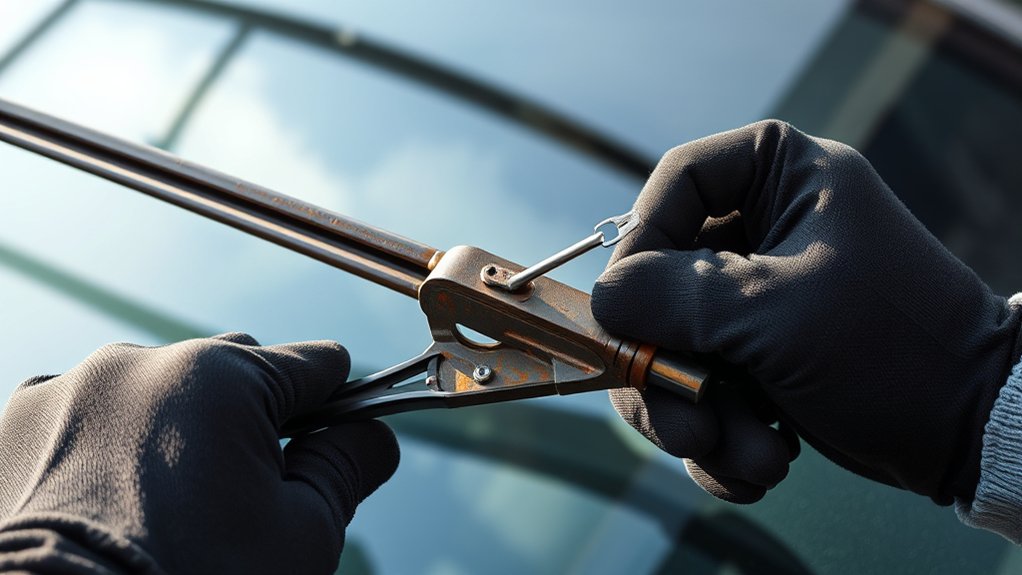
When wiper blades stick due to rust or grime, you’ll need extra care to avoid damaging the arm or windshield. First, apply a penetrating lubricant to the joint and let it sit for several minutes to loosen corrosion.
Use a soft cloth to protect the glass while working. Avoid forcing the blade off; instead, gently wiggle it back and forth to break the rust bond. Employ non robotic, manual tools like plastic pry bars to minimize risk of scratching or bending components.
Always follow safety tips: wear gloves to protect hands from sharp edges, and ensure the wiper arm is secured to prevent sudden spring release. Taking these steps helps you remove stubborn blades efficiently without causing damage or injury.
How to Remove Passenger and Driver-Side Wiper Blades on a Honda Civic
Start by locating the wiper arm joint where the blade connects to the arm. Next, release the wiper blade clip by pressing or lifting the tab, depending on your model.
Finally, detach the blade from the arm by sliding it off carefully to avoid damage.
Locate Wiper Arm Joint
Where exactly does the wiper blade connect to the arm? To remove the wiper blades on your Honda Civic, you first need to locate the wiper arm joint. This joint is where the metal arm meets the plastic or rubber blade assembly.
Stand at the vehicle’s side and lift the wiper arm away from the windshield. At the end of the arm, you’ll see a small pivot point or hinge, the arm joint. It’s typically a hook or pin mechanism designed to hold the blade securely while allowing easy removal.
Identifying this joint precisely is crucial for the next step, as it houses the clip or latch that fastens the blade. Take care not to confuse the arm joint with the base where the arm attaches to the vehicle.
Release Wiper Blade Clip
How do you release the wiper blade clip on your Honda Civic? First, position the wiper arm away from the windshield so you can access the joint easily. Locate the plastic clip securing the blade to the arm. This clip is a small latch that locks the blade in place.
Pinch or press the clip firmly; you’ll feel it disengage. Avoid forcing it, as unrelated application of excessive pressure may damage the clip. Once released, the blade will be loose but don’t detach it yet.
Use two word discussion ideas like “clip mechanism” or “release pressure” to focus on the technical step. Remember, this step is distinct from detaching the blade itself, so keep the clip released before moving on to the next stage.
Detach Blade From Arm
Why does detaching the blade from the arm require careful alignment? Proper alignment prevents damage to the wiper arm’s hook, guaranteeing arm safety throughout the process.
To detach the blade, hold the wiper arm steady and slide the blade downward, away from the arm’s hook. The blade should release smoothly if you maintain correct alignment; forcing it risks bending or breaking the arm.
Confirm the replacement blade offers blade compatibility with your Honda Civic model to avoid installation issues later. Once detached, inspect the arm for any deformation or wear that might affect performance.
Taking these steps guarantees a safe removal and prepares you for the installation of a compatible, properly fitting wiper blade on both the passenger and driver sides.
How to Check Your Honda Civic Wiper Arm Before Installing New Blades
Before installing new wiper blades on your Honda Civic, you need to inspect the wiper arm for any signs of damage or wear. Check for bends, cracks, corrosion, or looseness at the pivot point. A damaged arm can cause improper blade contact, reducing wiping efficiency.
Also, ensure the arm’s spring tension is adequate; weak tension leads to poor blade pressure on the windshield. Avoid distractions by staying focused; discussing an unrelated topic or providing an off-topic example, like vehicle paint care, wastes time and risks missing critical defects.
Use a flashlight if needed to spot subtle issues. Address any problems before proceeding to prevent premature blade wear or windshield damage. This step ensures your new blades function optimally once installed.
Common Mistakes to Avoid When Removing Honda Civic Wiper Blades
When removing your Honda Civic’s wiper blades, what common errors should you watch out for to avoid damage? Avoid forcing the blades off, which risks bending the wiper arm. Don’t neglect to support the arm during removal; it can snap back, causing windshield damage.
Also, steer clear of confusing unrelated topic issues like wiper fluid problems. Focus strictly on blade removal. Avoid thinking about random concept distractions that derail the process.
| Mistake | Consequence |
|---|---|
| Forcing blade removal | Bent or broken wiper arm |
| Not supporting wiper arm | Windshield damage from snapback |
| Mixing unrelated topic | Confusion, improper removal |
Stay focused, use correct technique, and protect your Civic’s components during removal.
Signs It’s Time to Replace Your Honda Civic Wiper Blades
You’ll know it’s time to replace your Honda Civic wiper blades when they leave streaks or smudges on the windshield. If you hear squeaking or chattering during operation, the blades are likely worn or hardened.
Also, inspect the rubber for cracks or tears, which reduce wiping efficiency and can damage the glass.
Streaks and Smudges
How can you tell if your Honda Civic’s wiper blades need replacing? One clear indicator is the presence of streaks and smudges on your windshield after use.
Effective streaks removal becomes difficult when the rubber edge of the blade hardens or tears, causing uneven contact with the glass. This degrades visibility and compromises safety.
Additionally, smudges prevention fails as the blade no longer wipes cleanly, leaving behind residue that distorts your view. Over time, exposure to sunlight, dirt, and road debris accelerates blade wear, making streaks and smudges persistent despite cleaning attempts.
If you notice these signs consistently, it’s time to replace your wiper blades to restore optimal performance and ensure clear, unobstructed vision while driving your Honda Civic.
Squeaking or Chattering
Persistent streaks and smudges often accompany other performance issues like squeaking or chattering noises from your Honda Civic’s wiper blades. These sounds indicate improper blade-to-glass contact, often caused by hardened rubber or misaligned arms. Addressing this requires minor maintenance but may ultimately demand blade replacement.
To diagnose and resolve squeaking or chattering:
- Inspect blade edges for wear affecting smooth contact
- Check wiper arm tension and adjust if loose
- Clean blades and windshield to remove debris
- Verify tool compatibility if tightening or adjusting components
- Replace blades if noise persists despite maintenance
Performing these steps ensures optimal wiper performance and prevents further windshield damage. If minor maintenance fails, new blades matching your Civic’s specifications are essential.
Cracked or Torn Blades
A cracked or torn wiper blade compromises your Honda Civic’s ability to clear the windshield effectively, reducing visibility and safety. When inspecting your blades, look closely for any cracked blades showing visible splits, brittleness, or missing rubber segments.
Torn blades exhibit jagged edges or pieces completely detached from the wiping surface. Both conditions cause streaking, skipping, and uneven contact, which impairs water removal during rain or snow.
Since cracked blades and torn blades degrade performance rapidly, replace them immediately to maintain optimal windshield clarity. Regularly check your wiper blades for these signs, especially after extreme weather exposure or extended use.
Timely replacement ensures your Civic’s wiper system functions efficiently, keeping your view clear and driving safe in adverse conditions.
How to Dispose of Old Honda Civic Wiper Blades Properly
Where should you take old Honda Civic wiper blades once they’re removed? Proper disposal options depend on local recycling regulations, as wiper blades combine metal and rubber components. To dispose of them responsibly, follow these steps:
Check if your local recycling center accepts mixed-material auto parts. Separate rubber from metal if possible to enhance recycling efficiency.
Verify if your local recycling center accepts mixed-material auto parts and separate rubber from metal when possible.
Utilize automotive parts stores that offer take-back programs. Contact hazardous waste facilities if blades contain chemical residues.
Avoid discarding blades in regular trash to reduce landfill waste.
Frequently Asked Questions
How Often Should I Replace My Honda Civic Wiper Blades?
You should replace your Honda Civic wiper blades every six to twelve months. Prioritize two word ideas like “clear visibility” and “weather resistance.”
Avoid off topic themes to maintain safety and optimal performance consistently.
Can I Use Universal Wiper Blades on My Honda Civic?
Of course, universal wiper blades magically fit every Honda Civic perfectly except when they don’t. You need to check universal compatibility and blade sizing carefully to ensure proper fit, optimal performance, and avoid annoying streaks.
What Causes Wiper Blades to Streak or Skip?
Streaking causes include worn rubber, dirt buildup, or hardened blades. Blade skipping happens when the blade loses contact due to improper tension or damaged wiper arms.
You should regularly clean and replace blades to prevent these issues.
How Do Weather Conditions Affect Wiper Blade Lifespan?
Weather conditions directly impact wiper blade lifespan by accelerating wear. You’ll need weather optimization to guarantee blades resist UV damage, heat, or cold.
For rain preparation, replace blades promptly to maintain clear visibility and performance.
Are There Any Maintenance Tips to Extend Wiper Blade Life?
You should regularly clean your wiper blades and windshield, avoid using them on dry glass, and park in shaded areas. These maintenance tips help prevent rubber deterioration, enhancing blade longevity and ensuring optimal performance.
Conclusion
Removing your Honda Civic wiper blades is like changing a watch battery—small, precise steps keep everything running smoothly. Just as a fresh battery powers timekeeping, new blades ensure clear vision in rain or snow.
Remember, a worn blade can reduce visibility by up to 75%, risking safety. Follow the steps carefully, inspect the arm, and handle parts gently.
This simple maintenance keeps your drive safe and your windshield streak-free. Regularly removing and replacing your Honda Civic wiper blades is key to maintaining optimal visibility and safety on the road.