To replace the ignition lock cylinder on your 2000 Jeep Wrangler, start by disconnecting the battery to ensure safety. This step is crucial to prevent any electrical issues or accidental shocks.
Next, remove the steering column covers using Phillips and Torx drivers. Once the covers are off, locate the retaining pin on the ignition lock cylinder. Depress this pin while turning the key to the accessory position to release and extract the old cylinder.
Insert the new ignition lock cylinder, making sure it is aligned properly with the key position. Secure the cylinder in place, then test all key positions to confirm proper function.
Finally, reinstall the steering column covers and verify that the system responds correctly.
Continue reading for detailed troubleshooting and maintenance guidance.
Key Takeaways
- Disconnect the battery by removing the negative terminal first to ensure safety before starting the ignition lock cylinder replacement.
- Remove the steering column covers by unscrewing visible Phillips and hidden Torx screws, then gently pry open clips with a trim tool.
- Insert the key, turn it to the “accessory” position, press the retaining pin with a flathead screwdriver, and pull out the old ignition lock cylinder.
- Align the new ignition lock cylinder with the housing using the key in the “accessory” position, then slide it in and secure the retaining pin.
- Test the new cylinder by turning the key through all positions and verify proper ignition switch operation and electrical responses.
What Tools You Need to Replace the Ignition Lock Cylinder
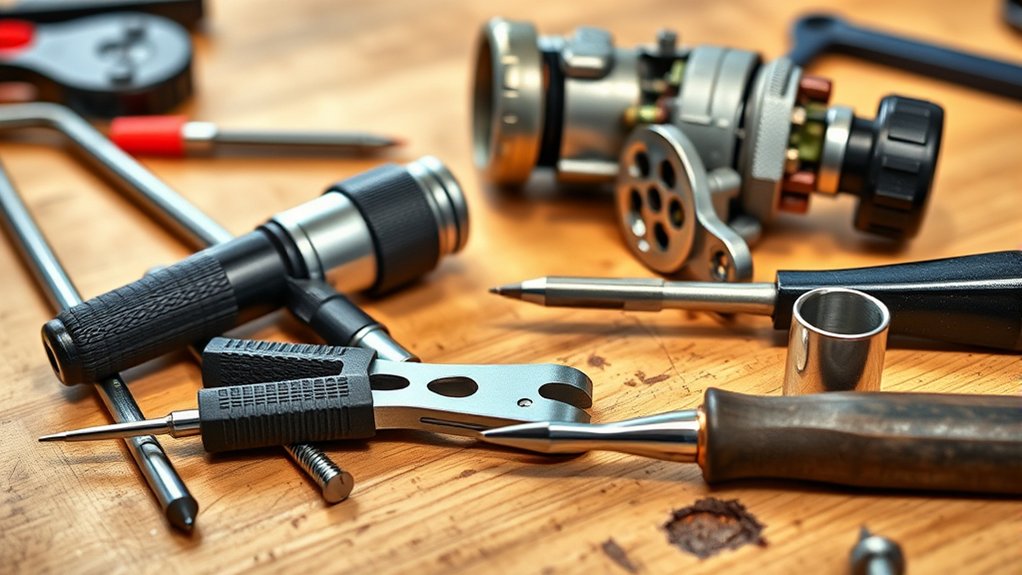
Before you begin replacing the ignition lock cylinder on your Jeep Wrangler, gather the essential tools to guarantee a smooth process. You’ll need a Phillips screwdriver and a flathead screwdriver to remove screws and pry off panels carefully.
Gather essential screwdrivers before replacing your Jeep Wrangler’s ignition lock cylinder for a smooth, efficient process
A Torx driver set is vital for the specialized screws securing the ignition components. Have a pair of needle-nose pliers ready for handling small clips and connectors without damaging them.
A replacement ignition lock cylinder and a lock cylinder removal tool assure proper ignition security and facilitate precise lock cylinder maintenance. Additionally, keep a flashlight handy to inspect tight areas within the steering column.
Having these tools organized before starting minimizes errors and enhances your ability to maintain the vehicle’s ignition security effectively.
How to Remove the Steering Column Covers Safely
Before removing the steering column covers, gather the necessary tools such as a screwdriver and pry tool. Make sure to disconnect the battery to prevent any electrical issues.
Then, carefully remove all screws and clips securing the covers without damaging the plastic components.
Tools Needed
Three essential tools will help you remove the steering column covers safely: a Phillips screwdriver, a flathead screwdriver or trim removal tool, and a Torx driver set. Use the Phillips screwdriver to remove the visible screws securing the covers.
The flathead or trim removal tool helps pry open the clips without damaging the plastic housing. Finally, the Torx driver set is critical for accessing hidden fasteners, ensuring you don’t strip screws or harm the assembly.
Employing proper tools aligns with ignition troubleshooting techniques, preventing unnecessary damage during disassembly. Following cylinder maintenance tips, using precise instruments minimizes wear and eases reassembly.
Preparing these tools beforehand will streamline the removal process, making it safer and more efficient while protecting the integrity of the steering column components.
Disconnecting The Battery
Start by disconnecting the battery to eliminate any risk of electrical shock or accidental airbag deployment while working on the steering column covers. Prioritize battery safety by wearing insulated gloves and using the correct wrench size. Always disconnect the negative terminal first to reduce electrical hazards.
| Step | Action | Note |
|---|---|---|
| 1 | Locate battery | Usually under the hood |
| 2 | Disconnect negative terminal | Prevents electrical shorts |
| 3 | Disconnect positive terminal | Guarantees complete isolation |
Follow these electrical precautions carefully to maintain safety. After disconnection, avoid touching any metal parts on the steering column to prevent static discharge. This methodical approach guarantees a safe working environment before you remove the steering column covers.
Removing Screws And Clips
Carefully remove all screws and clips securing the steering column covers to access the ignition lock cylinder. Begin by locating all fasteners; these are typically Phillips screws and plastic clips positioned evenly around the cover edges.
Use a magnetic screwdriver to avoid dropping screws into the column. Gently pry the clips with a trim removal tool to prevent damage. Keep the ignition key out of the ignition during this process to maintain lock security and avoid accidental locking.
Once all screws and clips are removed, separate the upper and lower covers slowly to reveal the ignition lock cylinder assembly. This careful, methodical approach guarantees you don’t damage any components or compromise the lock security system before proceeding with cylinder replacement.
Extracting the Old Ignition Lock Cylinder
To extract the old ignition lock cylinder, first confirm the steering wheel is locked and the key is in the “off” position. This guarantees ignition security and prevents accidental electrical contact.
Next, locate the small retaining pin or tab on the cylinder housing. You’ll need to depress this pin to release the cylinder. Follow these steps carefully:
- Insert the key and slightly turn it to the “accessory” position to align the cylinder properly.
- Use a small flathead screwdriver or pick tool to press the retaining pin inward.
- While holding the pin, gently pull the cylinder straight out from the housing.
Maintaining correct cylinder alignment is vital during extraction to avoid damaging the ignition switch assembly or triggering security mechanisms.
Installing the New Ignition Lock Cylinder Correctly
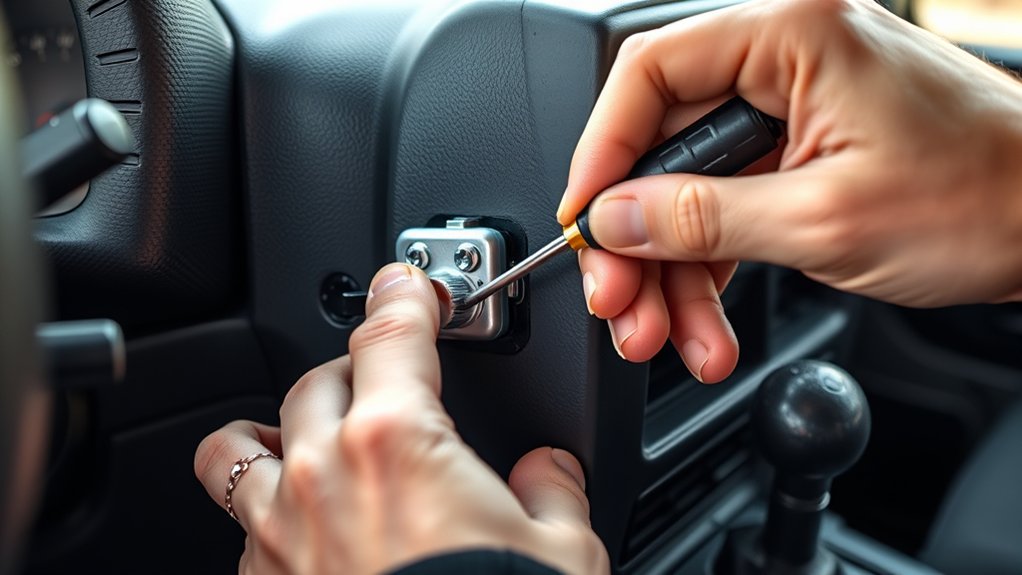
When you’ve removed the old ignition lock cylinder, align the new cylinder with the housing by inserting the key and turning it to the “accessory” position. This guarantees the internal tumblers are correctly oriented for smooth insertion.
Gently slide the cylinder into the steering column housing until it fully seats, avoiding force that might damage internal components. Secure the cylinder by reinstalling the retaining pin or screw, confirming it locks firmly in place to maintain proper ignition security.
Carefully insert and secure the cylinder to protect internal parts and ensure reliable ignition security.
Reconnect any electrical connectors if applicable, guaranteeing proper contact without pinching wires. Proper installation supports lock cylinder maintenance by preventing premature wear or failure.
Take care to verify that the cylinder moves smoothly through all key positions, essential for functional ignition security and long-term operational reliability.
Testing the New Ignition Lock Cylinder for Proper Function
Although the new ignition lock cylinder is installed, you need to verify its functionality before reassembling the steering column fully. Proper testing guarantees correct cylinder alignment and maintains peak ignition timing, preventing future issues.
Follow these steps:
- Insert and turn the key through all positions: lock, accessory, on, and start. Ensure smooth rotation without binding.
- Confirm the cylinder aligns precisely with the ignition switch. Misalignment can disrupt ignition timing and engine start.
- With the engine off, verify the electrical components respond correctly when turning to the “on” and “start” positions, indicating proper ignition timing engagement.
Completing these tests methodically ensures the new ignition lock cylinder operates reliably and supports the vehicle’s starting system as designed.
Reinstall Steering Column Covers and Perform Final Checks
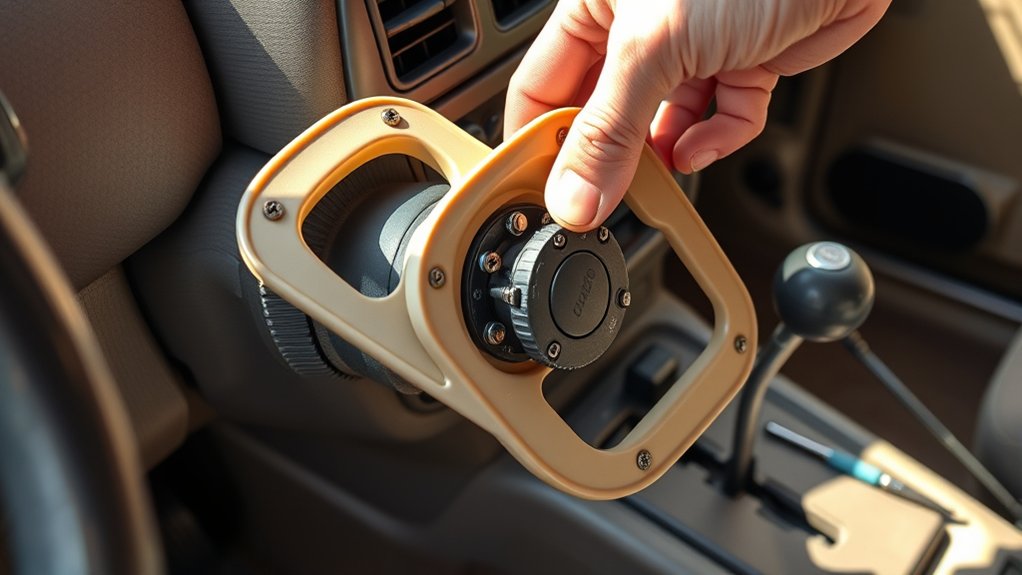
Secure the steering column covers carefully around the newly installed ignition lock cylinder, guaranteeing all clips and screws align correctly with their mounting points. Begin the cover installation by positioning the upper and lower steering column halves precisely, avoiding misalignment that could cause rattling or damage.
Insert and tighten all screws evenly to secure the covers without overtightening, which could crack the plastic. After securing the covers, check for any gaps or looseness in the steering column assembly.
Verify that the turn signal and wiper stalks move freely without interference from the covers. Finally, perform a visual inspection to confirm that no wiring or components are pinched or exposed.
This methodical cover installation and final check guarantee reliable function and a clean finish to your ignition lock cylinder replacement.
Troubleshoot Ignition Lock Cylinder Issues After Replacement
After replacing the ignition lock cylinder, you might encounter issues such as key sticking, failure to turn, or electrical malfunctions. To address these problems effectively, apply the following ignition troubleshooting tips:
- Inspect Key and Cylinder Alignment: Confirm the key fully inserts and engages the lock tumblers without resistance. Misalignment often causes sticking or failure to turn.
- Verify Electrical Connections: Check all wiring harnesses linked to the ignition switch for secure attachments and no visible damage, as loose connections can cause electrical faults.
- Perform Lock Cylinder Maintenance: Lubricate the cylinder with a graphite-based lubricant to reduce friction. Avoid oil-based products that attract debris and worsen performance.
These methodical steps help maintain proper function and prolong the life of your ignition system after replacement.
Diagnose Common Ignition Lock Cylinder Problems
You’ll first want to identify symptoms like key sticking, failure to turn, or no electrical response. Next, consider common causes such as worn tumblers, broken springs, or ignition switch faults.
Finally, perform systematic tests on the ignition cylinder to confirm the source of the problem before proceeding.
Symptoms of Ignition Failure
When your Jeep Wrangler’s ignition lock cylinder begins to fail, it often exhibits specific symptoms that can help you diagnose the problem early. Recognizing these ignition symptoms and failure indicators allows you to address issues before they escalate.
Common failure indicators include:
- Key Sticking or Difficulty Turning This suggests internal cylinder wear or debris interfering with smooth operation.
- No Response When Turning Key Indicates potential electrical contact failure within the cylinder assembly.
- Ignition Key Won’t Insert or Remove Properly Points to mechanical binding or misalignment inside the lock cylinder.
Causes of Lock Cylinder Issues
Although ignition lock cylinder issues can stem from various sources, understanding the root causes is crucial for accurate diagnosis and repair. Lock wear often results from prolonged use, causing internal tumblers to misalign and hinder key rotation.
Key damage, such as bending or worn cuts, can also prevent proper engagement with the lock mechanism. Corrosion issues inside the cylinder, usually due to moisture ingress, degrade metal components and impede smooth operation.
Security concerns arise when unauthorized attempts to force the lock cause mechanical damage. Additionally, electrical faults linked to the ignition switch can mimic lock cylinder problems, complicating diagnosis. Identifying these factors methodically helps you isolate the precise cause of ignition failure and guarantees you address the correct component without unnecessary replacement.
Testing Ignition Cylinder Function
Identifying the underlying cause of ignition lock cylinder issues requires a systematic approach to testing its function. Start by inspecting the wear indicators on the cylinder; excessive wear often signals internal damage affecting ignition security.
Next, evaluate the cylinder’s mechanical operation by inserting the key and turning it through all positions, noting any stiffness or failure to engage. Finally, check the electrical connections linked to the ignition switch for continuity and proper response, as faulty wiring can mimic cylinder problems.
Follow these steps:
- Examine wear indicators for physical deterioration.
- Test key rotation smoothness and position engagement.
- Verify electrical continuity and ignition security signals.
This methodical testing helps you pinpoint faults accurately before proceeding with cylinder replacement.
Frequently Asked Questions
Can a Faulty Ignition Lock Cylinder Drain My Jeep’s Battery?
Yes, faulty ignition lock cylinders can cause ignition problems that lead to battery issues. You’ll want to inspect for electrical shorts or stuck contacts that might drain your battery when the ignition doesn’t properly disengage.
How Much Does Professional Replacement of the Ignition Lock Cylinder Cost?
You’ll find ignition cylinder pricing for a 2000 Jeep Wrangler ranges from $150 to $400, depending on replacement options.
Labor costs vary by shop but expect around $100 to $200 for professional installation.
Will Replacing the Ignition Lock Cylinder Affect My Jeep’s Security System?
Replacing the ignition lock cylinder can affect your Jeep’s security features if the new cylinder lacks lock cylinder compatibility with the factory system. Confirm you use a compatible part to maintain proper function and avoid security issues.
How Do I Know if My Jeep’s Ignition Lock Cylinder Is Original or Aftermarket?
Wondering if your ignition lock cylinder is original or aftermarket? Check for ignition symptoms like unusual resistance or loose lock functionality.
Compare part numbers and manufacturer marks against OEM specs to confirm authenticity with precision.
Can I Rekey the Ignition Lock Cylinder Without Replacing It?
Yes, you can perform the rekeying process on your ignition lock cylinder without replacing it. This method aids ignition troubleshooting by allowing new keys to work.
Make certain the cylinder isn’t damaged for effective results.
Conclusion
Replacing the ignition lock cylinder on your 2000 Jeep Wrangler might seem challenging, but with the right tools and methodical steps, it’s straightforward. While the process demands precision and care, the satisfaction of restoring reliable ignition is immediate. Don’t let initial complexity deter you.
Your careful removal and installation will prevent future issues. In contrast to frustration, this repair brings confidence—making your Jeep ready to start smoothly every time. Successfully completing this task ensures your 2000 Jeep Wrangler ignition lock cylinder functions perfectly for years to come.