To stop your engine from burning oil, first identify signs like blue smoke from the exhaust or rapid oil loss without visible leaks. These symptoms indicate that oil is entering the combustion chamber, which can lead to performance issues if left unchecked.
Check valve seals and piston rings for wear using simple DIY tests such as compression or leak-down checks. Regularly maintaining oil levels and using the correct oil grades are essential steps to reduce oil consumption.
Consider engine flushes or additives designed to protect seals and improve engine health. Addressing the root causes early can prevent costly damage and enhance overall engine performance.
Explore deeper diagnostics and maintenance strategies to keep your engine running efficiently and minimize oil consumption over time.
Key Takeaways
- Regularly monitor oil levels and exhaust smoke to detect early signs of oil burning.
- Perform compression or leak-down tests to identify worn piston rings or valve seal damage.
- Use engine flushes and quality oil additives to clean deposits and improve seal elasticity.
- Replace damaged valve seals and worn piston rings to address root causes effectively.
- Follow manufacturer-recommended oil change intervals and use specified oil grades for optimal engine health.
Identifying Engine Oil Burning
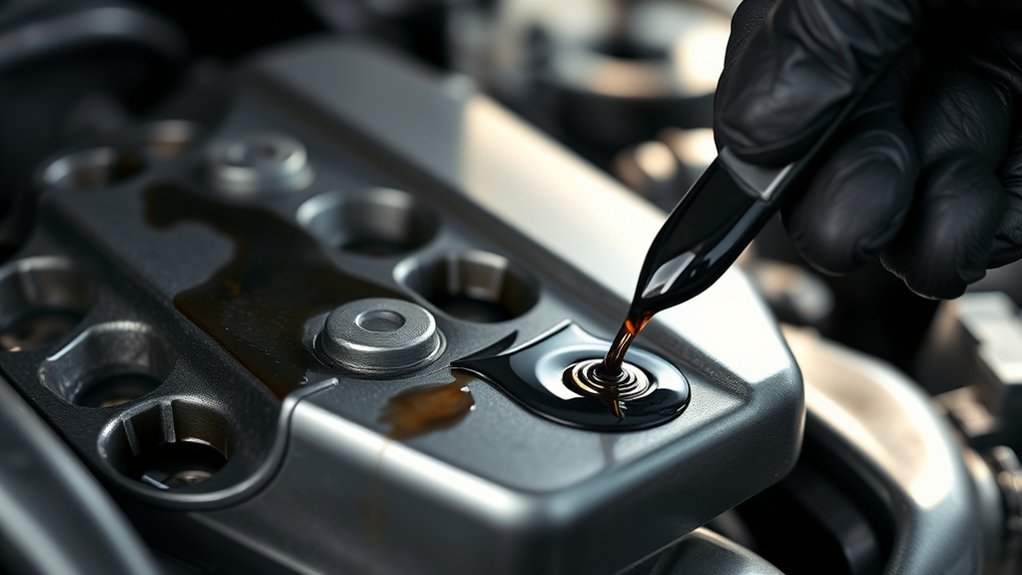
To identify engine oil burning, start by closely monitoring your vehicle’s oil consumption and exhaust emissions. Track oil levels regularly; a significant drop without visible leaks indicates internal oil burning.
Next, perform smoke detection by observing the exhaust for blue or gray smoke, a clear sign of oil combustion within the engine. Use a diagnostic smoke detector or visual inspection during startup and acceleration phases, when oil burning is more pronounced.
Additionally, check for increased oil deposits in the exhaust system, which can impair performance. Accurate identification requires correlating abnormal oil consumption with consistent smoke detection.
Common Causes of Engine Burning Oil
You’ll often find that worn piston rings cause oil to seep into the combustion chamber, leading to burning oil.
Valve seal damage can also allow oil to leak past the valves and burn during engine operation. Understanding these common issues helps you target the root cause effectively.
Worn Piston Rings
Although piston rings are designed to form a tight seal between the piston and cylinder wall, worn or damaged rings can allow engine oil to bypass this seal and enter the combustion chamber. You’ll notice increased oil consumption as a direct result of piston wear that reduces the rings’ effectiveness.
Over time, continuous friction causes the rings to lose their tension and conform less tightly against the cylinder walls, compromising the seal. This degradation leads to oil leaking past the rings during combustion, which burns oil and produces blue smoke from the exhaust.
To address this, you’ll need to inspect the piston rings and cylinder walls for scoring or wear patterns. Replacing worn piston rings is essential to restoring proper compression and minimizing oil consumption.
Valve Seal Damage
Valve seals play an essential role in regulating oil flow around the engine’s valves, preventing excess oil from entering the combustion chamber. When valve seals deteriorate or crack, oil leaks past them and burns during combustion, causing increased oil consumption and blue smoke from the exhaust.
To address this, you must perform a thorough seal inspection to assess wear or damage. If the seals show signs of hardening, cracking, or shrinkage, timely valve replacement is necessary to restore proper sealing and prevent further oil leakage.
Ignoring damaged valve seals can lead to fouled spark plugs, reduced engine efficiency, and increased emissions. Consequently, incorporating regular seal inspection into your maintenance routine guarantees early detection and effective repair, helping you stop your engine from burning oil.
DIY Checks to Diagnose Engine Burning Oil
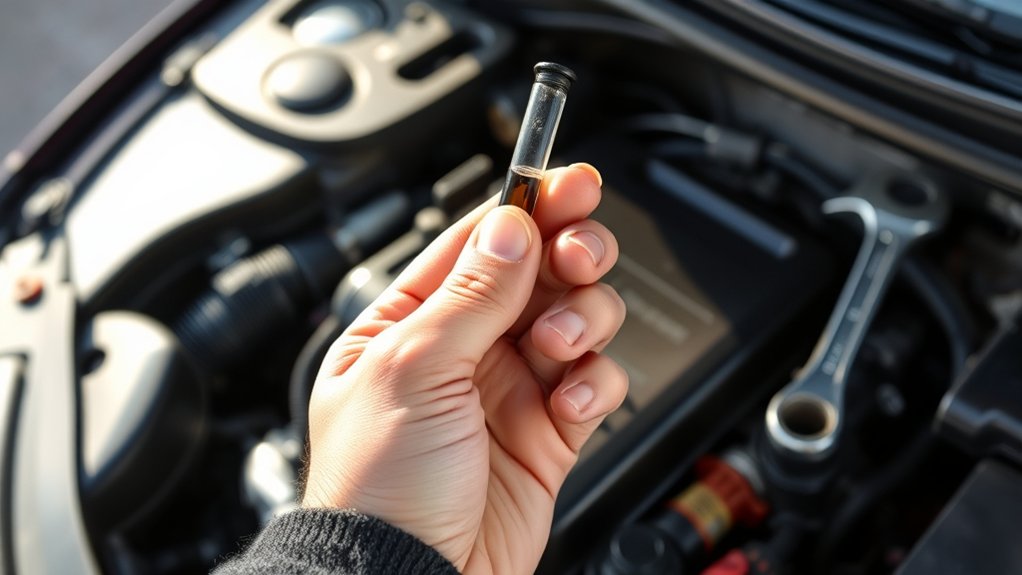
You should start by inspecting the valve cover gasket for cracks or leaks, as a damaged gasket can allow oil to seep into the combustion chamber.
Next, check for piston ring wear by performing a compression or leak-down test to assess engine sealing efficiency. These DIY checks help pinpoint common sources of oil burning and guide your repair strategy.
Inspect Valve Cover Gasket
One of the most common causes of engine oil leaks is a worn or damaged valve cover gasket. When gasket leaks occur, oil can seep out, causing oil discoloration around the valve cover area.
To inspect, remove debris and check for cracks or hardening along the gasket edges. Also, look for wet oil stains on the engine block or spark plug wells. Early detection prevents further engine damage.
| Inspection Step | What to Look For |
|---|---|
| Visual Check | Cracks, breaks, or hardening |
| Oil Residue | Fresh or dried oil stains |
| Surrounding Area | Oil discoloration on engine |
| Gasket Seating Surface | Warping or irregularities |
| Tightness of Bolts | Loose or missing fasteners |
Addressing valve cover gasket issues promptly minimizes oil loss and engine wear.
Check Piston Ring Wear
After ruling out valve cover gasket leaks, the next step is to inspect piston rings for wear, since they play a critical role in sealing combustion gases and controlling oil consumption. To check piston ring condition, start by performing a compression test on each cylinder.
Low or inconsistent compression readings often indicate piston ring damage or excessive wear. If compression is low, conduct a leak-down test to confirm whether the piston rings are the source of pressure loss. Visual inspection requires engine disassembly, but the compression test offers a non-invasive diagnostic method.
Worn piston rings allow combustion gases to escape and oil to enter the combustion chamber, causing burning oil symptoms. Addressing piston ring wear promptly prevents further engine damage and oil consumption issues.
Effective Fixes to Stop Your Engine Burning Oil
Addressing an engine that burns oil involves pinpointing the root cause and applying targeted repairs. Start by using engine flushes to clean deposits and sludge that worsen oil consumption. These flushes prepare the engine for fresh oil and improve oil circulation.
Next, consider oil additives formulated to reduce oil burning by enhancing seals’ elasticity and reducing oil breakdown at high temperatures. Make sure you select additives compatible with your engine type and oil grade.
Additionally, routinely check and maintain ideal oil levels and change intervals, as contaminated or degraded oil can exacerbate burning. These steps stabilize engine performance and extend component life without immediate part replacements.
Implementing these fixes methodically helps you control oil consumption effectively and prevents further engine damage.
When Should You Replace Engine Parts to Stop Oil Burning?
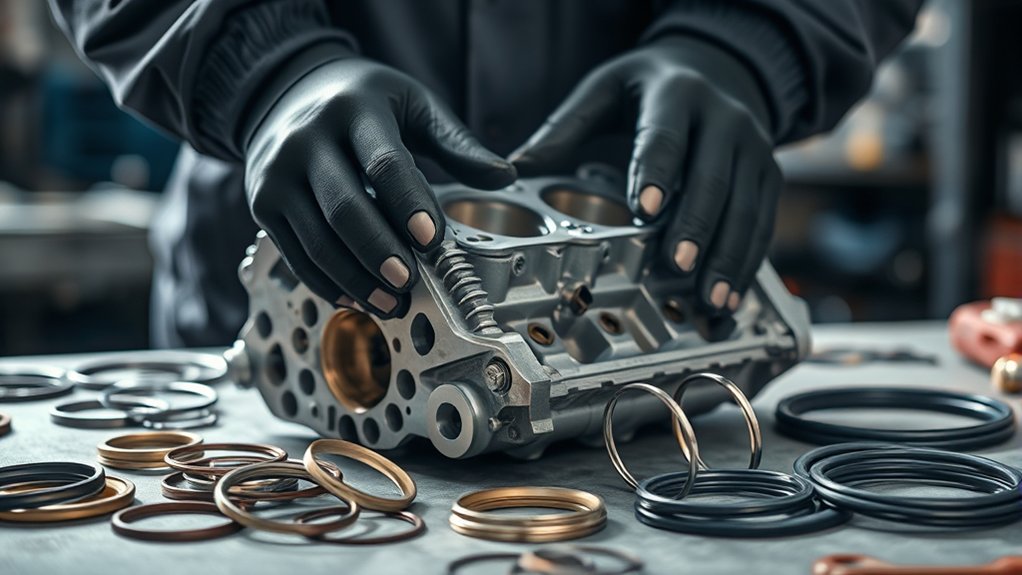
Although minor oil burning issues can sometimes be managed with maintenance and additives, you should replace engine parts when persistent symptoms indicate mechanical wear or damage. If you notice continuous blue smoke from the exhaust, excessive oil consumption, or low compression readings, these signs often point to worn piston rings, valve seals, or cylinder walls.
At this stage, relying solely on oil additives won’t address the root cause. Instead, consider an engine overhaul where the damaged components are replaced or refurbished. Delaying part replacement can worsen engine performance and increase repair costs.
Timely intervention guarantees you prevent further oil burning and maintain engine efficiency. Consequently, knowing when to replace parts is critical to stopping oil burning effectively and avoiding costly damage.
Engine Maintenance Tips to Prevent Oil Burning
To prevent your engine from burning oil, you need to adopt a consistent maintenance routine that targets the root causes of oil consumption. First, maintain the recommended oil change frequency; neglecting timely changes degrades lubrication quality, increasing engine wear and oil burn.
Always use the manufacturer-specified oil grade to guarantee ideal viscosity and protection. Regularly inspect valve seals, piston rings, and cylinder walls for wear or damage, as these components directly affect oil control.
Additionally, monitor and replace air filters to prevent contaminants from compromising oil integrity. Use high-quality lubricants that maintain stability under operating temperatures to reduce oil breakdown.
Finally, perform routine engine diagnostics to detect early signs of oil consumption, allowing you to address issues before they escalate and cause significant engine damage.
Frequently Asked Questions
Can Using Synthetic Oil Reduce Engine Burning Oil?
Yes, using synthetic oil offers synthetic advantages like superior lubrication and resistance to breakdown, which help reduce oil burning. This improved protection supports engine longevity by minimizing wear and maintaining ideal oil viscosity under extreme conditions.
Does Oil Burning Affect Fuel Efficiency?
Yes, increased oil consumption can reduce your fuel efficiency by causing incomplete combustion and fouled spark plugs, which degrade engine performance.
Maintaining proper oil levels guarantees ideal combustion, improving both fuel efficiency and overall engine health.
How Does Engine Oil Grade Impact Oil Burning?
You’ll find that using the correct oil viscosity reduces oil burning by maintaining proper lubrication. Plus, oil additives enhance sealing and reduce deposits, so choosing the right grade prevents excessive oil consumption and protects your engine’s performance.
Can Cold Weather Cause Engine Oil Burning?
Yes, cold weather effects can cause oil viscosity changes, making oil thicker. This reduces proper lubrication, increasing engine wear and oil burning.
You should use oil with appropriate viscosity ratings to prevent these issues in cold conditions.
Is Oil Burning Dangerous for the Environment?
Imagine spilling paint into a river. Oil pollution works the same way, harming ecosystems. When your engine burns oil, it releases toxic fumes and residues, greatly increasing environmental impact by contaminating air, soil, and water sources.
Conclusion
If you don’t address engine oil burning early, you risk severe damage—studies show that 30% of engine failures stem from neglected oil issues. By regularly checking for leaks, monitoring oil levels, and fixing worn components promptly, you can prevent costly repairs and extend your engine’s life.
Staying proactive with maintenance not only stops oil burning but also guarantees your engine runs efficiently and reliably. Don’t wait—take action to protect your engine today and learn how to stop engine from burning oil.