You might wonder if the Honda Civic is a compact car, especially given its range of body styles and evolving design. Its size, interior space, and cargo capacity align closely with what defines a compact vehicle. However, there are nuances worth examining.
Understanding these details can clarify why the Civic often stands out among its peers. It also helps determine whether it meets your expectations for a compact car.
Key Takeaways
- The Honda Civic’s exterior dimensions fit standard compact car size classifications, including sedan, coupe, and hatchback body styles.
- Interior space balances passenger comfort and cargo capacity, with front legroom around 42.3 inches and rear legroom 37.4 inches.
- Fuel efficiency and engine technology align with compact car expectations, offering strong mileage and lightweight, aerodynamic design.
- Pricing ranges from $23,000 to $30,000, providing competitive value with advanced safety and infotainment features.
- Driving dynamics emphasize balanced handling, responsive steering, and reliable braking, supporting its role as a practical compact car choice.
What Defines a Compact Car
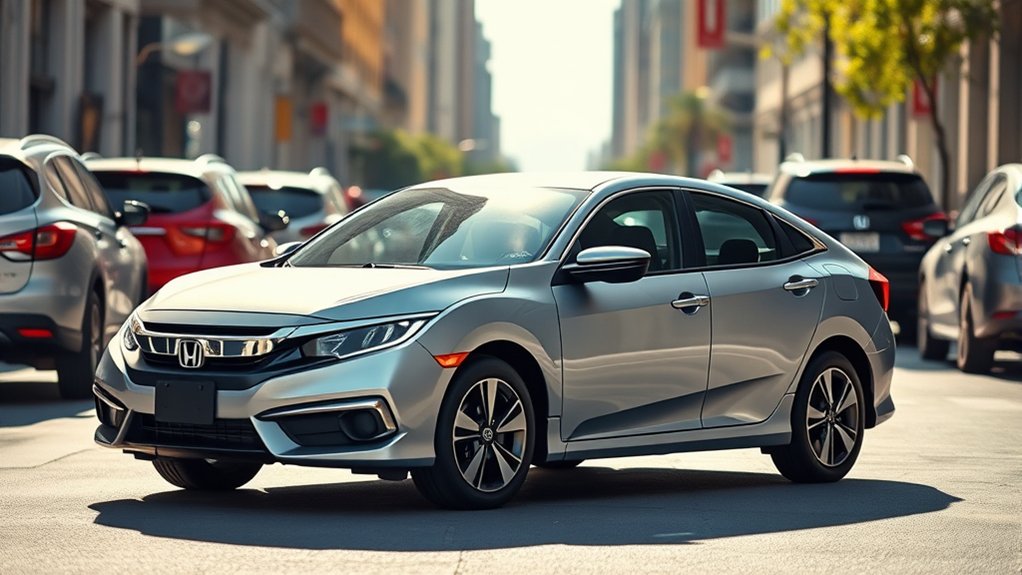
What exactly defines a compact car? You might think it’s just about size, but there’s more to it. A compact car typically falls within specific dimensions and offers efficient fuel economy, practicality, and ease of maneuvering in urban settings.
If you imagine a fictional scenario where cars are categorized by unrelated topics like color or brand loyalty, you’d lose sight of these practical criteria. Instead, focus on measurable features such as interior space, engine size, and overall footprint.
These standards help manufacturers and consumers understand what qualifies as compact, distinguishing it from subcompact or midsize classes. So, when you evaluate a vehicle, remember that defining a compact car involves objective metrics rather than subjective or unrelated factors.
How the Civic’s Size Compares to Compact Cars
You’ll find the Honda Civic’s exterior dimensions align closely with typical compact car measurements, fitting well within the segment’s size range.
When you look inside, the Civic offers competitive interior space, balancing passenger comfort and cargo capacity. Comparing these factors helps clarify how the Civic measures up to other compact cars.
Dimensions Compared to Segment
How does the Honda Civic’s size measure up against other compact cars? The Civic fits comfortably within the typical compact segment, offering balanced exterior dimensions that make it easy to maneuver and park. Its length and width align closely with competitors, providing a practical footprint without sacrificing usability.
While engine reliability remains a standout feature in the Civic, its dimensions also support efficient cargo organization, allowing you to maximize storage despite the compact classification. Compared to segment averages, the Civic’s height and wheelbase contribute to a stable ride and adequate interior room, though it doesn’t push the size boundaries.
Interior Space Analysis
Beyond its exterior dimensions, the Honda Civic’s interior space plays a significant role in defining its practicality within the compact car segment. When you evaluate the Civic, you’ll find that its cabin offers ample legroom and headroom for both front and rear passengers, which aligns well with other compact cars.
It balances comfort without veering into the irrelevant topic of midsize or larger vehicles. Avoid getting distracted by stray concepts such as luxury car space standards, which don’t apply here.
Key interior space highlights include:
- Approximately 42.3 inches of front legroom and 37.4 inches in the rear.
- A well-designed cabin maximizing passenger comfort and usability.
- Competitive cargo space, offering practical storage without compromising passenger area.
This interior space analysis confirms the Civic’s place firmly within the compact car category.
Honda Civic Body Styles and Their Size Differences
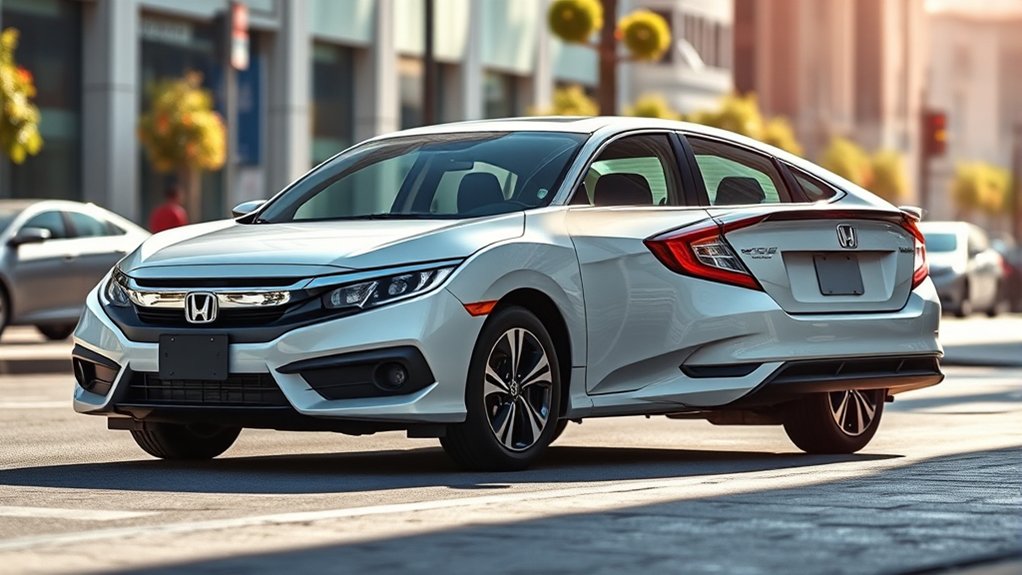
What distinguishes the various Honda Civic body styles is more than just appearance; it’s their size differences that impact functionality and driving experience. When you consider Civic bodystyles, sedan, coupe, and hatchback, you’ll notice that each offers distinct dimensions affecting ride quality and usability.
These size differences influence how the car handles, passenger comfort, and cargo space.
| Body Style | Length (in) | Cargo Volume (cu ft) |
|---|---|---|
| Sedan | 182.7 | 14.8 |
| Coupe | 176.9 | 12.1 |
| Hatchback | 177.9 | 25.7 |
Understanding these measurements helps you pick the right Civic based on your priorities, balancing ride quality with interior space and practicality.
Honda Civic Models That Qualify as Compact Cars
Which Honda Civic models truly fit the compact car category? When you analyze the Civic range, you’ll find certain trims align neatly with compact comparisons in size and function. These models maintain the balance of efficient dimensions and versatile design aesthetics characteristic of compact cars.
Consider these Civic models that qualify as compact cars:
- Honda Civic Sedan: Classic compact dimensions, ideal for daily commuting.
- Honda Civic Hatchback: Offers added cargo space but retains compact proportions.
- Honda Civic Si: Sportier design with compact structure, blending performance and size.
Each model reflects Honda’s commitment to compact design aesthetics without sacrificing interior space or driving dynamics. Understanding these specific trims helps you identify which Civic truly meets compact car standards.
How Fuel Efficiency Sets the Civic Apart
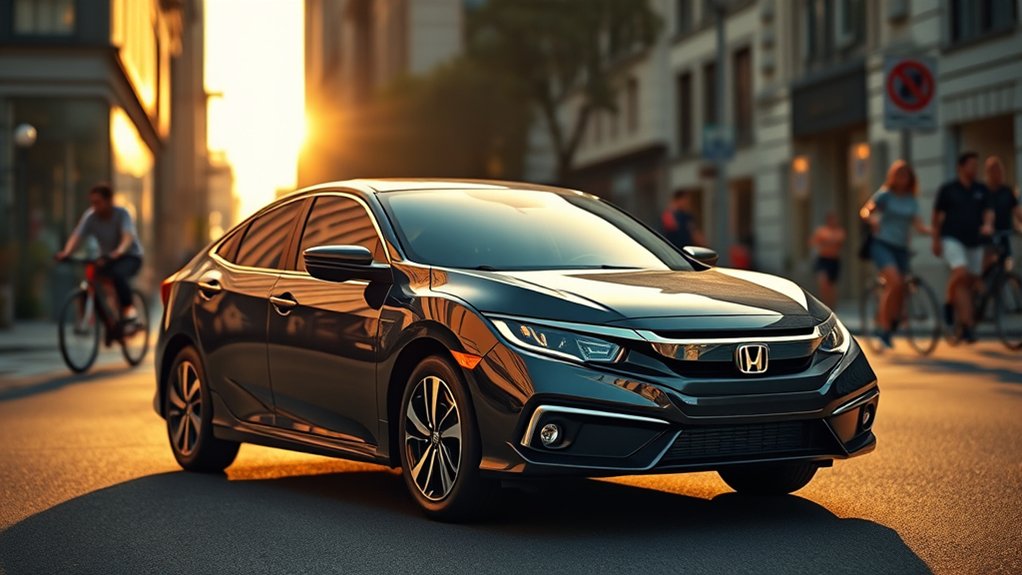
You’ll notice the Honda Civic stands out with its impressive mileage ratings, making it a smart choice for fuel-conscious drivers. Its advanced engine technology plays a key role in maximizing efficiency without sacrificing performance.
Understanding these features helps explain why the Civic remains a leader in the compact car segment.
Impressive Mileage Ratings
How does the Honda Civic achieve its reputation for impressive mileage ratings? You’ll find that its efficiency isn’t just marketing hype but a result of carefully balanced design choices.
Unlike an irrelevant topic or off topic idea, fuel economy is central to the Civic’s identity. Its mileage ratings stand out in the compact car segment because of several key factors:
- Lightweight construction that reduces energy consumption
- Aerodynamic design minimizing drag
- Efficient transmission systems optimizing power use
These elements combine to deliver consistent fuel savings whether you’re commuting or on longer drives. When evaluating compact cars, the Civic’s mileage ratings offer a clear, objective advantage that sets it apart from competitors who may focus more on off topic ideas rather than measurable efficiency.
Advanced Engine Technology
Why does the Honda Civic consistently outperform many rivals in fuel efficiency? It’s primarily due to its advanced engine technology, which balances power and economy effectively. Honda’s use of turbocharged engines optimizes fuel combustion, reducing waste and enhancing mileage without sacrificing performance.
This technology also contributes to a smoother city aesthetics experience, as the engine runs efficiently with minimal noise and refined exhaust notes. You’ll notice a quieter ride, especially in urban environments, where stop-and-go traffic often challenges fuel economy.
Additionally, Honda’s variable valve timing adjusts engine performance dynamically, ensuring you get the best fuel use whether accelerating or cruising. These innovations set the Civic apart, making it a compact car that doesn’t compromise on efficiency or driving pleasure.
How the Civic’s Interior Space Stacks Up Against Competitors
When comparing interior space, the Honda Civic holds its own among other compact cars, offering a balanced mix of passenger comfort and cargo capacity. You’ll find that the Civic’s cabin is thoughtfully designed to maximize room without compromising its renowned fuel economy.
Its cargo space is competitive, giving you ample area for daily errands or weekend trips.
Key interior highlights include:
- Spacious seating that comfortably accommodates adults in both front and rear seats
- Practical cargo space that rivals many competitors in the segment
- Efficient use of interior layout that balances comfort with fuel economy benefits
Civic Pricing and Features Compared to Compact Cars
You’ll find the Honda Civic’s price range aligns closely with other compact cars, offering competitive value. Its features, including advanced safety tech and infotainment options, often match or exceed what you get in this segment.
Comparing these elements helps you see where the Civic stands in terms of cost and included amenities.
Civic Price Range
How does the Honda Civic’s price compare to other compact cars on the market? The Civic generally positions itself in the mid-to-upper price range among compact cars, reflecting its blend of reliability and features. You’ll find that it balances cost with value, dispelling common reliability myths that sometimes make buyers hesitant.
Additionally, the Civic’s strong resale value often justifies its initial price point.
Consider these points when evaluating the Civic’s price range:
- Starting MSRP typically ranges from $23,000 to $30,000 depending on trim
- Higher trims add advanced tech and safety features without steep price jumps
- Competitive resale value helps retain ownership costs over time
Feature Comparison Highlights
Frequently, the Honda Civic stands out in feature comparisons with other compact cars by offering a well-rounded mix of technology, safety, and comfort at a competitive price point. When you compare Civic pricing and features, you’ll notice it includes advanced driver-assist systems like adaptive cruise control and lane-keeping assist, often standard or available at lower trims than competitors.
Infotainment options, such as a touchscreen with Apple CarPlay and Android Auto, enhance convenience without pushing the price too high. While some may focus on an irrelevant topic like exterior design alone, the Civic’s balanced feature set proves more important.
Avoiding unrelated aspects, you’ll see the Civic delivers value by integrating modern amenities while maintaining affordability, making it a clear contender in the compact car segment.
How the Civic Handles Compared to Other Compact Cars
What sets the Honda Civic apart in the compact car segment is its balanced handling that combines agility with stability. When you drive the Civic, you’ll notice how it responds sharply to steering inputs without feeling twitchy, making city driving and tight corners manageable.
Compared to other compact cars, its suspension is finely tuned to absorb road imperfections while maintaining control.
Its suspension expertly smooths out bumps while keeping the car firmly in control.
Key handling features include:
- Responsive steering that enhances driver confidence
- Well-calibrated suspension balancing comfort and sportiness
- Precise braking for reliable stopping power
While lighting design and infotainment usability don’t directly impact handling, their user-friendly integration complements the overall driving experience. In contrast, some competitors sacrifice handling dynamics for comfort or tech features, but the Civic strikes an effective balance that benefits you behind the wheel.
What Makes the Civic Popular Among Compact Car Buyers
Why do so many buyers choose the Honda Civic over other compact cars? The Civic’s popularity stems from its reliable performance, fuel efficiency, and strong resale value. You’ll find it balances comfort and technology, offering features that appeal to a wide range of drivers.
Unlike an unrelated topic such as entertainment preferences or a random tangent about unrelated vehicle classes, the Civic’s appeal is grounded in tangible benefits. It consistently scores well in safety ratings and provides a smooth driving experience.
Additionally, its reputation for durability means you won’t worry about frequent repairs, making it a practical choice. When you consider these factors, it’s clear why the Civic stands out in the competitive compact car segment without veering into any unrelated topic or random tangent.
Should You Consider the Honda Civic as Your Next Compact Car?
Considering the Honda Civic’s proven reliability, fuel efficiency, and strong resale value, it makes sense to evaluate whether this compact car meets your specific needs. You should weigh practical factors rather than getting sidetracked by irrelevant topics or offbeat angles that don’t impact performance or ownership experience.
Focus on practical factors like reliability and fuel efficiency when evaluating the Honda Civic.
The Civic offers a balanced package, but your decision depends on what you prioritize.
- Efficient fuel economy suitable for daily commuting
- Comfortable interior with advanced safety features
- Competitive pricing compared to other compact cars
Frequently Asked Questions
What Is the Maintenance Cost of a Honda Civic?
You’ll find Honda Civic maintenance costs relatively low compared to similar vehicles. Its long-term reliability means fewer repairs, saving you money over time.
Regular upkeep keeps it efficient and durable, minimizing unexpected expenses.
Does the Honda Civic Have Advanced Safety Features?
Yes, the Honda Civic offers advanced safety and driver assistance features like collision mitigation braking, lane keeping assist, and adaptive cruise control.
You’ll benefit from enhanced protection and support while driving confidently in various conditions.
How Reliable Is the Honda Civic Over Time?
You’ll notice reliability trends show the Honda Civic excels in long term ownership, coincidentally matching low maintenance costs with consistent performance. This makes it a smart choice if you value durability and minimal unexpected repairs over time.
What Are Common Issues Reported by Honda Civic Owners?
You’ll find common issue themes like transmission problems, engine oil leaks, and electrical glitches in owner experience concerns. Staying aware helps you address these early, ensuring your Civic remains reliable and enjoyable over time.
Can the Honda Civic Be Easily Customized or Modified?
You’ll find the Honda Civic’s customization potential impressive, with over 70% of owners choosing mods. Its strong aftermarket compatibility lets you easily upgrade performance, aesthetics, or tech, making it a top choice for enthusiasts seeking personalization.
Conclusion
If you’re weighing compact cars, the Honda Civic stands out with its 32.5 cubic feet of cargo space in the hatchback—more than many rivals. Its size fits well within compact standards, offering a perfect blend of interior comfort and practicality. With strong fuel efficiency and features, the Civic remains a smart, reliable choice.
Considering these factors, you can confidently see the Honda Civic as a top contender in the compact car segment.