When you think of the Honda Ridgeline, a good truck might not be the first image that comes to mind. Unlike many midsize trucks known for rugged toughness, the Ridgeline takes a different route. It prioritizes comfort, refinement, and everyday usability over raw towing power or off-road dominance.
If you’re weighing traditional body-on-frame trucks against a vehicle that feels more like a well-appointed SUV, the Ridgeline’s unique design and features might challenge your expectations. However, there are trade-offs you should consider before making a decision.
Key Takeaways
- The Honda Ridgeline’s unibody design offers a smoother ride and better handling than traditional body-on-frame trucks.
- It delivers a quiet, comfortable cabin with quality materials and spacious seating ideal for daily driving.
- Practical features include a versatile truck bed with in-bed storage and a payload capacity of 1,580 pounds.
- Towing capacity is 5,000 pounds, suitable for light trailers but less than some midsize truck competitors.
- The Ridgeline is highly reliable with lower maintenance costs, balancing utility with car-like comfort and usability.
What Sets the Honda Ridgeline Apart From Other Midsize Trucks?
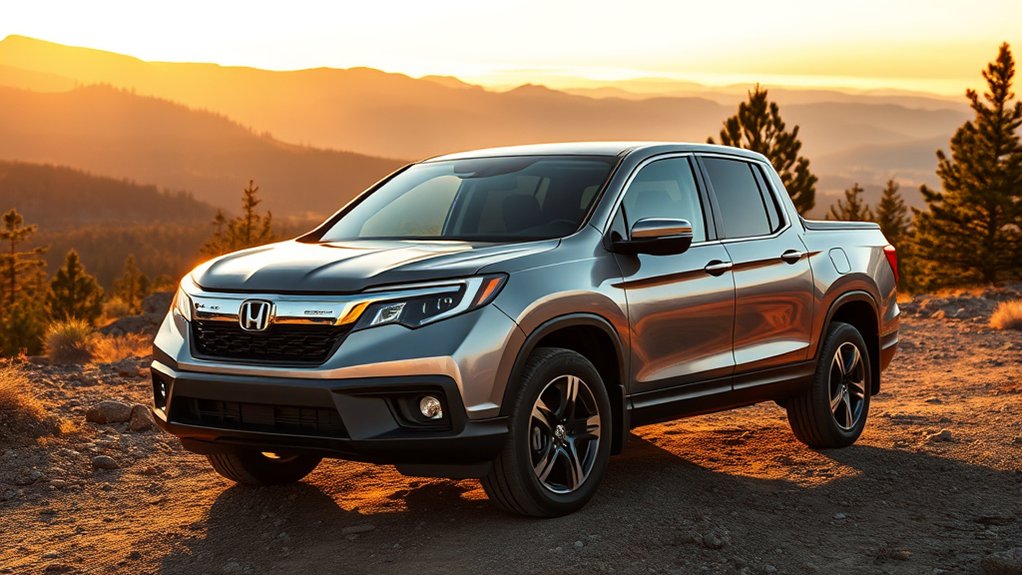
What makes the Honda Ridgeline stand out among midsize trucks? You’ll notice it immediately with its unibody construction, which differs from the traditional body-on-frame design most midsize trucks use. This unibody advantage gives you a smoother ride, better handling, and improved fuel efficiency without sacrificing durability.
Inside, the Ridgeline offers superior interior refinement compared to its rivals. You’ll find a cabin that blends quality materials with thoughtful design, providing more comfort and quietness during drives.
While many midsize trucks focus solely on toughness, the Ridgeline balances utility with a car-like feel, making it a versatile option. If you value a refined interior and the benefits of unibody engineering, this truck clearly sets itself apart from the competition.
Who Should Consider Buying a Honda Ridgeline?
If you prioritize a smooth ride and a refined interior without giving up the practicality of a truck, the Honda Ridgeline could be a strong contender for your next vehicle. Its unibody efficiency and quiet ride make it ideal for daily commuting and light hauling rather than heavy-duty towing.
You’ll appreciate how it balances comfort with utility, especially if you want a truck that feels more like an SUV.
| Who Should Buy the Ridgeline? | Why It Fits |
|---|---|
| Urban drivers | Quiet ride in city traffic |
| Weekend adventurers | Unibody efficiency on trails |
| Families | Spacious, refined interior |
| Light-duty haulers | Practical bed with in-bed storage |
| Those valuing comfort | Smooth ride over rough roads |
How Does the Ridgeline’s Unibody Design Impact Ride and Handling?
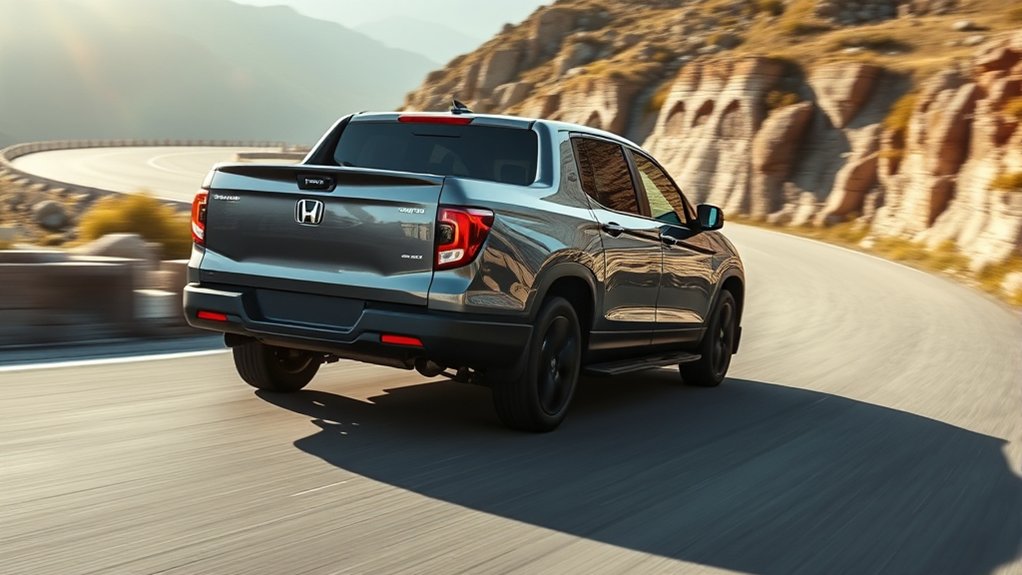
You’ll notice the Ridgeline’s unibody design differs considerably from traditional body-on-frame trucks, impacting how it rides and handles. This structure typically offers smoother ride comfort by reducing vibrations and improving shock absorption.
At the same time, it enhances handling and stability, especially during cornering, compared to more rigid frame designs.
Unibody Versus Body-On-Frame
How does the Ridgeline’s unibody construction change its driving dynamics compared to traditional body-on-frame trucks? Unlike the conventional body-on-frame setup, where the cab and bed sit on a separate frame, the Ridgeline integrates its body and frame into a single structure.
This unibody vs. frame difference results in a stiffer chassis, which enhances handling precision and reduces flex during cornering. You’ll notice the Ridgeline feels more car-like, with responsive steering and less vibration transferred to the cabin.
While body-on-frame trucks excel in heavy-duty tasks, the Ridgeline’s design prioritizes balanced performance, blending utility with smoother control. This structural choice directly influences ride comfort, but its impact on handling is where the unibody design truly sets the Ridgeline apart from traditional trucks.
Ride Comfort Benefits
What sets the Ridgeline apart in terms of ride comfort is its unibody design, which substantially softens the driving experience compared to traditional body-on-frame trucks. You’ll notice enhanced ride quietness thanks to reduced vibrations and better structural rigidity.
The unibody reliability also contributes to a smoother, more controlled ride over uneven surfaces, making long drives less fatiguing.
| Feature | Ridgeline (Unibody) | Typical Body-on-Frame Truck |
|---|---|---|
| Ride Comfort | Smooth, quiet | Firmer, more vibration |
| Structural Rigidity | High, integrated frame | Separate body and frame |
| Reliability | Consistent over time | Can loosen with age |
This design benefits you by improving comfort without sacrificing durability.
Handling and Stability Effects
Beyond enhancing ride comfort, the Ridgeline’s unibody construction also markedly influences handling and stability. Unlike traditional body-on-frame trucks, the unibody design lowers the center of gravity, giving you smoother cornering and reduced body roll.
This setup makes the Ridgeline feel more like an SUV on the road, improving overall control and confidence during maneuvers. However, unibody drawbacks include potential challenges with heavy towing and off-road durability compared to body-on-frame rivals.
Additionally, some owners report noticeable cargo bed noise due to the integrated structure, which might affect your experience when hauling loads. Still, if you prioritize everyday drivability and stability, the Ridgeline’s unibody design offers a balanced, predictable ride that stands out in its class.
What’s Inside? Ridgeline Interior and Technology Features
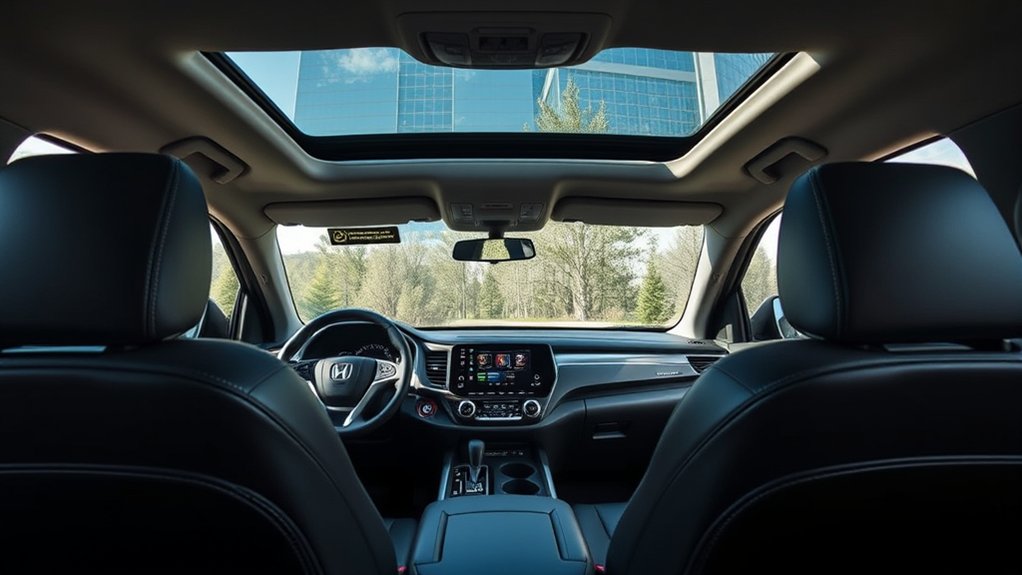
You’ll find the Ridgeline’s cabin offers comfortable seating with quality materials that rival many midsize trucks.
Its infotainment system includes a responsive touchscreen, smartphone integration, and available navigation, matching or exceeding competitors in this segment.
Plus, advanced driver assistance features like adaptive cruise control and lane-keeping assist come standard or as options, enhancing safety without complicating your drive.
Cabin Comfort Features
How does the Honda Ridgeline deliver comfort and convenience inside its cabin? Thanks to its unibody construction, the Ridgeline offers superior cabin quietness compared to traditional body-on-frame trucks. This reduces road and engine noise for a more pleasant ride.
You’ll appreciate thoughtful features designed to enhance your driving experience without overwhelming you.
Dual-zone automatic climate control keeps you and your passengers comfortable regardless of outside weather. Spacious seating with supportive cushions ensures comfort on long drives.
Ample storage compartments let you organize essentials efficiently. Adjustable seating and tilt steering wheel help you find the perfect driving position.
Infotainment System Overview
What sets the Honda Ridgeline’s infotainment system apart is its blend of user-friendly technology and all-encompassing connectivity options. You’ll find a responsive touchscreen with a clean, intuitive user interface that simplifies accessing navigation, audio, and smartphone integration.
Compared to competitors, the Ridgeline offers solid infotainment reliability, minimizing glitches or lag during use. Apple CarPlay and Android Auto come standard, ensuring seamless smartphone pairing. While not the most advanced system on the market, it balances functionality and ease of use effectively.
Physical knobs for volume and tuning add convenience, especially while driving. Overall, the infotainment system in the Ridgeline caters well to those who prioritize straightforward controls and dependable performance without overwhelming complexity. It complements the truck’s practical interior design and technology features.
Driver Assistance Technology
Where does the Honda Ridgeline stand regarding driver assistance technology? Thanks to its unibody design, it offers smoother ride comfort compared to traditional body-on-frame trucks. The Ridgeline integrates advanced safety features that enhance your driving experience without compromising comfort.
You’ll find these key driver assistance technologies:
- Adaptive Cruise Control, maintaining safe distances effortlessly
- Collision Mitigation Braking System, reducing impact risks
- Lane Keeping Assist System, helping you stay centered
- Blind Spot Information System, alerting you to hidden vehicles
Compared to competitors, the Ridgeline’s tech suite balances sophistication with ease of use, supporting both daily commutes and longer hauls. This combination complements its refined ride comfort, making it a strong choice if driver assistance is a priority.
How Capable Is the Honda Ridgeline for Towing and Hauling?
When evaluating the Honda Ridgeline’s towing and hauling capabilities, you’ll find it offers a balanced blend of power and practicality. Thanks to its unibody dynamics, the Ridgeline provides a smoother ride and better handling compared to traditional body-on-frame trucks, but this design slightly limits its maximum towing capacity.
You can tow up to 5,000 pounds, which covers most small trailers, boats, and campers but falls short compared to some competitors that tow 7,000 pounds or more. Hauling-wise, the bed offers 1,580 pounds of payload, sufficient for everyday tasks but less than heavier-duty pickups.
If you need a truck primarily for moderate towing and cargo, the Ridgeline’s refined ride and solid towing limits will serve you well, though it’s not designed for heavy-duty work.
How Does the Ridgeline Perform Off-Road and on Rough Terrain?
How well does the Ridgeline handle off-road challenges and rough terrain? Due to its unibody construction, the Ridgeline faces some unibody limitations compared to traditional body-on-frame trucks, affecting rugged durability and ground clearance. However, it still manages decent off-road performance with certain tradeoffs.
You can expect:
- A smooth ride over uneven surfaces thanks to independent suspension.
- Moderate approach and departure angles, limiting extreme trail capability.
- All-wheel drive options that improve traction but lack heavy-duty locking differentials.
- Less underbody protection than dedicated off-road trucks, making off road tradeoffs necessary.
If you’re looking for serious off-roading, the Ridgeline won’t match more robust competitors, but it balances comfort and light off-road capability well for occasional rough terrain.
What Do Owners Say About the Ridgeline’s Reliability and Maintenance?
Owners generally report that the Honda Ridgeline offers strong reliability and manageable maintenance costs compared to other midsize trucks. You’ll find fewer reliability concerns with the Ridgeline, as it shares many components with Honda’s well-regarded passenger vehicles, which helps reduce unexpected repairs.
Maintenance costs tend to stay lower, thanks to its unibody construction and proven V6 engine design. While some midsize trucks may face issues with drivetrain or suspension durability, the Ridgeline’s parts often require less frequent replacement.
That said, routine upkeep like oil changes and brake servicing remains essential to avoid long-term problems. Overall, if minimizing reliability concerns and maintenance costs ranks high on your list, the Ridgeline offers a dependable option without sacrificing performance or comfort.
How Does the Ridgeline Compare to Other Popular Midsize Trucks?
What sets the Honda Ridgeline apart from other midsize trucks is its unique unibody construction, which contrasts with the traditional body-on-frame design found in competitors like the Toyota Tacoma and Ford Ranger. This difference affects ride comfort, handling, and durability.
The Honda Ridgeline’s unibody design offers superior ride comfort and handling compared to traditional midsize trucks.
When you compare Ridgeline styling and cargo bed features, it leans more toward a crossover-truck hybrid, offering a smoother ride but less off-road toughness.
Here’s how it stacks up:
- Ridgeline styling is more modern and car-like, while others favor rugged, aggressive looks.
- Its cargo bed includes innovative features like an in-bed trunk for extra secure storage.
- Competitors often offer higher towing capacities and more off-road packages.
- The Ridgeline excels in interior comfort and technology, making it ideal for daily driving.
What Are the Biggest Drawbacks and Limitations of the Honda Ridgeline?
While the Honda Ridgeline offers a comfortable ride and innovative features, it does come with certain drawbacks that may influence your decision. Its unibody construction limits towing capacity and off-road durability compared to traditional body-on-frame trucks.
Additionally, the cargo bed usability is less versatile, with a shorter bed and lower payload. This can restrict hauling larger items or heavy loads.
| Drawback | Impact on You |
|---|---|
| Unibody limitations | Reduced towing and off-road ability |
| Cargo bed usability | Less space and payload capacity |
| Ride feel | More car-like, less rugged |
If you prioritize rugged capability and maximum hauling, these limitations could be deal-breakers. However, if comfort and daily usability matter more, the Ridgeline remains a strong option.
Frequently Asked Questions
What Is the Fuel Economy of the Honda Ridgeline?
You’ll get about 19 mpg city and 26 mpg highway fuel economy from the Honda Ridgeline, which balances efficiency with advanced safety features. This makes it a practical choice compared to traditional, less fuel-efficient trucks.
Does the Ridgeline Have Advanced Safety Features?
You’ll appreciate the Ridgeline’s advanced safety suite, including collision mitigation. Its advanced suspension and off-road tuning enhance stability, making it safer than many competitors when tackling rough terrain or sudden maneuvers.
How Spacious Is the Ridgeline’s Rear Seating Area?
You’ll find the Ridgeline’s rear comfort impressive, with ample legroom and supportive seats. Compared to other midsize trucks, it offers better cargo versatility thanks to its unique in-bed trunk and flat-folding rear seats.
What Is the Warranty Coverage for the Honda Ridgeline?
Wondering if you’re covered well enough? The Ridgeline’s warranty details include 3 years/36,000 miles basic and 5 years/60,000 miles powertrain coverage, plus 3 years of roadside assistance, easing maintenance requirements compared to many competitors.
Are There Any Special Editions or Trims Available?
Yes, you’ll find special editions like the Black Edition and trims such as Sport, RTL, and RTL-E, offering varied features. This trim availability lets you choose between comfort, tech, or rugged styling based on your needs.
Conclusion
If you value a smooth, car-like ride and a refined interior, the Honda Ridgeline stands out with its unibody design and practical features like in-bed storage. While it offers a modest towing capacity of around 5,000 pounds—less than many rivals—it excels in reliability and everyday usability.
The Ridgeline is ideal for those who prioritize comfort and technology over rugged off-road capability or heavy-duty work. With its unique blend of features, it delivers a versatile and enjoyable driving experience.
So, if you’re wondering whether the Honda Ridgeline is a good truck, it could be the smart midsize truck choice for you.