You might not realize that the wrench light on a Honda isn’t a warning of engine failure but a scheduled maintenance indicator tied to mileage or time intervals. It signals when routine services like oil changes, fluid checks, or filter replacements are due. Understanding the exact purpose of this light is essential to maintaining your vehicle’s health.
Before assuming a serious fault, it’s important to know how to interpret and respond to this alert properly. Paying attention to the wrench light can help you keep your Honda running smoothly and avoid costly repairs down the road.
Key Takeaways
- The wrench light signals scheduled maintenance or service is due, not an engine fault or sensor malfunction.
- It illuminates based on mileage or time intervals according to Honda’s maintenance schedule.
- Inspect fluid levels and perform routine checks when the wrench light appears.
- Reset the light by turning the ignition on and holding the select/reset button after service completion.
- Persistent wrench light after maintenance may indicate deeper issues requiring professional diagnostics.
What Does the Wrench Light Mean on Your Honda?
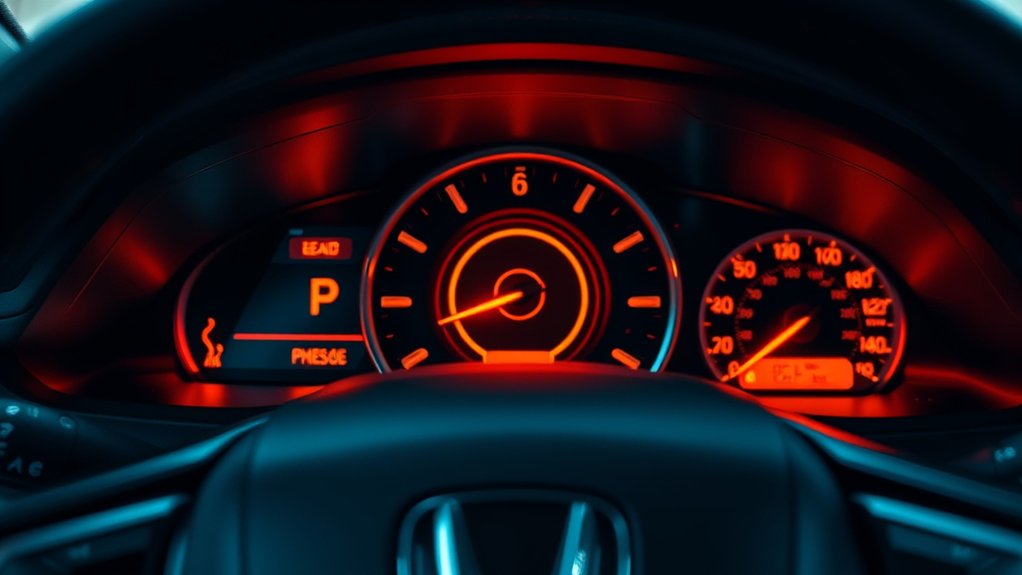
What exactly does the wrench light on your Honda indicate? This indicator primarily signals that your vehicle requires scheduled maintenance or service. It’s not an unrelated topic like a malfunctioning sensor or engine fault light; instead, it’s a proactive alert designed to help you maintain ideal vehicle performance.
Ignoring this light can lead to avoidable costs by allowing minor issues to escalate into major repairs. The wrench light activates based on mileage or time intervals set by Honda’s maintenance schedule. When illuminated, it means your Honda’s onboard computer has logged data suggesting it’s time for routine checks such as oil changes, fluid replacements, or component inspections.
Understanding this prevents costly mechanical failures and ensures your vehicle operates safely and efficiently.
How to Diagnose Common Wrench Light Issues Yourself
When should you start diagnosing the wrench light on your Honda? Begin as soon as it illuminates, as it signals maintenance reminders or potential issues. Follow these diagnostic steps precisely: check service intervals, inspect fluid levels, and scan for error codes using an OBD-II reader.
The wrench light often indicates routine maintenance is due but can also reveal mechanical faults needing attention.
| Diagnostic Step | Purpose |
|---|---|
| Check Service Intervals | Verify if scheduled maintenance is due |
| Inspect Fluid Levels | Confirm oil, coolant, and brake fluids |
| Use OBD-II Scanner | Identify specific fault codes |
Perform these steps methodically to address wrench light alerts effectively and maintain your Honda’s optimal performance.
When and How to Reset Your Honda’s Wrench Light
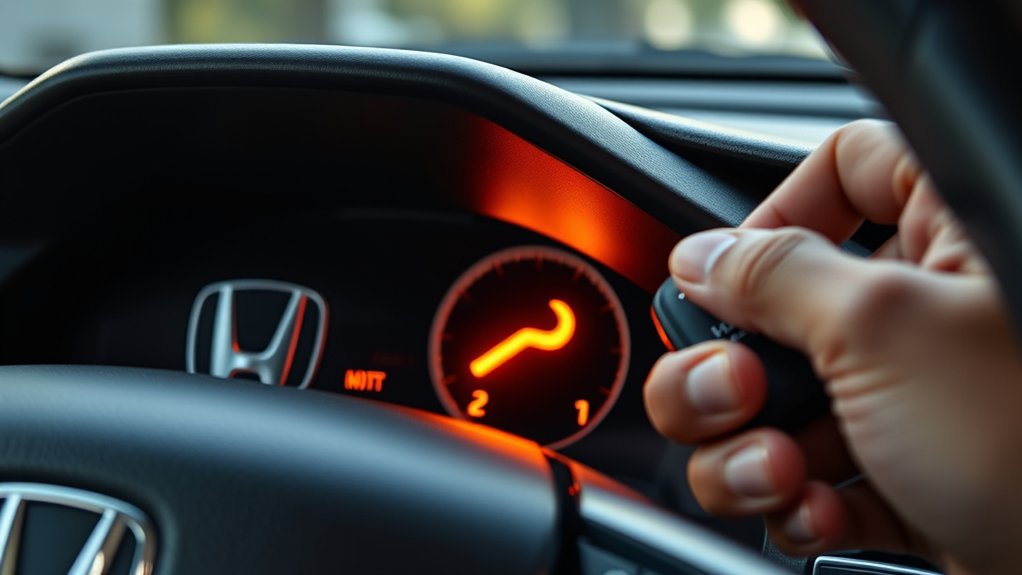
Knowing exactly how and when to reset your Honda’s wrench light ensures you maintain accurate service reminders and avoid overlooking critical maintenance. Resetting is typically necessary after completing scheduled services like oil changes or engine calibration adjustments.
To reset, turn the ignition to the ON position without starting the engine, then press and hold the select/reset button on the instrument panel until the wrench light blinks and turns off, usually around 10 seconds.
Keep in mind, if your battery health is compromised, the wrench light may activate erroneously, so ensure the battery is fully charged and functioning properly before resetting. Proper reset timing and procedure help keep the vehicle’s maintenance system synchronized with actual service, preserving optimal engine performance and reliability.
Signs You Should Visit a Mechanic for Wrench Light Problems
While resetting the wrench light after routine maintenance is straightforward, certain warning signs indicate that the issue may require professional diagnosis. If the wrench light remains illuminated despite completing scheduled preventive maintenance, you should consider advanced wrench light diagnostics.
Persistent illumination can signal underlying problems such as sensor malfunctions, transmission issues, or ECU errors that demand specialized equipment and expertise. Additionally, if you experience performance irregularities like rough idling, delayed acceleration, or unusual noises concurrent with the wrench light, visiting a mechanic is essential.
Ignoring these signs risks exacerbating mechanical faults or compromising safety. A qualified technician will conduct thorough diagnostics, interpret fault codes accurately, and perform necessary repairs to ensure your Honda operates reliably and efficiently. Prompt professional evaluation prevents costly damage and maintains peak vehicle performance.
Tips to Prevent the Wrench Light From Coming on Again

How can you effectively prevent the wrench light from reappearing on your Honda’s dashboard? Consistent engine maintenance is key. Regular oil changes, timely replacement of air filters, and monitoring fluid levels help keep dashboard indicators in check.
Additionally, using a diagnostic scanner periodically can detect issues before the wrench light activates.
| Maintenance Task | Frequency | Purpose |
|---|---|---|
| Oil Change | Every 5,000 miles | Ensures engine lubrication |
| Air Filter Replacement | Every 15,000 miles | Maintains airflow efficiency |
| Fluid Level Check | Monthly | Prevents overheating/damage |
| Diagnostic Scan | Quarterly | Detects hidden faults |
| Spark Plug Inspection | Every 30,000 miles | Ensures proper ignition |
Following these steps systematically minimizes wrench light alerts and prolongs your Honda’s engine life.
Frequently Asked Questions
Does the Wrench Light Affect My Honda’s Warranty?
You shouldn’t worry; the wrench light itself doesn’t void warranty implications. However, ignoring maintenance scheduling it signals can lead to issues that might affect your Honda’s warranty coverage.
Stay proactive to maintain full warranty protection.
Can a Low Battery Trigger the Wrench Light?
You know what they say: prevention is better than cure. A low battery can trigger Honda’s wrench light by affecting service indicators, causing false alerts.
Always check battery health to maintain accurate system diagnostics and avoid unnecessary repairs.
Is the Wrench Light the Same as the Check Engine Light?
No, the wrench light differs from the check engine light; it signals maintenance or transmission issues. While battery impact can trigger the wrench light, the check engine light focuses on emissions and engine performance problems.
Do All Honda Models Have a Wrench Light?
Think of the wrench light as your vehicle systems’ silent mechanic alert. Not all Honda models have it; typically, newer or advanced trims include this feature to precisely signal maintenance needs or system issues for timely attention.
Can Software Updates Fix Wrench Light Issues?
Yes, software updates can fix wrench light causes related to electronic system glitches. You should check service intervals regularly, as outdated software or missed maintenance often triggers the wrench light. This requires precise diagnostic and update procedures.
Conclusion
The wrench light on your Honda signals scheduled maintenance, not an immediate engine fault. Studies show regular upkeep can extend vehicle life by up to 30%, highlighting the significance of timely service.
You can easily diagnose issues yourself with an OBD-II scanner and reset the light after maintenance. If problems persist, consult a mechanic. Staying proactive ensures your Honda runs efficiently and prevents costly repairs down the road.
Don’t ignore this essential alert. Understanding what the wrench light means on a Honda helps you keep your vehicle in optimal condition.