Max regeneration on your Jeep Wrangler is a crucial process designed to clean the diesel particulate filter (DPF). This filter collects soot from the exhaust to reduce emissions and protect the environment.
Over time, soot accumulates and needs to be burned off to maintain engine performance. When the soot buildup reaches a certain level, your engine increases the exhaust temperature. This elevated heat burns away the trapped particles, restoring the DPF’s effectiveness and preventing potential damage to your vehicle.
During max regeneration, you might notice higher RPMs or a distinct burnt smell. Being aware of these signs helps you understand when the process is occurring and ensures your Wrangler stays efficient and reliable over time.
Key Takeaways
- Max regeneration clears soot buildup from the Jeep Wrangler’s diesel particulate filter (DPF) to restore exhaust flow and engine performance.
- It triggers high exhaust temperatures by injecting extra fuel to burn off accumulated soot in the DPF.
- This process prevents clogged filters, maintaining engine efficiency, responsiveness, and emissions compliance.
- Max regeneration typically occurs after extended low-speed driving or frequent short trips cause excessive soot accumulation.
- Signs include increased RPMs, burnt exhaust odor, visible smoke or steam, and dashboard regeneration alerts.
What Max Regeneration Is and Why It Matters
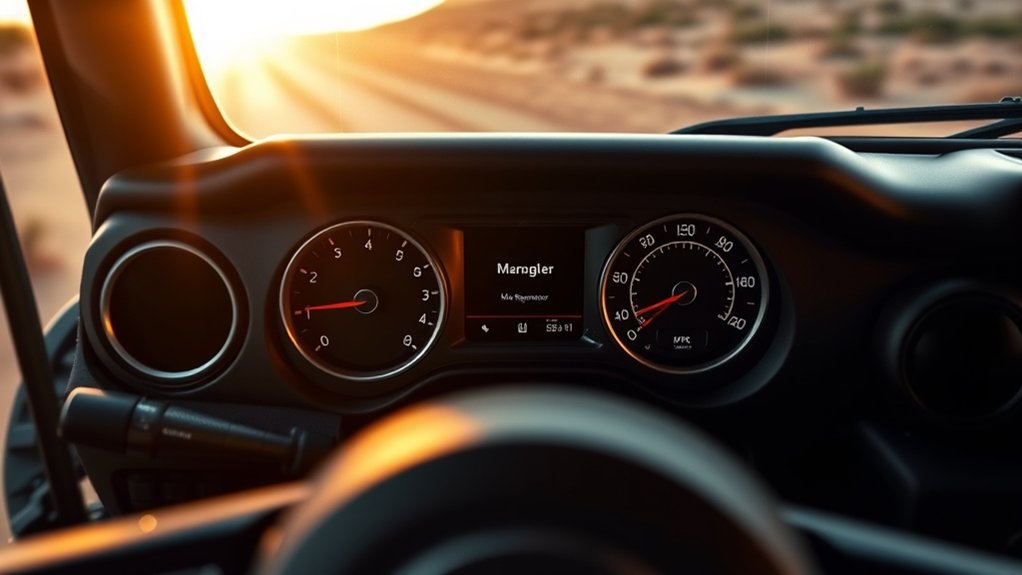
Although you might not hear about it often, max regeneration plays an important role in maintaining your Jeep Wrangler’s performance. This process clears accumulated soot from the diesel particulate filter, vital for preserving engine efficiency.
When soot builds up, it restricts exhaust flow, reducing exhaust performance and putting extra strain on your engine. By initiating max regeneration, your vehicle burns off this soot at high temperatures, restoring ideal exhaust flow.
Soot buildup restricts exhaust flow, but max regeneration clears it by burning soot at high temperatures.
This guarantees your engine runs smoothly, maintains power, and meets emissions standards. Ignoring max regeneration can lead to clogged filters and decreased engine responsiveness.
Understanding this process helps you appreciate how your Jeep maintains peak performance through efficient exhaust management and combustion, keeping your drives reliable and environmentally responsible.
Why Diesel Particulate Filters Need Max Regeneration
Because diesel particulate filters (DPFs) trap soot and other harmful particles from your Jeep Wrangler’s exhaust, they need regular max regeneration to prevent clogging. Without this process, the filter’s efficiency drops, affecting diesel efficiency and engine performance.
Max regeneration is vital for:
- Restoring exhaust flow by burning off accumulated soot.
- Avoiding costly repairs due to filter damage from excessive buildup.
- Maintaining peak diesel efficiency and reducing emissions.
You can’t overlook filter maintenance, as a clogged DPF restricts exhaust gases, causing increased fuel consumption and power loss. Regular max regeneration guarantees your Jeep runs smoothly and meets emission standards.
How Max Regeneration Works in Jeep Wranglers
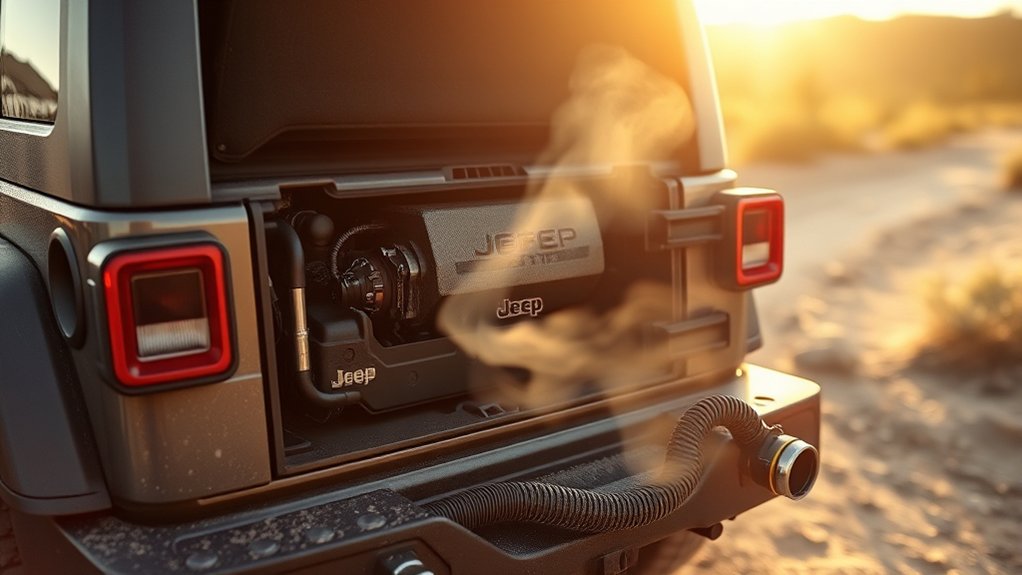
When your Jeep Wrangler detects excessive soot buildup in the diesel particulate filter, it initiates the max regeneration process to burn off the trapped particles effectively. During max regeneration, the engine management system raises exhaust temperatures considerably by injecting extra fuel, which combusts in the filter.
This elevated heat oxidizes the soot, converting it into harmless ash. By doing this, your Jeep maintains ideal engine efficiency, preventing power loss caused by clogged filters.
Additionally, max regeneration plays an essential role in emissions control, ensuring your vehicle meets environmental standards by reducing harmful particulate emissions. The process runs automatically and is carefully controlled to protect engine components, so you can rely on your Wrangler’s system to keep both performance and emissions in check without manual intervention.
When Max Regeneration Happens and Why
Your Jeep Wrangler initiates max regeneration whenever the diesel particulate filter reaches a critical level of soot accumulation that standard cleaning processes can’t handle. This process is essential to maintain engine performance and meet emission control standards.
Max regeneration happens primarily under these conditions:
Max regeneration occurs mainly when driving habits or sensor alerts indicate excessive soot accumulation in the diesel particulate filter.
- Extended driving periods at low speeds or frequent short trips prevent regular filter cleaning.
- The diesel particulate filter’s sensors detect excessive soot buildup that risks clogging.
- The engine control unit triggers max regeneration to burn off soot at high temperatures, restoring filter efficiency.
Signs Your Jeep Is Undergoing Max Regeneration

Although max regeneration is a critical process for your Jeep Wrangler’s diesel particulate filter, you’ll notice specific signs indicating that it’s actively occurring. First, you might experience a temporary change in engine performance, such as a slight increase in RPMs or reduced power, as the engine works harder to raise exhaust temperatures.
You may also smell a distinct burnt odor from the exhaust system, signaling the burning off of accumulated soot. Additionally, the exhaust system could emit more visible smoke or steam during this process.
Your Jeep’s dashboard might display a regeneration indicator light or message, alerting you that max regeneration is underway. Recognizing these signs helps you understand when your vehicle is maintaining peak emission control and prevents unnecessary concern about performance changes during this essential cleanup cycle.
How to Support Max Regeneration on Off-Road Trips
Since off-road conditions often involve lower speeds and frequent stops, supporting max regeneration on your Jeep Wrangler requires deliberate actions to maintain proper exhaust temperatures. To guarantee effective regeneration during off-road trips, follow these key steps:
- Maintain steady throttle application during extended stretches to keep the exhaust hot, avoiding excessive idling or abrupt stops.
- Use off road techniques that promote consistent engine load, such as controlled low-range driving and gradual acceleration, which helps sustain the temperature needed for regeneration.
- Prioritize regular vehicle maintenance, including checking the diesel particulate filter and guaranteeing your engine runs efficiently, as any mechanical issues can hinder regeneration.
Frequently Asked Questions
Can Max Regeneration Damage My Jeep’s Engine?
Max regeneration won’t damage your Jeep’s engine if done correctly, but ignoring it can cause engine wear and performance issues.
You should follow recommended procedures to maintain engine health and avoid costly repairs over time.
How Often Should Max Regeneration Occur in a Jeep Wrangler?
You should expect max regeneration to occur every 300 to 500 miles, depending on your driving conditions.
Regular cycles help maintain engine performance by cleaning the diesel particulate filter and preventing buildup.
Does Max Regeneration Affect Fuel Economy?
You might be surprised, but max regeneration can slightly reduce your fuel efficiency because it uses extra fuel to burn off soot.
However, it’s essential for emissions control, keeping your Jeep cleaner and compliant with regulations.
Can I Manually Initiate Max Regeneration?
Yes, you can manually initiate the regeneration process on your Jeep Wrangler using the vehicle’s controls. Doing so helps maintain engine efficiency by cleaning the diesel particulate filter.
This ensures peak performance and fuel economy.
What Maintenance Prevents Frequent Max Regeneration?
You can prevent frequent max regeneration by regularly performing DPF cleaning and inspecting your exhaust system for leaks or damage.
Keeping these components in good condition guarantees efficient soot removal, reducing the need for max regeneration cycles.
Conclusion
Now that you understand max regeneration and its role in keeping your Jeep Wrangler’s diesel engine clean and efficient, you’re better prepared to recognize when it’s happening and support the process. Ignoring it could lead to clogged filters and costly repairs.
So, why risk your Jeep’s performance when a little awareness can keep it running smoothly? Stay attentive during off-road trips and let max regeneration do its essential job for you.
By being mindful of max regeneration, you help maintain your Jeep Wrangler’s reliability and longevity on every adventure.