Spark plug gapping means setting the exact distance between the spark plug’s center and ground electrodes. This precise gap is essential for ideal ignition performance and efficient combustion.
If the gap is too wide or narrow, your engine may misfire, use more fuel, or suffer premature wear. Using proper tools helps you measure and adjust the gap accurately.
Keeping the gap correct is key to maintaining engine power and longevity. Understanding this process fully reveals how to protect your engine’s health.
Key Takeaways
- Spark plug gapping sets the distance between the center and ground electrodes for optimal spark performance.
- Proper gapping ensures consistent ignition timing and efficient engine operation.
- Incorrect gaps cause misfires, poor fuel economy, and increased wear on ignition components.
- Gaps are measured with tools like feeler gauges and adjusted by bending the ground electrode.
- Regular gap checks prevent engine performance issues and extend spark plug lifespan.
What Is Spark Plug Gapping?
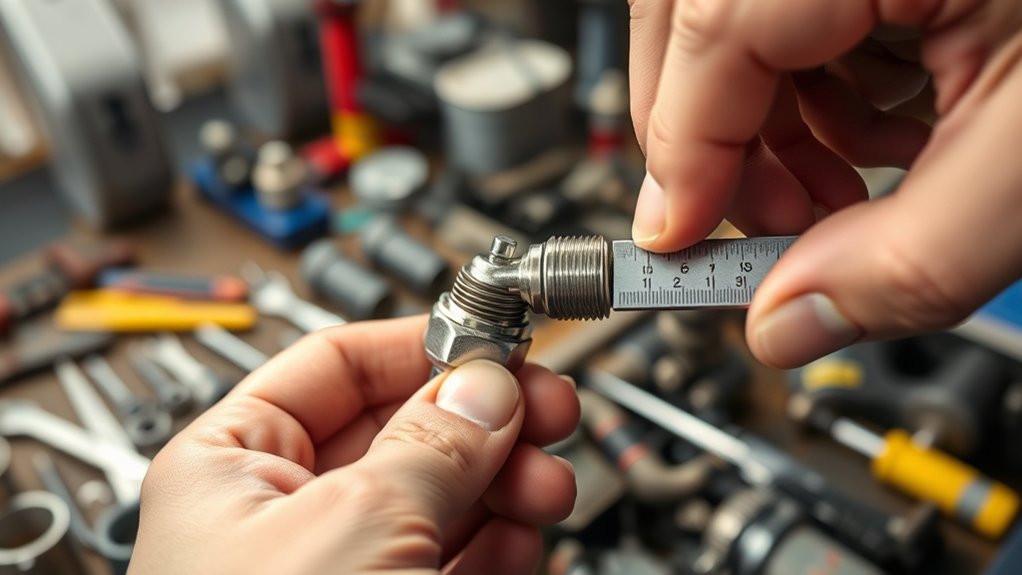
Spark plug gapping refers to setting the precise distance between the center and ground electrodes of a spark plug. You need to measure this gap accurately because different spark plug types require specific distances to function effectively.
Using a feeler gauge, you adjust the gap to the manufacturer’s specifications, ensuring consistent spark delivery. Incorrect gaps can cause misfires or inefficient combustion, which affects engine performance.
Keep in mind that as the spark plug lifespan progresses, electrode wear may alter the gap, so periodic checks are essential. By maintaining the correct gap for your spark plug type, you help preserve both efficiency and longevity, preventing premature wear and ensuring reliable ignition throughout the spark plug’s service life.
Why Spark Plug Gapping Matters for Your Engine
Because your engine relies on precise ignition timing and combustion efficiency, maintaining the correct gap on your spark plugs is essential. If the gap is off, you risk disrupting the spark’s ability to ignite the fuel mixture properly, which can cause misfires or incomplete combustion.
Here’s why spark plug gapping matters for your engine:
- Guarantees consistent ignition timing by delivering the spark at the right moment.
- Optimizes the spark intensity to ignite the fuel mixture efficiently, preventing wasted fuel.
- Reduces wear on ignition components by minimizing electrical strain caused by incorrect gaps.
How Spark Plug Gap Affects Engine Performance and Efficiency
When the gap between your spark plug electrodes is set correctly, your engine runs smoother and more efficiently. Precise spark plug gapping directly influences combustion efficiency by ensuring a strong, consistent spark that ignites the air-fuel mixture effectively.
If the gap is too wide, the spark may weaken, causing misfires and reduced engine power. Conversely, a gap that’s too narrow can lead to incomplete combustion and poor fuel economy.
Proper engine tuning depends on achieving the best spark plug gap specified by your manufacturer, as it balances ignition energy and flame propagation. Correct gapping minimizes emissions, enhances throttle response, and improves overall engine performance.
Finding the Right Spark Plug Gap for Your Engine
You need to match the spark plug gap to your engine’s exact specifications to guarantee peak performance. An incorrect gap can cause misfires, poor fuel efficiency, or increased emissions.
Always check your manufacturer’s guidelines before adjusting the gap.
Engine Specifications Matter
Although spark plugs may look similar, their ideal gap varies considerably based on your engine’s design and specifications. Setting the correct gap is crucial to optimize engine performance and maintain accurate ignition timing.
To determine the right spark plug gap, consider these factors:
- Manufacturer’s Specifications: Always consult your vehicle’s manual for the recommended gap range tailored to your engine model.
- Combustion Chamber Design: Different chamber shapes affect how the spark ignites the air-fuel mixture, influencing the ideal gap size.
- Ignition System Type: Modern engines with advanced ignition timing may require narrower gaps, while older systems often use wider gaps.
Adjusting the spark plug gap according to these specifications guarantees efficient combustion, better fuel economy, and reduced emissions.
Effects of Incorrect Gap
Setting the correct spark plug gap directly impacts your engine’s ability to ignite the air-fuel mixture efficiently. If the gap is too wide, the spark may become weak or inconsistent, causing misfires and reducing combustion efficiency.
Conversely, a gap that’s too narrow can result in incomplete combustion, limiting power output. Both conditions compromise performance enhancement and increase fuel consumption.
Incorrect gaps also accelerate electrode wear, shortening spark plug lifespan and necessitating more frequent replacements. You risk damaging ignition coils due to excessive voltage demand if the gap isn’t set properly.
To maintain peak engine function, always measure and adjust the gap according to your engine’s specifications. Doing so guarantees consistent ignition, maximizes power, and extends the service life of your spark plugs.
Tools You Need to Check Spark Plug Gaps
You’ll need a few essential tools to check and adjust your spark plug gaps accurately, including a feeler gauge or a spark plug gap tool. These tools help you measure the gap with precision, ensuring it matches your engine’s specifications.
Understanding the correct measuring techniques is vital to avoid damaging the electrode or setting an incorrect gap.
Essential Spark Plug Tools
Before you adjust or measure spark plug gaps, you need the right tools to guarantee accuracy and prevent damage. Different spark plug types require specific gapping techniques, so having precise instruments is essential.
- Feeler Gauge This tool lets you measure the gap accurately by inserting thin metal blades between the electrodes. Choose the correct thickness for your spark plug type.
- Spark Plug Gap Tool A specialized device that helps adjust the gap by bending the ground electrode gently without harming the plug.
- Wire Gauge Often used for finer adjustments, this tool consists of wires of various diameters to check and set the gap precisely.
Using these tools guarantees consistent spark plug performance and longevity through proper gapping.
Measuring Gap Techniques
When checking spark plug gaps, accuracy hinges on selecting the right measuring technique for your specific plug type. Common gapping methods include using feeler gauges, wire-type gap tools, and digital gap testers.
Feeler gauges provide precise measurements by sliding thin metal blades between electrodes, ideal for traditional plugs. Wire-type gap tools use calibrated wires to measure the gap, offering quick and reliable readings, especially for fine-wire plugs.
Digital gap testers deliver electronic precision and can be helpful when working with sensitive or modern spark plugs. Choose gap tools compatible with your plug’s electrode style and gap range.
Always verify the tool’s calibration before use to avoid misreading. Proper measurement sets the foundation for peak ignition performance and engine efficiency.
How to Measure Spark Plug Gaps
Start by selecting a reliable feeler gauge or spark plug gap tool to measure the distance between the center and ground electrodes accurately. Different spark plug types require varying gap tolerances, so knowing your vehicle’s specifications is essential. Follow these steps:
- Inspect the spark plug: Identify the center and ground electrodes clearly to avoid measurement errors.
- Insert the gauge: Slide the feeler gauge gently between the electrodes without forcing it to prevent damage or inaccurate readings.
- Check the gauge fit: The correct gap tolerance allows the gauge to slide with slight resistance; too loose or tight indicates adjustment is needed.
How to Adjust Spark Plug Gaps
Although measuring the spark plug gap is essential, you’ll need to adjust it if the distance doesn’t match your vehicle’s specifications. Start by selecting the correct tool, such as a feeler gauge or a spark plug gapper, to guarantee precise gap measurement.
Different spark plug types, like copper, platinum, or iridium, may require specific gap settings, so always consult your vehicle manual. To adjust, gently bend the ground electrode, not the center electrode, to widen or narrow the gap. Avoid applying excessive force to prevent damage.
After adjustment, re-measure the gap to confirm accuracy. Properly gapped spark plugs optimize combustion efficiency and ignition performance. Always handle spark plugs carefully to maintain their integrity and ensure consistent engine operation.
Signs Your Spark Plug Gapping Needs Adjustment and Common Mistakes to Avoid
If your engine experiences misfires, rough idling, or decreased fuel efficiency, your spark plug gaps may need adjustment. Spark plug wear can alter the gap, leading to inefficient combustion. To address this, use precise gapping techniques and watch for these signs:
Engine misfires and poor fuel efficiency often signal the need to check and adjust spark plug gaps.
- Engine Misfires: Irregular combustion caused by incorrect gap size disrupts engine performance.
- Poor Fuel Economy: An improper gap causes incomplete fuel burning, reducing mileage.
- Difficulty Starting: Excessive gap size demands higher voltage, straining the ignition system.
Avoid common mistakes like over-bending electrodes or neglecting to measure the gap accurately. Consistently checking and adjusting gaps with proper tools guarantees peak performance and prevents premature plug failure due to spark plug wear.
Frequently Asked Questions
How Often Should Spark Plugs Be Replaced?
You should replace spark plugs every 30,000 to 100,000 miles, depending on their lifespan. Follow maintenance tips like checking gaps and engine performance regularly to guarantee ideal ignition and prevent misfires or fuel inefficiency.
Can Incorrect Spark Plug Gapping Cause Engine Misfires?
Imagine a runner with mismatched shoes. Just like incorrect spark plug gapping disrupts ignition efficiency, it causes engine misfires.
Spark plug wear worsens this problem. You’ll need precise gaps to maintain peak performance and avoid costly misfires.
Are There Different Spark Plug Gaps for Gasoline and Diesel Engines?
Yes, you’ll find different spark plug gaps for gasoline and diesel engines due to varying spark plug types. Proper gapping guarantees ideal engine performance by matching ignition needs specific to each engine’s combustion process.
How Does Temperature Affect Spark Plug Gapping?
Imagine your engine hesitates on a cold morning; temperature affects spark plug gapping by causing metal expansion or contraction.
Your spark plug design must compensate for this to maintain ideal engine performance and prevent misfires or inefficiency.
Can Spark Plug Gapping Impact Fuel Consumption?
Yes, improper spark plug gapping reduces spark efficiency, leading to incomplete combustion and poor combustion quality.
You’ll notice increased fuel consumption since your engine compensates for inefficiencies by burning more fuel to maintain performance.
Conclusion
Proper spark plug gapping is essential for peak engine performance and fuel efficiency. Imagine you’re tuning a classic car—incorrect gaps can cause misfires or poor starts.
By using the right tools to measure and adjust your spark plugs accurately, you guarantee consistent combustion and smoother operation. Regularly checking your gaps helps you avoid costly repairs and keeps your engine running like new.
Don’t overlook this simple yet critical maintenance step. Ensuring the correct spark plug gapping is key to maintaining your vehicle’s optimal performance.