If you’ve noticed the current Honda Ridgeline has been on the market since 2017, you might be wondering when Honda will redesign the Ridgeline.
While Honda hasn’t announced an official timeline, industry trends suggest a refresh around 2025 or 2026.
Understanding Honda’s typical product cycles and market demands can help you separate speculation from fact.
This is especially useful as the new model’s features and arrival dates start to take shape.
Key Takeaways
- Honda has not officially announced a timeline for the Ridgeline redesign.
- Industry trends suggest a redesign around the 2025 or 2026 model year.
- The redesign is expected roughly six to seven years after the current model’s debut.
- Official Honda announcements and press releases will provide exact production and launch dates.
- Redesigned Ridgeline models are likely to arrive at dealerships in late 2024.
When Is the Next Honda Ridgeline Redesign Expected?
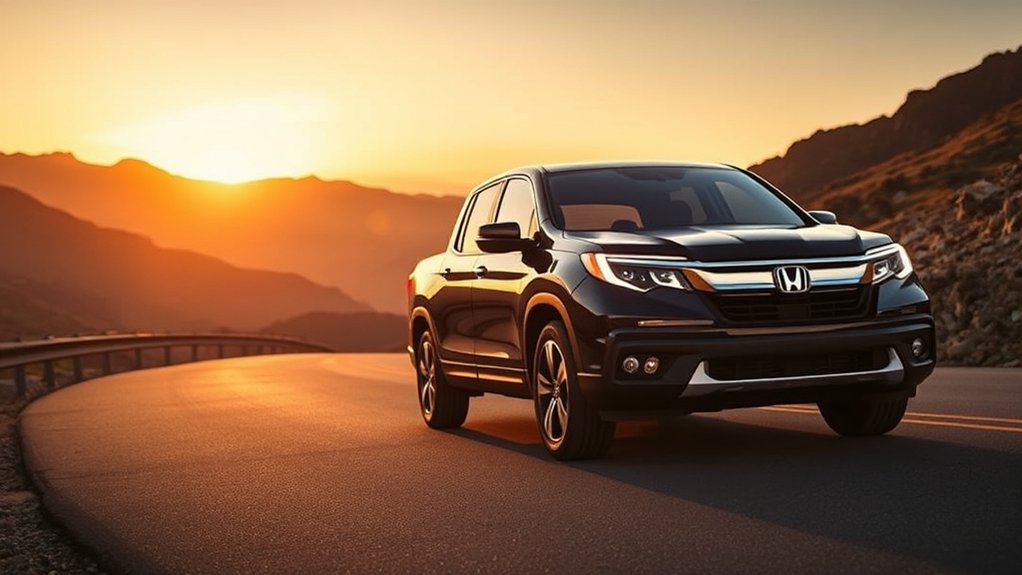
When can you expect the next Honda Ridgeline redesign? While Honda hasn’t officially announced a timeline, industry patterns suggest a redesign could arrive around 2025 or 2026, roughly six to seven years after the current model debuted.
You might come across random speculation online, but it’s crucial to separate that from credible information. Often, unrelated topics, like rumors about other Honda vehicles, get mixed into Ridgeline discussions, muddying the waters.
If you want accurate insight, focus on Honda’s typical product cycles and market demands rather than scattered guesses. Understanding these elements helps you avoid getting sidetracked by unrelated topic chatter and random speculation, allowing you to anticipate a more informed estimate of when the Ridgeline will see its next significant makeover.
How Has Honda Updated the Ridgeline So Far?
You’ll notice Honda has made subtle exterior design changes to keep the Ridgeline fresh, like updated grille and lighting elements. Inside, they’ve focused on upgrading technology with improved infotainment systems and driver-assist features.
These updates show how Honda balances refinement without a full redesign.
Exterior Design Changes
How has Honda managed to keep the Ridgeline fresh over the years? They’ve focused on subtle yet impactful exterior design changes that enhance both aesthetics and function. You’ll notice these key updates:
1. Refined Front Fascia
Honda introduced a more aggressive grille and sharper headlights, boosting the Ridgeline’s road presence without compromising its detailed eco-friendly image.
2. Improved Aerodynamics
Sleeker side mirrors and body contours reduce drag, helping maintain fuel efficiency.
3. Enhanced Off-Road Potential
Upgraded skid plates and slightly raised ground clearance improve rugged capability while preserving a smooth ride.
4. Modern Lighting Technology
LED headlights and taillights not only look sharp but increase visibility, reinforcing safety alongside style.
These exterior tweaks keep the Ridgeline competitive without a full redesign, balancing eco-consciousness and utility.
Interior and Technology Upgrades
Alongside exterior improvements, Honda has steadily enhanced the Ridgeline’s interior and technology features to match evolving driver expectations. You’ll find upgraded materials and a more refined cabin layout that elevate comfort and usability.
The infotainment system now supports Apple CarPlay and Android Auto, making smartphone integration seamless. Honda’s suite of driver-assistance technologies, like adaptive cruise control and lane-keeping assist, also continues to improve safety and convenience.
While some two word discussion ideas might lean subtopic irrelevant, focusing on these upgrades reveals how Honda keeps the Ridgeline competitive without a full redesign. These thoughtful interior and tech updates ensure the truck remains practical and modern, appealing to drivers who prioritize connectivity and comfort alongside rugged capability.
How Does the Current Ridgeline Compare to Its Predecessor?
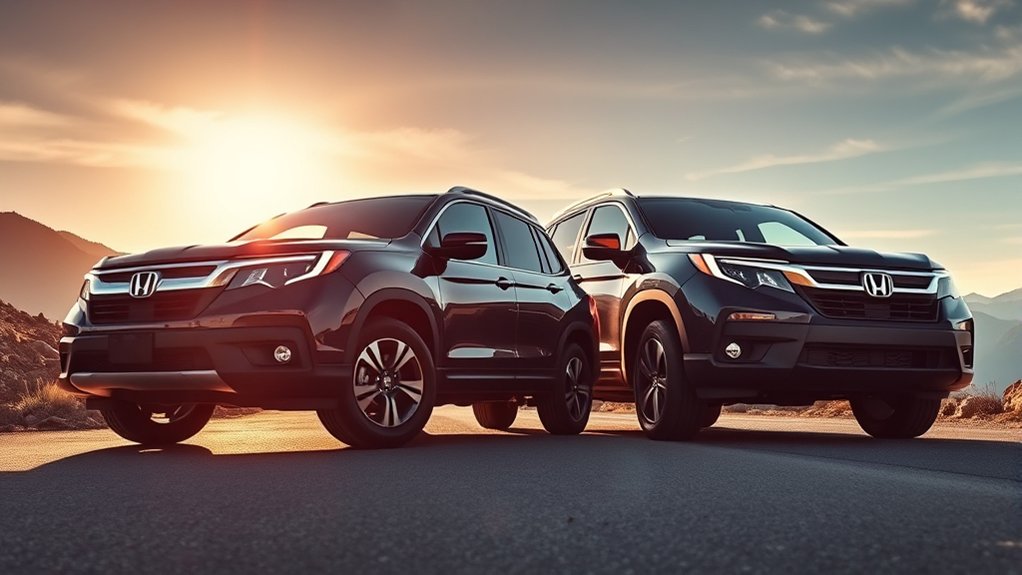
You’ll notice the current Ridgeline takes a more refined approach to design and styling compared to its predecessor, focusing on a sleeker, modern look.
Under the hood, performance and capability have seen subtle tweaks that aim to enhance driving dynamics without sacrificing comfort. Let’s explore how these changes stack up against the earlier model.
Design and Styling Differences
What sets the current Honda Ridgeline apart from its predecessor lies in its refined design and more cohesive styling. Honda’s updated design philosophy focuses on blending ruggedness with sophistication, resulting in a truck that feels modern yet approachable. You’ll notice how the new color palettes complement this shift, offering bolder yet tasteful options.
Here are key design and styling differences:
- Exterior Lines – Smoother, more aerodynamic contours replace the boxier first-gen look.
- Front Fascia – A sleeker grille and LED headlights give a sharper face.
- Interior Layout – Enhanced materials and streamlined controls improve comfort and functionality.
- Bed Design – Redesigned with subtle curves, making it visually integrated rather than an afterthought.
These changes reflect a clear evolution in Honda’s design philosophy, making the Ridgeline more appealing without losing its identity.
Performance and Capability Changes
Although the Ridgeline maintains its unibody construction, Honda has enhanced its performance and capability to better meet modern demands. You’ll notice improved towing capacity and refined handling compared to its predecessor, balancing strength with comfort.
However, these upgrades come with performance tradeoffs; the focus remains on on-road drivability rather than rugged off-road capability. Honda also recognizes the growing shift toward sustainability, exploring battery electric options to future-proof the Ridgeline lineup.
While the current model relies on a conventional V6 engine, a transition to electric powertrains could address emissions and efficiency concerns without sacrificing utility. If you prioritize a versatile midsize truck with a smooth ride and modernized powertrain possibilities, the latest Ridgeline offers a thoughtful evolution rather than a radical overhaul.
What Changes Can We Expect in the New Ridgeline?
How will the new Ridgeline stand out from its predecessor? Recent design rumors suggest Honda will refresh the exterior with sharper lines and a more aggressive grille, giving it a bolder presence.
Dealership pricing hints at competitive adjustments to attract more buyers without straying far from the current model’s value. Here’s what you can expect:
- Updated styling that blends ruggedness with modern sophistication
- Enhanced interior materials for a more premium feel
- Improved infotainment system featuring the latest tech
- Slightly expanded cargo space for better utility
These changes focus on elevating your daily driving experience while maintaining Ridgeline’s practicality. Honda aims to balance innovation with familiarity, ensuring the new model appeals to both loyal fans and new customers.
How Will the New Ridgeline Improve Performance?
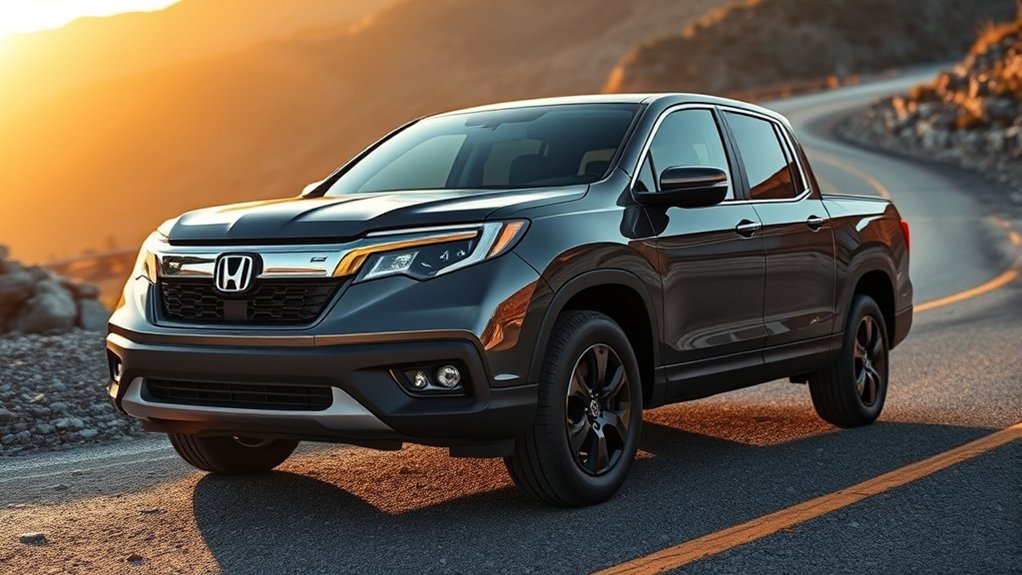
Why should you expect better performance from the new Ridgeline? Honda is refining both the powertrain and chassis to deliver enhanced driving dynamics. The updated design aesthetics aren’t just about looks; they contribute to improved aerodynamics, helping fuel efficiency and stability.
You’ll notice sharper handling and a smoother ride, thanks to suspension tweaks and weight optimization. Inside, greater interior comfort means reduced driver fatigue, letting you focus on the road longer and drive more confidently.
The combination of thoughtful design aesthetics and ergonomic upgrades ensures the new Ridgeline won’t just perform better mechanically but will also offer a more enjoyable driving experience overall. This holistic approach to performance improvement means you get strength, efficiency, and comfort all in one package.
What Tech Upgrades Might Honda Add to the Ridgeline?
Where can you expect the most noticeable tech upgrades in the new Ridgeline? Honda is likely to focus on enhancing connectivity, safety, and convenience without straying from familiar design cues and color options. Here are four key tech areas you should watch for:
- Infotainment System: A larger touchscreen with wireless Apple CarPlay and Android Auto for seamless smartphone integration.
- Driver Assistance: Advanced safety features like adaptive cruise control, lane-keeping assist, and improved collision mitigation.
- Digital Instrument Cluster: A customizable digital display that provides real-time vehicle data and navigation prompts.
- Connectivity: Enhanced Wi-Fi hotspot capabilities and over-the-air software updates to keep your Ridgeline current.
These upgrades will blend modern technology with the Ridgeline’s recognizable style, giving you a smarter, safer drive.
What’s New in the Ridgeline’s Styling?
Alongside tech upgrades, Honda is rejuvenating the Ridgeline’s styling to keep it competitive and appealing. You’ll notice the new headlights, which combine modern LED technology with a sleek design, enhancing both visibility and the truck’s road presence.
This update isn’t just about function; it adds a sharper, more aggressive look that suits current market trends. Interestingly, Honda is also incorporating subtle retro styling cues, giving the Ridgeline a nod to classic truck aesthetics without feeling outdated.
These design choices aim to attract buyers who appreciate a blend of modern sophistication and nostalgic charm. Overall, the Ridgeline’s refreshed appearance balances innovation with heritage, making it stand out while staying true to its roots.
Ridgeline’s Main Competitors in 2024
Which trucks should you consider if you’re eyeing the 2024 Honda Ridgeline? You’ll want to compare models that balance performance, style, and utility, while also factoring in drivetrain nostalgia and color psychology to match your preferences.
- Ford Maverick: Its hybrid drivetrain appeals to those valuing fuel efficiency and a rugged vibe.
- Toyota Tacoma: Known for reliability, its strong off-road capability triggers drivetrain nostalgia among enthusiasts.
- Chevrolet Colorado: Offers diverse color options that leverage color psychology to attract buyers seeking boldness.
- Nissan Frontier: Combines a traditional V6 with modern tech, appealing to those who appreciate classic truck traits.
Each competitor brings distinct strengths, so evaluate what aligns best with your driving style and aesthetic.
When Will the Redesigned Ridgeline Arrive at Dealers?
When can you expect the redesigned Honda Ridgeline to hit dealerships? Industry insiders suggest a 2025 model year launch, likely arriving in late 2024.
While rumors circulate, it’s important not to get distracted by unrelated topics like random poll results about unrelated Honda models. Instead, focus on official updates and confirmed production timelines.
Honda typically announces significant redesigns months before availability, so keep an eye on press releases this year. The new Ridgeline aims to compete strongly in the midsize truck segment, so dealerships will likely be eager to stock it as soon as it’s ready.
If you’re planning to buy, monitoring dealer announcements and Honda’s official channels will help you know exactly when the redesigned Ridgeline arrives.
Frequently Asked Questions
What Is the Honda Ridgeline’s Fuel Economy Rating?
You’ll find the Honda Ridgeline’s fuel economy rating around 18-24 mpg city-highway. Considering redesign timelines, expect improvements, possibly including alternative powertrains, which could boost efficiency and update its performance in future models.
Does the Ridgeline Offer Off-Road Capability?
Yes, the Ridgeline offers decent off-road potential. You’ll appreciate its suspension durability on uneven terrain, though it’s better suited for light off-roading rather than extreme trails.
It balances comfort with moderate capability effectively.
What Safety Features Come Standard on the Ridgeline?
You won’t believe how many standard safety features the Ridgeline packs despite its design flaws and interior layout quirks. It includes Honda Sensing, collision mitigation, lane keeping assist, adaptive cruise control, and a multi-angle rearview camera.
How Much Does the Ridgeline Typically Cost?
You’ll find the Ridgeline’s typical cost ranges from mid-$30,000s to low $40,000s. Pricing rumors suggest the Ridgeline redesign could bring updated features, potentially affecting future costs and value.
Stay informed.
Are There Hybrid or Electric Versions of the Ridgeline?
You’re hearing hybrid rumors and electric prospects, but Honda hasn’t released a Ridgeline hybrid or electric yet.
You’ll want to watch for updates because, right now, the Ridgeline sticks to traditional gasoline power.
Conclusion
Think of the Honda Ridgeline as a seasoned traveler preparing for a new journey. While the exact departure date remains unannounced, signs point to a fresh adventure around 2025. Just as a traveler upgrades gear for better performance and comfort, Honda’s redesign promises improved tech, styling, and capability.
Keep your eyes on official updates—you don’t want to miss when this reliable companion arrives at your dealership, ready to redefine your drive. The Honda Ridgeline redesign is set to bring exciting changes that fans of the model will surely appreciate.