Your engine burns oil mainly because worn piston rings, deteriorated valve seals, or damaged cylinder walls let oil leak into the combustion chamber.
This oil burns during combustion, causing increased consumption and exhaust smoke. Malfunctioning PCV valves or turbocharger issues can also disrupt oil flow and contribute to burning.
If you notice frequent oil top-ups or blue smoke, these are clear signs.
Understanding the causes and early symptoms helps you act promptly and explore effective repairs and prevention methods.
Key Takeaways
- Worn piston rings cause poor sealing, allowing oil to enter the combustion chamber and burn.
- Deteriorated valve seals let oil leak past valve guides into the combustion process.
- Scuffed or damaged cylinder walls reduce piston ring effectiveness, increasing oil consumption.
- Faulty PCV valves disrupt pressure balance, causing excessive oil burning.
- Turbocharger failures can lead to oil leakage and improper oil circulation, resulting in oil burning.
Common Causes of Engines Burning Oil
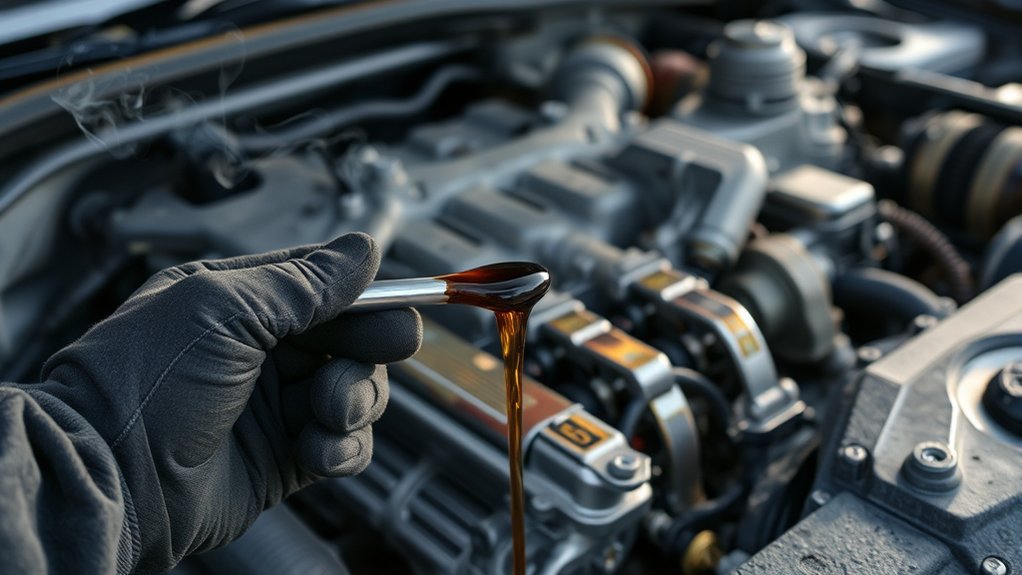
Although modern engines are designed to minimize oil consumption, several mechanical issues can cause them to burn oil. You need to understand common causes like worn piston rings, valve seal deterioration, and cylinder wall scuffing, all of which compromise the engine’s ability to contain oil within the combustion chamber.
When these components degrade, oil leaks into the combustion chamber and burns during ignition, increasing oil consumption. Additionally, turbocharger failures or PCV (positive crankcase ventilation) valve malfunctions disrupt normal oil circulation, contributing to excessive oil burning.
Monitoring these factors is essential for maintaining engine health, as unchecked oil consumption can lead to decreased lubrication, elevated wear, and eventual engine damage. You have to address these root causes promptly to preserve engine efficiency and longevity.
How to Spot Early Signs Your Engine Is Burning Oil
Recognizing the early indicators of oil burning helps you address engine issues before they escalate. Monitor your vehicle’s oil consumption closely; an abnormal increase without external leaks signals internal oil burning.
You might notice blue or gray smoke from the exhaust during acceleration or at startup, a clear sign oil is entering combustion chambers. Pay attention to subtle drops in engine performance, such as reduced power or rough idling, which often accompany increased oil consumption.
Additionally, frequent oil top-ups within short intervals indicate inefficient oil sealing. Regularly inspect spark plugs for oil fouling, which impairs combustion efficiency.
Worn Engine Parts That Cause Engine Burning Oil
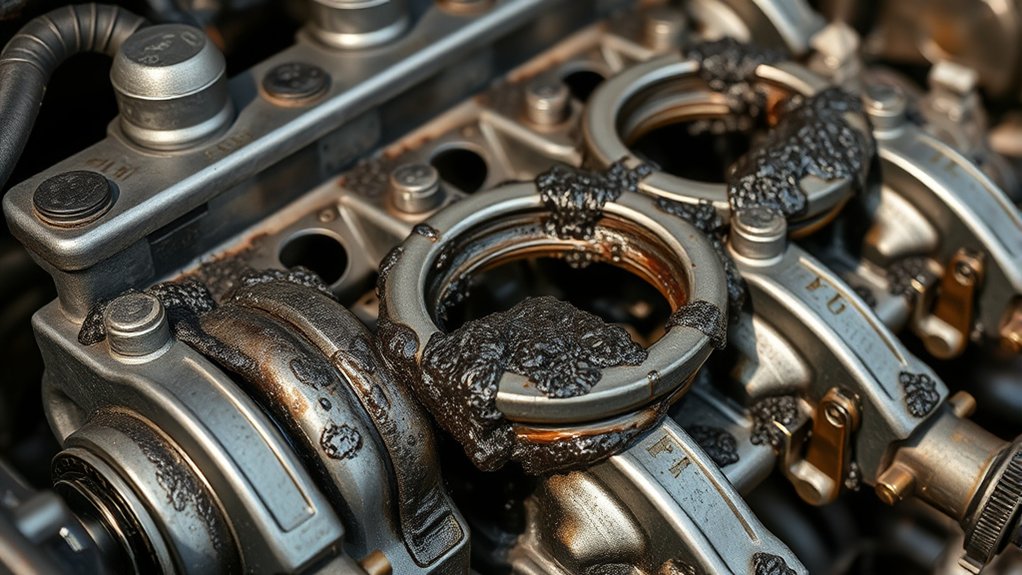
When engine components wear beyond their tolerances, they compromise the proper sealing and oil control mechanisms, leading to oil burning. Worn piston rings lose their ability to maintain a tight seal between the combustion chamber and crankcase, allowing oil to seep past and combust.
Similarly, deteriorated valve seals fail to prevent oil from entering the combustion chamber through the valve guides. Cylinder walls that have degraded or scored reduce the effectiveness of piston rings, exacerbating oil consumption.
Additionally, clogged or damaged oil passages hinder proper lubrication, causing localized wear and increasing oil burn. When these parts degrade, your engine’s ability to control oil flow and combustion integrity diminishes, directly contributing to oil burning issues that, if unchecked, can cause performance loss and increased emissions.
Repairs That Stop Engines From Burning Oil
Addressing worn engine parts that cause oil burning requires targeted repairs to restore proper sealing and oil control. To reduce excessive oil consumption and improve engine performance, you should focus on:
- Piston ring replacement Guarantees a tight seal between the piston and cylinder wall, preventing oil leakage into the combustion chamber.
- Seal replacement Involves changing valve stem seals and other critical seals that deteriorate over time.
- Gasket inspection and replacement Identifies and fixes oil leaks around the engine, maintaining pressure and preventing contamination.
- Oil change with quality oil additives Enhances lubrication and helps to clean deposits, supporting overall engine health.
Adhering to a strict maintenance schedule helps you monitor these components, minimizing oil consumption and sustaining peak engine performance.
Preventing Engine Oil Burning: Tips and Tricks
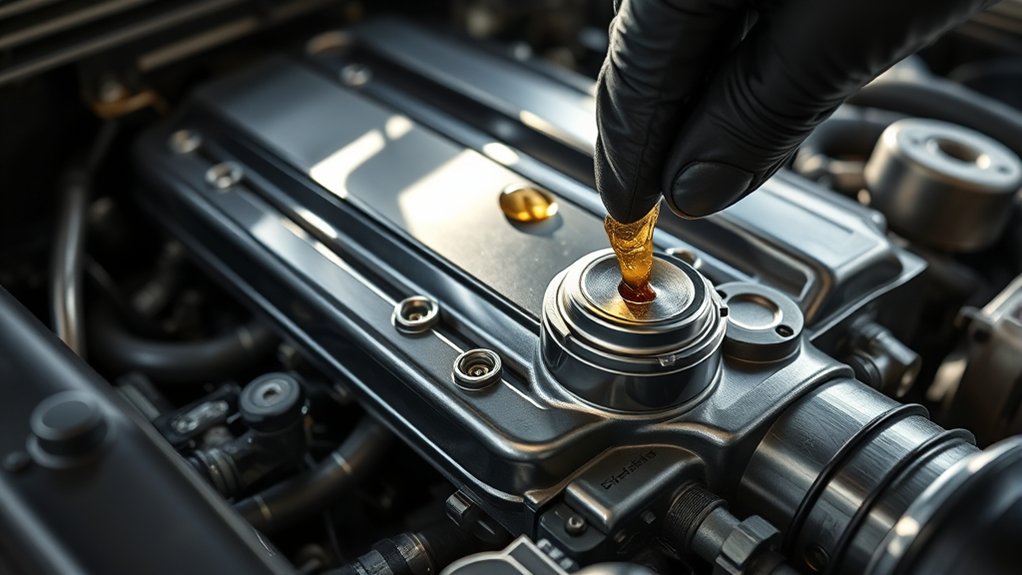
Although engine oil burning can result from various mechanical issues, you can greatly reduce its occurrence by implementing proactive maintenance strategies. First, select the correct oil viscosity recommended by your engine manufacturer to guarantee ideal lubrication and minimize oil consumption. Using oil with inappropriate viscosity can increase the likelihood of burning.
Next, adhere strictly to the maintenance frequency for oil changes and inspections; neglecting this accelerates engine wear and promotes oil leakage into combustion chambers. Regularly inspect valve seals, piston rings, and PCV valves for wear or damage, as these components directly influence oil control.
Finally, avoid extended idling and aggressive driving, which elevate engine temperatures and exacerbate oil burning. By combining precise oil selection, timely maintenance, and operational prudence, you greatly reduce the risk of excessive engine oil burning.
Frequently Asked Questions
Can Using the Wrong Oil Type Cause an Engine to Burn Oil?
Yes, using the wrong oil viscosity or oil additives can accelerate engine wear, cause seal failure, and worsen temperature effects. Poor maintenance practices combined with harsh driving conditions increase oil consumption, making correct oil choice essential to prevent burning oil.
Does Engine Oil Burning Affect Fuel Efficiency?
Yes, burning engine oil reduces fuel efficiency because increased engine wear disrupts ideal combustion. Incorrect oil viscosity worsens this by causing poor lubrication, raising friction and fuel consumption.
You should maintain proper oil type and levels carefully.
How Often Should Engine Oil Be Checked to Prevent Burning?
You should check your oil level at least once a month and follow your vehicle’s maintenance schedule precisely. Regular monitoring helps detect early oil consumption, preventing engine damage and ensuring peak performance through timely oil changes and adjustments.
Can Driving Habits Influence Engine Oil Consumption?
Think of your engine as a delicate instrument; aggressive driving style accelerates oil consumption. You’ll need stricter oil maintenance schedules, as frequent high RPMs and rapid accelerations increase oil breakdown and burn rates considerably.
Is Burning Oil More Common in Certain Car Brands or Models?
Yes, you’ll find burning oil more common in specific car models due to their engine design. Brands with questionable brand reliability often show higher oil consumption, so analyze technical specs carefully before choosing your vehicle.
Conclusion
If you don’t address your engine burning oil, it’s like ignoring a warning light on a ship nearing rocky shores—you risk serious damage. By recognizing worn parts early and applying the right repairs, you prevent costly failures and extend your engine’s life.
Stay vigilant with regular checks and maintenance; it’s your best defense against the hidden wear that silently consumes oil and performance alike. Take control before problems escalate and keep your engine burning oil issues under control.