You can expect to spend between $20 and $150 on spark plug wires, depending on your vehicle’s compatibility, wire quality, and whether you choose OEM or aftermarket options.
Budget-friendly sets offer basic durability, while premium wires provide enhanced conductivity and longevity.
Installation costs vary if you hire a professional, typically ranging from $50 to $150.
Understanding how wire materials, brand reputation, and installation impact overall price will help you make an informed choice.
There’s more to evaluate when selecting the right wires for your needs.
Key Takeaways
- Spark plug wire sets range from $20 to $150, depending on quality and materials used.
- Budget-friendly wires cost between $20 and $50, suitable for everyday driving needs.
- Mid-range options priced $30 to $70 offer improved conductivity and durability.
- Premium spark plug wires cost $70 to $150, providing enhanced performance and longer lifespan.
- Professional installation adds $50 to $150 to the total replacement cost, while DIY saves labor expenses.
What Spark Plug Wires Are and Why They Matter
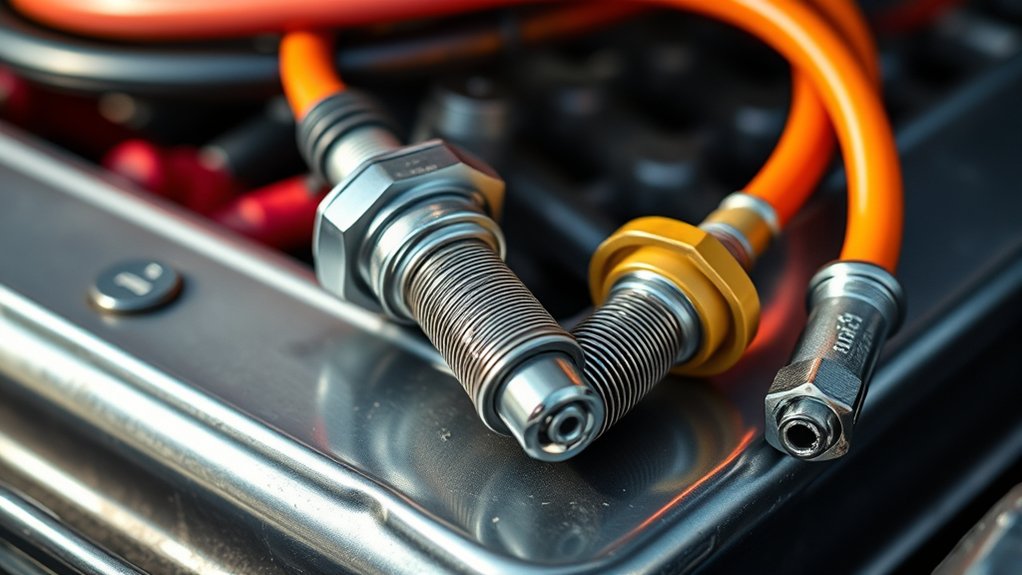
Spark plug wires are essential components that transmit electrical current from your vehicle’s ignition system to the spark plugs. This current ignites the air-fuel mixture within the engine cylinders, a critical spark plug function that drives combustion.
The wires must efficiently carry high-voltage electricity without significant loss or interference. To achieve this, manufacturers use specific wire materials such as silicone, carbon-impregnated fiberglass, or copper cores, each offering distinct conductivity and durability characteristics.
The insulation quality is equally important, as it prevents electrical leakage and withstands harsh engine conditions. Understanding the materials and function helps you appreciate why these wires matter; they guarantee reliable ignition timing and engine performance by maintaining consistent electrical flow between components.
Signs You Need to Replace Your Spark Plug Wires
Several clear indicators can signal when it’s time to replace your spark plug wires. One primary symptom is engine misfires, which occur when the spark plug wires fail to deliver consistent voltage to the spark plugs. You might notice rough idling, hesitation during acceleration, or reduced engine performance.
Additionally, visible damage such as cracks, burns, or corrosion on the wires indicates deterioration. Electrical arcing, often noticeable as a clicking sound or a faint blue spark near the wires, also suggests compromised insulation.
If your vehicle’s check engine light illuminates with misfire-related codes, it’s wise to inspect the spark plug wires. Timely replacement resolves these symptoms, restores efficient combustion, and maintains peak engine performance, preventing further damage to ignition components.
How Your Vehicle and Brand Affect Spark Plug Wire Prices
Because vehicle models and brands vary in design and specifications, the cost of spark plug wires can differ considerably. You’ll need to ascertain vehicle compatibility since wire length, connector types, and resistance ratings must match your engine.
Brand reputation also plays a role; premium brands often use advanced spark wire materials like silicone or kevlar, which enhance durability and reduce electrical interference, positively affecting performance impact.
Installation difficulty varies by vehicle, influencing labor costs if you’re not doing it yourself. Following maintenance tips, such as inspecting wires seasonally, helps prevent premature wear.
Seasonal considerations and regional prices also affect costs due to supply chain and demand fluctuations. By understanding these factors, you can choose spark plug wires that balance quality, performance, and cost effectively for your specific vehicle.
Price Ranges for Spark Plug Wire Sets
You’ll find spark plug wire sets priced across three main categories: budget-friendly, mid-range, and premium. Each price range corresponds to differences in materials, durability, and performance specifications.
Understanding these tiers helps you select the right set for your vehicle and driving needs.
Budget-Friendly Wire Sets
While high-end spark plug wires offer advanced performance features, budget-friendly wire sets provide reliable functionality without breaking the bank. These budget options typically use simpler wire materials like standard silicone or EPDM insulation, which balance durability and cost-effectiveness.
You’ll find these wires suitable for everyday driving, delivering consistent spark delivery and resistance within acceptable ranges.
| Feature | Budget-Friendly Wire Sets |
|---|---|
| Wire Material | Silicone, EPDM |
| Resistance | Moderate (3-5 kΩ/ft) |
| Durability | Good under normal conditions |
| Cost Range | $20 – $50 per set |
| Performance | Reliable for standard use |
Choosing these sets helps manage expenses without sacrificing basic performance and reliability.
Mid-Range Price Options
Anyone looking for a balance between cost and performance will find mid-range spark plug wire sets an ideal choice. Mid-range brands typically range from $30 to $70 per set, offering improved materials like silicone insulation and enhanced conductor cores compared to budget options.
These wires reduce resistance and provide better spark conductivity, minimizing misfires and improving engine efficiency. Performance variations among mid-range brands often depend on the wire’s construction, such as spiral-wound or carbon core designs, which impact durability and electromagnetic interference suppression.
When selecting mid-range spark plug wires, consider compatibility with your vehicle’s ignition system and the manufacturer’s specifications. This guarantees you get reliable performance without the higher cost associated with premium products, making mid-range sets a practical, efficient upgrade.
Premium Spark Plug Wires
Building on the advantages of mid-range spark plug wires, premium options elevate performance through advanced materials and engineering. These sets typically range from $70 to $150, reflecting their superior wire performance, including enhanced conductivity and resistance to heat and electromagnetic interference.
You’ll find features like spiral-wound copper cores or silicone insulation that improve durability and ignition efficiency. When installing premium spark plug wires, make sure you follow installation tips carefully: route wires away from hot engine components and avoid kinking or stretching to maintain peak conductivity.
Proper installation maximizes the benefits of these wires, providing consistent spark delivery and improved engine responsiveness. Investing in premium spark plug wires is ideal if you seek longevity and top performance in demanding driving conditions.
OEM vs Aftermarket Spark Plug Wire Costs Compared
You’ll notice OEM spark plug wires usually cost more than aftermarket options, reflecting differences in quality and durability. OEM parts often come with longer warranties and better manufacturer support, which can impact long-term value.
Comparing these factors helps you decide which option fits your performance needs and budget.
Price Differences Overview
Several factors influence the cost differences between OEM and aftermarket spark plug wires, primarily involving material quality, design specifications, and brand reputation. When conducting a price comparison, OEM wires typically command higher prices due to strict adherence to manufacturer specifications and warranty coverage.
Aftermarket options, while generally more affordable, vary widely in cost depending on the manufacturer and materials used. You should consider these price points alongside installation tips; OEM wires often fit precisely, reducing installation time and potential errors.
Aftermarket wires may require additional adjustments or verification to confirm compatibility. By understanding these cost dynamics and preparation steps, you can make an informed choice that balances budget constraints with installation efficiency and overall system performance.
Quality and Durability
Although aftermarket spark plug wires often come at a lower price point, they typically don’t match the quality and durability of OEM wires. When you evaluate wire performance, OEM wires use superior materials and manufacturing processes that guarantee consistent electrical conductivity and resistance to heat and abrasion.
Longevity factors such as insulation thickness, core construction, and terminal quality directly impact durability. Aftermarket options may use lower-grade components, which can lead to quicker degradation from engine heat, oil exposure, and vibration.
While aftermarket wires might initially save you money, their reduced lifespan and potential for diminished performance can increase maintenance frequency. Choosing OEM wires guarantees you get reliable wire performance and extended service life, optimizing ignition efficiency and minimizing the risk of misfires or electrical issues.
Warranty and Support
When comparing OEM and aftermarket spark plug wires, warranty coverage and customer support play critical roles in overall cost-effectiveness. OEM wires typically come with extensive warranty types, including limited lifetime or multi-year coverage, ensuring long-term protection against defects.
Their support options often include direct manufacturer assistance and authorized service centers, providing reliable troubleshooting and replacement services. Aftermarket wires, while generally less expensive, offer varied warranty types that may range from limited to no warranty, depending on the brand.
Support options can be less consistent, with many manufacturers relying on retailer or third-party support channels. When choosing, you should weigh the warranty types and support options alongside initial costs, as strong warranty coverage and responsive support can reduce potential future expenses and downtime, ultimately affecting the value you receive.
How Wire Quality Impacts Spark Plug Wire Pricing
Three key factors determine the quality of spark plug wires: the core material, insulation type, and construction method. These directly impact pricing due to their influence on performance and durability. When you evaluate spark plug wires, consider:
- Wire material and conductivity levels. Higher-grade materials guarantee efficient electrical flow, boosting engine performance.
- Insulation types and heat resistance. Premium insulation protects wires from extreme temperatures, enhancing longevity.
- Construction method. Tight winding and quality connectors improve installation ease and reduce signal interference.
- Brand reputation. Trusted brands invest in quality control, justifying higher prices through reliability.
Understanding these aspects helps you see why better wire quality commands a premium. Investing in superior wires minimizes maintenance and guarantees consistent engine performance over time.
Where to Buy Spark Plug Wires at the Best Price
Where can you find spark plug wires that balance quality and cost effectively? Start by exploring discount retailers, which often stock reliable brands at lower prices due to bulk purchasing and promotional sales. These retailers provide a physical inspection advantage, allowing you to verify wire materials and construction before buying.
Additionally, online marketplaces offer extensive selections with competitive pricing, thanks to multiple sellers and user reviews that help gauge product performance. You can compare specifications such as wire resistance, insulation type, and connector quality efficiently on these platforms.
When shopping online, ascertain the seller has a solid reputation to avoid counterfeit products. Combining these sources maximizes your chances of acquiring durable spark plug wires without paying a premium, helping you maintain your vehicle’s ignition system within budget.
DIY or Professional Installation: What It Costs
After securing spark plug wires that fit your budget and quality standards, deciding between installing them yourself or hiring a professional becomes the next consideration. Evaluating this decision requires a clear cost comparison, factoring in labor expenses and your comfort with DIY tools.
- DIY Tools: Basic hand tools suffice, minimizing expenses.
- Installation Tips: Follow manufacturer guidelines and safety precautions to avoid damage.
- Labor Expenses: Professional installation typically costs $50-$150, depending on labor rates and vehicle complexity.
- Safety Precautions: Professionals reduce risk of improper installation, which can lead to engine issues.
Choosing DIY saves labor costs but demands mechanical skill and time. Conversely, professional installation guarantees precision and safety but increases overall expenses. Your choice hinges on balancing cost with confidence and expertise.
How to Budget for Spark Plug Wire Replacement
Budgeting for spark plug wire replacement involves evaluating the cost of parts, labor, and any additional materials or tools you might need. Start by researching the price range of compatible spark plug wires for your vehicle model.
Factor in labor costs if you plan to hire a professional; otherwise, account for tools like wire pullers or dielectric grease for DIY installation. Incorporate wire maintenance into your budget to extend wire lifespan, potentially reducing future expenses.
Keep track of your vehicle’s service intervals to replace wires proactively. Use budgeting tips such as setting aside a contingency fund for unexpected repairs. By combining precise cost estimates with routine wire maintenance, you can create an effective budget that prevents surprises and guarantees your vehicle’s ignition system operates efficiently.
Frequently Asked Questions
How Do Spark Plug Wires Affect Fuel Efficiency?
You’ll improve fuel efficiency by maintaining spark plug wires, as they guarantee peak spark plug performance and a reliable ignition system.
Faulty wires cause misfires, reducing combustion efficiency and wasting fuel, so replace them promptly for best results.
Can Faulty Spark Plug Wires Damage the Engine?
Faulty spark plug wires don’t just reduce electrical conductivity. They can cause misfires that stress engine components, leading to damage. You’ll want to replace them promptly to maintain peak engine performance and prevent costly repairs.
How Often Should Spark Plug Wires Be Inspected?
You should inspect spark plug wires every 30,000 miles or during routine spark plug maintenance. Regular checks help identify wear early, ensuring timely wire replacement.
This prevents engine performance issues caused by faulty ignition components.
Are Spark Plug Wires Compatible With All Engine Types?
Think of spark plug wires as keys; they don’t fit every lock. You’ll need to match spark plug compatibility and wire material types precisely for your engine.
This ensures peak performance and helps avoid misfires or damage.
What Tools Are Needed to Test Spark Plug Wires?
You’ll need a digital multimeter or an ohmmeter to test spark plug wire types accurately. These testing equipment options measure resistance, ensuring wires maintain proper conductivity and performance within specified ranges for reliable engine function.
Conclusion
Now that you understand the factors influencing spark plug wire costs—from vehicle type and brand to quality and installation—are you ready to make an informed decision? Choosing the right wires not only guarantees peak engine performance but also saves you money in the long run.
Whether you opt for OEM or aftermarket, professional or DIY installation, budgeting wisely is key to maintaining your vehicle’s efficiency and longevity. Don’t overlook this essential component in your maintenance plan.
When considering how much are spark plug wires, remember that investing in quality and proper installation can prevent costly repairs down the road. Making the right choice ensures your engine runs smoothly and reliably.