You should change your spark plugs between 30,000 and 100,000 miles, depending on the type you use and your driving habits.
How many miles before spark plug change varies based on the material and engine type. Copper plugs need replacing around every 30,000 miles, while platinum plugs last 60,000 to 100,000 miles.
Iridium plugs offer even longer life, often found in high-performance engines.
Factors like your car’s make, model, and how you drive impact plug wear. Keep an eye on signs of wear to avoid engine issues.
There’s more to know about proper maintenance and diagnostics to ensure your engine runs smoothly and efficiently.
Regular inspections can help you determine the best time for a spark plug change.
Key Takeaways
- Copper spark plugs typically require replacement every 30,000 miles.
- Platinum spark plugs last between 60,000 and 100,000 miles before needing replacement.
- Iridium spark plugs have the longest lifespan, often used in high-performance engines.
- Driving habits and car make significantly influence spark plug replacement intervals.
- Regular inspection detects wear early, helping determine the optimal replacement timing.
Typical Spark Plug Lifespan By Mileage
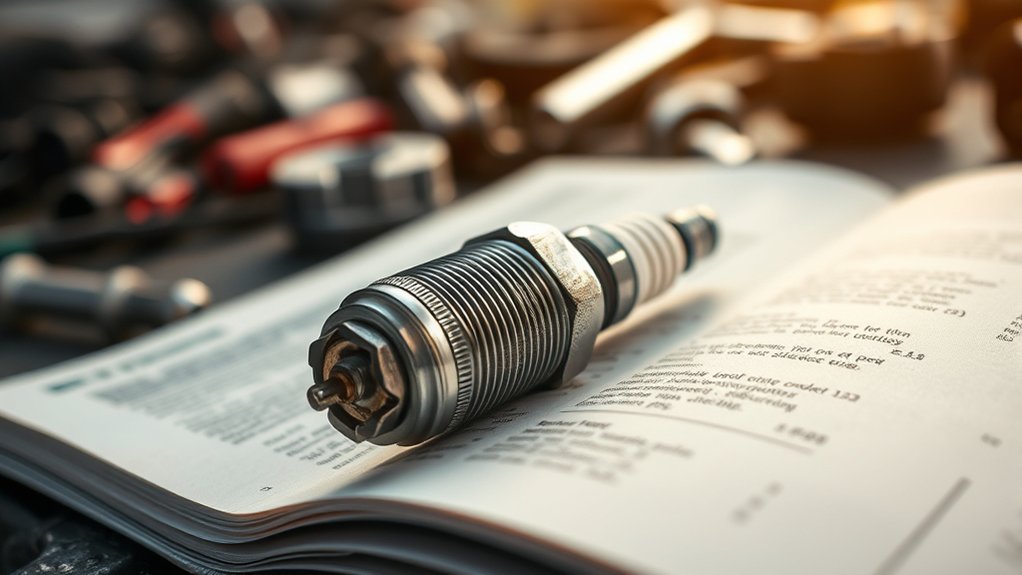
Spark plugs typically last between 30,000 and 100,000 miles, depending on their type and the engine’s operating conditions. You need to understand that different spark plug types, copper, platinum, and iridium, have varying lifespans.
Spark plug lifespans vary widely by type and engine conditions, ranging from 30,000 to 100,000 miles.
Copper plugs require replacement around every 30,000 miles, while platinum and iridium plugs extend that interval to 60,000 to 100,000 miles. Your vehicle’s maintenance frequency should align with these intervals to guarantee peak engine performance and fuel efficiency.
Regular inspection helps detect wear, fouling, or electrode erosion that shortens lifespan. Adhering to the recommended maintenance frequency based on your spark plug types prevents misfires and poor combustion, ultimately protecting your engine.
Knowing these details lets you schedule timely replacements and avoid costly repairs.
How Car Make And Model Affect Spark Plug Life
Although spark plug lifespan generally depends on the type of plug used, your car’s make and model also play a significant role in determining replacement intervals. Different manufacturers design engines with varying engine configurations, such as inline, V-type, or boxer layouts, which influence combustion chamber conditions and spark plug wear.
Additionally, automakers specify spark plug materials, such as copper, platinum, or iridium, based on performance and durability requirements for their engines. For example, some high-performance models use iridium plugs that last up to 100,000 miles, while others with simpler designs may require copper plugs needing replacement closer to 30,000 miles.
Understanding your vehicle’s engine configuration and the recommended spark plug materials helps you follow precise maintenance schedules tailored to your specific make and model, ensuring peak engine performance and longevity.
How Driving Habits Affect Spark Plug Wear
Your driving habits directly influence spark plug wear and overall engine performance. Frequent idling can cause carbon buildup on the spark plugs, reducing their efficiency.
Aggressive driving, with rapid acceleration and high RPMs, increases thermal stress, accelerating spark plug degradation.
Impact Of Frequent Idling
When you frequently idle your engine, combustion conditions become less efficient, leading to incomplete fuel burn and increased deposit buildup on the spark plugs. Extended idle time reduces engine efficiency by lowering combustion temperatures, which hinders proper ignition and causes carbon fouling.
This buildup can result in misfires, rough idling, and reduced fuel economy. Over time, these deposits degrade spark plug performance, shortening their service life.
To minimize wear, it’s crucial to limit unnecessary idling and maintain ideal engine operating temperatures. Monitoring idle time helps you understand its impact on spark plug wear and overall engine health.
Effects Of Aggressive Driving
Excessive idling isn’t the only driving behavior that affects spark plug longevity; aggressive driving habits also accelerate wear. When you engage in aggressive acceleration, you subject the spark plugs to higher combustion temperatures and increased voltage demands, which can cause electrode erosion and premature degradation.
Similarly, rapid deceleration forces frequent shifts in engine load, increasing thermal stress on the plugs. These conditions promote carbon buildup and electrode gap expansion, reducing ignition efficiency. Over time, this leads to misfires, rough idling, and poor fuel economy.
To enhance spark plug lifespan, avoid harsh throttle inputs and practice smooth acceleration and deceleration. Monitoring your driving habits can greatly extend the interval between spark plug changes and maintain peak engine performance.
Signs Your Spark Plugs Need Replacing
You’ll notice engine performance issues like misfires or rough idling when spark plugs start to fail. Inspecting the spark plugs visually can reveal wear signs such as carbon deposits, erosion, or damaged electrodes.
Recognizing these indicators early helps you replace spark plugs before they cause more serious engine problems.
Engine Performance Issues
Although spark plugs are small components, they play an essential role in maintaining engine efficiency and performance. When spark plugs wear out, you may notice engine knocking, a clear sign of inefficient combustion.
This knocking occurs because the spark plug can’t ignite the air-fuel mixture properly, leading to uneven power delivery. As a result, your vehicle’s fuel efficiency drops, causing higher fuel consumption.
You might also experience rough idling or difficulty starting the engine, indicating misfires caused by degraded spark plugs. Monitoring these engine performance issues helps you pinpoint when it’s time for a spark plug change.
Ignoring these symptoms can lead to more severe engine damage and increased repair costs, so addressing spark plug wear promptly guarantees peak engine functionality and fuel economy.
Visual Spark Plug Wear
When spark plugs show visible signs of wear, it’s a clear indicator that replacement is necessary to maintain peak engine function. Performing a thorough visual inspection helps you identify issues before they affect your vehicle’s performance.
Different spark plug types, such as copper, platinum, and iridium, wear distinctly, but common signs of deterioration appear across all. Look for:
- Eroded electrodes that reduce spark efficiency.
- Excessive carbon deposits indicating incomplete combustion.
- Cracked or fouled insulators compromising insulation.
These visual cues signal that your spark plugs are no longer operating at their best. Regularly inspecting your spark plugs, especially after reaching manufacturer-recommended mileage, guarantees you catch wear early.
This proactive approach prevents misfires, improves fuel economy, and maintains engine reliability. Always match replacements to your vehicle’s specified spark plug types for consistent performance.
What Happens If You Wait Too Long To Replace Spark Plugs
If you delay replacing your spark plugs beyond their recommended mileage, engine performance will deteriorate noticeably. Worn spark plug materials increase the gap, causing weak sparks that strain the ignition system. This results in misfires, reduced fuel efficiency, and harder starts.
| Symptom | Cause |
|---|---|
| Engine misfires | Inefficient spark due to electrode wear |
| Poor fuel economy | Incomplete combustion from weak sparks |
| Rough idling | Inconsistent ignition timing |
| Difficult starts | Weak spark energy |
| Increased emissions | Unburned fuel from misfires |
Ignoring timely replacement can lead to costly ignition system repairs. Staying within spark plug change intervals preserves ideal engine function and prevents cascading damage.
Copper, Platinum & Iridium Spark Plug Lifespans Compared
Because spark plug materials directly affect durability and performance, understanding the differences between copper, platinum, and iridium plugs is essential for optimal maintenance. Each spark plug material offers unique lifespans and efficiency levels that influence your maintenance recommendations.
Copper spark plugs have excellent conductivity but shorter lifespans, typically lasting around 20,000 to 30,000 miles due to faster electrode wear.
Platinum spark plugs provide better durability with lifespans near 60,000 miles, thanks to platinum’s higher melting point and resistance to erosion.
Iridium spark plugs offer the longest lifespan, often exceeding 100,000 miles, due to iridium’s superior hardness and wear resistance.
Selecting the right spark plug materials guarantees peak engine performance and aligns with precise maintenance recommendations for your vehicle’s needs.
How To Check Your Spark Plugs For Wear And Damage
How can you determine if your spark plugs need replacement? You start with a thorough spark plug inspection. Remove the plugs and examine their electrodes and insulators for wear or damage, key elements of effective spark plug maintenance. Look for signs like electrode erosion, deposits, or cracking.
| Condition | Indicator |
|---|---|
| Normal Wear | Light tan or gray deposits |
| Carbon Fouling | Black, dry soot |
| Oil Fouling | Wet, oily deposits |
| Electrode Damage | Rounded or eroded electrode edges |
If you notice any abnormal wear patterns or damage, replace the spark plugs promptly. Regular inspection guarantees peak engine performance and prevents possible misfires or inefficient fuel combustion.
Tips To Extend The Life Of Your Spark Plugs
To maximize the lifespan of your spark plugs, you should focus on maintaining ideal engine conditions and adhering to regular maintenance schedules. Effective spark plug maintenance involves controlling factors that cause premature wear.
Consistent engine cleaning prevents buildup that can disrupt combustion, preserving plug efficiency. Here are key tips to extend spark plug life:
- Use the manufacturer-recommended fuel and oil to reduce deposits and wear.
- Regularly inspect ignition components and replace worn parts to maintain proper spark delivery.
- Perform periodic engine cleaning to remove carbon deposits and prevent fouling.
When To Consult A Mechanic For Spark Plug Replacement
Maintaining ideal engine conditions and following proper spark plug care can greatly delay the need for replacement, but certain signs indicate when it’s time to consult a mechanic. If you notice spark plug symptoms such as engine misfires, rough idling, or decreased fuel efficiency, these are clear replacement indicators.
Additionally, difficulty starting your vehicle or unusual engine noises may signal spark plug wear beyond routine maintenance. A professional mechanic can perform a thorough inspection, measuring electrode gap and evaluating insulation integrity to confirm the spark plugs’ condition.
Timely consultation helps prevent engine damage caused by faulty ignition. Don’t wait for complete failure. Addressing replacement indicators early promotes optimal engine performance and longevity. When in doubt, rely on expert diagnostics rather than guesswork to determine the precise spark plug replacement schedule.
Frequently Asked Questions
Can Spark Plugs Affect Fuel Efficiency?
Yes, worn spark plugs reduce combustion efficiency, increasing fuel consumption. By maintaining your spark plug lifespan and replacing them on time, you guarantee ideal ignition.
This improves fuel efficiency and reduces unnecessary fuel waste in your engine’s performance.
Do Spark Plugs Influence Engine Performance?
Yes, spark plugs directly influence engine performance. Maintaining ideal spark plug lifespan guarantees efficient combustion, while performance tuning depends on precise spark timing.
This makes spark plugs critical for maximizing power, fuel efficiency, and smooth engine operation.
How Do Spark Plugs Impact Emissions?
Imagine your engine like a smoker; worn spark plugs disrupt ignition, increasing unburned fuel emissions.
Maintaining spark plug lifespan guarantees compliance with emissions regulations, reducing pollutants and optimizing combustion efficiency, keeping your vehicle cleaner and performing reliably.
Are Spark Plug Gaps Important for Replacement?
Yes, spark plug gaps are essential during replacement. Different spark plug types require specific gaps for peak performance.
Proper spark plug maintenance guarantees efficient combustion, preventing misfires and maintaining engine efficiency, emissions control, and overall vehicle reliability.
Can Using the Wrong Spark Plug Damage the Engine?
Yes, using the wrong spark plug types or spark plug materials can damage your engine by causing misfires, poor combustion, and increased wear.
Always match plugs to your vehicle’s specifications for best performance and longevity.
Conclusion
You might think spark plugs last forever, but they actually wear out well before that. While some last 30,000 miles and others up to 100,000, ignoring their condition can cause engine misfires or costly damage.
By understanding your car’s make, driving habits, and spark plug type, you can replace them proactively. Don’t wait for failure; regular checks and timely replacements guarantee peak performance and prevent unexpected breakdowns.
Stay ahead—your engine depends on it. Knowing how many miles before spark plug change is essential to keep your vehicle running smoothly.