Yes, engine oil does go bad over time, even if stored properly.
Exposure to heat, air, and contaminants causes chemical breakdown and additive depletion, reducing its effectiveness. This natural degradation means that engine oil cannot last indefinitely.
Opened oil typically lasts 1-2 years, while unopened, sealed oil can stay stable up to 5 years under ideal conditions.
Using old oil can impair lubrication, increase engine wear, and cause sludge formation.
Keeping oil fresh requires proper storage and timely changes.
Understanding these factors helps you protect your engine’s performance and ensure long-lasting engine health.
Key Takeaways
- Engine oil can go bad due to oxidation, contamination, and additive breakdown over time, reducing its effectiveness.
- Unopened engine oil typically lasts up to 5 years if stored properly in cool, dry, and sealed conditions.
- Opened engine oil has a shorter shelf life of about 1-2 years before degradation begins.
- Signs of bad engine oil include dark color, unusual odors, gritty texture, viscosity changes, and layering.
- Using old or degraded oil increases engine wear, reduces lubrication, and can cause sludge buildup and friction.
Does Engine Oil Go Bad?
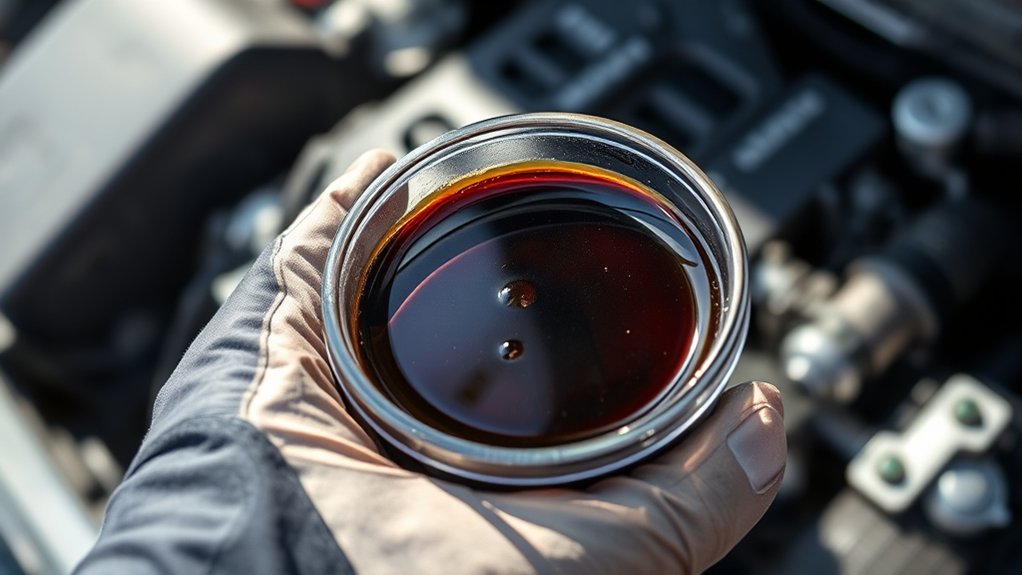
Although engine oil is designed to maintain its protective properties over time, it can indeed go bad due to exposure to contaminants, oxidation, and thermal breakdown. You should be aware that the oil shelf life depends greatly on storage conditions.
Engine oil can deteriorate from contaminants, oxidation, and heat; proper storage is essential for preserving its protective qualities.
If engine oil is stored in a sealed container, away from moisture, extreme temperatures, and direct sunlight, it typically retains its chemical stability for up to five years. However, poor storage conditions accelerate degradation, reducing its effectiveness.
You must inspect the oil before use, noting any changes in color, consistency, or odor, as these indicate compromised quality. Properly managing oil shelf life and storage conditions guarantees ideal engine performance and prevents damage caused by degraded lubricant.
Always follow manufacturer guidelines to maximize oil longevity and reliability.
What Causes Engine Oil to Go Bad?
When engine oil deteriorates, it’s usually due to chemical and physical changes triggered by contaminants, heat, and environmental exposure. Oil degradation factors include oxidation, thermal breakdown, and contamination by dirt, water, and combustion byproducts.
Oxidation thickens the oil, reducing its lubricating efficiency. High temperatures accelerate this process, especially under severe engine conditions. Contaminants cause abrasive wear and promote sludge formation, further compromising oil performance.
The type of oil you use also impacts degradation patterns: synthetic oils generally resist oxidation and thermal breakdown better than conventional oils due to their engineered molecular structure. While conventional oils degrade faster under intense conditions, synthetics maintain stability longer, delaying the onset of harmful chemical changes.
Understanding these oil degradation factors helps you select appropriate oil and replacement intervals, ensuring optimal engine protection.
How Can You Tell If Engine Oil Has Gone Bad?
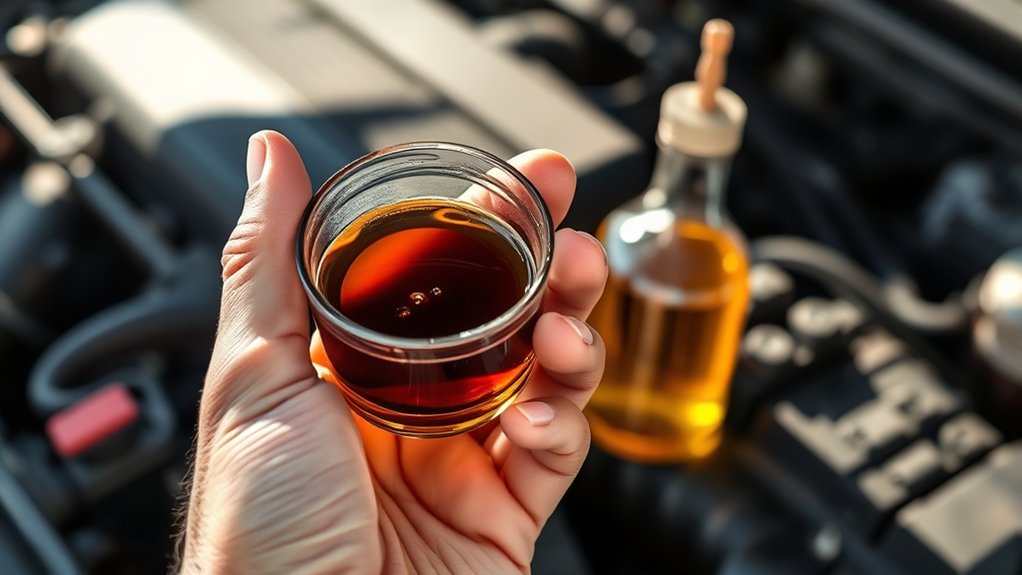
You can identify bad engine oil by closely inspecting its color, smell, and texture. Fresh oil typically has a clear amber hue, while degraded oil darkens or becomes cloudy.
If you notice an unusual odor or gritty consistency, it’s a strong sign the oil has deteriorated and needs changing.
Oil Color Changes
Since engine oil performs essential lubrication and cooling functions, its color provides valuable clues about its condition. Fresh oil typically appears amber or golden, indicating peak performance.
As it degrades, oil darkens due to contaminants, oxidation, and thermal breakdown. You can monitor these color changes through regular oil analysis, which offers detailed insights beyond visual inspection.
Dark brown or black oil often signals accumulated soot and sludge, reducing lubrication efficiency. However, color alone doesn’t confirm oil failure; it must be assessed alongside viscosity and additive depletion.
Understanding the color significance helps you determine when to change oil to prevent engine wear. By tracking these changes carefully, you maintain engine health and avoid costly repairs.
Unusual Odor Detection
While oil color changes provide visual clues about its condition, detecting unusual odors offers another diagnostic tool to assess engine oil health. When you notice unusual smells, such as burnt, sour, or metallic odors, it’s a strong indication that the oil has degraded or contaminated.
These odors often result from overheating, oxidation, or the presence of fuel or coolant in the oil. You should never ignore these warning signs, as they can signify compromised lubrication and potential engine damage.
Performing a professional oil analysis can confirm the cause by identifying chemical changes or contaminants not discernible by smell alone. By paying close attention to unusual smells, you can better determine when the engine oil requires replacement, ensuring peak engine performance and longevity.
Texture and Consistency
Although engine oil may appear visually normal, changes in its texture and consistency can reveal degradation not immediately visible. When oil ages or becomes contaminated, its oil viscosity alters, directly impacting its lubrication properties.
You should check for these key signs:
- Oil feels gritty or grainy, indicating contamination with debris or metal particles
- Noticeably thicker or thinner than fresh oil, reflecting viscosity breakdown
- Sludgy or sticky texture, reducing flow and protective film formation
- Separation or layering in the oil sample, signaling additive breakdown
- Difficulty in pouring smoothly, which impairs pump efficiency
How Long Can Engine Oil Sit Before It Goes Bad?
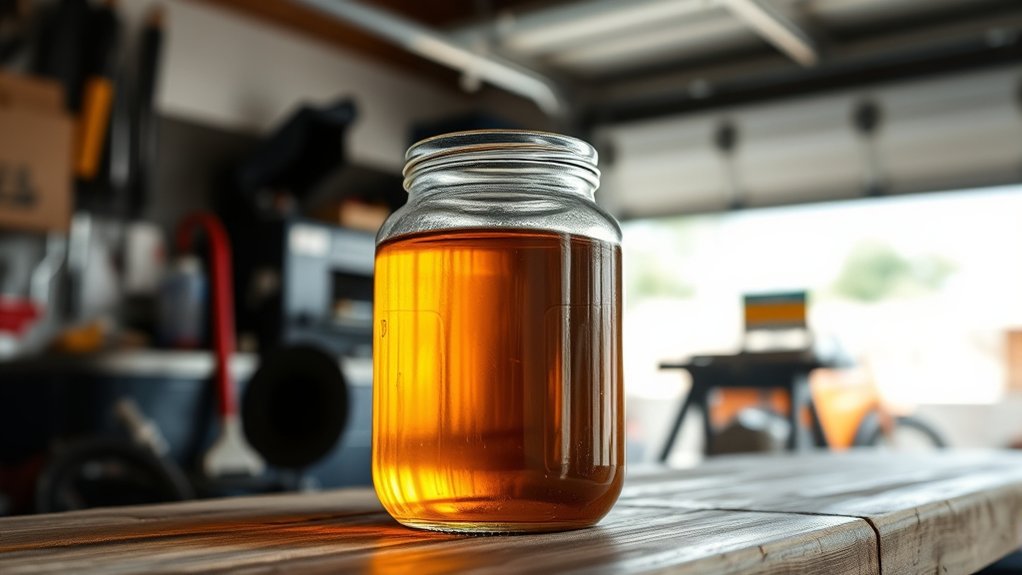
How long can engine oil sit before it degrades and loses its effectiveness? Typically, unopened engine oil has an oil shelf life of 5 years if stored under ideal storage conditions: cool, dry, and away from direct sunlight. Once opened, exposure to air and moisture accelerates degradation, reducing its usability to about 1-2 years.
| Storage Condition | Oil Shelf Life (Unopened) | Oil Shelf Life (Opened) |
|---|---|---|
| Cool & Dry | Up to 5 years | 1-2 years |
| Warm & Humid | 2-3 years | Less than 1 year |
| Direct Sunlight | Less than 2 years | Less than 6 months |
Proper storage is essential to preserve oil quality and guarantee it performs as intended when you need it.
Why Using Old Engine Oil Can Hurt Your Car
Using old engine oil reduces its ability to lubricate critical components, increasing friction and wear. Over time, contaminants accumulate in the oil, compromising engine performance and causing damage.
You risk costly repairs if you don’t replace degraded oil promptly.
Reduced Lubrication Efficiency
Anyone who relies on old engine oil risks markedly reduced lubrication efficiency, which directly impacts your car’s performance and longevity. Over time, engine oil undergoes lubrication breakdown and viscosity loss, diminishing its ability to form a protective film between engine parts. This leads to increased friction and heat generation.
When you use degraded oil, you face:
- Thinner oil film unable to separate metal surfaces effectively
- Reduced oil flow due to altered viscosity
- Accelerated oxidation causing sludge buildup
- Compromised thermal stability under engine heat
- Decreased additive performance impairing protection
Increased Engine Wear
Because old engine oil loses its protective properties, it can no longer prevent metal-to-metal contact within your engine. When oil degrades, its viscosity and additive performance decline, reducing its ability to form a consistent lubricating film.
This breakdown directly increases friction between moving parts, accelerating wear and compromising engine longevity. Without proper wear prevention, key components such as bearings, pistons, and camshafts endure excessive abrasion, leading to premature failure and costly repairs.
Using fresh oil guarantees peak viscosity and additive effectiveness, maintaining a protective barrier that minimizes mechanical wear. By regularly replacing your engine oil, you effectively preserve critical tolerances and prevent damage, ultimately extending your engine’s operational life and reliability.
Neglecting timely oil changes undermines these benefits, making increased engine wear an unavoidable consequence.
Contaminant Buildup Effects
Although engine oil’s primary role is lubrication, it also functions as an important cleaning agent, capturing contaminants like dirt, metal particles, and combustion byproducts. When you use old engine oil, contaminant types accumulate, reducing its effectiveness and risking engine damage.
This buildup can cause sludge formation, clog oil passages, and impair heat dissipation.
To help you understand why buildup prevention is vital, consider these effects of contaminant accumulation:
- Increased engine friction due to abrasive particles
- Reduced oil flow from clogged filters and passages
- Accelerated corrosion from acidic combustion residues
- Impaired thermal stability affecting engine temperature control
- Decreased overall engine efficiency and lifespan
Regular oil changes guarantee contaminant buildup is minimized, protecting your engine’s performance and longevity.
How Can You Keep Engine Oil Fresh and Effective?
To keep engine oil fresh and effective, you need to store it properly and monitor its condition regularly. Proper oil storage prevents contamination and degradation, while oil additives maintain viscosity and protect against oxidation.
Always keep oil containers sealed and stored in a cool, dry place away from direct sunlight. Use clean funnels when transferring oil to avoid introducing dirt or moisture.
| Factor | Recommendation | Impact on Oil Quality |
|---|---|---|
| Storage Temp | 10-25°C (50-77°F) | Minimizes oxidation rate |
| Container Seal | Airtight | Prevents moisture ingress |
| Additives | Use recommended formulations | Enhances protection, longevity |
| Handling | Use clean tools | Avoids contamination |
| Exposure | Avoid direct sunlight | Reduces breakdown of additives |
Following these guidelines guarantees your engine oil remains reliable and efficient.
When and How Often Should You Change Your Engine Oil?
Maintaining fresh and effective engine oil plays a key role in your vehicle’s performance, but understanding when and how often to change it guarantees ideal protection. The oil change frequency depends on your vehicle’s make, model, driving conditions, and the type of oil used.
Consult your owner’s manual for the recommended maintenance schedule, but typical intervals range from 3,000 to 10,000 miles. Keep in mind:
- Severe driving conditions require more frequent changes
- Synthetic oils often allow longer intervals
- Regularly check oil levels and quality
- Use manufacturer guidelines over general rules
- Track service dates to avoid overdue oil changes
Frequently Asked Questions
Can Synthetic Oil Last Longer Than Conventional Oil?
Yes, synthetic oil lasts longer than conventional oil because synthetic benefits include superior thermal stability and oxidation resistance. Conventional drawbacks involve faster breakdown and sludge formation.
As a result, you’ll enjoy extended engine protection and longer oil change intervals.
Does Engine Oil Type Affect Fuel Efficiency?
Yes, oil viscosity and oil composition directly impact fuel efficiency. You’ll notice thinner viscosities reduce engine friction, improving mileage, while advanced synthetic compositions optimize lubrication.
This helps your engine run smoother and consume less fuel overall.
How Is Engine Oil Recycled or Disposed Of?
You see used oil as waste, yet recycling processes transform it into base oil through filtration and distillation. For responsible oil disposal, you must take it to certified centers where it’s processed, preventing environmental harm efficiently.
Can Engine Oil Improve Engine Performance?
Yes, using high-quality engine oil benefits your engine by reducing friction and wear, which leads to performance enhancement. It guarantees ideal lubrication, improves fuel efficiency, and helps maintain engine temperature, directly contributing to smoother, more reliable operation.
What Additives Are Commonly Found in Engine Oil?
You’ll find additives like detergents, dispersants, anti-wear agents, and antioxidants in engine oil. These enhance additive functions by improving oil stability, preventing deposits, reducing wear, and resisting oxidation to maintain engine performance.
Conclusion
You absolutely can’t afford to ignore engine oil’s shelf life—it’s the lifeblood of your engine. If oil goes bad, it loses its ability to lubricate and protect, risking costly damage. Always check for changes in color, texture, or smell before use, and store oil in a cool, sealed environment.
Regular oil changes aren’t just recommended; they’re essential to keep your engine running smoothly and efficiently. Neglecting the quality of your oil can lead to catastrophic failures. Understanding whether engine oil goes bad is crucial for maintaining your vehicle’s health.