Yes, diesel engines can burn oil, which is a common issue that many owners may encounter. This problem is often indicated by increased oil consumption, blue or gray exhaust smoke, and oil deposits on injectors or spark plugs.
Burning oil in diesel engines usually occurs due to worn piston rings, valve seals, or turbocharger seal failures that allow oil to enter the combustion chamber. Thin oil viscosity or high compression levels can further contribute to this issue.
Monitoring oil levels regularly, performing compression tests, and addressing any mechanical problems promptly can help prevent serious damage.
Understanding these causes and solutions will help you manage oil burning effectively.
Key Takeaways
- Diesel engines can burn oil due to higher compression and temperature conditions increasing oil combustion risk.
- Worn piston rings, valve seals, and turbocharger seals commonly cause oil to enter the combustion chamber.
- Blue or gray smoke from exhaust is a typical sign of oil burning in diesel engines.
- Regular oil consumption monitoring and compression tests help detect oil burning issues early.
- Proper maintenance, including timely oil changes and inspections, prevents excessive oil burning in diesel engines.
How Can You Spot Oil Burning in Your Diesel Engine?
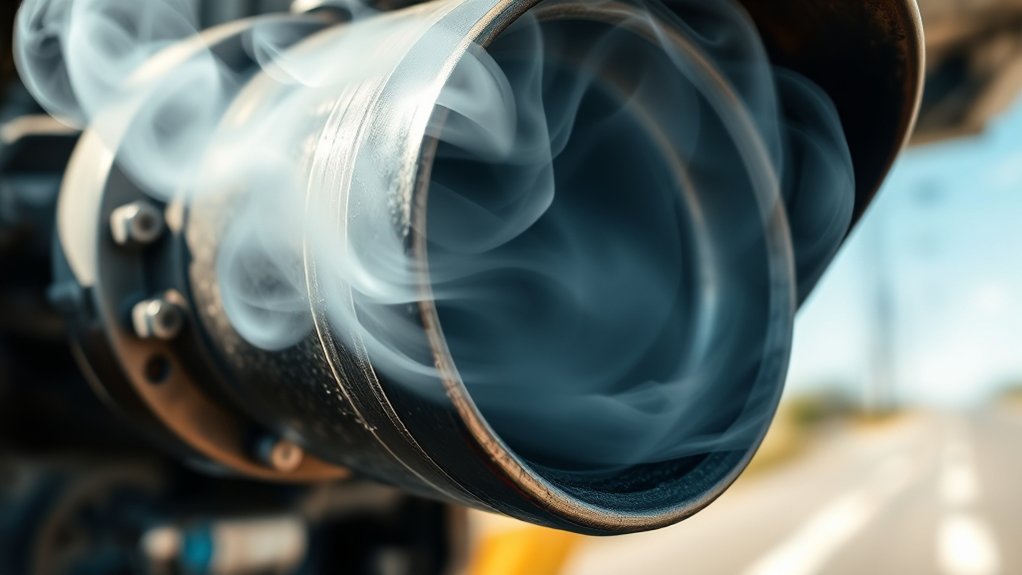
How can you quickly identify if your diesel engine is burning oil? Monitor your oil consumption closely over consistent intervals; an unexplained increase typically signals oil entering the combustion chamber.
During engine maintenance, inspect the exhaust for blue or gray smoke, which indicates oil combustion. Additionally, check the spark plug or injector tip for oil deposits and examine the engine oil for fuel dilution or unusual viscosity changes.
A compression test can also reveal worn piston rings, a common cause of oil burning. These precise diagnostic steps allow you to confirm oil burning early, preventing further engine damage and optimizing engine maintenance schedules.
Why Do Diesel Engines Burn Oil?
Because diesel engines operate under higher compression and temperature conditions than gasoline engines, they are more prone to oil burning when internal components wear or fail. You’ll find that oil viscosity plays a vital role; if the oil is too thin, it can slip past piston rings more easily, increasing consumption.
Engine wear, such as worn piston rings or cylinder walls, creates pathways for oil to enter the combustion chamber. Additionally, turbocharger issues often contribute, as damaged seals allow oil to leak into the intake system.
Oil leaks, whether external or internal, exacerbate this problem by reducing lubrication efficiency and increasing oil consumption. Understanding these factors helps you diagnose why your diesel engine burns oil and guides appropriate maintenance to mitigate damage.
Common Causes of Oil Burning in Diesel Engines
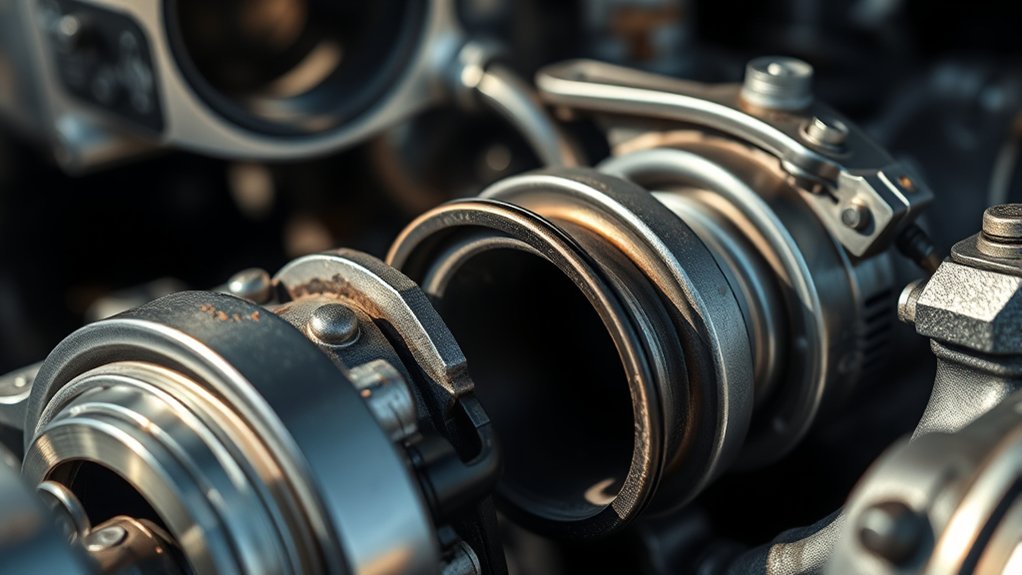
Understanding why your diesel engine burns oil requires pinpointing specific mechanical failures or wear patterns. Elevated oil consumption often stems from engine wear, particularly with piston rings and valve seals degrading.
Turbocharger issues can also introduce oil into the combustion chamber, accelerating oil burning. Additionally, lubrication problems exacerbate wear, causing further oil passage into cylinders.
| Cause | Impact on Oil Burning |
|---|---|
| Piston Rings | Wear leads to poor sealing, oil leaks into combustion chamber |
| Valve Seals | Harden or crack, allowing oil to seep past valves |
| Turbocharger Issues | Worn seals cause oil to enter intake system |
| Engine Wear | General wear increases oil consumption |
| Lubrication Problems | Insufficient lubrication accelerates component degradation |
How to Prevent and Fix Oil Burning in Diesel Engines
Address oil burning in your diesel engine promptly to maintain performance and prevent costly damage. Start by adhering strictly to your vehicle’s maintenance schedule, focusing on timely oil changes and filter replacements to minimize contamination and wear.
Promptly address diesel engine oil burning by following maintenance schedules and timely oil and filter changes.
Use high-quality oil additives formulated to reduce oil consumption and improve seal conditioning, which helps prevent leaks and residue buildup. Inspect piston rings, valve seals, and turbochargers regularly for wear or damage, addressing issues immediately to stop oil ingress into combustion chambers.
If oil burning is detected, perform a compression test and analyze oil consumption rates to identify root causes accurately. Implement repairs such as ring replacement or valve seal servicing as needed.
Consistent monitoring and proactive maintenance reduce oil burning risk and extend diesel engine life effectively.
Frequently Asked Questions
Is Burning Oil Harmful to the Environment?
Yes, burning oil causes significant environmental impact by releasing pollutants that contribute to oil pollution. You’ll increase air and soil contamination, harming ecosystems and public health. Minimizing oil combustion is critical for reducing environmental damage.
Can Diesel Engine Oil Burning Affect Fuel Efficiency?
Just like Icarus flying too close to the sun, excessive oil consumption in your diesel engine risks engine wear and reduced fuel efficiency.
You’ll notice performance drops as burning oil interferes with ideal combustion and power output.
Does Oil Burning Cause Smoke From the Exhaust?
Yes, increased oil consumption directly causes visible smoke from exhaust emissions. When oil enters combustion chambers, it combusts improperly, producing blue or gray smoke.
This indicates inefficient sealing or wear within the diesel engine’s components.
How Often Should Diesel Engine Oil Be Changed?
You should change your diesel engine oil every 5,000 to 7,500 miles, following the manufacturer’s maintenance schedule precisely.
Regular oil changes guarantee ideal lubrication, reduce wear, and maintain engine performance under demanding conditions.
Are Diesel Engines More Prone to Oil Burning Than Gasoline Engines?
Yes, you’ll find diesel engines more prone to oil burning due to diesel engine characteristics like higher compression ratios and combustion temperatures.
Oil consumption factors including piston ring wear and turbocharger condition also greatly influence this tendency.
Conclusion
If you notice your diesel engine burning oil, don’t ignore it—it’s a red flag signaling underlying issues. Understanding the root causes, from worn piston rings to valve seal failures, helps you act swiftly. Preventive maintenance is your best defense, keeping oil consumption in check and engine performance sharp.
Treat your engine like a finely tuned instrument; neglect can turn a minor problem into a costly symphony of damage. Stay vigilant and proactive to extend your engine’s life. Remember, diesel engines do burn oil under certain conditions, but managing it properly ensures longevity and reliability.