Engine oil turns black because it traps soot, metal particles, and combustion byproducts that accumulate during engine operation.
These contaminants impair lubrication by changing the oil’s chemistry and increasing acidity, while thermal breakdown speeds degradation under high temperatures.
Darkening signals oxidation and buildup of abrasive debris, often indicating the time for an oil change to maintain engine protection.
Understanding how oil interacts with engine wear and combustion will help you manage ideal oil health and performance.
Key Takeaways
- Engine oil turns black primarily due to soot contamination from incomplete combustion mixing with the oil.
- Accumulated dirt, metal particles, and combustion byproducts darken the oil and reduce its lubricating effectiveness.
- Thermal breakdown at high engine temperatures accelerates oil oxidation, causing color changes and degrading oil quality.
- Darkened oil indicates contamination and oxidation, signaling the need for an oil change to prevent engine wear.
- Filtration systems remove contaminants, but prolonged use without oil changes allows particles to accumulate and darken the oil.
What Causes Engine Oil to Turn Black?
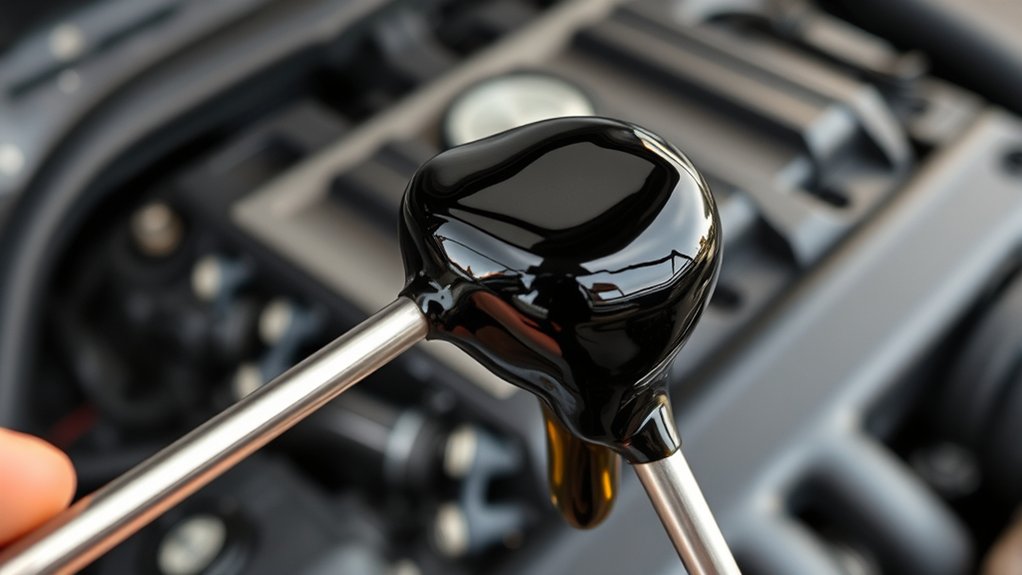
When engine oil circulates through your vehicle’s engine, it picks up contaminants such as soot, metal particles, and combustion byproducts. These impurities contribute to oil degradation by altering the oil’s chemical composition and reducing its lubricating efficiency.
Over time, the accumulation of these particles darkens the oil, turning it black. You need to understand that oil degradation isn’t solely caused by contamination; thermal breakdown under high temperatures also accelerates this process.
Neglecting regular oil changes and proper maintenance practices allows degraded oil to accumulate, increasing engine wear risks. By adhering to recommended maintenance schedules and using the correct oil type, you can minimize oil degradation and delay the darkening process, ensuring your engine operates efficiently and reliably.
How Engine Oil Captures Dirt and Protects Your Engine
Although engine oil continuously faces contamination, it effectively captures dirt and harmful particles to protect your engine’s internal components. As oil circulates, it suspends microscopic debris and combustion byproducts, preventing abrasive damage.
Oil filtration systems then remove these contaminants, ensuring cleaner lubricant recirculates. This filtration process is critical; without it, contaminants would accumulate, accelerating wear and reducing engine longevity.
Effective oil filtration removes contaminants, preventing buildup that causes wear and extends engine life.
You rely on oil’s viscosity and additive chemistry to maintain a protective film that minimizes metal-to-metal contact. By entrapping particles and neutralizing acids, engine oil preserves component integrity and optimizes performance.
Understanding this interaction highlights why timely oil changes and quality filters are essential; they sustain oil’s capacity to capture dirt effectively, directly contributing to your engine’s durability and operational efficiency.
How Engine Combustion Makes Oil Turn Black
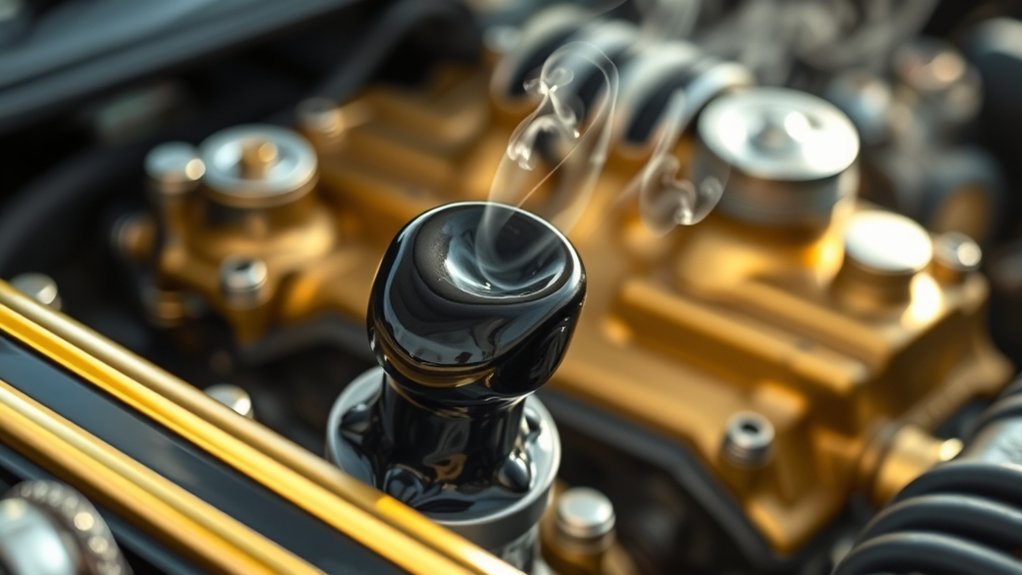
You’ll notice engine oil turns black primarily due to soot, a byproduct of incomplete combustion in the engine’s cylinders. This fine carbon particulate contaminates the oil, altering its color and properties.
Understanding how these combustion byproducts interact with the oil helps explain the gradual darkening you observe.
Soot Formation Process
Because incomplete combustion generates microscopic carbon particles, soot forms and accumulates in the engine oil. When you run your engine, fuel doesn’t always burn completely due to variations in combustion efficiency influenced by factors like air-fuel mixture, ignition timing, and engine load.
These inefficiencies become primary soot sources, producing unburned hydrocarbons that aggregate into fine carbon particulates. As these particles enter the crankcase, they mix with the oil, causing the darkening you observe.
The soot particles are extremely small, allowing them to disperse uniformly throughout the oil, altering its appearance and properties. Understanding this process helps you recognize how combustion inefficiencies directly affect oil contamination.
Combustion Byproduct Impact
When combustion occurs inside your engine, it produces various byproducts such as unburned fuel, soot, and acidic compounds that directly contaminate the engine oil. These byproducts result from incomplete combustion, which lowers combustion efficiency and increases particulate formation.
As soot particles enter the oil, they accelerate oil degradation by promoting abrasive wear and chemical breakdown of additives. Acidic compounds formed during combustion also reduce oil’s protective properties, increasing its acidity and causing corrosion within engine components.
Over time, these contaminants accumulate, darkening the oil and impairing its ability to lubricate effectively. Understanding how combustion byproducts impact oil helps you appreciate the importance of regular oil changes and maintaining peak combustion efficiency to minimize oil degradation and protect your engine’s longevity.
Why Dirt and Debris Darken Engine Oil
Although engine oil starts clear or amber, it darkens rapidly as it circulates through the engine. This change in color largely results from dirt accumulation within the oil.
As the oil moves through various engine components, it picks up microscopic particles of dust, soot, and other contaminants. These impurities alter the oil composition, introducing abrasive elements that can affect lubrication efficiency.
You’ll notice that the presence of dirt changes the oil’s optical properties, causing it to appear darker. This accumulation is inevitable due to the engine’s exposure to external environments and internal combustion residues.
Understanding this process highlights the importance of regular oil changes to remove dirt-laden oil, maintain ideal oil composition, and guarantee the engine’s protective mechanisms function effectively without premature wear or performance loss.
Why Engine Wear Adds Metal Particles to Oil
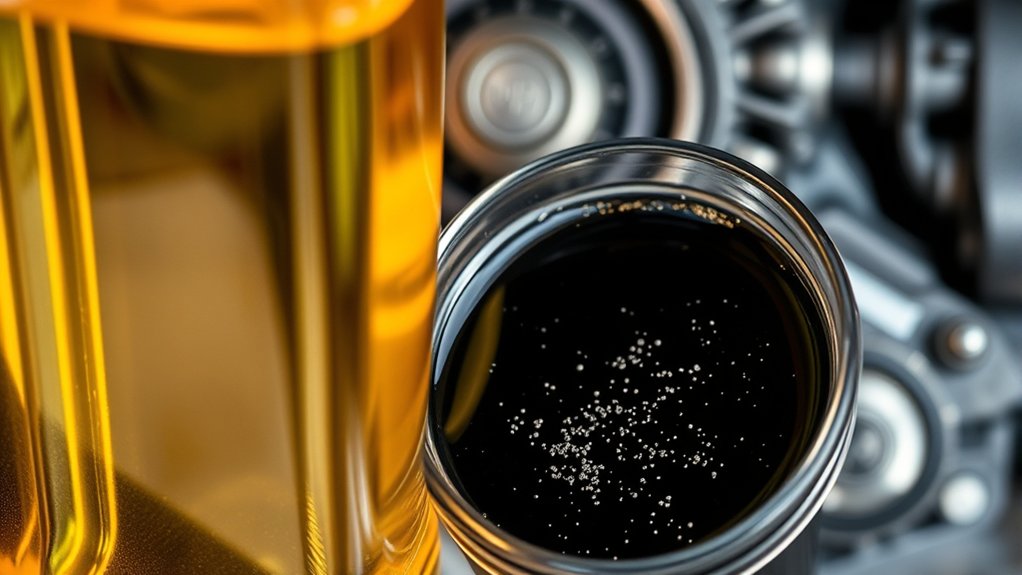
You’ll find that engine wear produces metal particles through friction between moving parts. These microscopic wear debris mix with the oil, gradually altering its composition.
As a result, the oil’s quality declines, impacting lubrication and engine performance.
Metal Particles From Friction
Since engine components constantly rub against each other during operation, microscopic metal particles inevitably wear off and contaminate the oil. You’ll find that friction sources such as piston rings sliding against cylinder walls, bearing surfaces rotating on shafts, and valve train interactions contribute considerably to this wear.
The primary wear mechanisms involved include abrasive wear, where hard particles score softer surfaces, and adhesive wear, where surface asperities bond and fracture under stress. As these processes occur, metal fragments detach and disperse into the oil, altering its composition.
Understanding these friction sources and wear mechanisms helps you recognize why oil darkens over time, as the accumulation of metal particles increases. This contamination not only signals engine wear but also influences oil’s lubricating properties and longevity.
Microscopic Wear Debris
Microscopic wear debris forms as tiny metal fragments break away from engine components during normal operation. You’ll find these particles suspended in the oil, resulting from continuous friction and mechanical stress.
Engine wear generates a range of debris sizes, but the microscopic fragments are particularly important because they indicate early-stage wear before larger failures occur. When you perform oil analysis, these metal particles serve as critical markers, helping you assess the engine’s internal condition without disassembly.
Impact On Oil Quality
Although engine oil primarily functions to lubricate and protect internal components, it inevitably accumulates metal particles as a direct consequence of engine wear. These microscopic metal fragments accelerate oil degradation by catalyzing oxidative reactions and contaminating the lubricant’s additive package.
As you monitor oil quality, you’ll notice increased viscosity and diminished anti-wear properties, signaling that the oil’s protective capacity is compromised. This degradation negatively impacts engine performance and longevity.
To mitigate these effects, you must adhere to a suitable maintenance frequency, ensuring timely oil changes before contamination reaches critical levels. Neglecting this can result in abrasive wear, exacerbating metal particle generation and further degrading oil quality.
Understanding this feedback loop helps you maintain engine reliability and prolong lubricant efficiency.
Signs Black Engine Oil Needs Changing
When your engine oil turns black, it signals the accumulation of contaminants and oxidation byproducts that impair its lubricating properties. You should recognize specific signs indicating it’s time for an oil change despite the oil’s dark color being normal over time.
Pay close attention to your vehicle’s maintenance schedule, as exceeding recommended intervals increases wear risks. Noticeable signs include a gritty texture when you rub the oil between your fingers, indicating particulate contamination.
Additionally, if your engine performance declines or you detect unusual noises, these can be symptoms of degraded oil failing to provide adequate lubrication. Checking oil consistency and adhering to the maintenance schedule guarantees you replace the oil before it compromises engine integrity, maintaining peak performance and longevity.
How Different Engine Oil Types Affect Color and Performance
Because different engine oil formulations contain varied additives and base oils, they influence both color and performance in distinct ways. Synthetic oils offer advanced additive packages and refined base stocks, leading to superior thermal stability and oxidation resistance. This means synthetic benefits include slower darkening under high temperatures and enhanced engine protection.
Conversely, conventional oils contain more impurities and less refined bases, resulting in quicker color change and diminished performance over time. Conventional drawbacks include reduced viscosity retention and faster deposit formation, causing the oil to turn black sooner.
When you choose oil, consider these factors: synthetics maintain cleaner engine internals longer, while conventional oils may require more frequent changes to prevent sludge buildup and performance loss. Understanding these differences helps you optimize engine longevity and efficiency.
Tips to Monitor Engine Oil and Keep Your Vehicle Healthy
Understanding how different engine oils behave under operating conditions sets the stage for effectively monitoring your oil’s condition. Proper oil monitoring is vital for maintaining engine performance and longevity. Here are three essential maintenance tips:
- Regularly Check Oil Level and Color Use the dipstick to assess oil level and observe color changes. Darkening indicates contamination or oxidation.
- Follow Manufacturer’s Oil Change Intervals Adhere strictly to recommended intervals to prevent degradation and sludge buildup.
- Use Quality Oil Filters Replace filters during oil changes to guarantee efficient removal of particulates that accelerate oil darkening.
Frequently Asked Questions
Can Black Engine Oil Harm My Car’s Fuel Efficiency?
Yes, black engine oil indicates oil degradation, which reduces lubrication efficiency. This increases engine wear and friction, causing your car’s fuel efficiency to drop.
Regular oil changes prevent performance loss and maintain ideal fuel economy.
Does Black Engine Oil Smell Different Than Clean Oil?
You won’t smell a gourmet feast; black oil’s odor differences stem from altered oil composition. Decomposed additives and contaminants create a sharper, burnt scent. It’s a subtle yet distinct olfactory signal of chemical change, not just dirt.
How Often Should Synthetic Oil Be Changed Compared to Conventional Oil?
You should change synthetic oil every 7,500 to 10,000 miles due to superior oil longevity and synthetic benefits, while conventional oil requires changes every 3,000 to 5,000 miles to maintain peak engine performance.
Can Additives in Oil Cause It to Turn Black Faster?
Yes, additive effects can accelerate oil degradation, causing it to turn black faster. These additives react with contaminants and heat, altering oil chemistry and promoting quicker oxidation.
This leads to the darkening you observe in engine oil.
Is Black Engine Oil a Sign of Engine Overheating?
Think of black engine oil as a smoke signal, not always overheating but often showing engine wear and oil contamination.
You’ll spot issues only if the oil’s blackness accompanies unusual temperature spikes or performance drops.
Conclusion
You might not realize it, but engine oil can turn black within just 1,000 miles due to soot and contaminants from combustion. This rapid darkening shows how actively your oil traps harmful particles to protect your engine.
Monitoring this color change helps you spot when oil’s no longer effective, preventing wear from metal debris. By understanding these signs and oil types, you can keep your engine running efficiently.
Regularly checking the condition of your oil is essential. Knowing why engine oil turns black allows you to take timely action and avoid costly damage.