You can’t run your engine without oil for more than a few seconds to minutes before severe friction and heat cause serious damage.
Engine oil is essential for lubricating metal parts and preventing excessive wear. Without it, metal components grind together, leading to rapid deterioration.
This grinding causes overheating and can result in catastrophic engine failure. The engine’s design and operating conditions influence how quickly damage occurs, but operating without oil always leads to irreversible harm.
Understanding these risks is essential if you want to avoid costly repairs and keep your engine running smoothly.
Always ensure your engine has sufficient oil to maintain its performance and longevity.
Key Takeaways
- An engine can fail within seconds to minutes without oil due to rapid friction and overheating.
- Lack of lubrication causes immediate metal-on-metal contact, accelerating damage.
- Higher engine RPMs and load reduce the time an engine can run without oil.
- Some engine designs with tighter tolerances fail faster without proper lubrication.
- Running without oil leads to catastrophic damage requiring costly repairs or replacement.
Why Your Engine Needs Oil to Run Right
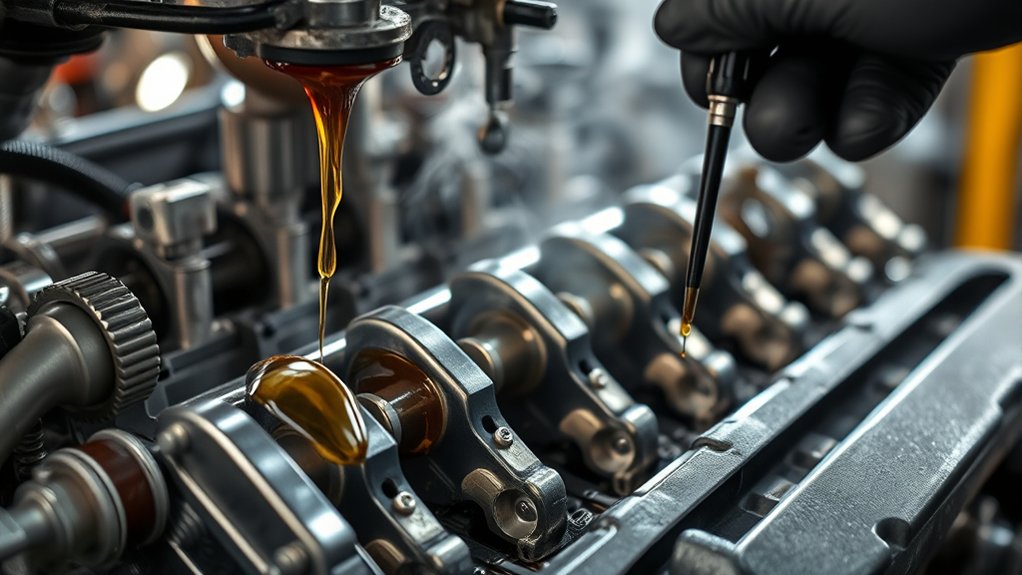
Lubrication is essential for your engine’s operation because it minimizes friction between moving parts, preventing wear and overheating. Engine lubrication relies on oil types formulated to withstand high temperatures and pressures while maintaining viscosity.
Without proper oil, metal components grind directly against each other, accelerating degradation and increasing heat generation, which can cause critical failures.
You need to understand that oil types vary by viscosity and additive packages, each tailored to specific engine requirements and operating conditions. Selecting the correct oil guarantees peak film strength and thermal stability, preserving component integrity.
How Long Can an Engine Run Without Oil?
How quickly can an engine fail without oil? In mere seconds to minutes, the absence of lubrication causes critical engine damage. Without oil, friction and heat escalate rapidly, leading to metal-on-metal contact that deteriorates components.
Engine failure can occur within seconds to minutes without oil, as friction and heat cause severe damage.
Factors influencing this timeframe include:
- Engine design complexity: tighter tolerances fail faster without lubrication
- Operating conditions: higher RPMs and loads accelerate wear
- Presence of oil alternatives: some may provide brief protection but are no substitute
While certain oil alternatives might delay failure marginally, they cannot replicate the protective film and cooling properties of genuine engine oil. Running an engine without proper oil results in irreversible damage within minutes, underscoring the critical need for maintaining adequate lubrication to prevent costly repairs or engine replacement.
What Goes Wrong When Your Engine Runs Dry
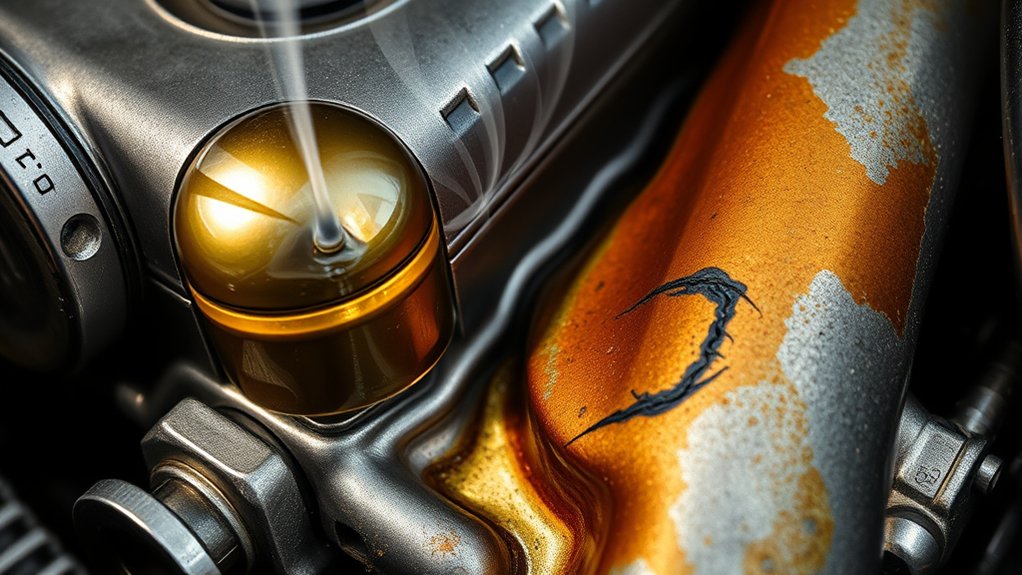
Once your engine runs dry, friction between moving parts skyrockets, causing immediate and severe damage. Without adequate lubrication, metal surfaces grind directly against each other, accelerating engine wear and leading to rapid deterioration of essential components.
Lubrication failure disrupts the protective oil film, eliminating the vital barrier that minimizes contact and heat generation. This breakdown triggers overheating issues, as the engine cannot dissipate heat effectively without oil’s cooling properties.
As a result, excessive thermal stress causes part damage, including warped pistons, scored cylinder walls, and seized bearings. The cumulative effect of these failures can lead to catastrophic engine malfunction, often requiring extensive repairs or complete replacement.
You must understand these mechanisms to grasp why running an engine without oil is so detrimental.
Easy Ways to Keep Your Engine’s Oil in Check
Maintaining proper oil levels and quality is essential to prevent the severe damage caused by engine oil depletion. To guarantee ideal oil quality and maximize engine longevity, you need to follow precise maintenance tips routinely.
First, perform regular oil changes according to the manufacturer’s schedule; this removes contaminants that degrade oil performance. Second, consistently check oil levels using the dipstick to avoid running low, which risks friction and overheating.
Regular oil changes and level checks prevent contamination, friction, and overheating, ensuring optimal engine performance.
Third, monitor oil quality by inspecting its color and viscosity. Dark, gritty oil signals the need for replacement. By integrating these practices into your vehicle care routine, you maintain lubrication efficiency, reduce wear, and extend engine life.
Staying proactive with oil maintenance safeguards your engine’s reliability and avoids costly repairs due to oil neglect.
Frequently Asked Questions
Can Synthetic Oil Extend Engine Life Without Regular Changes?
You can benefit from synthetic oil’s superior lubrication and thermal stability, but don’t buy longevity myths. You must change it regularly to avoid sludge buildup and wear, ensuring your engine’s peak performance and extended life.
How Does Engine Oil Affect Fuel Efficiency?
You’ll improve fuel efficiency by using the right oil viscosity, which reduces friction and enhances fuel combustion.
Thicker or incorrect viscosity oil hampers combustion, increasing fuel consumption and lowering overall engine performance.
What Types of Oil Are Best for High-Performance Engines?
Think of high-performance lubricants as a racecar’s blood, essential for peak function. You’ll want synthetic oils with tailored oil viscosity options, ensuring ideal flow, thermal stability, and resistance to shear under extreme engine conditions.
Can Engine Oil Leaks Cause Environmental Damage?
Yes, an oil leak can cause significant environmental impact by contaminating soil and water. You should promptly fix leaks to prevent harmful pollutants from entering ecosystems.
This helps avoid long-term damage to plants, animals, and groundwater quality.
How Often Should Oil Filters Be Replaced?
Think of your engine as a finely tuned orchestra; you should perform oil filter maintenance every 3,000 to 7,500 miles, depending on oil filter types and driving conditions, to guarantee peak filtration and engine longevity.
Conclusion
You can’t expect your engine to run long without oil—it’s like trying to fly a plane without fuel. Without proper lubrication, metal parts grind together, causing rapid wear and catastrophic failure. Even a few minutes without oil can cause serious damage.
To avoid costly repairs, monitor your oil levels regularly and address leaks immediately. Keeping your engine properly lubricated isn’t just smart—it’s essential for its survival and peak performance.
Understanding how long an engine can run without oil highlights the importance of maintaining proper lubrication at all times.