The oil pan is the component that retains oil for engine lubrication. It serves as the primary reservoir, collecting and storing engine oil to ensure a consistent supply during operation.
Its design directly affects oil capacity and the flow to the oil pump, helping to prevent oil starvation or aeration under different conditions.
Proper sealing of the oil pan is crucial to avoid leaks that could compromise lubrication.
Understanding how the oil pan works in conjunction with seals, pumps, and filters will enhance your knowledge of engine oil management.
Key Takeaways
- The oil pan serves as the primary reservoir that collects and stores engine oil for lubrication. It maintains a consistent oil supply, preventing starvation or aeration during engine operation.
- Engine seals and gaskets ensure oil retention within the system, preventing leaks under pressure. Proper sealing with gaskets and seals is essential to maintain oil containment and engine performance.
- Regular inspection and maintenance of the oil pan and seals prevent oil loss and protect engine longevity.
What Does the Oil Pan Do in Your Engine?
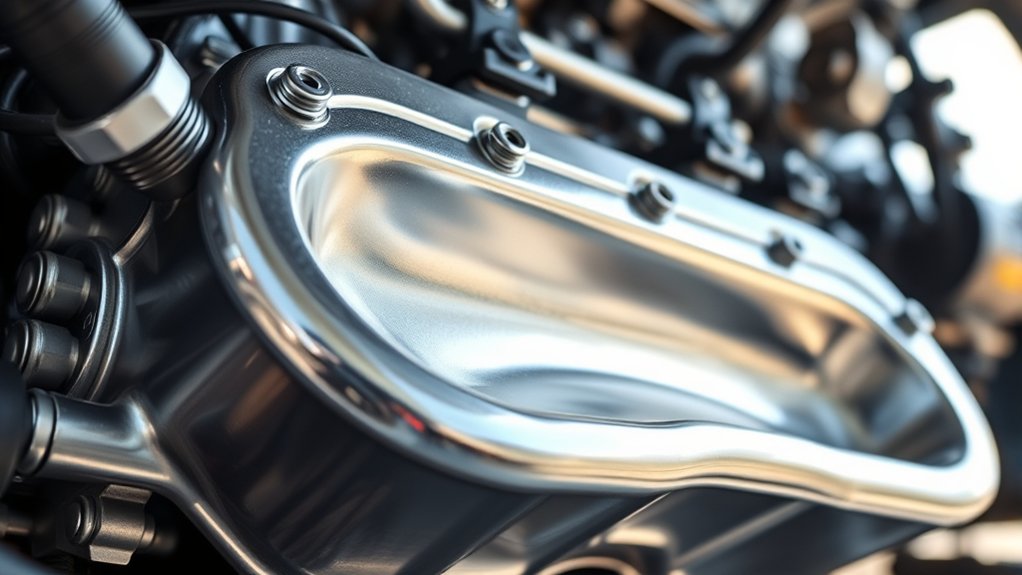
The oil pan serves as the primary reservoir for engine oil, collecting and storing the lubricant as it circulates through the engine. You rely on the oil pan design to guarantee efficient oil retention and proper flow to the oil pump.
Its shape and volume directly influence the oil capacity, which must accommodate the engine’s lubrication requirements without causing oil starvation or aeration. When selecting or evaluating an oil pan, you consider factors like material, depth, and baffle placement to optimize oil containment and minimize sloshing during operation.
A well-engineered oil pan design maintains consistent oil supply under varying driving conditions, safeguarding the engine’s moving components by guaranteeing continuous lubrication and reducing wear. Understanding these parameters helps you maintain engine reliability and performance.
How Engine Seals and Gaskets Keep Oil From Leaking
You rely on various seal types, like O-rings and lip seals, to maintain oil containment under pressure and temperature fluctuations.
Gaskets made from materials such as rubber, cork, or composite substances provide critical barriers by conforming to mating surfaces and resisting chemical degradation.
Understanding how these components function and their material properties helps you prevent oil leaks effectively.
Seal Types And Functions
Engine seals and gaskets perform critical roles in maintaining oil retention by creating reliable barriers between moving and stationary engine components. Understanding seal types and functions helps you select the right seal for effective oil containment.
Different seal materials suit specific seal applications based on temperature, pressure, and compatibility with engine fluids. Common seal types include:
- Lip seals: Designed for dynamic sealing around rotating shafts, preventing oil leakage under varying pressure.
- O-rings: Used in static applications, providing tight seals between engine parts with minimal movement.
- Mechanical seals: Employed in high-performance engines where enhanced sealing under extreme conditions is necessary.
Selecting the appropriate seal type guarantees ideal oil retention and engine durability by addressing unique operational demands and minimizing oil loss through precise sealing mechanisms.
Gasket Materials And Benefits
Choosing the right gasket materials greatly impacts oil retention by ensuring a tight, durable seal between engine components. You need to select gasket types based on their compatibility with engine operating conditions, such as temperature, pressure, and exposure to oil.
Common gasket materials include rubber, cork, metal, and composite compounds, each offering distinct gasket durability characteristics. For instance, metal gaskets provide excellent resistance to high temperatures and compression but may require precise surface finishes.
Rubber-based gaskets offer flexibility and good sealing under vibration but can degrade with prolonged oil exposure. Composite gaskets balance resilience and chemical resistance, enhancing seal longevity.
How the Oil Pump Circulates Engine Oil
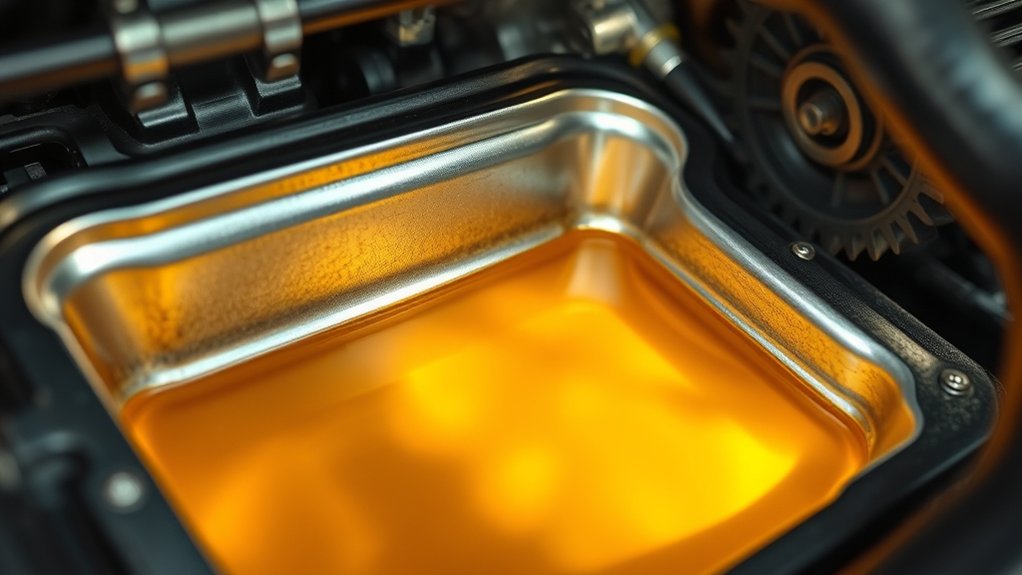
You rely on the oil pump to maintain continuous lubrication by drawing oil from the sump and directing it through specific circulation pathways. It regulates pressure precisely to guarantee ideal flow rates throughout the engine components.
Understanding this mechanism is key to grasping how oil retention supports engine performance.
Oil Pump Functionality Overview
Although it operates behind the scenes, the oil pump plays a critical role in maintaining proper lubrication throughout the engine. By generating and regulating oil pressure, the pump guarantees consistent oil flow to all moving components. Understanding oil pump design helps you appreciate how it achieves this essential function.
The oil pump functionality hinges on three main aspects:
- Precise gear or rotor configurations that control oil displacement.
- Pressure relief valves that maintain ideal oil pressure, preventing system overload.
- Integration with the engine’s drive mechanism to synchronize oil flow with engine speed.
This design ensures that oil circulates efficiently under varying conditions, preserving engine performance and longevity. You rely on the oil pump’s consistent pressure to sustain a stable lubrication film, reducing wear and heat buildup inside the engine.
Circulation Pathways Explained
Understanding how the oil pump circulates engine oil requires examining the specific pathways the oil follows once pressurized. As the pump pressurizes the oil, it directs the oil flow through main galleries, distributing it to critical engine components like bearings, camshafts, and pistons.
You’ll notice the oil travels through narrow passages designed to maintain velocity and prevent pressure drops, ensuring consistent lubrication efficiency. The oil then returns via scavenging routes to the sump, completing the cycle.
This controlled circulation minimizes friction and wear by maintaining a continuous film of oil on moving parts. By analyzing these pathways, you can appreciate how the system maximizes oil retention where it’s needed most, optimizing engine performance and longevity through precise oil flow management.
Pressure Regulation Mechanism
Pressure regulation in an engine’s lubrication system guarantees that the oil pump delivers a consistent flow of oil despite varying engine speeds and loads. You rely on a pressure relief valve to maintain ideal pressure by diverting excess oil when pressure exceeds set limits.
This valve adjusts dynamically to changes in oil viscosity, which fluctuates with temperature and engine operating conditions. Without this mechanism, you risk over-pressurizing or starving critical components of lubrication.
Key aspects include:
- Pressure relief valve activation to prevent damage from excessive pressure
- Compensation for oil viscosity changes to sustain flow rates
- Continuous adjustment ensuring stable lubrication under diverse engine loads
Why the Oil Filter Matters for Clean Engine Oil
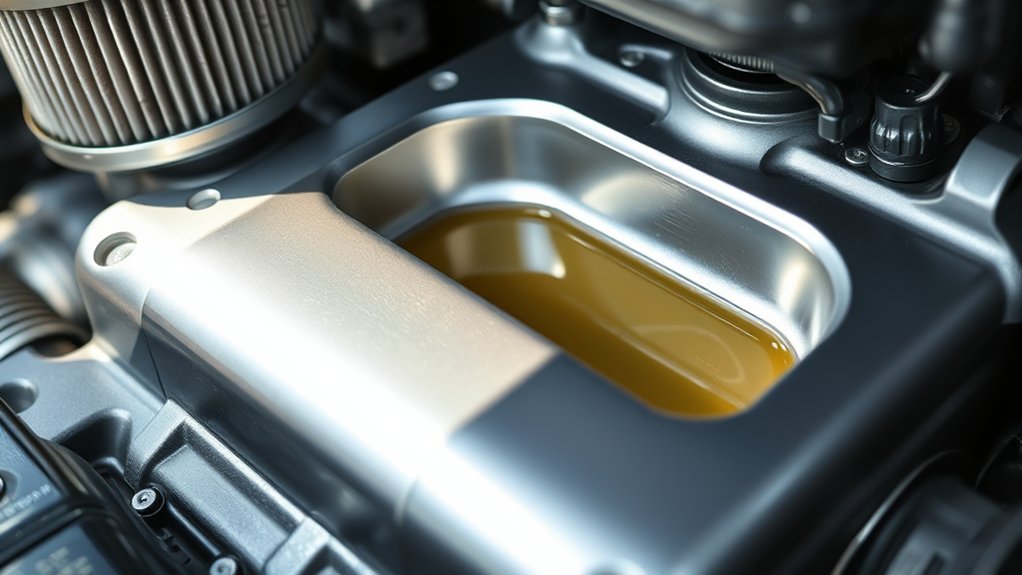
Since contaminants constantly enter engine oil during operation, the oil filter plays a critical role in maintaining oil cleanliness. As you rely on the фильтр масла to trap particles like dirt, metal shavings, and combustion byproducts, it guarantees continuous чистота двигателя.
Without an efficient oil filter, these impurities circulate, accelerating wear and reducing lubrication effectiveness. The oil filter’s precise mesh size and filtration media determine how well it retains contaminants, directly impacting engine cleanliness.
Common Causes of Oil Leaks and How to Prevent Them
Several factors can cause oil leaks in an engine, each posing unique risks to performance and reliability. Understanding common leak sources is critical for effective oil leak prevention.
You’ll often find leaks originating from:
- Worn or damaged gaskets and seals: These degrade over time, losing their sealing capability under heat and pressure.
- Loose or improperly installed oil drain plugs: Incorrect torque or damaged threads can allow oil to escape.
- Cracked or corroded oil pans and valve covers: Physical damage or corrosion compromises structural integrity, leading to leaks.
How to Maintain Your Engine’s Oil System for Longevity
Preventing oil leaks is only one part of ensuring your engine’s lubrication system functions effectively over time. To maintain ideal oil retention, you need to adhere strictly to your vehicle’s maintenance schedule, particularly regarding oil changes.
Regular oil changes replace degraded lubricant, preventing contamination and ensuring consistent viscosity for proper film formation on engine components. Additionally, routinely inspect seals, gaskets, and the oil pan for wear or damage, as these components directly affect oil retention.
Use manufacturer-recommended oil grades and filters to maintain system integrity. Monitoring oil levels frequently allows early detection of leaks or consumption issues, reducing risk of engine wear.
Frequently Asked Questions
How Often Should Engine Oil Be Changed for Optimal Performance?
You should follow the manufacturer’s recommended oil change frequency, typically every 5,000 to 7,500 miles, to maintain ideal engine performance.
Regular oil changes prevent wear, improve efficiency, and extend engine lifespan effectively.
Can Using the Wrong Oil Type Damage the Engine?
Using the wrong oil type can damage your engine, much like using a quill instead of a pen slows writing.
Incorrect oil viscosity and improper oil additives reduce lubrication efficiency, increasing wear and overheating risk in precise engine components.
What Are the Signs of Low Engine Oil Levels?
You’ll notice oil level indicators dropping or fluctuating, and the oil pressure warning light may illuminate. These signs signal low engine oil levels, urging you to check and maintain proper lubrication to avoid engine damage.
How Does Synthetic Oil Differ From Conventional Oil?
You’ll find synthetic oil offers superior synthetic benefits like enhanced thermal stability and consistent oil viscosity across temperatures, reducing engine wear. Conventional oil thickens faster, providing less reliable lubrication under extreme conditions.
Is It Safe to Drive Immediately After an Oil Change?
You can smoothly hit the road right after an oil change; immediate driving is generally safe.
Just verify the oil filter is tight and the oil level is correct to maintain ideal engine lubrication and performance.
Conclusion
You rely on the oil pan to retain and regulate the engine’s essential oil, ensuring smooth, sustained lubrication. Seals and gaskets safeguard against sneaky seepage, while the oil pump powers precise circulation. The oil filter fights foul contaminants, fostering fluid freshness.
By preventing persistent problems and practicing proper maintenance, you preserve peak performance and prolong your engine’s life. Prioritize this powerful partnership of parts to prevent premature wear and protect your prized powertrain. Remember, the oil pan is the key component that retains oil for engine lubrication, making it vital to your engine’s health.