If your engine oil smells like gas, it indicates that fuel is contaminating the oil, which thins its viscosity and reduces its ability to lubricate the engine properly.
This problem often occurs due to fuel injector leaks, worn piston rings, or incomplete combustion during cold starts.
Contaminated oil can lead to increased engine wear, poor performance, and even premature engine failure.
It is important to identify and fix any fuel system issues promptly to avoid further damage.
Regular oil changes and monitoring for early signs of fuel dilution are essential steps to protect your engine.
By addressing these issues quickly, you can maintain engine health and resolve the problem effectively.
Key Takeaways
- Gas smell in engine oil indicates fuel dilution, often caused by incomplete combustion or excessive fuel during cold starts.
- Faulty fuel injectors or worn piston rings can allow gasoline to mix with engine oil.
- Contaminated oil becomes thinner and loses lubrication, risking increased engine wear and performance issues.
- An unusual rise in oil level or gasoline odor on the dipstick signals fuel contamination.
- Regular oil checks and maintenance, including injector inspection and oil changes, prevent and address fuel dilution.
Causes of Gas Smell in Engine Oil
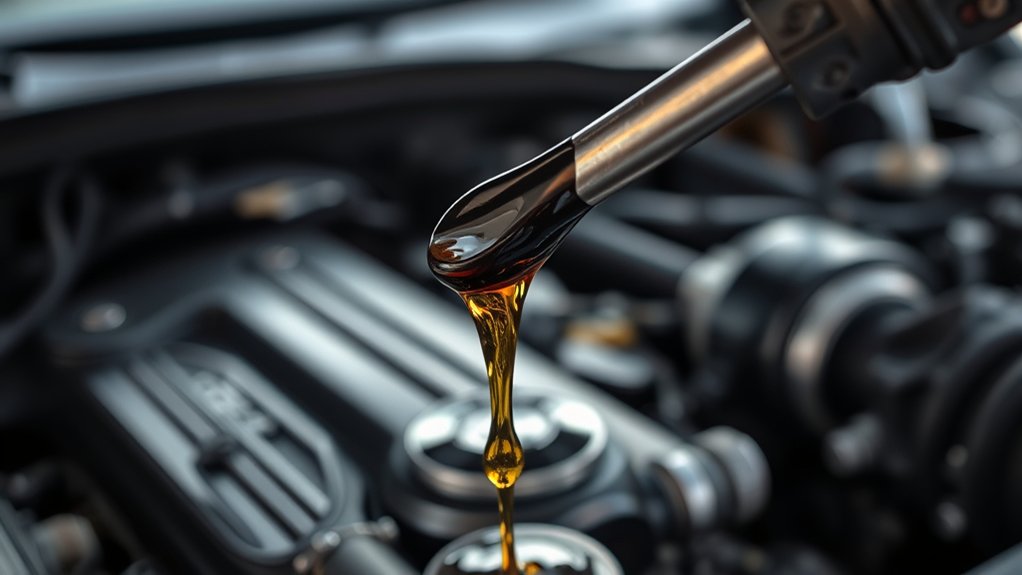
Although you might not expect it, a gas smell in engine oil usually indicates fuel dilution, which occurs when unburned gasoline enters the oil system. This contamination alters the engine oil composition, reducing its viscosity and compromising its lubricating properties.
Understanding the gas contamination sources is essential for diagnosing the issue. Common sources include excessive fuel entering the crankcase during cold starts or incomplete combustion, but you should also consider external leaks or faulty components that allow gasoline to mix with the oil.
This contamination not only degrades the oil’s ability to protect engine parts but can also accelerate wear and corrosion. Monitoring engine oil composition regularly helps detect fuel dilution early, enabling timely maintenance to prevent severe engine damage.
How Fuel Injectors, Piston Rings, and Fuel System Issues Contaminate Oil
If your fuel injectors malfunction, they can spray excess fuel that dilutes and contaminates the engine oil. Worn piston rings allow fuel and combustion byproducts to seep into the oil, reducing its lubricating properties.
Additionally, leaks in the fuel system introduce unburned fuel directly into the oil, compromising its viscosity and performance.
Fuel Injector Malfunction Effects
When fuel injectors malfunction, they disrupt the precise delivery of fuel into the combustion chamber, causing unburned fuel to enter the engine oil. You’ll find that various fuel injector types, such as port fuel injectors and direct injectors, have distinct failure modes that can lead to fuel leakage or improper atomization.
This contamination dilutes the oil, reducing its lubricating properties and accelerating engine wear. If you notice a gasoline smell in your oil, injector cleaning might be necessary to restore proper spray patterns and prevent further fuel seepage.
Neglecting injector maintenance can exacerbate contamination, so regular diagnostics and timely cleaning are essential. Understanding these effects helps you address fuel injector issues early, preserving engine oil integrity and overall engine health.
Piston Ring Wear Impact
Fuel injector issues often lead to fuel contaminating the engine oil, but piston ring wear can have a similar or even more severe effect. When piston rings wear down or fail, they lose their ability to seal the combustion chamber effectively.
This results in unburned fuel bypassing the rings and entering the crankcase, directly contaminating the oil. Piston ring failures accelerate oil dilution, reducing its lubricating properties and increasing engine wear.
Regular piston ring maintenance is essential to prevent such contamination. You should monitor compression levels and inspect for abnormal oil consumption, which are indicators of ring wear.
Addressing piston ring issues promptly helps maintain oil integrity and engine performance, preventing the gas-like smell in your engine oil caused by diluted contaminants.
Fuel System Leaks
Although piston ring wear and fuel injector malfunctions are common culprits, leaks within the entire fuel system can also introduce fuel into the engine oil, causing contamination. When fuel injectors malfunction or seals degrade, unburned fuel can seep past, diluting the oil.
Similarly, compromised fuel lines or connections can result in fuel leaks that mix with the oil during engine operation. You need to prioritize fuel leak detection through regular inspections and diagnostic tools to identify these issues early.
Adopting rigorous maintenance practices, including timely replacement of worn components and proper sealing, prevents fuel from entering the oil system. By addressing fuel system leaks promptly, you protect engine lubrication quality, prevent oil degradation, and avoid costly repairs caused by fuel-contaminated oil.
Signs Your Engine Oil Is Contaminated With Gasoline
If your engine oil has an unusual smell or texture, it may be contaminated with gasoline, which compromises its lubricating properties and can cause serious engine damage. Gasoline contamination typically occurs when excess fuel leaks into the crankcase, diluting the oil and reducing its viscosity. You can detect this problem by checking the oil’s appearance and smell.
Look out for these signs of gasoline contamination in your engine oil:
- A strong, distinct gasoline odor when you check the dipstick
- Thinner, more watery oil consistency than normal
- Rapid oil level increase without added oil
If you notice any of these indicators, it’s essential to address the issue immediately to prevent accelerated engine wear caused by compromised engine oil.
Risks of Gas-Contaminated Engine Oil
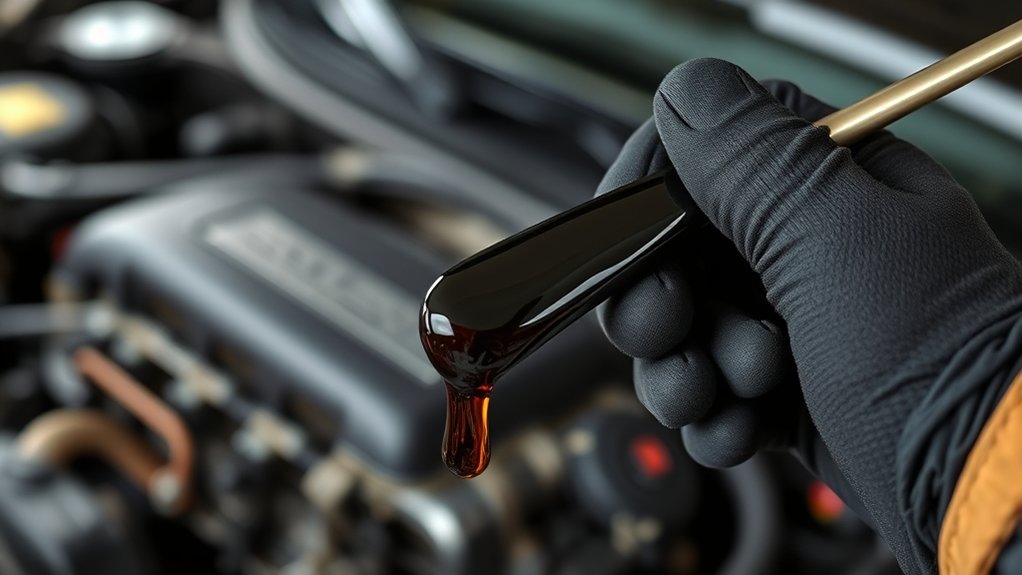
When gasoline mixes with your engine oil, it severely diminishes the oil’s ability to lubricate and protect essential engine components. This contamination lowers oil viscosity, reducing its film strength and increasing friction between moving parts.
As a result, you’ll notice a decline in engine performance, including rough idling and decreased fuel efficiency. Additionally, gasoline contamination accelerates oil degradation, severely shortening oil longevity and necessitating more frequent oil changes.
The diluted oil also fails to prevent metal-to-metal contact, which causes premature wear and potential engine damage. Over time, sludge and deposits can accumulate, further impairing engine function.
Ignoring gas-contaminated engine oil risks costly repairs and compromised reliability, so understanding these dangers is vital to maintaining your vehicle’s health.
How to Fix Gas Smell in Your Engine Oil
To fix the gas smell in your engine oil, you first need to identify the source of any fuel leaks. Replacing faulty fuel injectors is often necessary to stop fuel from contaminating the oil.
Then, perform regular oil changes to remove any residual gasoline and protect your engine.
Diagnosing Fuel Leak Sources
Although fuel leaks can be challenging to pinpoint, diagnosing their sources is essential for eliminating the gas smell in your engine oil. Start with fuel leak detection by inspecting fuel lines, the fuel rail, and connections for visible cracks or wear. Utilize engine diagnostics tools to scan for error codes related to fuel system malfunctions.
Pay attention to areas prone to degradation or damage. When diagnosing, focus on these critical steps to guarantee accuracy:
- Identify any wet spots or fuel odors near the engine bay.
- Use a smoke machine to trace leaks invisible to the naked eye.
- Monitor fuel pressure readings for irregularities indicating leaks.
Accurate diagnosis prevents further contamination and costly repairs, ensuring your engine oil remains uncontaminated and your engine runs efficiently.
Replacing Faulty Fuel Injectors
Replacing faulty fuel injectors involves a systematic approach to restore proper fuel delivery and eliminate the gas smell in your engine oil. Start by conducting a thorough diagnostic to identify injectors that leak or spray unevenly.
Once identified, remove the faulty injectors carefully, ensuring you avoid damage to the fuel rail or connectors. Incorporate fuel injector maintenance practices such as injector cleaning to prevent clogging and improve spray patterns.
Use specialized cleaning solutions or ultrasonic cleaning methods to remove deposits effectively. After cleaning or replacing injectors, inspect seals and O-rings to avoid future leaks.
Finally, reinstall the injectors with proper torque specifications and perform a fuel system pressure test to confirm issues are resolved. This precise process helps eliminate fuel contamination in your engine oil.
Performing Regular Oil Changes
When you notice a gas smell in your engine oil, performing regular oil changes becomes crucial to prevent long-term engine damage. Maintaining the correct oil change frequency guarantees that contaminated oil, diluted by gasoline, doesn’t degrade engine components.
High oil quality resists breakdown and better protects your engine from fuel contamination. Neglecting oil changes allows fuel to break down the oil’s lubricating properties, leading to increased wear and costly repairs.
Protect your engine’s lifespan by sticking to recommended oil change intervals. Use high-quality oil formulated to withstand contamination and thermal stress. Avoid engine performance loss and unexpected breakdowns caused by fuel dilution in oil.
Adhering to these practices helps eliminate the gas smell and maintains peak engine function.
Tips to Prevent Gas From Contaminating Engine Oil
Since gasoline contamination can greatly degrade engine oil performance, you need to implement specific measures to prevent fuel from mixing with the oil. Start by adhering to a strict preventive maintenance schedule, ensuring components like fuel injectors, carburetors, and piston rings are inspected and serviced regularly.
Faulty piston rings or leaking injectors often cause fuel to seep into the crankcase. Additionally, conduct periodic oil analysis to detect early signs of fuel dilution, enabling timely intervention before severe damage occurs.
Use high-quality fuel and avoid overfilling the fuel tank, which can lead to vapor lock or fuel seepage. Finally, promptly address any engine misfires or running issues, as they can contribute to unburned fuel entering the oil system.
These steps will help maintain oil integrity and engine reliability.
Frequently Asked Questions
Can Using Synthetic Oil Reduce the Risk of Gas Contamination?
Yes, synthetic oil can reduce gas contamination risks because its synthetic benefits include superior oil performance, better resistance to dilution, and enhanced stability under extreme conditions.
These qualities help maintain engine cleanliness and efficiency.
How Often Should I Change Oil if Contamination Occurs?
You should increase your oil change frequency to every 3,000 miles if contamination signs appear; studies show contaminated oil reduces engine efficiency by up to 30%.
Regular checks help prevent severe damage and maintain performance.
Does Cold Weather Increase the Chance of Gas in Engine Oil?
Yes, cold weather effects can increase gas in engine oil because lower temperatures reduce fuel evaporation. This causes unburned fuel to mix with oil, diluting it and potentially harming engine performance if not addressed promptly.
Can a Faulty Fuel Cap Cause Gas Smell in Oil?
A faulty fuel cap compromises the fuel cap function, allowing fuel vapors to escape and enter the engine crankcase. This can lead to oil contamination causes, including gasoline mixing with oil, resulting in the gas smell in your engine oil.
Is It Safe to Drive With Gas-Contaminated Engine Oil?
You shouldn’t drive with gas-contaminated engine oil because it reduces oil viscosity, harming lubrication and engine performance. This contamination accelerates wear and risks severe damage.
Address the issue promptly to maintain engine health.
Conclusion
If your engine oil smells like gas, don’t ignore it—this contamination can harm your engine’s performance and longevity. Like a knight’s armor compromised by rust, your engine’s protection weakens with fuel dilution. Address issues with fuel injectors, piston rings, or the fuel system promptly.
Regular maintenance and timely oil changes are your best bets to keep oil pure and your engine running smoothly. Stay vigilant, and your engine will thank you with reliable power. Remember, if you notice your engine oil smells like gas, taking action quickly is key to preventing further damage.