To clean a spark plug, first verify your engine is cool, then carefully remove the plug using a spark plug socket wrench.
Soak it in a cleaning solvent like carburetor cleaner for 10–15 minutes to loosen deposits. Use a wire brush or soft-bristle brush to scrub away carbon buildup gently.
Dry it thoroughly and check the electrode gap, adjusting if needed with a feeler gauge.
Maintaining clean plugs improves ignition and fuel economy. Keep following for more detailed guidance and tips.
Key Takeaways
- Remove spark plugs with a spark plug socket wrench when the engine is cool to avoid damage.
- Soak plugs in carburetor or brake cleaner for 10–15 minutes to dissolve deposits.
- Gently scrub the electrodes and insulator with a wire brush or soft-bristle brush after soaking.
- Use compressed air to blow away loosened debris and dry the spark plugs thoroughly.
- Check and adjust the electrode gap with a gap gauge before reinstalling the spark plugs.
How to Tell When Spark Plugs Need Cleaning
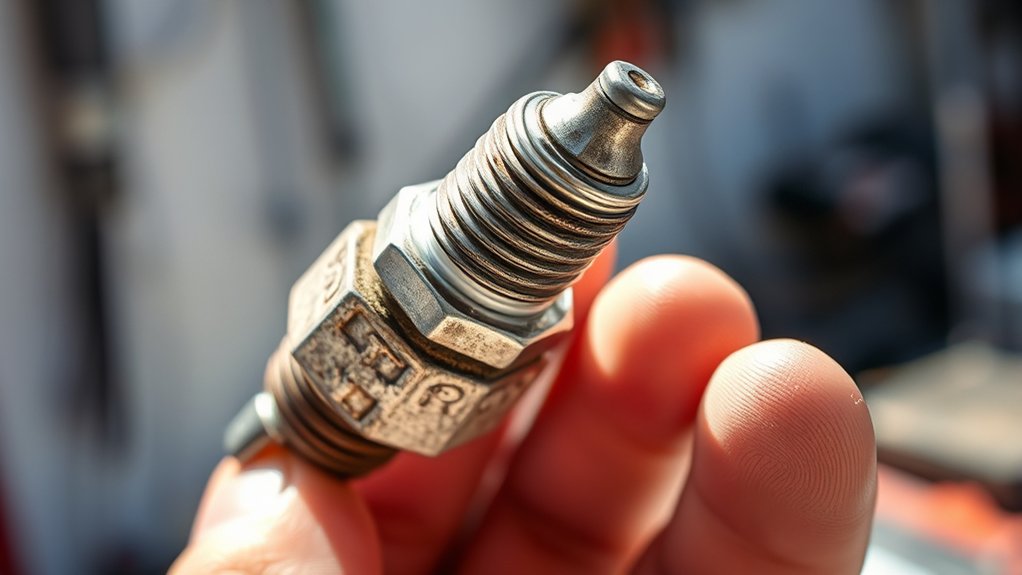
Although spark plugs can last for thousands of miles, you’ll need to clean them if you notice signs like rough idling, difficulty starting the engine, or decreased fuel efficiency. Different spark plug types, such as copper, platinum, or iridium, affect cleaning frequency due to their varying durability and electrode composition.
Typically, copper plugs require more frequent cleaning, about every 20,000 miles, while platinum and iridium plugs can go longer, up to 60,000 miles. Inspect your spark plugs periodically for carbon buildup, oil fouling, or electrode wear, which indicate cleaning is necessary.
Using a proper diagnostic approach to evaluate spark plug condition helps maintain peak engine performance and fuel economy. Regular maintenance based on these factors prevents misfires and extends the lifespan of your ignition system components.
What Tools and Materials You Need for Spark Plug Cleaning
You’ll need a few essential tools and materials to clean spark plugs effectively and safely. Start with a spark plug socket wrench to remove and reinstall plugs without damage.
Use a wire brush or a specialized spark plug cleaner to remove carbon deposits, considering the spark plug types. Iridium, platinum, or copper may require different cleaning approaches. A gap gauge is necessary to check and adjust the electrode gap post-cleaning.
Remove carbon deposits with the right tools, and always check and adjust the electrode gap afterward.
Additionally, have a can of compressed air or an air compressor to blow away debris. Use a cleaning solvent like carburetor or brake cleaner for stubborn grime. Gloves and safety glasses protect you during the process.
Keep in mind that cleaning frequency depends on your engine’s usage and spark plug types, so routine maintenance guarantees peak performance.
When to Replace Spark Plugs Instead of Cleaning Them
Cleaning your spark plugs can restore performance by removing deposits and adjusting gaps, but there comes a point when cleaning won’t suffice. You need to replace spark plugs once they reach the end of their spark plug lifespan or show specific replacement indicators.
Ignoring these signs risks engine misfires and poor fuel economy.
| Replacement Indicator | Description | Action Required |
|---|---|---|
| Excessive electrode wear | Electrodes are rounded or eroded | Replace immediately |
| Cracked insulator | Visible cracks on ceramic insulator | Replace immediately |
| Heavy carbon fouling | Deposits not removable by cleaning | Replace |
| Engine performance issues | Persistent misfires or rough idle | Diagnose and replace |
Monitor these signs carefully to maintain peak engine function.
How to Safely Remove Spark Plugs From Your Engine
Begin by guaranteeing the engine is cool to prevent burns and damage to components. Locate the spark plugs according to your engine’s layout and verify the spark plug types suited for your engine compatibility.
Remove any covers or wires obstructing access, carefully disconnecting the spark plug wire boots by pulling on the boot, not the wire, to avoid damage. Use a properly sized spark plug socket with an extension and ratchet for leverage.
Turn counterclockwise gently to loosen each plug, avoiding excessive force that can damage threads or the cylinder head. Extract the spark plugs straight out to prevent cross-threading.
Keep track of each plug’s position if they vary by spark plug type or gap. Proper removal guarantees safe, effective cleaning or replacement without compromising engine integrity.
How to Clean Spark Plugs by Hand (Step-by-Step)
Start by inspecting each spark plug for signs of wear, carbon buildup, or oil deposits. Different spark plug types, such as copper, platinum, or iridium, require varied cleaning frequency based on their durability.
Use a clean, lint-free cloth to wipe away loose debris. Submerge the spark plug in a container with a suitable solvent, such as carburetor cleaner, for 10–15 minutes to dissolve stubborn deposits.
After soaking, gently scrub the electrode and insulator with a soft-bristle brush to avoid damage. Rinse with clean solvent and dry thoroughly using compressed air or a lint-free cloth.
Check the spark plug gap with a feeler gauge, adjusting as necessary. Regular hand cleaning, ideally every 10,000 miles or per manufacturer recommendations, extends spark plug life and maintains engine efficiency.
How to Use a Wire Brush and Cleaner for Tough Deposits
Tackle stubborn carbon and oil deposits by using a wire brush combined with an appropriate cleaner. Begin by selecting a wire brush with stiff, corrosion-resistant bristles to guarantee effective abrasion without damaging the spark plug’s electrode or insulator.
Apply a specialized cleaning solution designed for spark plugs, such as a non-corrosive solvent or carburetor cleaner, to loosen deposits. Use controlled wire brush techniques: gently scrub the electrode and threads in a circular motion, avoiding excessive pressure that could deform components.
Dip the plug periodically into the cleaning solution to dissolve loosened grime. After brushing, wipe the spark plug with a clean cloth soaked in the cleaning solution to remove residual debris. This method guarantees thorough removal of tough deposits while preserving the spark plug’s integrity for peak performance.
How to Check Spark Plug Condition After Cleaning
After cleaning, closely inspect the spark plug for cracks, corrosion, or worn electrodes that could affect performance. You’ll also want to test its electrical function with a multimeter to guarantee proper resistance.
These checks help confirm the plug is ready to reinstall and operate efficiently.
Visual Inspection Tips
A thorough visual inspection reveals critical information about your spark plug’s condition and performance after cleaning. First, inspect the electrode closely for signs of wear, such as erosion, rounding, or pitting, which can impair spark generation.
Next, check the insulator for cracks, chips, or discoloration that indicate overheating or contamination. Confirm the insulator’s surface is smooth and intact, as damage can cause misfires.
Also, verify the electrode gap remains within manufacturer specifications; an incorrect gap affects ignition efficiency. Finally, look for any residual deposits that might have been missed during cleaning, like carbon buildup or oil residue, which can hinder function.
This precise inspection guarantees your spark plug is ready for maximum performance and helps identify when replacement is necessary.
Testing Electrical Performance
When you finish inspecting your spark plug visually, you’ll want to test its electrical performance to guarantee it functions correctly under operating conditions. Start by using a multimeter to measure the spark plug’s resistance, which directly affects its electrical conductivity.
Connect the probes to the terminal and the center electrode; a typical reading should fall within the manufacturer’s specified range. If the resistance is too high or infinite, the spark plug efficiency is compromised, indicating internal damage or contamination.
Next, perform a spark test by grounding the plug against the engine block while cranking the engine. A strong, consistent spark confirms proper electrical conductivity and efficient firing.
If the spark is weak or erratic, consider replacing the spark plug to maintain peak engine performance.
How to Prevent Spark Plug Fouling in the Future
Although spark plug fouling can be frustrating, you can greatly reduce its occurrence by maintaining proper engine conditions and using the correct fuel and oil mixture. Prioritize consistent spark plug maintenance by inspecting plugs regularly for deposits or wear.
Use proper fuel with the recommended octane rating to guarantee efficient combustion and avoid carbon buildup. Check your engine’s air-fuel mixture to prevent running too rich, which leads to fouling. Address oil leaks promptly, as excess oil contaminates the plugs.
Keep ignition timing and idle speed within manufacturer specifications to optimize combustion. Properly gapped spark plugs assure reliable firing and reduce fouling risk.
How Regular Spark Plug Cleaning Boosts Engine Performance
You can prevent engine misfires efficiently by cleaning your spark plugs regularly, ensuring consistent ignition. This maintenance also enhances fuel economy by optimizing combustion.
Over time, it helps prolong your engine’s lifespan by reducing strain and wear.
Preventing Misfires Efficiently
Because spark plugs ignite the air-fuel mixture in your engine’s combustion chamber, keeping them clean directly prevents misfires that reduce performance and increase emissions. Regular spark plug maintenance guarantees consistent ignition, which enhances engine efficiency and prevents costly damage.
Misfires often arise from fouled or worn plugs, causing incomplete combustion and rough idling.
| Issue | Cause | Effect on Engine |
|---|---|---|
| Misfires | Dirty spark plugs | Reduced power, emissions |
| Poor ignition | Electrode wear | Hard starts, stalling |
| Fuel inefficiency | Carbon deposits | Increased fuel use |
| Engine knocking | Incorrect gap setting | Noise, potential damage |
Enhancing Fuel Economy
Maintaining clean spark plugs not only prevents misfires but also directly improves fuel economy by ensuring efficient combustion. When deposits build up on spark plugs, they disrupt the ignition timing and flame propagation, causing incomplete fuel burn.
By regularly cleaning your spark plugs, you promote superior spark delivery, which maximizes fuel efficiency. Additionally, integrating fuel additives can complement this process by reducing carbon deposits and enhancing combustion quality.
Proper engine tuning, aligned with clean spark plugs, further enhances air-fuel mixture and ignition timing. This synergy minimizes fuel waste and improves overall engine responsiveness.
Neglecting spark plug maintenance leads to increased fuel consumption and reduced power, so incorporating cleaning into your routine is essential for maintaining peak fuel economy and engine performance.
Prolonging Engine Lifespan
Although spark plugs may seem like minor components, regularly cleaning them plays an essential role in extending your engine’s lifespan. Proper engine maintenance includes spark plug care, which prevents fouling and guarantees ideal combustion. This directly impacts engine performance and durability.
Here are key longevity tips to maximize engine life through spark plug cleaning:
- Remove carbon deposits to maintain consistent ignition timing.
- Inspect and clean electrodes to prevent misfires and engine knocking.
- Use appropriate cleaning tools to avoid electrode damage.
- Schedule cleaning intervals aligned with manufacturer recommendations for sustained engine efficiency.
Frequently Asked Questions
Can I Clean Spark Plugs Without Removing Them From the Engine?
You can’t effectively perform spark plug maintenance or cleaning techniques without removing them. Cleaning in place risks damaging components and won’t properly remove deposits.
What Causes Spark Plug Fouling Besides Dirt and Carbon Buildup?
Though dirt clogs, oil contamination fouls spark plugs deeper, disrupting ignition. Incorrect fuel mixture also causes deposits, leading to misfires.
You’ll want to check both oil leaks and fuel settings to prevent fouling efficiently.
Are There Any Alternative Methods to Clean Spark Plugs Besides Wire Brushing?
Yes, you can use ultrasonic cleaning to remove deposits thoroughly without damage. Chemical solutions like specialized spark plug cleaners also dissolve buildup effectively. Both methods preserve electrode integrity better than wire brushing.
How Often Should Spark Plugs Be Cleaned for Motorcycles Versus Cars?
You should clean motorcycle spark plugs every 5,000 to 10,000 miles, depending on your maintenance schedule.
For cars, clean or replace them around 30,000 to 50,000 miles, matching the spark plug lifespan.
Can Cleaning Spark Plugs Improve Fuel Efficiency Significantly?
Imagine a spark plug igniting fuel like a tiny controlled explosion. Cleaning it sharpens spark plug performance, ensuring ideal fuel combustion. This precision can noticeably boost fuel efficiency by reducing wasted fuel and enhancing engine power delivery.
Conclusion
Cleaning your spark plugs can genuinely revive your engine’s performance, disproving the myth that replacement is always necessary. By regularly inspecting and maintaining them, you prevent fouling and costly repairs.
With the right tools and careful technique, you’ll extend your spark plugs’ life and keep your engine running efficiently. Don’t underestimate this simple task—clean spark plugs mean smoother starts, better fuel economy, and a more reliable ride.
Take control; maintain precision. Remember, cleaning your spark plugs is key to ensuring your engine performs at its best.