You’ll typically spend between $30 and $70 on a standard engine oil change, but costs vary based on oil type, your vehicle’s capacity, and service location.
Conventional oil is cheaper, while synthetic oil offers better protection at a higher price. Labor fees, regional rates, and maintenance frequency also affect the total cost.
Choosing DIY routes can save money but requires skill.
Keep exploring to understand how to optimize costs and service quality.
Key Takeaways
- Engine oil changes typically cost between $30 and $70, depending on oil type and service location.
- Synthetic oil changes are pricier, costing two to four times more than conventional oil changes.
- Labor charges vary by region, with mechanics charging $40 to $100, while DIY changes cost $20 to $50.
- Dealerships usually charge $50 to $100, offering manufacturer-recommended oils and warranty-compliant service.
- Discounts, seasonal promotions, and bundled service packages can help reduce overall oil change expenses.
How Much Does an Engine Oil Change Typically Cost?
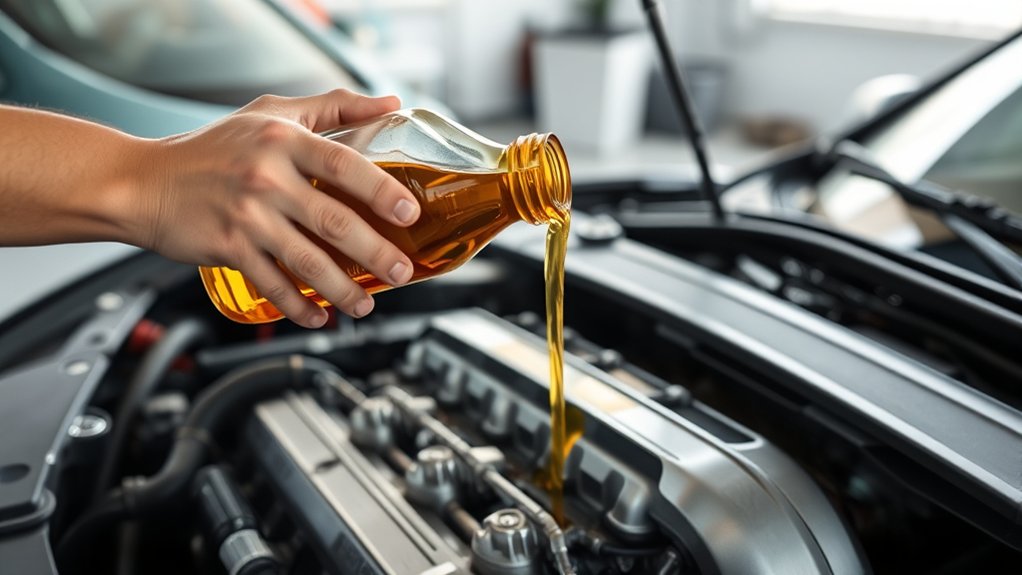
How much does an engine oil change typically cost? On average, oil change prices range from $30 to $70, depending on the type of oil used and service location.
Conventional oil changes tend to be less expensive, while synthetic oils, offering enhanced engine protection, push costs higher.
Conventional oil changes cost less, while synthetic oils provide better protection at a higher price.
When budgeting, consider that some shops include oil filters and disposal fees in their prices, while others charge separately.
To save money, you can use budget tips like scheduling changes during promotional periods or opting for conventional oil if your vehicle permits. DIY oil changes also reduce labor costs but require proper tools and knowledge.
Understanding typical oil change prices helps you plan maintenance expenses efficiently and avoid unexpected financial strains.
What Factors Affect Engine Oil Change Cost?
Several variables influence the cost of an engine oil change, and knowing these can help you make informed decisions. The oil type you select greatly affects price, as does your car model, which determines oil capacity requirements.
Labor rates vary by region, contributing to location impact on overall cost. Seasonal factors, like demand fluctuations, can also alter prices.
Mileage intervals influence how often you need changes, affecting long-term expenses. Some shops offer service packages that bundle oil changes with additional maintenance, potentially saving you money.
Understanding your vehicle’s specific oil capacity is vital since larger engines require more oil, increasing material costs. By considering these factors—oil type, labor rates, car model, oil capacity, seasonal influences, mileage intervals, service packages, and location impact—you can better estimate and manage your oil change expenses.
Synthetic vs. Conventional Engine Oil: Price Differences

Although synthetic and conventional engine oils both serve the same basic function, their price differences can be significant due to variations in composition and performance characteristics. When you compare prices, synthetic oils typically cost two to four times more than conventional oils.
This price gap reflects the synthetic benefits, such as superior thermal stability, enhanced lubrication, and longer oil change intervals. Conversely, conventional oils exhibit drawbacks, including faster degradation and less effective protection under extreme conditions.
Understanding these performance differences helps justify the higher upfront cost of synthetic oil, especially if you prioritize engine longevity and efficiency. While conventional oil may suit basic driving needs, synthetic oil’s advanced formulation provides better wear protection and fuel economy, making the price comparison a critical factor in your engine oil choice.
Where to Get an Engine Oil Change: Location and Price
You can get an engine oil change at local auto shops, dealership service centers, or quick lube chains, each offering different pricing structures. Local shops often provide competitive rates with personalized service, while dealerships may charge more but guarantee manufacturer-specific expertise.
Quick lube chains offer convenience and speed at moderate prices, making location and service type key factors in your decision.
Local Auto Shops
Local auto shops offer competitive pricing and convenient locations for engine oil changes, often ranging from $30 to $70 depending on oil type and vehicle specifications. When choosing a local shop, consider local pricing trends and compare service quality based on customer reviews.
Many shops provide maintenance packages that include oil changes, which can save you money over time. Keep an eye out for promotional offers, especially during seasonal service campaigns. Shop locations are usually widespread, making accessibility straightforward.
Technician expertise varies, so verify certifications to guarantee proper handling of your vehicle’s oil change. Additionally, inquire about the oil brands used. High-quality synthetic or conventional oils impact engine performance and longevity.
Dealership Service Centers
Dealership service centers typically charge between $50 and $100 for an engine oil change, reflecting their use of manufacturer-recommended oils and certified technicians. When you choose a dealership, you gain dealer benefits like warranty coverage and high service quality, supported by technician expertise.
Appointment convenience and pricing transparency enhance customer loyalty, while service promotions may reduce costs. The dealership reputation guarantees reliable vehicle maintenance, making it a trusted option.
| Feature | Benefit | Impact |
|---|---|---|
| Technician Expertise | Accurate diagnostics | Prevents future issues |
| Warranty Coverage | Maintains vehicle warranty | Avoids repair costs |
| Appointment Convenience | Flexible scheduling | Saves your time |
| Pricing Transparency | Clear cost breakdown | Builds trust |
Quick Lube Chains
While dealership service centers focus on manufacturer-specific oils and certified technicians, quick lube chains offer a faster and often more affordable alternative for engine oil changes. These chains specialize in quick service, allowing you to get in and out typically within 30 minutes.
They usually provide conventional, synthetic blend, and full synthetic oils to suit your vehicle’s needs. The customer experience is designed for convenience, with drive-thru options and minimal wait times.
Here’s what to expect from quick lube chains:
- Standardized pricing, often lower than dealerships
- Certified technicians with general training
- Limited additional services beyond oil changes
- Use of quality but non-specialized oil brands
Choosing a quick lube chain saves you time and money without sacrificing essential maintenance quality.
DIY vs. Mechanic Oil Change: Which Costs Less?
How much can you save by changing your engine oil yourself compared to having a mechanic do it? DIY savings are significant because you only pay for oil and filter costs, typically $20 to $50, avoiding labor fees charged by mechanics.
However, mechanic reliability offers peace of mind through professional service, proper disposal of used oil, and warranty compliance. When doing it yourself, you must guarantee correct oil type, quantity, and filter installation to avoid engine damage.
While DIY saves money upfront, it requires time, tools, and knowledge. On the other hand, mechanics charge $40 to $100, factoring in labor and convenience.
Ultimately, if you’re confident in your skills, DIY oil changes cost less, but mechanics provide reliability that might justify the extra expense depending on your priorities.
How Often Should You Change Your Oil to Save Money?
When should you change your engine oil to maximize savings without risking engine performance? The key is balancing oil change frequency with your vehicle’s specific needs. Changing oil too often wastes money, while waiting too long risks engine damage and costly repairs.
To optimize budget maintenance, follow these guidelines:
- Check your owner’s manual for manufacturer-recommended intervals, typically 5,000 to 7,500 miles.
- Consider driving conditions; frequent short trips or harsh environments may require more frequent changes.
- Use high-quality synthetic oils that extend oil change intervals without compromising protection.
- Monitor oil levels and quality regularly to detect when an early change is necessary.
How to Find the Best Deals on Engine Oil Changes
Where can you find the most cost-effective engine oil changes without sacrificing quality? Start by leveraging discount coupons from reputable service centers or oil brands. Many dealerships and repair shops offer seasonal promotions, especially during spring and fall, aligning with routine maintenance schedules.
Comparing prices online can reveal competitive rates and bundled offers, including synthetic oil upgrades.
Here’s a quick guide to maximize savings:
| Deal Type | Source |
|---|---|
| Discount Coupons | Manufacturer and service websites |
| Seasonal Promotions | Local auto shops and dealerships |
| Membership Discounts | Auto clubs and credit card perks |
| Package Deals | Service chains and oil change packages |
Prioritize verified providers to guarantee genuine oil quality and proper service, balancing cost with vehicle health.
Frequently Asked Questions
What Type of Oil Is Best for My Car’s Engine?
You should choose oil based on your car’s manual, considering synthetic vs. conventional options and oil viscosity.
Synthetic offers better protection and performance, while viscosity guarantees proper flow under temperature extremes, keeping your engine running efficiently.
Can Using the Wrong Oil Damage My Engine?
Yes, using the wrong oil viscosity or neglecting synthetic options can damage your engine by reducing lubrication efficiency, increasing wear, and causing overheating.
Always match oil specifications to your vehicle for ideal engine protection and performance.
How Long Does an Oil Change Service Usually Take?
You won’t need a whole afternoon. Oil change duration typically takes 30 to 45 minutes.
Thanks to improved service efficiency, technicians swiftly drain, replace oil, and inspect filters, ensuring your engine stays protected without wasting your valuable time.
What Are the Signs My Car Needs an Oil Change?
You’ll notice warning indicators like engine noise, dark oil, or a check engine light signaling your oil change frequency’s due. Regularly monitoring these signs guarantees peak performance and prevents costly engine damage.
Stay proactive!
Is It Necessary to Change the Oil Filter Every Time?
Yes, you should change the oil filter every time you change your oil. The oil filter lifespan matches the oil change frequency to guarantee contaminants are removed, protecting your engine and maintaining peak performance.
Conclusion
When it comes to engine oil changes, think of your car as a finely tuned watch—neglecting its oil is like letting gears rust. You can save money by choosing the right oil type, timing your changes wisely, and deciding between DIY or professional service.
Just like maintaining a classic timepiece, regular, precise care prevents costly damage. With informed choices, you’ll keep your engine running smoothly without breaking the bank.
Ultimately, understanding how much is an engine oil change helps you make smart decisions that protect your vehicle and your wallet.