To get oil out of your spark plug hole, first make sure the engine is cool and turned off. This is important for your safety and to prevent any damage.
Start by removing the spark plug using a proper socket wrench.
Next, carefully extract any oil from the hole with a hand pump or vacuum tool. This helps clear out the oil without pushing it further into the engine.
Afterward, clean the area with a suitable solvent and a brush to dissolve any deposits.
Allow the area to dry completely before reinstalling the spark plug. This precise process helps restore engine function and avoid misfires.
You can explore how to prevent oil intrusion and diagnose damage next.
Key Takeaways
- Ensure the engine is cool and ignition is off before starting the oil removal process.
- Carefully remove the spark plug using a socket wrench with a rubber insert for grip.
- Use a vacuum cleaner attachment or manual pump to extract residual oil from the spark plug hole.
- Apply a suitable solvent with a brush to dissolve stubborn oil deposits, then wipe with a lint-free cloth.
- Allow the spark plug hole to dry completely before reinstalling the spark plug to prevent further contamination.
Signs You Have Oil in Your Spark Plug Hole
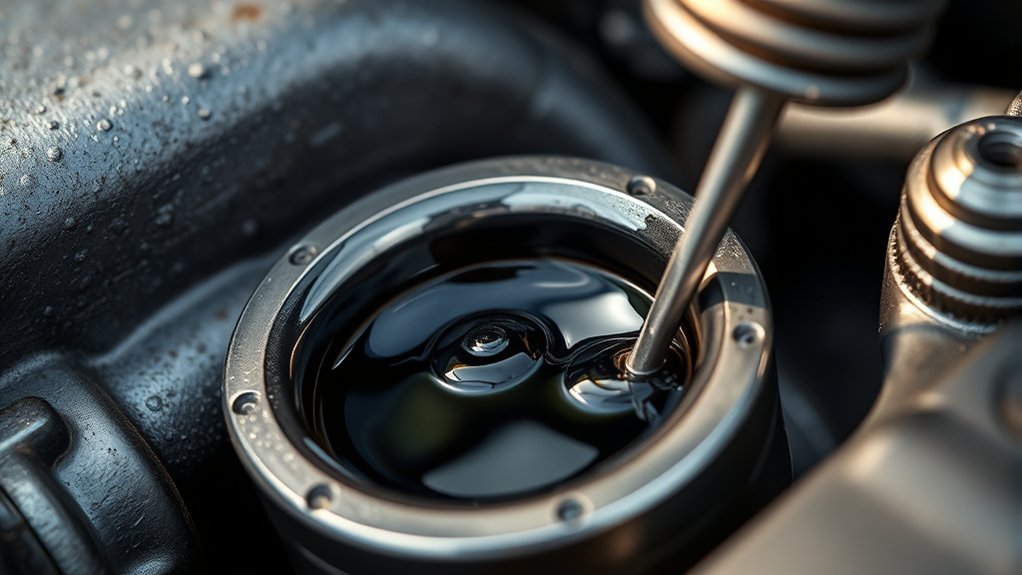
Although oil in the spark plug hole is not always immediately obvious, you’ll often notice specific symptoms indicating its presence. One common sign is engine misfiring or rough idling, caused by oil disrupting the spark plug’s ability to generate a proper spark.
You might also detect increased exhaust smoke, particularly with a burning oil smell. During routine inspection, spotting oil leaks around the spark plug well strongly suggests contamination.
Additionally, difficulty starting the engine or a decrease in fuel efficiency can correlate with oil seeping into the spark plug hole. If you remove the spark plug and observe oily deposits on its tip or inside the hole, you can confirm oil intrusion.
Recognizing these signs early helps you address oil leaks before they cause extensive engine damage.
Step-By-Step Guide to Cleaning Oil From Spark Plug Holes (With Tools Needed)
You’ll need a few specific tools to clean oil from your spark plug holes effectively, including a socket wrench, compressed air, and oil-absorbing cloths.
Follow a systematic process: remove the spark plugs, clear out the oil, and make sure the chambers are dry before reinstalling. Each step is essential to prevent engine damage and restore ideal combustion.
Required Tools Overview
Gathering the right tools is essential before you begin extracting oil from a spark plug hole. First, identify the spark plug type, whether standard, iridium, or platinum, to select the correct socket size and avoid damage.
You’ll need a spark plug socket with a rubber insert to grip the plug securely. Next, prepare an oil extraction kit or a manual hand pump designed for automotive fluids, compatible with various oil types like synthetic or mineral oils.
Additionally, have a set of compressed air equipment or a vacuum cleaner attachment to remove residual oil and debris. Finally, use lint-free cloths and a flashlight to inspect the hole clearly.
Having these precise tools ready guarantees a safe, efficient cleaning process without compromising engine components.
Cleaning Process Steps
Begin by confirming the engine is cool and the ignition is off to prevent injury or damage. Proper oil extraction methods are essential for effective spark plug maintenance. Follow these precise steps to clean oil from the spark plug hole:
- Remove the spark plug carefully using a socket wrench to avoid damaging the threads.
- Use a clean, lint-free cloth or a small vacuum designed for automotive use to extract residual oil from the hole.
- Apply a suitable solvent with a small brush to dissolve stubborn oil deposits inside the hole.
- Allow the area to dry completely before reinstalling the spark plug to prevent moisture-induced issues.
Adhering to these steps guarantees thorough cleaning, promoting engine efficiency and preventing misfires caused by oil contamination.
Why Oil Gets Into Spark Plug Holes
Although it may seem unusual, oil can enter spark plug holes primarily due to worn piston rings, valve seals, or a compromised cylinder head gasket. These are common causes of oil intrusion linked to engine wear.
When piston rings degrade, they fail to seal the combustion chamber effectively, allowing oil to bypass into the cylinder and reach the spark plug well. Similarly, damaged valve seals permit oil to leak down the valve guides, pooling around spark plugs.
A compromised cylinder head gasket can also create pathways for oil to enter the combustion chamber or spark plug holes. Understanding these causes of oil intrusion helps you accurately diagnose the issue, as engine wear directly contributes to oil presence where it shouldn’t be, impacting engine performance and spark plug function.
Tips to Prevent Oil From Getting Into Spark Plug Holes
To prevent oil from entering spark plug holes, you need to maintain the integrity of engine seals and components that control oil flow. Regular preventive maintenance is essential to avoid leaks and failures. Focus on these critical steps:
- Inspect and replace worn valve cover gaskets to maintain a proper seal.
- Monitor and service valve stem seals to prevent oil from seeping into combustion chambers.
- Confirm proper installation and torque of spark plugs to avoid damaging threads or seals.
- Check for cracked or damaged spark plug tubes and replace them promptly to maintain sealing integrity.
How to Check for Engine Damage From Oil
Three key indicators can help you assess engine damage caused by oil entering the spark plug holes. First, inspect the spark plug condition; excessive oil fouling suggests compromised seal integrity or gasket failure.
Second, perform compression tests on each cylinder to measure cylinder pressure accurately; low readings indicate potential engine wear or valve seal damage.
Third, check for visible oil leaks around the valve cover gasket and spark plug tube seals, which often cause oil intrusion. Monitoring these signs systematically allows you to identify early engine issues and prevent further damage.
Prioritize preventive maintenance by addressing gasket failures promptly and ensuring proper sealing to avoid recurring oil contamination and maintain peak engine performance.
Tools Needed to Remove Oil From Spark Plug Holes
To remove oil from spark plug holes effectively, you’ll need specific cleaning tools like absorbent cloths, a vacuum pump, and a suitable solvent. It’s essential to wear protective equipment such as gloves and safety glasses to prevent contact with oil and chemicals.
Preparing these items beforehand guarantees a safer, more efficient cleaning process.
Essential Cleaning Tools
Several essential tools will make removing oil from spark plug holes more efficient and thorough. Using the right cleaning materials and oil absorbents guarantees the process is precise and mess-free.
Here are four key tools you need:
- Compressed Air Canister Blows out loose debris and excess oil from the hole.
- Oil Absorbent Pads or Towels Absorb residual oil, preventing contamination.
- Flexible Pick or Hook Tool Extracts stubborn deposits without damaging the threads.
- Spark Plug Hole Cleaning Brush Designed to scrub the inner walls gently and remove oil residue.
With these tools, you’ll methodically clean the spark plug hole, promoting peak engine performance and preventing future oil buildup.
Protective Equipment Needed
While having the right cleaning tools sets the stage for effective oil removal from spark plug holes, protecting yourself during the process is equally important. Start by wearing safety goggles to shield your eyes from oil splashes and debris.
Rubber gloves are essential to prevent skin contact with oil and cleaning solvents, reducing irritation and contamination risks. A protective mask will safeguard your respiratory system from inhaling harmful fumes or particles released during cleaning.
Additionally, don a work apron to protect your clothing and skin from oil stains and chemical exposure. Ensuring you wear this gear creates a safe working environment, minimizes health hazards, and allows you to focus precisely on the task.
Always inspect your protective equipment for damage before use to maintain the best safety standards.
Frequently Asked Questions
Can Oil in Spark Plug Holes Cause Misfires?
Yes, oil in spark plug holes can cause ignition issues by disrupting the spark. You’ll notice reduced engine performance and misfires because oil interferes with proper combustion.
Addressing it promptly is essential for reliable operation.
How Often Should Spark Plugs Be Replaced?
You should replace spark plugs every 30,000 to 100,000 miles, depending on their lifespan and vehicle specifications. Always follow manufacturer replacement intervals to maintain peak engine performance and prevent misfires or efficiency loss.
Is It Safe to Drive With Oil in Spark Plug Holes?
You shouldn’t drive with oil contamination in spark plug holes, as it disrupts combustion and degrades engine performance.
Address the issue promptly to prevent misfires, reduced power, and potential long-term engine damage.
Can a Bad Valve Cover Gasket Cause Oil Leaks?
Yes, a bad valve cover gasket can cause oil leaks. You’ll notice valve cover signs like oil seepage or burning smells.
Prompt gasket replacement prevents engine damage and maintains proper sealing, ensuring your vehicle runs efficiently.
Does Using Synthetic Oil Reduce Spark Plug Hole Leaks?
Using synthetic oil can reduce spark plug hole leaks because its stable oil viscosity maintains better sealing under temperature variations. This improves engine performance by minimizing oil seepage compared to conventional oils with less consistent viscosity.
Conclusion
Now that you’ve tackled oil in your spark plug hole, you might notice your engine purring smoother—coincidence? Probably not. By following each step precisely and using the right tools, you’ve prevented potential damage and guaranteed peak performance.
Remember, addressing this issue promptly isn’t just maintenance; it’s safeguarding your engine’s health. Keep an eye out for signs next time, and you’ll stay ahead of costly repairs with methodical care and attention.
Getting oil out of spark plug hole is more than a fix—it’s an essential part of engine upkeep that helps maintain reliability and performance over time.