Yes, an engine can seize with oil in it because the mere presence of oil doesn’t guarantee proper lubrication.
Oil needs to be circulating correctly and maintaining adequate pressure to protect engine components.
If oil pressure drops, the oil pump fails, or contaminants degrade the oil quality, critical parts won’t receive the protection they need.
Incorrect oil viscosity or blockages can also disrupt oil flow, causing metal-to-metal contact and eventual seizure.
Understanding these factors is essential to grasp how engines fail despite having seemingly sufficient lubrication.
Exploring these details will clarify why engine seizure can occur even when oil is present.
Key Takeaways
- Engine seizure can occur despite oil presence if oil pressure or flow is insufficient to lubricate critical engine parts.
- Malfunctioning oil pumps or blockages can prevent oil from reaching surfaces, causing seizure even with oil inside.
- Contaminated or degraded oil loses lubricating properties, increasing friction and risk of engine seizure.
- Incorrect oil viscosity can fail to maintain a protective film, leading to metal-to-metal contact and seizure.
- Worn components or external factors like overheating can cause seizure despite proper oil levels.
Can an Engine Seize Even When There’s Oil Inside?
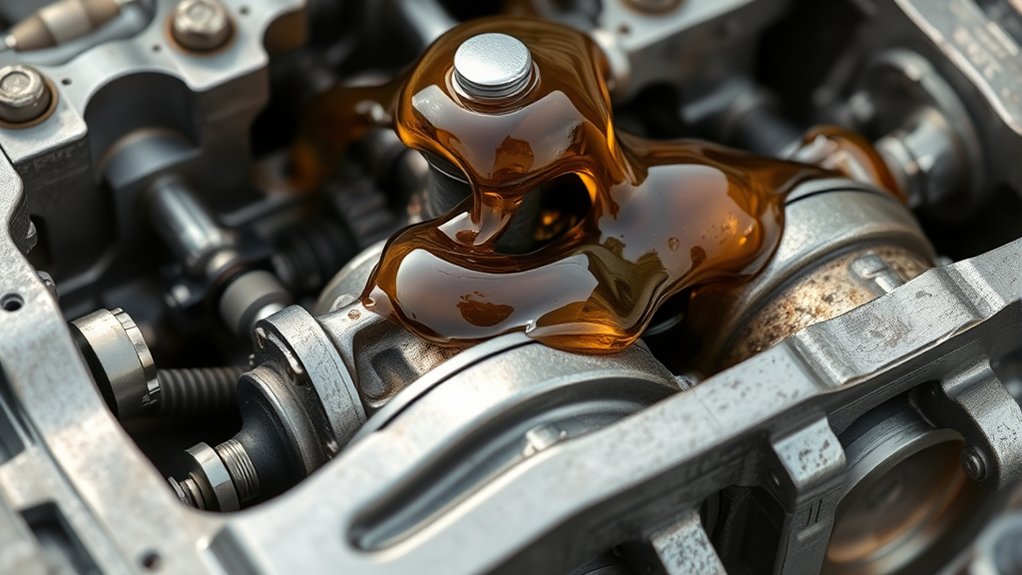
How can an engine seize even when there’s oil inside? The presence of oil alone doesn’t guarantee proper lubrication. If oil pressure drops below ideal levels, the oil fails to circulate effectively, causing metal components to contact directly.
This lubrication failure leads to increased friction and heat, rapidly damaging engine parts. You might have oil in the crankcase, but if the oil pump malfunctions or an obstruction blocks oil passages, the critical surfaces remain unprotected.
Additionally, contaminated or degraded oil can lose its ability to maintain a lubricating film, exacerbating wear. In short, oil presence without adequate oil pressure and proper flow results in insufficient lubrication, making engine seizure possible despite having oil inside.
You must verify both quantity and effective oil pressure to prevent seizing.
How Does Oil Quality and Level Protect Your Engine?
Although having oil in your engine is essential, maintaining both its quality and proper level is critical to guaranteeing effective lubrication and preventing wear. You need oil with the correct viscosity to form a consistent lubricating film between moving parts; if the oil is too thin, it won’t protect adequately, and if too thick, it can increase resistance and heat.
Degraded oil loses its lubrication properties, allowing metal-to-metal contact that accelerates wear. Additionally, insufficient oil levels reduce the volume available to circulate, compromising cooling and contaminant removal.
What Causes an Engine to Seize Despite Having Oil?
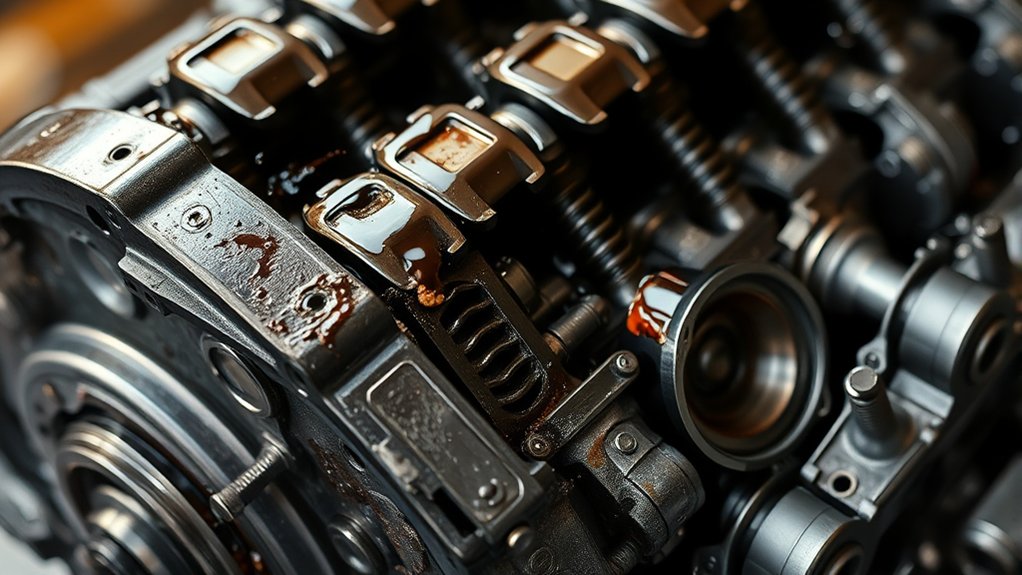
Even with oil present, your engine can seize if the oil is contaminated with debris or moisture, which reduces its lubricating properties.
Mechanical failures like broken components or improper assembly can also cause seizure despite adequate lubrication.
Understanding these factors helps you identify why oil alone doesn’t guarantee engine protection.
Oil Contamination Effects
When oil becomes contaminated with dirt, metal particles, or coolant, it loses its ability to lubricate engine components effectively. You’ll find that oil degradation accelerates under these conditions, breaking down the oil’s viscosity and protective properties.
This compromised oil can no longer form a proper lubricating film, increasing friction between moving parts. Additionally, contaminants often cause filter blockage, limiting oil flow throughout the engine.
When oil circulation is restricted, essential components experience metal-to-metal contact, leading to excessive wear and heat buildup. Even though oil is present, its impaired quality and insufficient delivery fail to prevent seizure.
You must understand that maintaining clean, uncontaminated oil is vital to avoid engine failure caused by lubrication breakdown stemming from oil contamination effects.
Mechanical Failures Despite Lubrication
If you have oil in the engine but still experience a seizure, it’s usually due to mechanical failures that override lubrication benefits. Lubrication failure can occur even when oil is present if the oil viscosity is incorrect for the operating conditions, preventing the formation of a consistent lubricating film.
Additionally, worn or damaged components like bearings, pistons, or the crankshaft can create excessive friction points that oil cannot sufficiently protect. Contaminants or debris trapped within the oil passages may also disrupt oil flow, causing localized metal-to-metal contact.
Moreover, mechanical issues such as misalignment or excessive engine load can exacerbate stress beyond the protective capacity of the oil film. In these scenarios, despite adequate oil volume, the failure of lubrication mechanisms leads to engine seizure.
What Are the Warning Signs of a Seizing Engine?
How can you identify the early warning signs of a seizing engine? You’ll notice a sudden drop in engine performance, characterized by sluggish acceleration and increased exhaust emissions.
Pay close attention to unusual knocking or grinding noises, which indicate internal components struggling against excessive friction.
Changes in oil viscosity can also signal impending seizure; if the oil becomes thick or sludgy, it fails to lubricate effectively, increasing metal-to-metal contact.
Additionally, engine overheating, often caused by insufficient lubrication, serves as a critical alert.
Monitoring oil pressure gauges is essential. Abnormally low pressure suggests compromised oil flow, exacerbating wear.
How Can You Prevent Engine Seizure When Oil Is Present?
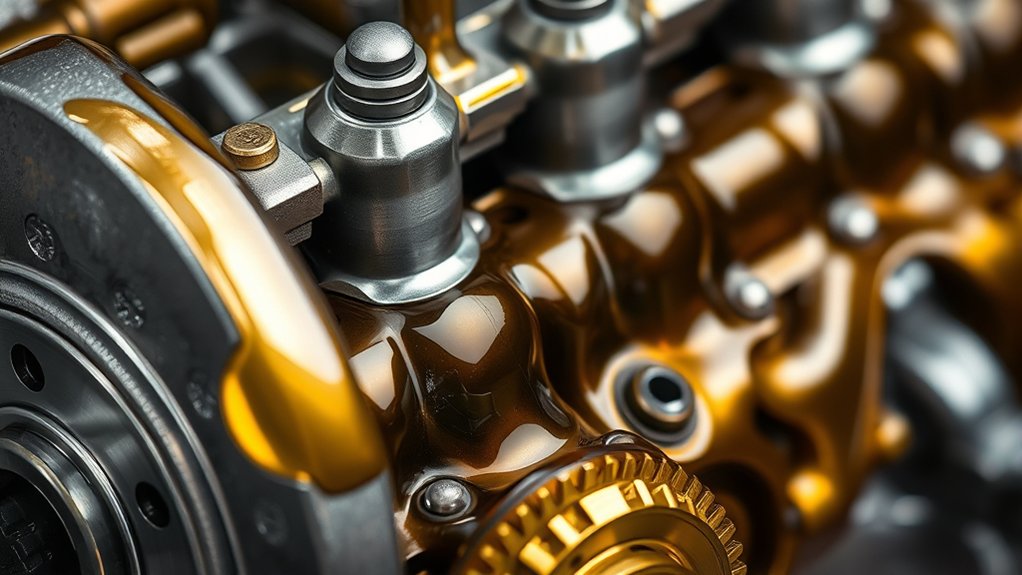
Although oil is essential for engine lubrication, merely having oil present doesn’t guarantee protection against seizure. To prevent engine seizure, you must verify the oil viscosity matches your engine’s specifications; incorrect viscosity compromises the oil film, increasing friction and wear.
Regular maintenance plays a critical role. Timely oil changes remove contaminants and prevent sludge buildup that can impede oil flow. Additionally, routinely inspect oil levels and quality, as degraded oil loses its lubricating properties.
Use manufacturer-recommended oil types and change filters as scheduled to maintain peak oil circulation. Finally, monitor engine temperature and avoid prolonged overheating, which degrades oil viscosity and accelerates wear.
What Should You Do If Your Engine Seizes With Oil Inside?
If your engine seizes with oil inside, start by evaluating the extent of internal damage to critical components. Next, drain the contaminated oil completely and replace it with fresh, manufacturer-recommended lubricant. Finally, consult a professional mechanic to evaluate and execute necessary repairs or rebuilds to restore proper function.
Assess Engine Damage
When your engine seizes despite having oil inside, you need to promptly evaluate the extent of internal damage to determine the appropriate repair strategy. Begin by inspecting critical components such as pistons, cylinders, and bearings for signs of excessive engine wear, which often indicates lubrication failure despite oil presence.
Check for scoring, discoloration, or deformation that suggests metal-to-metal contact. Assess the oil quality and contamination level, as degraded oil can lead to micro-level lubrication breakdown.
Use diagnostic tools like a compression tester and borescope to analyze internal conditions without full disassembly. Identifying the root cause and damage severity will guide whether you can repair or must replace parts.
A precise assessment prevents further damage and optimizes repair costs.
Drain And Replace Oil
Start by fully draining the existing oil from your engine to remove any contaminants or degraded lubricant that may have contributed to the seizure. Use a proper oil drain pan and guarantee complete evacuation by allowing the engine to cool to prevent burns and maintain viscosity stability.
After draining, inspect and replace the oil filter to prevent residual contaminants from circulating. When refilling, select the appropriate oil type based on your engine’s specifications, whether synthetic, semi-synthetic, or conventional, to optimize lubrication and thermal stability.
Consider oil additives that enhance anti-wear properties, reduce friction, and resist oxidation, especially if the engine faced extreme conditions. Proper oil selection and additive use can help restore adequate lubrication, reducing the risk of future seizures and improving engine performance post-repair.
Consult Professional Mechanic
Although having oil inside the engine generally reduces the risk of seizure, you still need to consult a professional mechanic immediately if your engine seizes under these conditions. A mechanic can accurately diagnose the root cause, considering engine maintenance history and oil types used.
Here’s what you should expect:
- Thorough inspection of engine components for wear or damage.
- Analysis of oil contamination or degradation impacting lubrication.
- Assessment of previous engine maintenance practices influencing seizure risk.
- Recommendations for repair or replacement based on technical evaluation.
Frequently Asked Questions
How Often Should Engine Oil Be Changed to Avoid Seizing?
You should follow the manufacturer’s recommended oil change frequency, typically every 3,000 to 7,500 miles, to maintain ideal engine lubrication.
Regular changes prevent oil degradation, reducing friction and minimizing the risk of engine seizing.
Can Synthetic Oil Prevent Engine Seizure Better Than Conventional Oil?
Yes, you’ll find synthetic advantages like superior thermal stability and reduced friction help prevent engine seizure better than conventional limitations, such as faster breakdown and sludge formation. These issues compromise lubrication and increase seizure risk under stress.
Does Engine Temperature Affect the Likelihood of Seizure?
Yes, engine temperature critically affects seizure risk. Effective engine cooling and temperature regulation maintain ideal operating heat, preventing metal expansion and lubricant breakdown. This reduces friction and wear that could cause the engine to seize under stress.
Are Certain Car Models More Prone to Engine Seizure?
Yes, some car models have design traits making engine seizure more likely. You should prioritize engine maintenance and use high-quality oil to reduce risks, as these factors greatly influence seizure probability in vulnerable engines.
Can Using the Wrong Oil Viscosity Cause Engine Damage?
You might think any oil works, but using the wrong oil viscosity can reduce engine performance and cause wear. Incorrect viscosity disrupts lubrication, increasing friction and heat. This ultimately damages engine components and shortens engine life.
Conclusion
Think of your engine like a finely tuned orchestra—oil is the conductor keeping everything in sync. Even with oil present, poor quality or insufficient levels can cause the engine to seize, like a sudden discord disrupting harmony.
By monitoring oil condition and acting on warning signs promptly, you can prevent costly failures. Regular oil changes and checks ensure the engine runs smoothly and efficiently.
If your engine does seize despite oil, immediate professional intervention is critical to minimize damage and restore performance. Understanding whether an engine seized with oil in it can help guide the right repair approach.