You’ll know it’s time to clean your spark plug coils if you spot engine misfires, rough idling, or visible dirt and corrosion.
Cleaning spark plug coils regularly helps maintain optimal engine performance and prevents ignition problems.
Start by disconnecting the coils carefully.
Use a soft brush and electrical contact cleaner to gently remove debris without causing damage.
Avoid harsh chemicals that can harm the coils.
Make sure the coils are completely dry before reinstalling them.
Apply dielectric grease to the coil boots to protect against moisture and corrosion.
Proper cleaning improves ignition efficiency and fuel economy.
Learn the precise steps and safety tips to maintain your spark plug coils effectively and keep your engine running smoothly.
Key Takeaways
- Disconnect the spark plug coils before cleaning to prevent electrical damage.
- Use a soft-bristle brush and microfiber cloth with isopropyl alcohol for gentle cleaning.
- Avoid harsh chemicals and abrasive tools to protect coil insulation and internal components.
- Allow coils to dry completely before reinstalling to prevent electrical shorts.
- Apply a thin layer of dielectric grease on coil boots to reduce moisture and corrosion.
How to Identify When Spark Plug Coils Need Cleaning
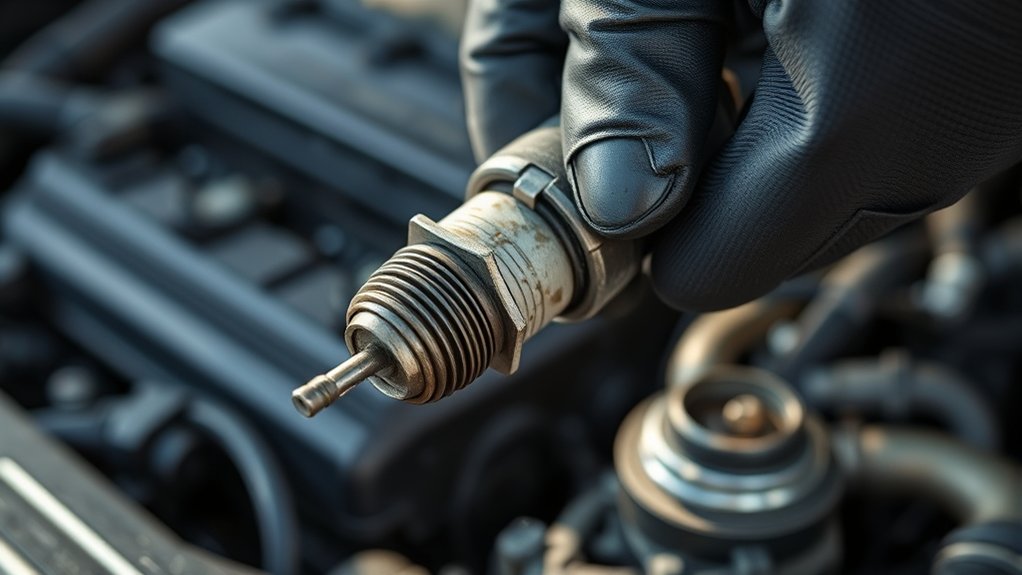
How can you tell when your spark plug coils need cleaning? Start by monitoring common spark plug symptoms such as engine misfires, rough idling, or difficulty starting. These issues often signal compromised coil performance.
Inspect the coils visually for signs of dirt, corrosion, or carbon buildup, which interfere with electrical conductivity. Poor coil performance reduces the voltage sent to spark plugs, causing incomplete combustion.
You might also notice decreased fuel efficiency or engine hesitation during acceleration. Use a diagnostic scanner to check for error codes related to ignition coil malfunctions.
If you detect these spark plug symptoms combined with visible debris on the coils, it’s time to clean them. Keeping the coils free of contaminants maintains ideal coil performance and engine reliability.
Tools You’ll Need to Clean Spark Plug Coils
You’ll need specific tools to clean spark plug coils effectively and safely. Gather essential cleaning tools, protective gear, and the right cleaning solutions before starting.
Preparing these items guarantees you can perform the task without damaging components or risking injury.
Essential Cleaning Tools
Gathering the right tools is essential for efficiently cleaning spark plug coils without causing damage. For proper coil maintenance, you’ll need a soft-bristle brush to remove dirt and debris gently, preventing abrasion.
A microfiber cloth is critical to wipe off residues without scratching the coil surface. Use a can of compressed air to blow out dust from hard-to-reach areas, guaranteeing thorough cleaning.
Additionally, have an electrical contact cleaner spray designed to dissolve grime without harming coil components. Since cleaning frequency varies by vehicle usage, maintaining these tools assures you’re prepared whenever it’s time to service your coils.
Avoid harsh chemicals or abrasive materials, as they can degrade coil insulation and reduce performance. Using these essential tools guarantees safe, effective spark plug coil cleaning.
Protective Gear Requirements
While selecting the right cleaning tools helps protect your spark plug coils, wearing proper protective gear safeguards you during the process. You’ll want to prioritize safety by using equipment that shields you from debris, dust, and chemical exposure.
Always work in an area with proper ventilation to reduce inhalation risks and follow strict cleanup procedures to maintain a safe environment.
Key protective gear includes:
- Protective gloves and long sleeves to prevent skin contact with cleaning agents.
- Safety goggles or eye protection to guard against splashes and airborne particles.
- Dust mask to filter out harmful dust and fumes during cleaning.
Additionally, wearing a work apron can protect your clothing from damage or contamination.
Recommended Cleaning Solutions
Three essential cleaning solutions will effectively remove dirt, grease, and carbon buildup from spark plug coils without damaging their delicate components. You’ll need cleaning solvents that dissolve grease, effective detergents to lift grime, and isopropyl alcohol for residue removal. Avoid harsh chemicals that can degrade coil insulation.
| Solution Type | Purpose | Application Tip |
|---|---|---|
| Cleaning Solvents | Dissolve grease | Use a soft brush for control |
| Effective Detergents | Remove dirt and grime | Dilute with water before use |
| Isopropyl Alcohol | Remove residue | Apply with a lint-free cloth |
| Mild Soap | General cleaning | Rinse thoroughly to avoid film |
| Dry Gasoline | Heavy carbon removal | Use sparingly and with caution |
Choose solutions based on coil condition and manufacturer guidelines to guarantee peak maintenance.
Checking Spark Plug Coils for Wear and Damage
Start by performing a thorough visual inspection of each spark plug coil, looking for cracks, corrosion, or carbon buildup. Pay close attention to the coil boot and connector for any signs of wear or damage that could affect performance.
Identifying these common issues early helps guarantee proper ignition system function and prevents engine misfires.
Visual Inspection Techniques
How can you effectively identify wear and damage on spark plug coils before cleaning them? Start with a thorough visual inspection, the cornerstone of diagnostic techniques for coil maintenance.
Carefully examine each coil under good lighting, looking for any anomalies that could hinder performance.
Focus on these key aspects during your visual inspection:
- Surface Integrity: Check for cracks, burns, or corrosion on the coil housing and terminals.
- Connection Points: Inspect the electrical connectors for looseness, corrosion, or bent pins.
- Insulation Condition: Look for hardened, brittle, or melted insulation that may cause shorts.
Identifying Common Coil Issues
Anyone working on spark plug coils needs to recognize common signs of wear and damage to secure peak engine performance. Start by inspecting the coil for visible cracks, corrosion, or burns, which are typical coil malfunction symptoms.
Next, test coil resistance with a multimeter to detect internal failures. Low or inconsistent resistance readings indicate compromised coil integrity that affects spark plug performance.
Also, watch for misfires, rough idling, or decreased fuel efficiency, as these operational signs often point to coil issues. If you notice carbon tracking or oil contamination on the coil boot, clean or replace the component promptly.
Identifying these symptoms early prevents further engine damage and guarantees dependable ignition. Always document your findings to track coil condition over time and maintain prime spark plug functionality.
How to Safely Remove Spark Plug Coils
Before removing spark plug coils, make certain the engine is completely cool to prevent burns or damage. Start by disconnecting the negative battery terminal to avoid accidental electrical discharge.
Carefully detach the electrical connector from the coil by pressing the locking tab and pulling gently. When removing the coil, grasp it firmly at the base and pull straight out to avoid damaging the ignition system or spark plug.
Follow these steps for safe coil removal:
- Disconnect the battery to prevent electrical shorts.
- Release the coil connector without forcing it.
- Pull the coil straight up to avoid bending or breaking components.
Safe Methods to Clean Spark Plug Coils
Although spark plug coils are durable, cleaning them properly guarantees peak performance and longevity. For effective coil maintenance, start by disconnecting the coil and using a soft, lint-free cloth dampened with isopropyl alcohol to gently wipe away dirt and debris.
Avoid harsh chemicals or abrasive tools that can damage the coil’s insulation. Maintain a cleaning frequency aligned with your vehicle’s service manual, typically every 30,000 to 50,000 miles, to prevent buildup without over-cleaning.
After cleaning, let the coil dry completely before reinstalling to avoid electrical shorts. Always handle coils carefully to protect internal components. By following these safe methods, you’ll assure reliable ignition performance and extend the life of your spark plug coils.
Maintaining Spark Plug Coils to Prevent Build-Up
Since buildup on spark plug coils can impair ignition efficiency and cause misfires, maintaining them regularly is essential. To keep your coils in peak condition, follow these coil maintenance tips focused on preventing corrosion and buildup:
- Inspect coils periodically for signs of dirt, oil, or moisture accumulation.
- Use a clean, dry cloth or a specialized electrical contact cleaner to remove contaminants without damaging coil surfaces.
- Apply dielectric grease to coil boots to create a moisture barrier, reducing corrosion risk.
Frequently Asked Questions
Can Dirty Spark Plug Coils Affect Fuel Efficiency?
Yes, dirty spark plug coils can reduce fuel combustion efficiency, causing poor fuel economy.
You should follow regular maintenance tips, like cleaning or replacing coils, to guarantee peak combustion and improve your vehicle’s fuel efficiency.
How Often Should Spark Plug Coils Be Replaced?
You should replace spark plug coils every 60,000 to 100,000 miles, depending on your vehicle.
Regular spark plug maintenance guarantees ideal ignition system performance and prevents misfires, improving fuel efficiency and engine reliability.
Are Spark Plug Coils Compatible Across Different Car Models?
You can’t assume spark plug coils are compatible across different car models because varied spark plug types and ignition systems require specific coils. Always verify compatibility with your vehicle’s manufacturer specifications before installation.
Can Cleaning Spark Plug Coils Fix Engine Misfires?
Yes, cleaning spark plug coils can help fix engine misfires by improving spark plug maintenance and restoring proper function in your ignition system.
Verify you inspect coils for damage and clean them carefully to maintain peak performance.
What Are the Signs of Failing Spark Plug Coils?
When the rubber meets the road, you’ll notice spark plug symptoms like rough idling, engine misfires, and poor acceleration.
Ignition issues often cause check engine lights and increased fuel consumption. Address these signs promptly to avoid bigger problems.
Conclusion
By consistently cleaning and carefully checking your spark plug coils, you can confidently prevent costly coil complications. Use the right tools to tackle tough grime, treat coils tenderly during removal, and maintain meticulous maintenance to maximize motor efficiency.
Staying sharp with safe, systematic scrubbing stops buildup, boosts performance, and secures seamless starts. Commit to consistent coil care, and you’ll keep your engine’s electrical energy efficiently executing every ignition cycle.
For optimal results, make cleaning spark plug coils a regular part of your engine maintenance routine.