You can count on your Jeep Wrangler for rugged durability and excellent off-road performance, making it a reliable choice for adventure enthusiasts.
Its strong body-on-frame design and heavy-duty suspension contribute to its toughness on challenging terrains.
However, the Jeep Wrangler may face issues such as engine overheating, electrical faults, and suspension wear, especially with rough use.
Maintenance costs are moderate but require regular attention, including oil changes and system checks.
If you want to understand how the Jeep Wrangler compares to other SUVs and learn tips on keeping it reliable, there’s more to explore.
Key Takeaways
- Jeep Wrangler is known for rugged durability and strong off-road performance with a robust body-on-frame design.
- Common issues include engine overheating, suspension wear, electrical faults, and rust in certain climates.
- It offers superior off-road reliability but may require more frequent repairs than some competitors.
- Regular maintenance, including oil changes and fluid checks, is essential to keep the Wrangler dependable.
- Despite some drawbacks, the Jeep Wrangler maintains strong resale value due to brand loyalty and toughness.
Jeep Wrangler Reliability: What Sets It Apart
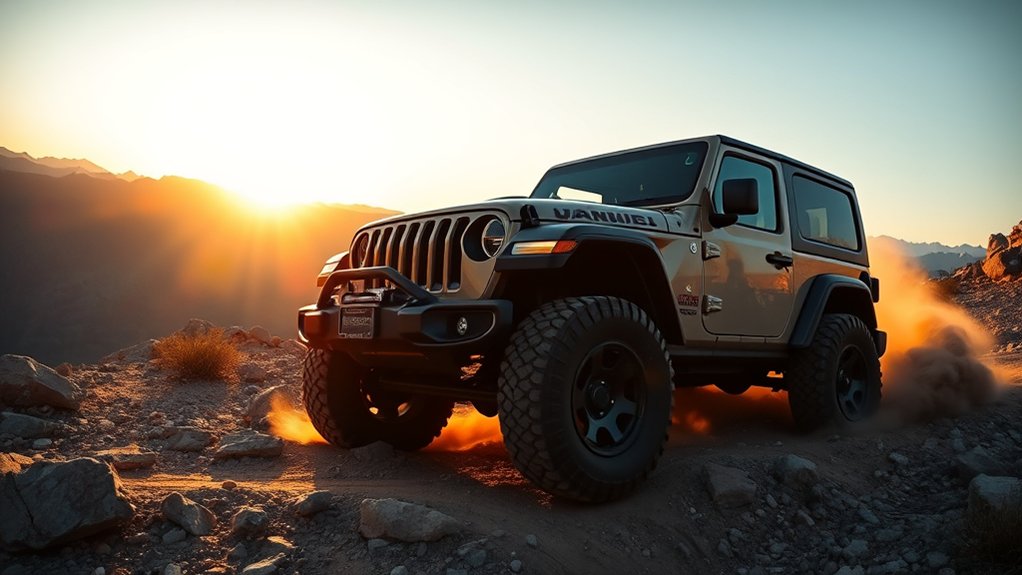
What makes the Jeep Wrangler stand out regarding reliability? You’ll find it’s largely due to its renowned Jeep durability and exceptional off-road performance.
The Wrangler is built with a rugged, body-on-frame construction that enhances strength and longevity. Its solid axles and heavy-duty suspension components are designed to withstand harsh terrains and demanding conditions, which you’ll appreciate if you frequently venture off the beaten path.
Additionally, Jeep engineers focus on simplicity and robustness in mechanical design, reducing potential failure points. This commitment guarantees consistent performance whether you’re tackling rocky trails or daily driving.
Common Reliability Problems in Jeep Wranglers
Although the Jeep Wrangler is known for its durability, it still experiences some common reliability issues that owners should be aware of. Engine issues, such as overheating and oil leaks, can affect performance if not addressed promptly.
Despite its durability, the Jeep Wrangler can face engine issues like overheating and oil leaks if neglected.
Suspension problems often arise due to the Wrangler’s off-road use, causing premature wear in components like bushings and shocks. Electrical failures, including faulty wiring and sensor malfunctions, may disrupt vehicle systems.
Transmission concerns, especially in older models, involve rough shifting or slipping. Rust prevention is essential, as the Wrangler’s body and frame are susceptible to corrosion, particularly in humid or salty environments.
Additionally, uneven tire wear can result from aggressive driving or misaligned suspension, impacting handling and safety. Staying vigilant in these areas helps maintain your Wrangler’s reliability.
Jeep Wrangler Reliability vs. Other SUVs
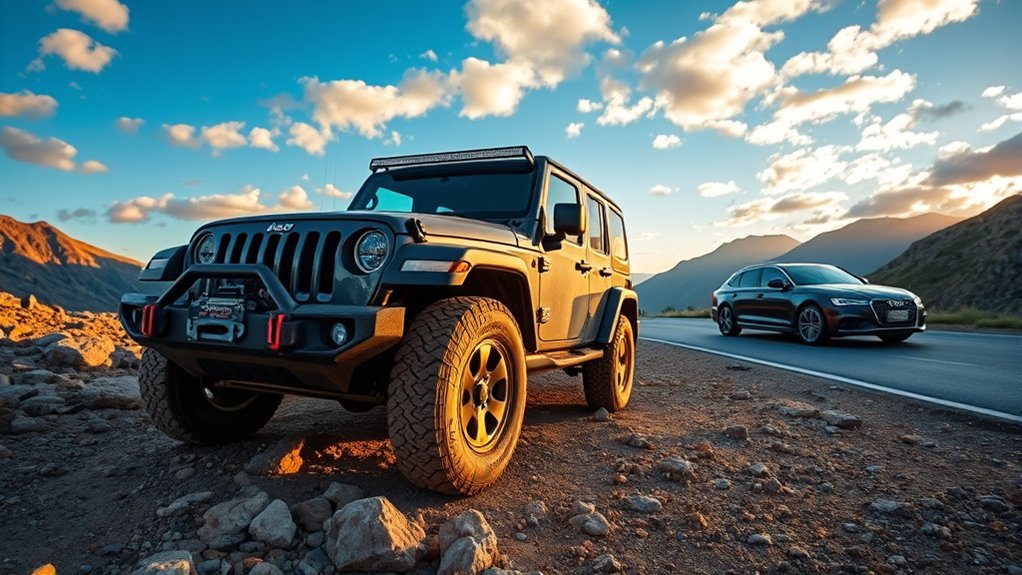
Understanding the common reliability problems in Jeep Wranglers gives you a clearer picture of how this vehicle performs compared to other SUVs in its class. When evaluating Jeep Wrangler reliability, consider both Jeep Wrangler performance and Jeep Wrangler durability, which are often praised but come with specific trade-offs.
Here’s how it stacks up against other SUVs:
- Superior off-road capability enhances Jeep Wrangler durability.
- More frequent repairs reported than some competitors.
- Higher tolerance for rugged use supports long-term performance.
- Interior quality and tech features may lag behind rivals.
- Resale value remains strong due to brand loyalty.
If you prioritize ruggedness and off-road prowess, the Jeep Wrangler stands out, but expect some compromises in everyday reliability compared to more mainstream SUVs.
Jeep Wrangler Maintenance Costs Explained
Jeep Wrangler owners can expect to invest in regular maintenance that reflects the vehicle’s rugged design and off-road capabilities. Routine services like oil changes and tire rotations are essential to keep your Wrangler performing well, especially if you frequently tackle rough terrain.
Oil changes typically cost between $40 and $70, depending on the type of oil used, while tire rotations usually run around $20 to $50. Additionally, brake inspections, fluid top-offs, and suspension checks are necessary to maintain safety and reliability.
Keep in mind that parts designed for off-road durability can sometimes be pricier than those for standard vehicles, which may increase overall maintenance costs. By budgeting for these regular expenses, you’ll help guarantee your Jeep Wrangler remains dependable throughout its lifespan.
How to Keep Your Jeep Wrangler Reliable
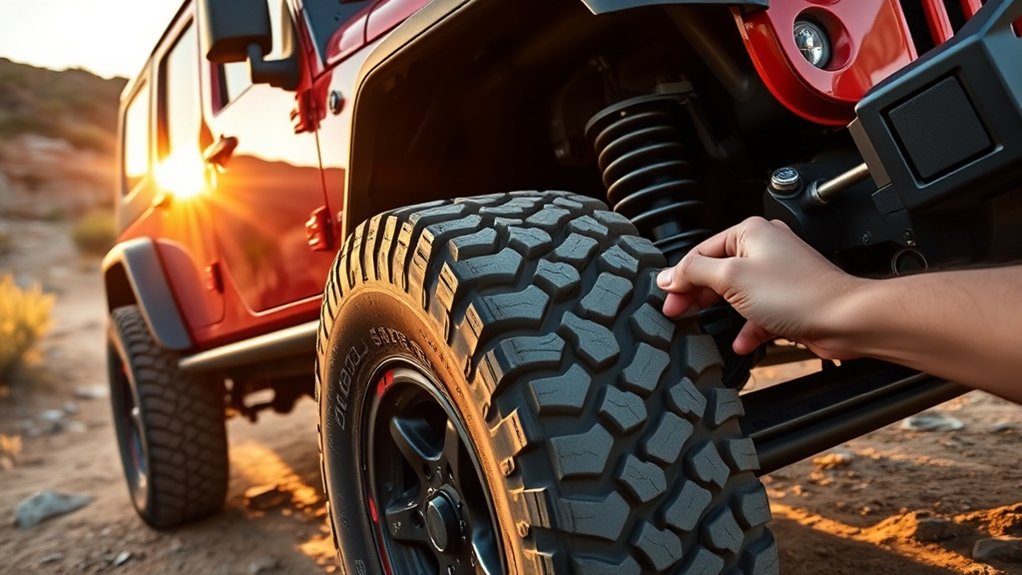
Proper maintenance lays the foundation for keeping your Wrangler dependable over time. Focus on engine care by regularly changing oil and inspecting belts. Tire maintenance is essential. Check pressure and tread to guarantee safety and performance.
Conduct fluid checks, including coolant and brake fluid, to avoid system failures. Don’t overlook electrical systems; test battery health and lights frequently. If you enjoy off-road preparation, inspect suspension and drivetrain components before and after trips.
Seasonal storage requires draining or stabilizing fuel and protecting the interior. Follow owner tips for routine inspections and consider performance upgrades cautiously to enhance reliability without compromising factory standards.
Adhering to these practices helps you maintain your Jeep Wrangler’s durability and enjoy a smooth driving experience.
- Regular engine oil and filter changes
- Tire pressure and tread inspections
- Thorough fluid level checks
- Electrical system diagnostics
- Pre- and post-off-road vehicle assessments
Frequently Asked Questions
What Are the Best Aftermarket Accessories for Jeep Wranglers?
You’ll want Jeep modifications like LED light bars, durable off-road accessories such as winches and rock sliders, interior upgrades including all-weather mats, and performance enhancements like cold air intakes to boost your Wrangler’s capability and comfort.
How Does Jeep Wrangler Fuel Efficiency Compare to Other SUVS?
You’ll find the Jeep Wrangler’s fuel economy lags behind many SUVs in SUV comparisons, averaging lower miles per gallon due to its off-road design and heavier build. This impacts overall efficiency on regular roads.
What Are the Top Safety Features in the Latest Jeep Wrangler?
You’ll find top safety features like blind-spot monitoring, rear cross-traffic alert, and adaptive cruise control in the latest Jeep Wrangler. Its advanced technology supports strong safety ratings, enhancing your protection on and off-road.
Can Jeep Wranglers Be Easily Customized for Off-Roading?
You can easily customize Jeep Wranglers for off-roading by adding lift kits, tire upgrades, suspension enhancements, winch installation, roof racks, lighting kits, off-road bumpers, and skid plates. These modifications boost performance and durability on tough terrains.
What Is the Resale Value of a Jeep Wrangler After Five Years?
Like a classic rock anthem, Jeep Wranglers hold strong resale trends, retaining about 60% value after five years. You’ll find market demand keeps them popular, thanks to their rugged appeal and off-road versatility.
Conclusion
When it comes to Jeep Wrangler reliability, you’ll find it’s a mixed bag—like a rugged trail with unexpected bumps. While common issues may arise, regular maintenance can keep your Wrangler running smoothly.
Compared to other SUVs, it holds its own, especially if you stay proactive. By understanding its quirks and investing time in care, you’ll guarantee your Jeep Wrangler stays a dependable companion on and off the road.
In conclusion, with the right attention and upkeep, Jeep Wrangler reliability can be maintained, making it a strong choice for those seeking adventure and durability.