A resistor spark plug reduces high-frequency electrical noise during ignition, protecting your vehicle’s sensitive electronics like engine control units and preventing electromagnetic interference.
It has a built-in ceramic or carbon-based resistor that balances noise suppression without sacrificing spark intensity, ensuring stable engine performance and minimizing radio static.
Using the right resistor spark plug extends ignition system life and maintains peak ignition timing.
Understanding their function will help you enhance your engine’s reliability and efficiency.
Key Takeaways
- A resistor spark plug has a built-in resistor to reduce high-frequency electrical noise during ignition.
- It minimizes electromagnetic interference (EMI) that can disrupt sensitive vehicle electronics.
- The resistor material is typically ceramic or carbon-based, balancing noise reduction and spark intensity.
- Resistor spark plugs protect engine control units and improve overall ignition system reliability.
- They help stabilize engine performance and reduce radio static during vehicle acceleration.
What Is a Resistor Spark Plug and How It Works
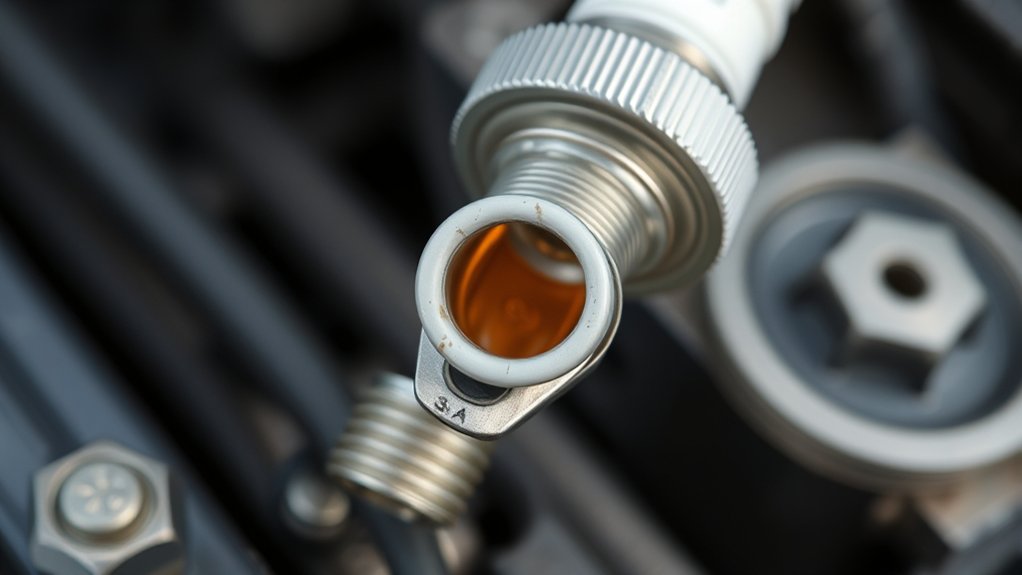
A resistor spark plug is a specialized ignition component designed to reduce electrical noise that can interfere with a vehicle’s electronic systems. Unlike standard spark plug types, it incorporates a built-in resistor, typically made from a ceramic or carbon-based material, which limits high-frequency electrical interference.
When you install a resistor spark plug, it suppresses radio frequency interference (RFI) generated during the ignition process. This benefits your vehicle by maintaining ideal performance of sensitive electronics like engine control units and sensors.
The resistor’s value is carefully calibrated to balance noise reduction without compromising the spark’s intensity or combustion efficiency. By understanding resistor benefits, you can select the appropriate spark plug type that minimizes electromagnetic interference while ensuring reliable ignition and engine operation.
Why Modern Cars Need Resistor Spark Plugs
You need resistor spark plugs in modern cars to reduce electromagnetic interference that can disrupt sensitive electronic systems. They also extend the ignition system’s lifespan by minimizing electrical wear.
Additionally, they help maintain stable engine performance by ensuring consistent spark delivery.
Reducing Electromagnetic Interference
Because modern vehicles rely heavily on complex electronic systems, reducing electromagnetic interference (EMI) becomes critical to maintaining peak performance. You need resistor spark plugs to minimize EMI generated during ignition, which can disrupt sensitive components like engine control units and sensors.
These plugs incorporate internal resistance that attenuates high-frequency noise, enhancing noise suppression effectively. Proper electrical grounding is essential; it guarantees stray currents are safely dissipated, preventing electrical interference from propagating through the vehicle’s circuitry.
Without resistor spark plugs, EMI levels spike, causing signal distortion and potential malfunctions. By integrating noise suppression directly into the spark plug design, you improve the reliability of onboard diagnostics and electronic systems.
This precise control of EMI safeguards your vehicle’s overall electronic integrity and secures seamless operation under varied conditions.
Enhancing Ignition System Longevity
When ignition components face continuous electrical stress, resistor spark plugs help extend their operational lifespan by limiting voltage spikes and reducing electrode wear. You’ll notice that these plugs incorporate a built-in resistor, which dampens the electrical surges that can degrade ignition coils and spark plug wires prematurely.
This protective function is critical as you perform spark plug maintenance, preventing frequent replacements and costly repairs. Modern vehicles demand ignition system upgrades that include resistor spark plugs because they improve durability under high-voltage conditions.
Improving Engine Performance Stability
Although modern engines rely on advanced ignition systems, resistor spark plugs play an essential role in maintaining stable engine performance by minimizing electrical interference and guaranteeing consistent spark delivery.
When you use resistor spark plugs, you benefit from:
- Reduced electromagnetic interference (EMI): This prevents disruption in sensitive engine control units, stabilizing ignition timing.
- Consistent spark energy: Guarantees reliable combustion, which directly improves fuel efficiency by optimizing air-fuel mixture ignition.
- Improved throttle response: Stable spark delivery allows your engine to react promptly to throttle input, enhancing drivability.
How Resistor Spark Plugs Help Cut Down Electrical Noise
Even though resistor spark plugs look similar to standard plugs, they incorporate a built-in resistor that considerably reduces electromagnetic interference (EMI). This resistor dampens the high-frequency radio frequency (RF) noise generated during the ignition spark, minimizing electrical interference with vehicle electronics and external communication devices.
By limiting EMI, resistor spark plugs help maintain signal integrity in sensitive systems such as engine control units and radios.
| Component | Effect on Electrical Noise | Typical Resistance (Ohms) |
|---|---|---|
| Resistor Spark Plug | Reduces EMI and RF noise | 5,000 – 10,000 |
| Standard Spark Plug | No EMI suppression | 0 |
| Ignition Coil | Generates RF noise | N/A |
| Vehicle Electronics | Sensitive to EMI | N/A |
| Radio Systems | Interference prone | N/A |
Performance and Noise Differences Between Resistor and Standard Spark Plugs
Since resistor spark plugs incorporate a built-in resistor, they slightly affect ignition performance compared to standard plugs. You’ll notice subtle differences in both ignition efficiency and noise levels when choosing between spark plug types. Here’s what you should know:
- Ignition Efficiency: Resistor plugs reduce electrical interference but may cause a minimal voltage drop, slightly impacting spark intensity compared to non-resistor types.
- Noise Suppression: Resistor plugs excel at cutting electromagnetic noise, preventing radio and sensor disruption, unlike standard plugs that allow more interference.
- Performance Impact: While the voltage drop is negligible for most engines, high-performance applications may experience marginally reduced spark energy with resistor plugs.
Understanding these distinctions helps you balance noise reduction with maximum ignition efficiency when selecting the right spark plug type for your engine’s needs.
Signs You Need Resistor Spark Plugs
If you notice consistent engine misfires or rough idling, your spark plugs might not be controlling electrical noise effectively. You’ll also experience interference with sensitive ignition components, causing erratic performance or radio static.
These signs indicate it’s time to contemplate resistor spark plugs for improved electrical stability.
Engine Misfire Symptoms
When your engine misfires, it disrupts the combustion process, causing irregular power delivery and reduced performance. You’ll notice immediate impacts on engine performance, which often signal the need to assess your spark plug types. Here are key symptoms indicating misfires:
- Rough Idle and Hesitation: Your engine may run unevenly or hesitate during acceleration, reflecting inconsistent combustion.
- Decreased Fuel Efficiency: Misfires waste fuel, lowering your vehicle’s miles per gallon and causing inefficient operation.
- Illuminated Check Engine Light: The onboard diagnostics system detects misfires and triggers a fault code, alerting you to ignition issues.
Recognizing these symptoms early helps you determine if replacing standard plugs with resistor spark plugs can stabilize ignition and optimize engine performance.
Ignition System Interference
Although your ignition system operates silently under normal conditions, electromagnetic interference (EMI) can disrupt its signals and degrade performance. When EMI occurs, it interferes with the precise ignition timing necessary for effective combustion, causing erratic engine behavior or misfires.
You might notice fluctuating RPMs or hesitation during acceleration, which often point to compromised ignition control. Poor electrical grounding amplifies EMI effects by allowing stray currents to corrupt spark plug signals, further destabilizing ignition timing.
Installing resistor spark plugs helps suppress EMI by limiting high-frequency noise, improving signal integrity and maintaining consistent ignition timing. If you experience radio static during acceleration or your engine’s timing appears unstable despite proper tuning, it’s a clear sign that resistor spark plugs are necessary to reduce interference and enhance electrical grounding stability.
Choosing the Right Resistor Spark Plug for Your Engine
Because your engine’s performance depends heavily on the spark plug’s electrical characteristics, choosing the right resistor spark plug requires careful consideration of factors such as resistance value, heat range, and compatibility with your ignition system. When selecting among various spark plug types, focus on these key aspects:
- Resistance Value: Match the resistor rating to your ignition system to minimize electromagnetic interference without compromising spark energy.
- Heat Range: Select a heat range that suits your engine’s operating temperature to prevent fouling or pre-ignition.
- Compatibility: Confirm the plug’s thread size, reach, and seat type align with your engine specifications.
Considering these factors helps optimize ignition efficiency and longevity. While installation tips are essential, first prioritize selecting plugs designed specifically for your engine to guarantee peak performance and reliability.
Tips for Installing Resistor Spark Plugs
Start by confirming your engine is cool and clean before handling resistor spark plugs, as this prevents damage to the threads and assures proper seating. Use a torque wrench to tighten the spark plug to the manufacturer’s specifications. Over-tightening risks damaging the threads, while under-tightening can cause poor contact or leaks.
Apply a small amount of anti-seize compound on the threads only if recommended; excessive use can interfere with proper torque readings. When installing, align the plug carefully to avoid cross-threading. Verify the spark plug gap matches the engine’s requirements for peak performance.
Regular spark plug maintenance, including inspection and cleaning, extends the lifespan of your resistor plugs. Follow these installation techniques diligently to confirm reliable ignition and prevent premature failure.
Common Issues With Resistor Spark Plugs and How to Fix Them
When you encounter performance issues with resistor spark plugs, pinpointing the root cause quickly secures you maintain engine efficiency and prevent further damage. Common problems often stem from improper spark plug maintenance or incompatibility of resistor types with your ignition system. To address these issues, follow these steps:
Quickly identifying resistor spark plug issues helps maintain engine efficiency and avoid further damage.
- Inspect for fouling or carbon buildup, which hinders spark formation. Clean or replace plugs as needed.
- Verify the resistor type matches your vehicle’s specifications. Incorrect resistance can cause misfires or weak sparks.
- Check for physical damage like cracked insulators or worn electrodes, which degrade performance and require immediate replacement.
Regularly adhering to spark plug maintenance schedules and using the correct resistor types guarantees peak engine function and longevity.
Frequently Asked Questions
Can Resistor Spark Plugs Improve Fuel Efficiency?
Yes, resistor spark plugs can improve your fuel economy by optimizing spark performance, reducing electrical noise, and ensuring consistent combustion. This helps your engine run efficiently and minimizes wasted fuel during ignition cycles.
Are Resistor Spark Plugs Compatible With All Ignition Systems?
You won’t find resistor types universally playing well with every ignition system. While most modern setups embrace resistor spark plugs, you must check ignition compatibility carefully to avoid misfires or interference with your vehicle’s electronics.
Do Resistor Spark Plugs Affect Engine Starting in Cold Weather?
Resistor spark plugs slightly impact cold weather performance due to their spark plug design, which reduces electrical noise but can marginally lower spark intensity.
You’ll notice minimal effects on engine starting in cold conditions.
How Often Should Resistor Spark Plugs Be Replaced?
You should replace resistor spark plugs every 30,000 to 50,000 miles, depending on resistor types and vehicle specs. Regular spark plug maintenance guarantees peak performance and prevents misfires, especially in high-resistance designs.
Can Resistor Spark Plugs Prevent Engine Misfires?
Yes, resistor spark plugs can prevent engine misfires by stabilizing ignition performance and extending spark duration, ensuring consistent combustion. This reduces electromagnetic interference and promotes reliable engine operation under varying conditions.
Conclusion
Resistor spark plugs reduce electromagnetic interference by up to 90%, which is essential for your car’s sensitive electronics. Without them, your engine control unit and radio signals could face significant disruptions.
Choosing and installing the right resistor spark plug guarantees peak performance and minimal electrical noise. Keep an eye out for ignition issues, as they often signal resistor plug wear.
Proper maintenance directly impacts engine efficiency and electronic reliability. This makes resistor spark plugs a critical component in modern vehicles.