A suppressor spark plug reduces electromagnetic interference (EMI) in your engine’s ignition system by using a built-in resistor that smooths voltage spikes during combustion. This helps prevent electrical noise from disrupting vehicle electronics like sensors and control units.
At the same time, it maintains consistent spark delivery for reliable engine performance.
You’ll find these plugs especially useful if your vehicle experiences radio static or engine misfires linked to EMI. Understanding their design, benefits, and installation can help optimize your engine’s efficiency and signal integrity.
Using suppressor spark plugs ensures smoother operation and protects sensitive electronic components in modern vehicles.
Key Takeaways
- Suppressor spark plugs contain a built-in resistor that reduces electromagnetic interference (EMI) in vehicle ignition systems.
- They prevent electrical noise from disrupting sensitive electronics and radio signals in modern vehicles.
- The resistor smooths voltage spikes during ignition, ensuring stable and consistent spark delivery.
- Unlike standard spark plugs, suppressor plugs minimize EMI without compromising engine performance or spark efficiency.
- They support reliable combustion and enhance overall engine function by balancing noise reduction with spark generation.
What Are Suppressor Spark Plugs And How Do They Work?
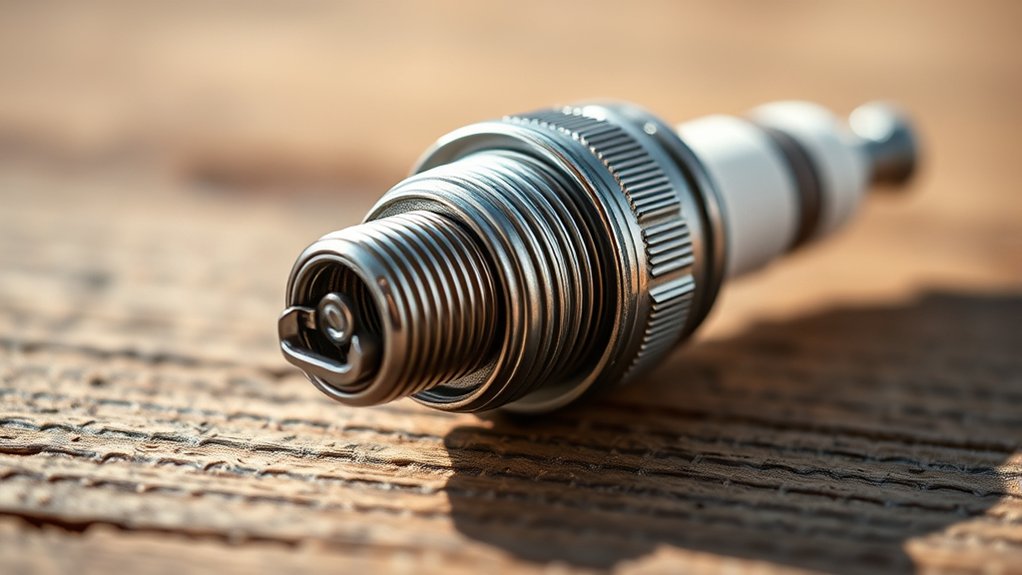
Although you might not notice them, suppressor spark plugs play an important role in managing electromagnetic interference within your engine’s ignition system. These specialized plugs integrate a built-in resistor that dampens high-frequency voltage spikes generated during ignition.
By doing so, they prevent electromagnetic noise from disrupting your vehicle’s electronic components. Modern spark plug technology incorporates precise resistor values to balance interference suppression with reliable spark generation. This balance guarantees the best combustion without sacrificing ignition efficiency.
When you use suppressor spark plugs, you maintain stable automotive performance by reducing radio frequency interference that could impair sensors or onboard electronics. Their design supports consistent engine operation, vital for both daily driving and high-performance applications.
Understanding this technology helps you appreciate how your engine maintains reliability and electronic harmony.
Why Electromagnetic Interference Matters For Your Vehicle’s Suppressor Spark Plugs
You need to understand how electromagnetic interference (EMI) can disrupt your vehicle’s sensitive electronic systems, causing malfunctions or data errors.
Suppressor spark plugs play a critical role by minimizing this interference at the ignition source, ensuring stable engine performance. Without proper EMI control, your vehicle’s electronics and spark plug functionality can degrade markedly.
Interference Effects On Electronics
Because modern vehicles rely heavily on sensitive electronic systems, electromagnetic interference (EMI) from spark plugs can greatly disrupt their performance. You need to understand how electronic interference causes signal degradation, affecting critical components like the engine control unit (ECU) and sensors.
This interference can lead to miscommunication between systems, triggering malfunctions or inefficient engine operation. Specifically, EMI impacts your vehicle by:
- Introducing noise into sensor signals, reducing accuracy and reliability.
- Causing erratic ECU behavior due to corrupted data inputs.
- Degrading communication on vehicle networks, such as CAN bus systems.
Suppressor spark plugs help mitigate these issues by minimizing EMI, preserving signal integrity, and ensuring consistent electronic control. Without proper suppression, you risk compromised vehicle diagnostics and reduced overall system performance.
Suppressor Plug Functionality
When electromagnetic interference disrupts your vehicle’s electronic systems, suppressor spark plugs play a critical role in maintaining peak performance by reducing EMI at its source. Unlike standard spark plug types, suppressor plugs integrate a resistor within their core structure, which dampens the high-frequency electrical noise generated during the ignition process.
This noise reduction is essential because EMI can interfere with sensitive electronic control modules, sensors, and communication networks in modern vehicles. By mitigating these electromagnetic pulses, suppressor spark plugs prevent signal distortion and electronic malfunctions.
Their design guarantees consistent spark delivery without compromising combustion efficiency, making them indispensable in vehicles equipped with advanced electronics. Choosing the correct suppressor spark plug type for your engine guarantees maximum noise reduction and reliable engine management system operation, preserving both performance and diagnostic accuracy.
How Suppressor Spark Plugs Cut Down Electrical Noise
Although suppressor spark plugs resemble standard plugs externally, they incorporate specialized components that markedly reduce electrical noise generated during combustion. You’ll find a built-in resistor, typically made of a carbon-based material, which dampens the high-frequency electrical pulses responsible for interference.
Suppressor spark plugs feature a built-in resistor that significantly reduces electrical noise during combustion.
This reduction in electrical noise not only minimizes radio and electronic signal disruption but also prevents potential performance impact on sensitive engine management systems. Here’s how they cut down electrical noise:
- The resistor absorbs and dissipates electromagnetic interference (EMI) generated during the spark event.
- It smooths the voltage spike, reducing rapid fluctuations that cause noise.
- The internal suppression design guarantees consistent firing voltage, promoting stable combustion and preventing misfires linked to noise interference.
Key Differences Between Suppressor And Standard Spark Plugs
Understanding how suppressor spark plugs reduce electrical noise sets the stage for identifying what sets them apart from standard spark plugs. Suppressor spark plugs include a built-in resistor, typically around 5,000 ohms, which dampens electromagnetic interference (EMI) caused by the ignition system.
Standard spark plug types lack this resistor, allowing higher EMI emissions that can disrupt vehicle electronics. When it comes to engine performance, suppressor spark plugs maintain ignition consistency while minimizing interference, ensuring sensitive components like engine control units (ECUs) operate without signal distortion.
Additionally, suppressor plugs can improve radio and sensor clarity without compromising spark efficiency. By choosing between these spark plug types, you balance noise reduction with ignition reliability, optimizing your vehicle’s overall engine performance and electronic system harmony.
Signs Your Vehicle Needs Suppressor Spark Plugs
How can you tell if your vehicle would benefit from suppressor spark plugs? Pay attention to specific symptoms indicating the need for enhanced noise reduction and improved engine performance. Consider these three key signs:
- Excessive Electrical Noise: If your radio or onboard electronics experience frequent static or interference, your spark plugs may be causing electromagnetic disturbances.
- Engine Misfires or Rough Idle: Persistent misfires or unstable idling can signal that spark plug noise is affecting ignition consistency, reducing engine performance.
- Visible Spark Plug Wear: If you notice carbon buildup or electrode erosion, standard plugs might be struggling to maintain ideal combustion, impacting both performance and noise control.
Addressing these symptoms with suppressor spark plugs can stabilize ignition, minimize electromagnetic interference, and enhance overall engine operation.
How To Choose The Right Suppressor Spark Plug For Your Engine Type
To select the right suppressor spark plug, you need to match it precisely with your engine’s specifications, considering factors like thread size, heat range, and electrode gap.
Pay close attention to the materials used, such as copper, platinum, or iridium, as each affects durability and performance differently. Understanding these design choices guarantees peak ignition efficiency and reduces electromagnetic interference in your specific engine type.
Engine Compatibility Factors
When selecting a suppressor spark plug, you’ll need to evaluate your engine’s specific design parameters, such as cylinder head configuration, combustion chamber size, and ignition system compatibility. Matching spark plug types to engine specifications guarantees peak performance and prevents misfires or damage.
Focus on these three factors:
- Thread Size and Reach: Verify that the plug’s thread diameter and reach fit your cylinder head to avoid sealing issues or electrode damage.
- Heat Range: Align the plug’s heat dissipation characteristics with your engine’s operating temperature to maintain combustion efficiency.
- Ignition System Compatibility: Confirm compatibility with your ignition voltage and firing sequence to guarantee stable spark delivery.
Accurately evaluating these engine compatibility factors helps you choose a suppressor spark plug that maximizes efficiency and durability.
Material And Design Choices
After confirming your engine’s compatibility factors, the next step involves selecting the appropriate materials and design features for your suppressor spark plug. Focus on material properties like thermal conductivity and corrosion resistance, as these directly affect durability and performance under high-temperature conditions.
Nickel alloy electrodes offer longevity and efficient spark generation, while copper cores improve heat dissipation. Design innovations, such as integrated resistor elements and optimized electrode geometry, minimize electromagnetic interference and enhance ignition stability.
You’ll also want to take into account thread size and reach to guarantee proper fitment and sealing. By prioritizing suppressor spark plugs engineered with advanced material properties and cutting-edge design innovations, you’ll optimize combustion efficiency and reduce electrical noise in your specific engine type.
Installation Tips For Suppressor Spark Plugs
Although suppressor spark plugs resemble standard plugs, installing them requires specific attention to torque specifications and gap settings to guarantee peak performance and prevent damage. Follow these installation techniques precisely to avoid troubleshooting issues later:
- Check and set the electrode gap according to manufacturer specs using a feeler gauge; improper gaps reduce efficiency and may cause misfires.
- Apply anti-seize compound sparingly on threads to prevent galling but avoid contaminating the electrode or insulator.
- Use a torque wrench to tighten plugs to the exact torque rating; over-tightening risks thread damage, under-tightening causes poor sealing and heat dissipation.
Careful adherence to these steps secures ideal function and longevity of suppressor spark plugs, minimizing potential troubleshooting problems related to installation errors.
Busting Common Myths About Suppressor Spark Plugs
Because suppressor spark plugs incorporate advanced noise reduction and ignition stability features, you might encounter several misconceptions about their function and compatibility. One common misconception is that these spark plugs reduce engine power; in reality, they maintain ideal combustion efficiency while minimizing electromagnetic interference.
Another myth is that suppressor spark plugs are incompatible with high-performance engines, but their design actually supports consistent spark delivery under demanding conditions. Myth debunking also addresses the belief that suppressor plugs cause increased wear; however, their materials and construction promote durability.
Understanding these facts helps you avoid common misconceptions and guarantees you choose the correct spark plug for your engine’s needs, enhancing both performance and noise suppression effectively.
Frequently Asked Questions
Can Suppressor Spark Plugs Affect Fuel Efficiency?
Yes, suppressor spark plugs can impact fuel efficiency by stabilizing fuel combustion and optimizing ignition timing, which reduces misfires and energy loss.
You’ll notice smoother engine performance and potentially improved miles per gallon as a result.
Are Suppressor Spark Plugs Compatible With Electric Vehicles?
You won’t need suppressor spark plugs for electric vehicles since they lack combustion engines. Different spark plug types suit specific engine compatibility, but EVs operate on electric motors, making traditional spark plugs irrelevant and unnecessary in their systems.
Do Suppressor Spark Plugs Require Special Maintenance?
You don’t need special maintenance for suppressor spark plugs, but you should maintain the same maintenance frequency as standard plugs.
Make certain the installation process follows precise torque specifications to avoid damage and maintain peak performance.
How Long Do Suppressor Spark Plugs Typically Last?
You won’t need a time machine. Suppressor spark plugs last about 30,000 to 50,000 miles, balancing spark plug lifespan and ignition efficiency. Their precise design guarantees consistent performance without premature degradation or ignition issues.
Can Suppressor Spark Plugs Improve Engine Performance?
Yes, you can improve engine performance with suppressor spark plugs by enhancing engine tuning precision and reducing electromagnetic noise. Their noise reduction minimizes ignition interference, allowing your engine control unit to optimize timing and combustion efficiency effectively.
Conclusion
Choosing suppressor spark plugs is like equipping your engine with noise-canceling headphones—they effectively minimize electromagnetic interference, ensuring smoother performance and accurate sensor readings.
By cutting down electrical noise, these plugs protect your vehicle’s electronic systems from disruptions. If you want reliable ignition and reduced radio static, switching to the right suppressor spark plug tailored for your engine will make a precise, measurable difference.
In both efficiency and diagnostics, the benefits of using a suppressor spark plug are clear and impactful.