Spark plug torque is the specific tightness applied to secure the spark plug in your engine.
Applying the correct torque guarantees a proper seal, ideal combustion, and prevents thread damage or misfires.
You’ll need a calibrated torque wrench and must follow manufacturer specs closely, as over- or under-tightening can harm engine performance and damage components.
Different engines and spark plug materials require precise settings.
Understanding these details will help you achieve reliable installation and maintain engine health effectively.
Key Takeaways
- Spark plug torque is the specific tightness applied to ensure proper sealing and engine performance.
- Correct torque prevents compression loss, misfires, and thread damage during installation.
- Torque values vary by engine model, spark plug type, and manufacturer specifications.
- Use a calibrated torque wrench to apply the manufacturer-recommended torque accurately.
- Over-tightening or under-tightening spark plugs can cause engine damage or performance issues.
What Spark Plug Torque Is and Why It Matters
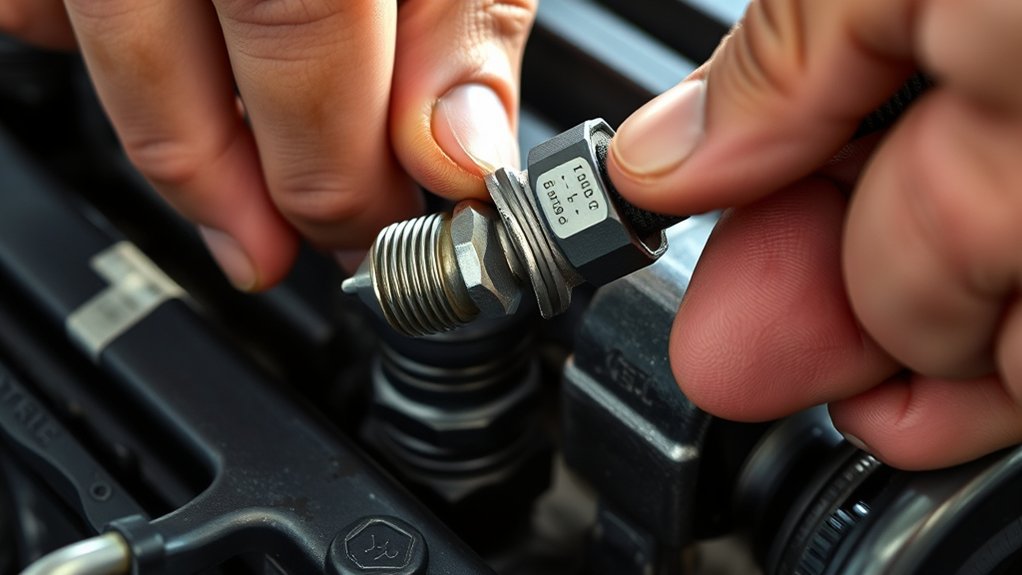
Although it may seem minor, applying the correct spark plug torque is vital for engine performance and longevity. The spark plug function relies on a precise seal within the combustion chamber, which torque directly affects.
Too little torque can cause poor sealing, leading to compression loss, misfires, and decreased engine performance. Over-tightening risks damaging the spark plug threads or the plug itself, potentially causing costly repairs.
Correct torque guarantees ideal heat transfer from the spark plug to the cylinder head, preventing overheating and pre-ignition. When you apply the right torque, you maintain proper spark plug seating, enhancing combustion efficiency and consistent engine operation.
Understanding and respecting spark plug torque specifications is essential for maintaining your engine’s reliability and maximizing its performance.
How to Find the Right Spark Plug Torque for Your Engine
To find the right spark plug torque for your engine, you need to consult the manufacturer’s specifications, which vary depending on the engine model and spark plug type. Different spark plug types, such as copper, platinum, or iridium, require specific torque settings to guarantee proper sealing and performance.
Refer to your vehicle’s service manual or the spark plug packaging to locate the exact torque specifications. These specs account for factors like thread size, material, and heat range. Using the correct torque prevents issues like thread damage or poor combustion.
If the manual isn’t available, manufacturer websites or trusted automotive databases often provide accurate torque values. Always prioritize the recommended torque specifications to maintain engine reliability and avoid costly repairs.
How to Tighten Spark Plugs Using the Correct Torque
Start by selecting a calibrated torque wrench suitable for the specified spark plug torque range. Different spark plug types, such as copper, platinum, and iridium, require distinct torque specifications based on their design and materials.
Begin threading the spark plug by hand to prevent cross-threading, then use the torque wrench to tighten it to the manufacturer’s recommended torque. Applying the correct torque guarantees proper sealing without damaging the threads or the spark plug itself.
Over-tightening can strip the cylinder head threads, while under-tightening may cause poor heat transfer or combustion issues. Always consult your vehicle’s service manual for exact torque specifications tailored to your engine and spark plug type.
Common Spark Plug Torque Mistakes and How to Avoid Them
When you apply incorrect torque to spark plugs, you risk damaging engine components or impairing performance. Common mistakes during spark plug installation include over-tightening, which can strip threads or break the plug, and under-tightening, leading to poor sealing and misfires.
To avoid these issues, always use a calibrated torque wrench and follow manufacturer specifications precisely. Employ proper torque wrench techniques by setting the correct torque value before installation and applying steady, controlled force.
Also, avoid using impact tools, as they can easily exceed recommended torque. Before tightening, verify spark plug threads and cylinder head are clean and dry to prevent false torque readings. By adhering to these practices, you’ll guarantee reliable spark plug installation and maintain engine efficiency.
Frequently Asked Questions
Can Spark Plug Torque Affect Fuel Efficiency?
Yes, improper spark plug installation torque affects fuel efficiency. If you don’t follow torque specifications, it can cause poor combustion or damage, reducing engine performance and fuel economy.
Always use a torque wrench for precise installation.
How Often Should Spark Plugs Be Retorqued?
You should retorque spark plugs during every spark plug replacement or if you suspect loosening. Always follow the manufacturer’s torque specifications precisely to guarantee proper sealing, prevent damage, and maintain peak engine performance.
Does Spark Plug Torque Vary by Spark Plug Brand?
Yes, spark plug torque varies by brand due to differing spark plug specifications. You should always follow the specific torque guidelines provided by the manufacturer to guarantee proper installation, prevent damage, and maintain engine performance.
What Tools Are Best for Measuring Spark Plug Torque?
Torque tools triumph when tackling tight torque specifications. You’ll want precise torque wrenches, preferably click or beam types, to accurately measure spark plug torque.
This ensures you don’t overtighten or undertighten, preserving engine performance and plug longevity.
Can Improper Torque Cause Engine Misfires?
Yes, improper torque can cause engine misfires by disrupting spark plug sealing and electrode contact.
You must follow torque specifications precisely to maintain peak engine performance and avoid combustion inefficiencies or damage.
Conclusion
Think of spark plug torque as the precise grip that seals your engine’s heartbeat. Too loose, and it’s like a whispered misfire; too tight, and you risk stripping threads or cracking porcelain.
By applying the exact torque specified, you guarantee a perfect seal, peak performance, and engine longevity. Always use a torque wrench and follow your engine’s guidelines—this small, exact step keeps your engine firing smoothly, mile after mile.
In conclusion, maintaining the correct spark plug torque is essential for optimal engine operation and durability.