You’ll typically need a 5/8-inch or 13/16-inch lawn mower spark plug socket, depending on the plug size. Measure the hex section with a caliper or ruler to confirm the size before starting your work.
Using the wrong socket can damage the plug or engine. Always match the socket size to the manufacturer’s specifications to ensure a secure fit and avoid stripping.
Having the right tools and understanding common fit issues will make your maintenance precise and hassle-free. More details will clarify these points further.
Key Takeaways
- Lawn mower spark plug sockets commonly come in 5/8 inch (16mm) and 13/16 inch (21mm) hex sizes.
- Measuring the spark plug hex with a caliper ensures selecting the correct socket size.
- Manufacturer specifications usually recommend either 5/8 inch or 13/16 inch sockets for lawn mower spark plugs.
- Using the correct socket size prevents spark plug damage and ensures proper tightening torque.
- Spark plug sockets often feature rubber inserts to protect the ceramic insulator during removal and installation.
What Size Spark Plug Socket Does Your Lawn Mower Need?
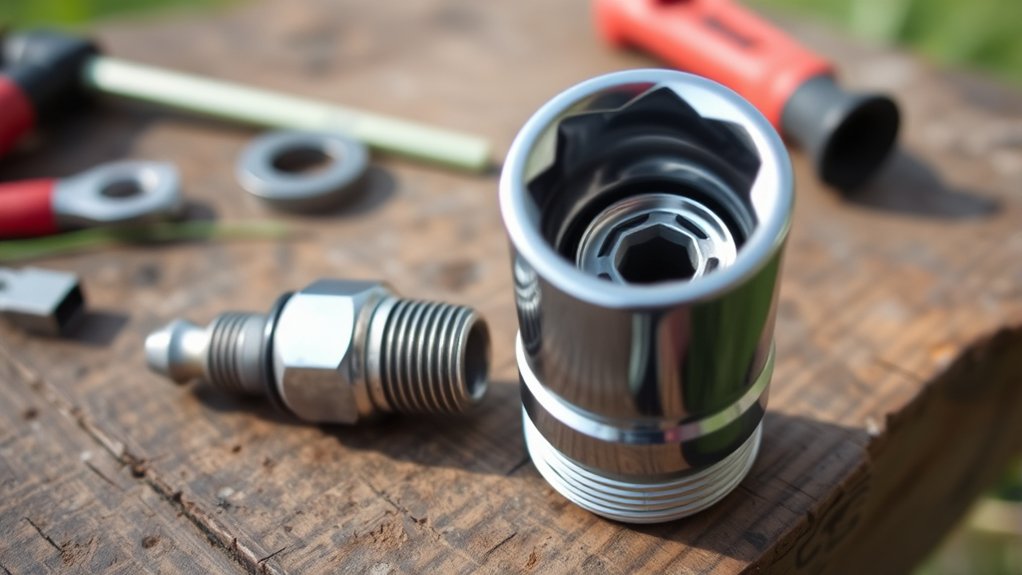
How do you determine the correct spark plug socket size for your lawn mower? The key lies in understanding spark plug types and confirming socket compatibility. Lawn mower engines typically use spark plugs with hex sizes of either 5/8 inch or 13/16 inch.
These sizes correspond to the socket dimensions required to fit snugly over the spark plug’s hexagonal base. Using the wrong socket size can damage the spark plug or make removal difficult. Since spark plug types vary by manufacturer and model, always verify the exact dimensions before proceeding.
A socket compatible with the plug’s hex size confirms proper torque application during installation or removal, preventing thread damage. Precision in selecting the correct size improves maintenance efficiency and extends your engine’s lifespan.
How to Identify Your Lawn Mower’s Spark Plug Socket Size?
To identify your lawn mower’s spark plug socket size, start by measuring the hexagonal section of the spark plug with a caliper or ruler. Then, consult your lawn mower’s manufacturer specifications for the recommended socket size. This guarantees you use the correct tool for a secure fit and avoid damage.
Measure Spark Plug Dimensions
Although spark plug sizes can vary, you can determine your lawn mower’s spark plug socket size by measuring the plug’s hexagonal section with a caliper or ruler. Different spark plug types require specific socket sizes to guarantee proper fit and function, so accuracy is essential for socket compatibility.
Follow these steps:
- Remove the spark plug and clean the hexagonal part.
- Use a caliper or ruler to measure the width across the flats (the parallel sides of the hex).
- Note this measurement in millimeters or inches; common sizes are 13/16 inch (21mm) or 5/8 inch (16mm).
This precise measurement allows you to select the correct socket, avoiding damage and guaranteeing efficient maintenance of your lawn mower’s engine.
Check Manufacturer Specifications
A reliable way to identify your lawn mower’s spark plug socket size is by consulting the manufacturer’s specifications. These documents provide exact details on compatible spark plug types and recommended socket sizes, ensuring a precise fit.
Check the mower’s user manual or manufacturer website for this information. Specifications often include thread diameter, reach, and hex size, critical for selecting the correct socket. Also, consider the socket materials recommended for your spark plug type; high-quality chrome vanadium or impact-resistant sockets prevent damage during installation or removal.
Using the specified socket size and appropriate materials reduces wear on both the spark plug and socket, ensuring peak performance. Always follow the manufacturer’s guidelines to maintain your mower’s engine integrity and avoid costly repairs due to improper tool use.
Why the Right Socket Size Matters for Your Mower
When you use the right socket size for your lawn mower’s spark plug, you assure a secure fit that prevents damage to both the plug and the surrounding components. Proper socket compatibility is essential for effective spark plug maintenance and assures you don’t strip or break the plug during removal or installation.
Using an incorrect socket size can lead to:
- Rounded edges on the spark plug, complicating future maintenance.
- Incomplete tightening or loosening, risking engine performance issues.
- Damage to adjacent engine parts due to slippage.
Essential Tools for Changing a Lawn Mower Spark Plug Socket
Using the correct socket size protects your spark plug and engine components, but having the right tools makes the job straightforward and efficient. For spark plug maintenance, you’ll need a quality spark plug socket, typically a 5/8-inch or 13/16-inch size, designed with a rubber insert to grip the plug securely.
A ratchet wrench with a compatible drive size guarantees you can apply controlled torque without damaging the plug or threads. Additionally, a spark plug gap gauge is essential for verifying proper electrode spacing.
Keep a set of wrenches and screwdrivers handy for related adjustments. Prioritize tool organization by storing these items in a designated kit or toolbox to streamline your maintenance process and reduce downtime. Proper preparation guarantees precise, safe spark plug replacement every time.
How to Use a Spark Plug Socket Step-by-Step
Start by confirming the engine is cool to prevent burns or damage. Proper spark plug maintenance begins with verifying socket compatibility; use the correct size socket to avoid stripping the plug. Follow these steps:
- Attach the spark plug socket to a ratchet; verify it fits snugly.
- Place the socket over the spark plug, aligning it carefully, then turn counterclockwise to loosen and remove the plug.
- To install, position the new or cleaned spark plug into the socket, insert it into the engine, and turn clockwise until hand-tight. Then, use the ratchet for a final snug fit. Avoid over-tightening.
This precise method guarantees safe, efficient spark plug removal and installation, maintaining engine performance and prolonging mower life.
Fixing Common Spark Plug Socket Fit Problems
You’ll want to start by confirming the correct socket size to guarantee a proper fit on your spark plug.
If the plug is stuck, applying steady, controlled force can help avoid damage. When needed, use socket adapters carefully to maintain torque and prevent slipping.
Identifying Correct Socket Size
Although finding the correct spark plug socket size may seem straightforward, many encounter fit issues that hinder efficient removal or installation. To identify the right socket size, you need to take into account the specific spark plug types and the materials of the sockets you use.
Follow these steps:
- Check the spark plug’s hex size, usually stamped on the plug or found in your lawn mower’s manual; common sizes include 5/8″ and 13/16″.
- Match the socket material, chrome vanadium or impact-grade steel, to guarantee durability and prevent rounding of the spark plug edges.
- Use a socket with a rubber insert or magnetic feature to securely grip the plug and avoid slipping during removal or installation.
Handling Stuck Spark Plugs
When spark plugs get stuck, applying the correct techniques and tools becomes essential to avoid damaging the plug or the engine. Start by using a penetrating lubricant around the spark plug base to loosen corrosion. Allow it to soak before attempting to remove the plug with the proper socket.
Avoid forcing the socket, which risks stripping the plug or damaging the threads. If resistance persists, gently rock the plug back and forth to break the seal. Once removed, focus on cleaning threads in the cylinder head thoroughly to guarantee proper reinstallation and prevent future seizing.
Use a thread chaser or tap designed for spark plug threads to restore damaged areas. Proper handling during removing plugs and cleaning threads extends engine life and guarantees reliable spark plug fitment.
Using Socket Adapters Properly
Properly removing stuck spark plugs often requires specialized tools, including socket adapters that allow you to use different drive sizes. To fix common spark plug socket fit problems, guarantee you prioritize adapter compatibility with your socket types.
Here’s how to use socket adapters properly:
- Verify the drive size of both your ratchet and spark plug socket to select an adapter that matches, avoiding mismatches that cause slipping or damage.
- Confirm the adapter fits securely; a loose connection reduces torque transfer, increasing the risk of rounding the spark plug hex.
- Use extensions if necessary, but maintain adapter alignment to prevent stress on the spark plug and socket.
How Lawn Mower Spark Plug Sockets Differ From Other Small Engines
Spark plug sockets for lawn mowers feature specific design elements that set them apart from those used on other small engines. You’ll notice these sockets accommodate particular spark plug types common in lawn mowers, ensuring ideal engine compatibility.
Unlike automotive sockets, lawn mower sockets often include rubber inserts to protect delicate ceramic spark plugs from damage during removal or installation.
| Feature | Lawn Mower Spark Plug Socket | Other Small Engine Socket |
|---|---|---|
| Socket Size | Typically 5/8″ or 13/16″ | Varies widely |
| Rubber Insert | Yes, for spark plug protection | Often absent |
| Depth | Medium, fits recessed plugs | Varies, sometimes shallow |
| Compatibility | Designed for common mower plugs | Broader range, less specific |
Understanding these differences helps you select the right socket for your mower’s spark plug types and engine compatibility.
Tips to Keep Your Spark Plug Socket Set in Great Shape
To maintain your spark plug socket set’s performance and longevity, you should clean and inspect each socket regularly. Proper spark plug maintenance guarantees accurate fit and torque application, preventing damage to both the spark plug and engine. Follow these key tips:
- Clean sockets after use: Remove dirt and debris with a brush or compressed air to avoid contamination during reassembly.
- Inspect for wear and damage: Check for cracks, rounding, or corrosion that could compromise grip or alignment.
- Implement socket organization: Store sockets in a labeled case or tray to prevent loss and mix-ups, which supports efficient workflow and tool longevity.
Frequently Asked Questions
Can I Use a Universal Spark Plug Socket for All Lawn Mowers?
You can use a universal spark plug socket, but verify it fits your lawn mower’s specific spark plug types and socket sizes. Universal sockets work for many models, but checking compatibility avoids damage and guarantees proper installation.
How Often Should I Replace My Lawn Mower’s Spark Plug Socket?
You should replace your spark plug socket every couple of years or after heavy use. Proper spark plug maintenance demands the correct socket size to avoid wear, ensuring precise fits like a Victorian craftsman’s trusty wrench.
Are Spark Plug Sockets Compatible With Electric Lawn Mowers?
You won’t need spark plug sockets for electric mower compatibility since electric mowers use different spark plug types or none at all. Always verify your mower’s model to confirm if spark plugs are present before selecting tools.
What Materials Are Lawn Mower Spark Plug Sockets Usually Made From?
Like a knight’s armor, lawn mower spark plug sockets are usually forged from chrome vanadium or steel alloys. These spark plug materials guarantee socket durability, resisting wear and corrosion while delivering precise torque for reliable engine maintenance.
Can a Worn Spark Plug Socket Damage My Lawn Mower’s Engine?
Yes, using a worn spark plug socket can damage your lawn mower’s engine by compromising spark plug maintenance. Poor socket fit may cause improper torque, leading to misfires and reduced engine performance over time.
Conclusion
Knowing the right spark plug socket size for your lawn mower is essential—it typically ranges between 5/8″ (16mm) and 13/16″ (21mm). Using the correct size reduces wear and prevents damage, ensuring efficient maintenance.
Notably, 70% of lawn mower repairs are due to spark plug issues, highlighting the importance of proper tools. Keep your socket set well-maintained and follow precise steps to save time and extend your mower’s life.
In conclusion, understanding the correct lawn mower spark plug socket size is key to effective maintenance and long-lasting performance.